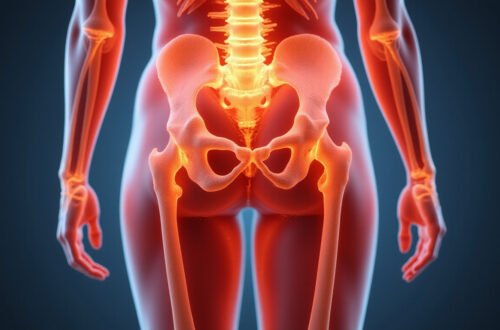
If you’re struggling with relentless back or leg pain from a herniated disc, you may feel stuck between living with the pain or facing major surgery. Percutaneous discectomy offers a third option: a minimally invasive procedure designed to relieve nerve compression, reduce pain, and get you back to normal life—often within days, not months.
This guide explains what percutaneous discectomy is, how it works, who it helps, and what to expect before and after the procedure, so you can make an informed choice with your spine specialist.
What Is Percutaneous Discectomy?
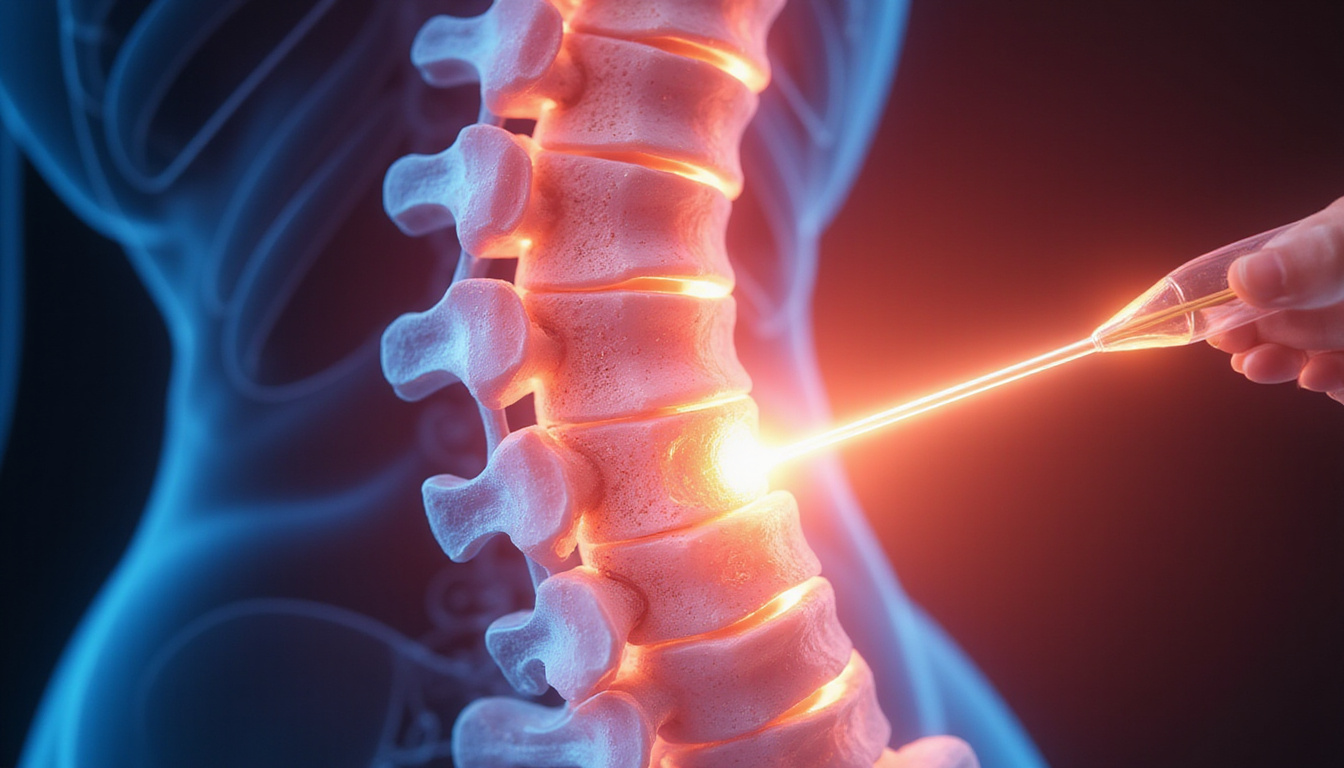
Percutaneous discectomy is a minimally invasive technique used to remove a small portion of a damaged or herniated intervertebral disc through a tiny skin puncture. “Percutaneous” means “through the skin,” and “discectomy” means removal of disc material.
Instead of a large incision and muscle dissection like in traditional open back surgery, percutaneous discectomy uses:
- A small needle or cannula
- Imaging guidance (such as fluoroscopy or X-ray)
- Specialized instruments or probes to remove or shrink disc tissue
By removing a small amount of disc material, the disc can retract away from the compressed nerve, easing pain, numbness, and weakness.
Why Disc Problems Cause Such Severe Back and Leg Pain
To understand how percutaneous discectomy helps, it’s useful to know what’s going on inside your spine.
Between each vertebra is a disc that acts as a shock absorber. When a disc degenerates or herniates:
- The inner gel-like center (nucleus pulposus) bulges or leaks out.
- This bulging or leaked material can press on nearby spinal nerves.
- The irritated nerve sends pain signals down the path it supplies—often into the buttock, leg, or foot (sciatica) or into the arms and hands (if the problem is in the neck).
In many people, rest, physical therapy, anti-inflammatories, and injections are enough. But when nerve compression persists, pain can become severe, constant, and disabling.
Percutaneous discectomy is designed to relieve that nerve compression without the trauma of open surgery.
How Percutaneous Discectomy Works
Different systems and technologies exist (mechanical, laser, radiofrequency, or suction-based), but most percutaneous discectomy procedures follow this basic sequence:
-
Positioning and anesthesia
You lie on a procedure table, usually on your stomach. The area is cleaned and numbed with local anesthetic. You may also receive mild sedation to help you relax. -
Imaging guidance
The physician uses live X-ray (fluoroscopy) or other imaging to precisely locate the affected disc. -
Needle or cannula insertion
A thin needle or tube is passed through the skin and soft tissue into the center of the disc. The incision is usually just a few millimeters wide. -
Disc material removal
Through this cannula, the doctor introduces a specialized device that cuts, shaves, vaporizes, or removes a small portion of the nucleus pulposus.- Removing this core material reduces internal pressure.
- As pressure drops, the herniation can retract away from the nerve root.
-
Closure and recovery
The needle is removed, and a small bandage is applied—no stitches are usually needed. You’re monitored briefly and can often go home the same day.
The entire percutaneous discectomy procedure often takes 30–60 minutes, with active treatment time being only a fraction of that.
Conditions Percutaneous Discectomy Can Treat
Percutaneous discectomy is most often used for:
- Lumbar disc herniation causing sciatica (leg pain, numbness, or tingling)
- Contained disc herniations (disc material has bulged but not completely broken off)
- Discogenic back pain from degenerative disc disease in select cases
- Cervical disc herniations (in some specialized centers and with specific systems)
You may be a candidate if you have:
- Persistent leg or arm pain lasting at least 6–12 weeks
- Confirmed disc herniation on MRI that matches your symptoms
- Failed to get relief from conservative care (rest, medications, physical therapy, injections)
It is not typically used for:
- Very large, “free fragment” herniations
- Severe spinal stenosis from bone overgrowth or ligament thickening
- Significant spinal instability, deformity, or spondylolisthesis
- Serious neurologic deficits (e.g., loss of bowel/bladder control)
Your spine specialist will determine if percutaneous discectomy is appropriate based on your imaging, symptoms, and overall health.
Key Benefits of Percutaneous Discectomy
Compared with traditional open discectomy or more extensive spine surgery, percutaneous discectomy offers several potential advantages:
-
Minimally invasive approach
Tiny skin puncture, minimal muscle disruption, and less trauma to surrounding tissues. -
Outpatient, same-day procedure
Most patients return home within hours instead of staying overnight in the hospital. -
Shorter recovery time
Many people resume light activities within days and progressively return to normal routines over several weeks. -
Reduced post-operative pain
Smaller incisions and less tissue damage usually mean less pain and lower reliance on opioid pain medication. -
Lower infection and complication risk
Smaller access points reduce the chance of wound complications when compared to open surgery. -
Preservation of spinal structures
Because only a small part of the disc is removed, the overall anatomy is largely maintained, which may help preserve long-term spine function.
Research suggests that minimally invasive disc procedures, when used in appropriately selected patients, can significantly reduce radicular leg pain and improve function (source: North American Spine Society).
Potential Risks and Limitations
No spinal procedure is risk-free, even when it is minimally invasive. With percutaneous discectomy, possible risks include:
- Infection at the needle site or inside the disc
- Bleeding or hematoma
- Nerve irritation or, rarely, nerve injury
- Allergic reaction to medications or contrast dye
- Continued or recurrent pain if the disc re-herniates or if multiple pain generators are present
There are also limitations:
- It may not fully resolve symptoms in all patients.
- Some people may still require a traditional discectomy or fusion later.
- Effectiveness is best when the disc herniation is relatively contained and not severely degenerated.
A detailed conversation with your surgeon about realistic outcomes and alternatives is essential before deciding on percutaneous discectomy.
What to Expect Before the Procedure
Preparing properly helps improve both safety and results. Typically, the pre-procedure process includes:
-
Clinical evaluation
Your doctor will take a complete history and perform a physical exam, focusing on neurologic function (strength, reflexes, sensation). -
Imaging studies
An MRI or CT scan confirms the location and size of the disc problem and rules out other causes of pain, such as tumors or fractures. -
Medication review
You may need to stop blood thinners, certain supplements, or anti-inflammatory medications several days before the percutaneous discectomy to reduce bleeding risk. -
Fasting instructions
If sedation is planned, you will likely need to avoid food and drink for a specified time before the procedure. -
Logistics
Arrange transportation home, as you should not drive yourself after sedation.
Ask your care team for specific written instructions and follow them carefully.
Recovery After Percutaneous Discectomy
Recovery is usually faster and easier than after open surgery, but it still requires some care and patience.
Immediately After
- You’ll spend 30–90 minutes in a recovery area.
- Your vital signs and leg or arm strength are checked.
- You may feel some soreness at the puncture site and mild residual nerve pain.
First Few Days
Most patients:
- Walk the same day or the next day
- Return to desk-based work within a few days (if approved by their doctor)
- Use over-the-counter pain relievers as needed
Light walking is encouraged, but avoid:
- Heavy lifting
- Twisting, bending, or high-impact activities
- Prolonged sitting in one position
Next Several Weeks
Gradual improvements in leg or arm pain are common as nerve inflammation subsides. Your doctor may recommend:
- Physical therapy to strengthen core and back muscles
- Posture and body mechanics training to protect your spine
- A progressive return to normal exercise and sports
Most patients achieve peak benefit within 6–12 weeks, though timelines vary.
Who Is a Good Candidate for Percutaneous Discectomy?
You may be a strong candidate if:
- Your primary symptom is radiating leg or arm pain from a single-level disc herniation.
- Imaging shows a contained or small-to-moderate disc herniation compressing a nerve root.
- You’ve tried at least several weeks of non-surgical treatments without lasting relief.
- You don’t have severe spinal instability, deformity, or widespread spinal stenosis.
- You’re seeking a less invasive option than open surgery and understand that results can vary.
Conversely, percutaneous discectomy might not be ideal if:
- You have progressive muscle weakness or concerning neurologic changes.
- There are multiple levels of disc disease causing complex symptoms.
- You have medical conditions that increase surgical or anesthesia risk.
- Your pain is primarily mechanical low back pain without nerve root involvement.
Only a thorough evaluation by a spine surgeon or interventional spine specialist can determine whether percutaneous discectomy fits your specific situation.
How Percutaneous Discectomy Compares to Other Treatments
When considering your options, you’ll likely encounter several categories of treatment:
-
Conservative care
- Rest, physical therapy, medications, chiropractic care, and epidural steroid injections.
- Typically first-line, especially for new or mild symptoms.
-
Percutaneous discectomy and other minimally invasive procedures
- Designed for persistent, well-localized disc-related nerve compression.
- Offer faster recovery and smaller incisions than open procedures for selected patients.
-
Open or microdiscectomy
- A more traditional surgery through a small incision, often using a microscope.
- Allows direct visualization and removal of disc material and is effective for a wide range of herniations.
-
Spinal fusion or more extensive reconstructive surgery
- Reserved for significant instability, deformity, or multi-level degenerative conditions.
In many cases, percutaneous discectomy is considered when conservative care fails but before committing to larger, more invasive operations—particularly if your disc herniation meets the selection criteria well.
FAQ: Common Questions About Percutaneous Discectomy
1. How successful is percutaneous discectomy for herniated discs?
Success rates vary depending on patient selection and technique, but many studies show meaningful pain relief in a majority of properly selected patients. It tends to work best for contained lumbar disc herniations causing leg pain rather than for large, fragmented herniations or severe spinal stenosis.
2. Is a percutaneous lumbar discectomy painful?
Most patients tolerate percutaneous lumbar discectomy very well. Local anesthesia numbs the area, and light sedation helps you stay relaxed. You may feel pressure or brief discomfort during the procedure but usually not sharp pain. Post-procedure soreness is generally mild and short-lived.
3. What is the difference between percutaneous endoscopic discectomy and percutaneous discectomy?
Percutaneous endoscopic discectomy uses an endoscope (a small camera) inserted through a tiny incision, allowing the surgeon to see structures directly on a monitor. Standard percutaneous discectomy often relies on X-ray guidance and specialized tools without direct camera visualization. Both are minimally invasive; the best choice depends on your anatomy, surgeon’s expertise, and the nature of your disc problem.
Take the Next Step Toward Ending Your Back Pain
Living with constant back or leg pain from a herniated disc can drain your energy, limit your mobility, and affect every part of your life. Percutaneous discectomy may offer a way out—a fast, minimally invasive procedure that targets the source of nerve compression and can help you return to the activities you love.
If your pain has not improved with conservative care, don’t assume your only option is major surgery. Schedule a consultation with a board-certified spine surgeon or interventional spine specialist and ask whether you might be a candidate for percutaneous discectomy. Bringing your MRI and a clear description of your symptoms to that appointment can help your doctor determine the safest, most effective path forward—so you can stop managing pain and start reclaiming your life.