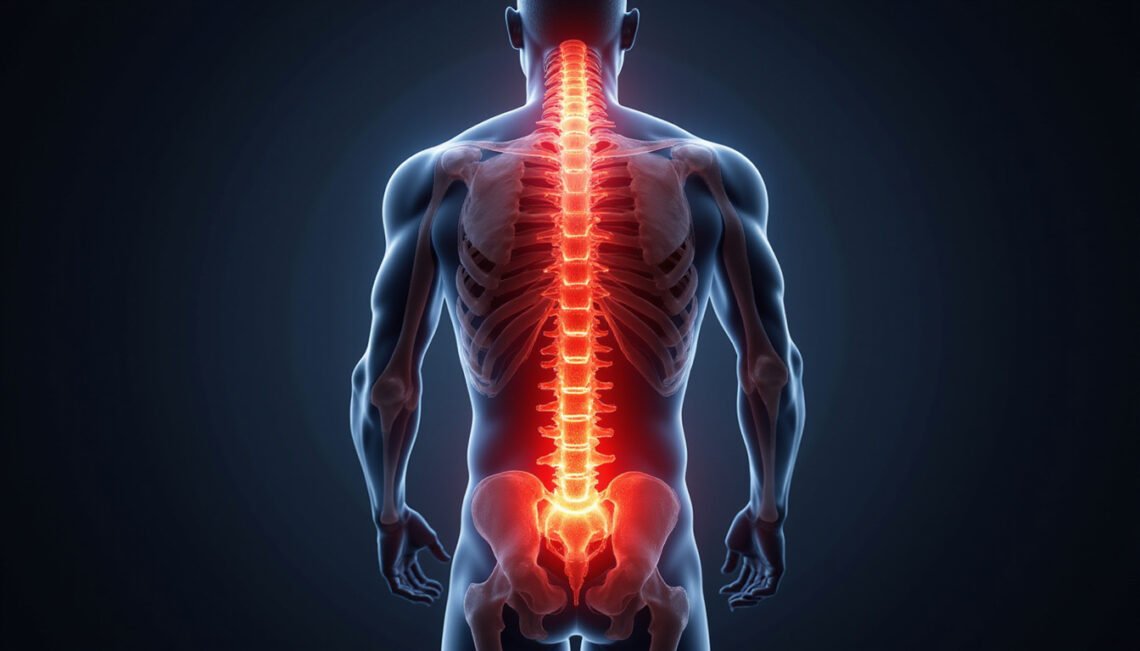
Piriformis muscle pain is a common but often misunderstood source of discomfort in the buttock and lower back area. The piriformis muscle, a small muscle located deep in the gluteal region, plays a crucial role in hip movement and stability. When this muscle becomes irritated or tight, it can lead to significant pain and mobility issues, often referred to as piriformis syndrome. In this article, we’ll explore the causes, symptoms, and effective treatments for piriformis muscle pain to help you find relief and improve your quality of life.
Understanding the Piriformis Muscle and Its Role
The piriformis muscle originates from the sacrum, a triangular bone at the base of the spine, and attaches to the top of the femur (thigh bone). Its primary functions include:
- Laterally rotating the hip
- Abducting the thigh when the hip is flexed
- Stabilizing the hip joint during movement
Because the piriformis muscle lies close to the sciatic nerve, inflammation or spasms of this muscle can compress or irritate the nerve, causing pain, numbness, or tingling sensations along the path of the nerve.
Common Causes of Piriformis Muscle Pain
Several factors can contribute to piriformis muscle pain by causing muscle strain, inflammation, or irritation. These include:
- Overuse or repetitive motions: Activities such as running, cycling, or prolonged sitting can overwork the piriformis muscle.
- Muscle imbalances: Weakness or tightness in surrounding muscles like the glutes or hamstrings can place extra stress on the piriformis.
- Trauma or injury: A fall, direct blow, or sudden twisting motion can injure the muscle.
- Poor posture: Sitting with crossed legs or slouching may contribute to muscle tightness.
- Anatomical variations: Some individuals have a sciatic nerve that passes through rather than beneath the piriformis muscle, increasing susceptibility to compression.
- Emergency conditions: Rarely, piriformis pain may be linked to deeper health issues such as herniated discs or spinal stenosis, so proper medical evaluation is important.
Recognizing the Symptoms of Piriformis Muscle Pain
Identifying piriformis muscle pain can be tricky because its symptoms often mimic other conditions like sciatica or lumbar disc problems. Common signs and symptoms include:
- Deep buttock pain: A dull or sharp aching sensation deep in the buttock.
- Lower back or hip pain: Discomfort radiates to the hip or lower back area.
- Numbness or tingling: Sensations running down the back of the leg, associated with sciatic nerve irritation.
- Difficulty sitting: Pressure on the piriformis muscle when sitting often intensifies pain.
- Reduced range of motion: Stiffness and pain when rotating or flexing the hip.
- Muscle weakness: Some experience weakness in the affected leg.
If you have persistent pain radiating down your leg, it’s essential to rule out other causes through proper diagnosis.
Effective Treatments for Piriformis Muscle Pain
Managing piriformis muscle pain involves a combination of self-care, physical therapy, and in some cases, medical intervention. Here are some evidence-based treatments to consider:
1. Stretching and Strengthening Exercises
Gentle stretching helps alleviate tension in the piriformis muscle and surrounding tissues. Some effective stretches include:
- Piriformis stretch: Lying on your back, cross one leg over the other and gently pull the knee towards the opposite shoulder.
- Seated piriformis stretch: While sitting, place the ankle of the affected leg on the opposite knee, lean forward carefully to stretch the buttock.
Strengthening exercises for your gluteal and core muscles support better hip stability and prevent muscle imbalances.

2. Physical Therapy
A physical therapist can design a personalized rehabilitation plan that includes manual therapy techniques, targeted exercises, and posture correction. They also offer guidance on modifying activities that may contribute to your piriformis pain.
3. Heat and Cold Therapy
Applying heat can relax tight muscles, and cold therapy can reduce inflammation. Using alternating heat and ice packs for 15-20 minutes may help alleviate discomfort.
4. Medications
Nonsteroidal anti-inflammatory drugs (NSAIDs), such as ibuprofen, may reduce pain and inflammation. In more severe cases, your doctor might recommend muscle relaxants or corticosteroid injections.
5. Lifestyle Modifications
Maintaining good posture, avoiding prolonged sitting, and incorporating regular movement breaks can decrease strain on the piriformis muscle. Ergonomic adjustments in your workspace can also be beneficial.
6. Advanced Interventions
For persistent cases unresponsive to conservative treatments, options such as botulinum toxin (Botox) injections or, rarely, surgical release of the piriformis muscle may be explored under professional guidance.
Tips to Prevent Piriformis Muscle Pain
Prevention is key to avoiding future episodes. Here are practical tips:
- Warm up before exercise and cool down with stretching.
- Avoid sitting for prolonged periods; stand and walk regularly.
- Use proper techniques when lifting or performing repetitive activities.
- Maintain a healthy weight to reduce stress on hips.
- Strengthen core, gluteal, and lower back muscles to support pelvic alignment.
Frequently Asked Questions About Piriformis Muscle Pain
Q1: How is piriformis muscle pain diagnosed?
A1: Diagnosis typically involves a detailed physical exam, patient history, and tests to rule out other causes like herniated discs. Imaging studies (MRI, CT) may be used, but the diagnosis often depends on symptom patterns and response to specific maneuvers.
Q2: Can piriformis muscle pain cause sciatica?
A2: Yes. Since the sciatic nerve runs close to or even through the piriformis muscle in some individuals, tightness or spasms in this muscle can compress the nerve, causing sciatica-like symptoms such as radiating leg pain or numbness.
Q3: How long does piriformis muscle pain last?
A3: Duration varies depending on severity and treatment. Mild cases may improve within weeks with rest and stretching, while chronic or severe cases may require months of therapy or interventions to resolve.
Conclusion: Taking Control of Your Piriformis Muscle Pain
Piriformis muscle pain can be frustrating and interfere with daily activities, but understanding its causes and symptoms is the first step toward effective treatment. By integrating stretching, strengthening, physical therapy, and lifestyle changes, you can significantly reduce discomfort and improve mobility. If pain persists or worsens, consulting a healthcare professional specializing in musculoskeletal disorders is essential for accurate diagnosis and personalized care.
Don’t let piriformis muscle pain hold you back—take proactive action today to relieve your symptoms and restore your active lifestyle!
For more detailed guidance on muscular pain and rehabilitation strategies, visit the American Academy of Orthopaedic Surgeons website (source).