If you’re exploring non-surgical options for chronic joint pain, prolotherapy is likely already on your radar. Prolotherapy is a regenerative injection treatment that aims to stimulate your body’s natural healing processes, strengthen weakened tissues, and reduce pain—often without the downtime and risks associated with surgery. For many people, it offers a practical middle ground between conservative care (like physical therapy and medication) and invasive procedures.
This guide explains what prolotherapy is, how it works, who it’s for, and what to expect so you can make an informed, people-centered decision about your care.
What Is Prolotherapy?
Prolotherapy (short for “proliferation therapy”) is a regenerative injection treatment designed to:
- Promote the growth (proliferation) of new, healthy tissue
- Stabilize weakened or injured ligaments, tendons, and joints
- Reduce or eliminate chronic musculoskeletal pain
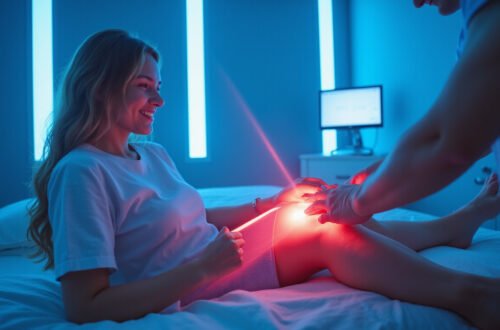
The basic idea: a small amount of an irritating but safe substance—most commonly a dextrose (sugar) solution—is injected into targeted areas around a painful joint. This mild, controlled irritation signals your body that healing is needed, triggering an inflammatory and regenerative response.
Over a series of treatments, this can lead to stronger supporting structures and less pain. It is typically done in an outpatient setting with no general anesthesia and minimal downtime.
How Does Prolotherapy Work?
Prolotherapy leverages your body’s own repair mechanisms. When the solution is injected into ligament or tendon attachments, it:
-
Triggers Local Inflammation
The solution creates a mild inflammatory response. While “inflammation” sounds negative, in this context it’s a therapeutic signal telling your body to send in healing cells. -
Stimulates Repair Cells
Your body recruits fibroblasts and other cells to the area. These cells help lay down new collagen, the basic building block of ligaments and tendons. -
Rebuilds and Strengthens Tissue
Over time, this repair process can thicken and strengthen lax or injured ligaments and tendons, improving joint stability. -
Reduces Pain and Improves Function
As the joint becomes more stable and tissues heal, pain often diminishes and mobility increases.
Unlike pain injections (such as steroids), prolotherapy’s goal isn’t just symptom relief—it aims at structural improvement.
Conditions Prolotherapy May Help
Prolotherapy is used for a wide range of musculoskeletal issues, especially when pain is linked to ligament or tendon weakness or chronic strain.
Common areas and conditions include:
-
Knee
- Osteoarthritis
- Meniscal irritation or degeneration
- Ligament laxity (e.g., mild ACL/MCL sprains)
-
Shoulder
- Rotator cuff tendinopathy
- Shoulder instability
- AC joint pain
-
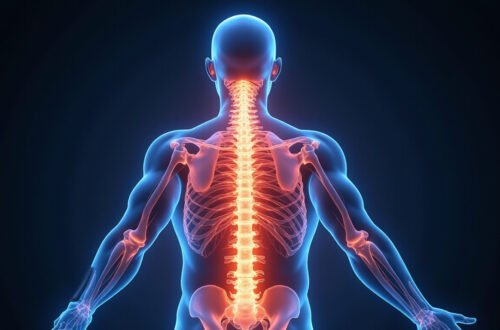
Spine
- Chronic low back pain
- Sacroiliac (SI) joint dysfunction
- Neck pain from ligament strain or whiplash
-
Other Joints & Soft Tissues
- Tennis elbow or golfer’s elbow
- Hip pain and early hip arthritis
- Ankle sprains and chronic instability
- Plantar fasciitis
Prolotherapy is particularly considered when:
- Pain persists despite rest, physical therapy, and medications
- Imaging doesn’t show a clear surgical target, but symptoms are real and limiting
- You wish to avoid or delay surgery and are willing to invest time in a regenerative approach
Prolotherapy vs Surgery: Why Consider It?
While surgery can be life-changing when clearly indicated, it comes with anesthesia risks, infection risk, longer recovery, and sometimes irreversible changes.
Prolotherapy offers several appealing contrasts:
-
Minimally Invasive
Small injections instead of incisions. No general anesthesia in typical cases. -
Lower Risk Profile
Fewer serious complications compared to surgery, especially when performed by a qualified provider using sterile technique. -
Shorter Downtime
Most people resume light activities the same day or next day, with gradual return to full activity as advised. -
Tissue-Preserving
Rather than cutting or removing tissue, prolotherapy works with your body to repair and strengthen what’s already there. -
Can Complement Other Therapies
It’s often combined with physical therapy, exercise programs, and lifestyle changes for better long-term outcomes.
Prolotherapy is not a replacement for every surgery—severe structural damage or advanced joint destruction may still require surgical intervention. But for many people in the “gray zone,” it can be a meaningful alternative or bridge.
What to Expect During a Prolotherapy Session
Knowing the step-by-step process can reduce anxiety and help you prepare.
1. Initial Evaluation
Before treatment, your clinician will:
- Take a detailed history of your pain and medical background
- Perform a focused physical exam
- Review any imaging (X-rays, MRI, ultrasound)
- Confirm that prolotherapy is appropriate and discuss realistic outcomes
You’ll also review medications and supplements, as some (like certain anti-inflammatories) may need to be adjusted before or after injections.
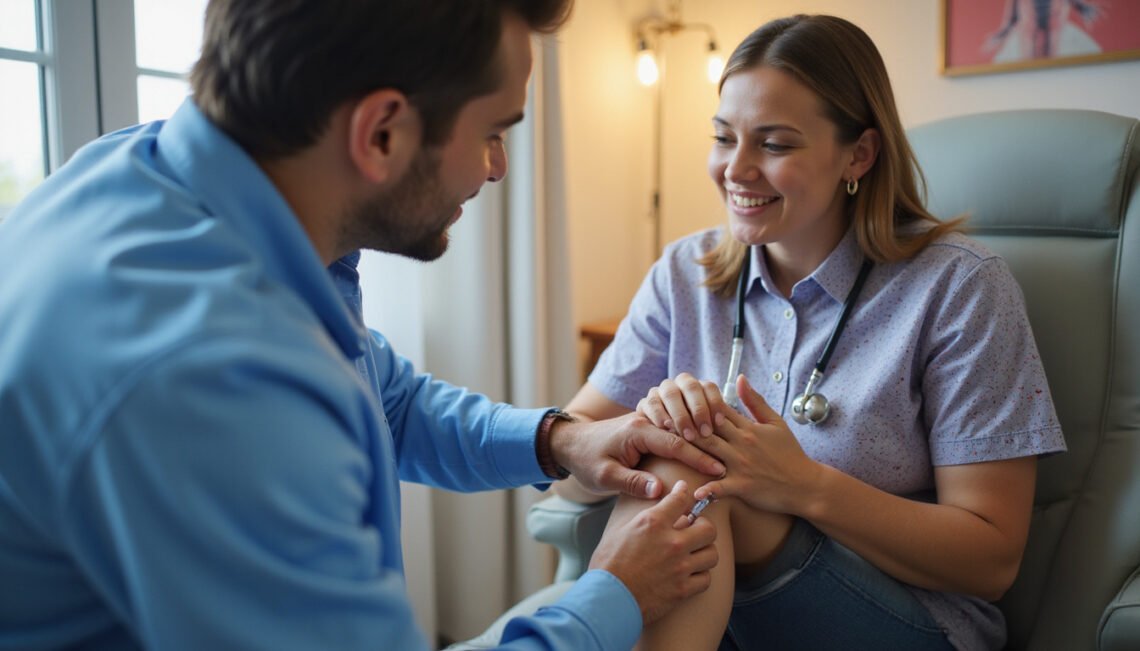
2. The Injection Procedure
A typical prolotherapy session includes:
- Positioning for optimal access to the joint
- Skin cleansing with antiseptic to reduce infection risk
- Local anesthetic to minimize injection discomfort
- Guided injections of the prolotherapy solution into specific ligaments, tendons, or joint spaces, often using ultrasound or fluoroscopic (X-ray) guidance for precision
Most sessions take 15–45 minutes, depending on the area and number of injection sites.
3. After the Session
Common experiences:
- Mild to moderate soreness or stiffness for a few days
- Feeling of fullness or pressure at the injection site
- Gradual improvement over several weeks as tissue repair progresses
Your provider will give specific aftercare instructions, including:
- Activity modifications
- When to resume exercise or sports
- Which pain-relief options are allowed (often acetaminophen is preferred over NSAIDs)
How Many Prolotherapy Treatments Are Needed?
Prolotherapy is rarely a single-shot fix. Because it works by stimulating gradual tissue repair, a series of treatments is typically required.
General patterns:
- Frequency: every 3–6 weeks
- Number of sessions: often 3–6 treatments, sometimes more for chronic or complex cases
- Timeline of improvement: some people notice changes after 1–2 sessions; more sustained improvement often takes several months
Your response will depend on:
- Severity and duration of your condition
- Overall health, nutrition, and healing capacity
- How closely you follow activity and rehab recommendations
Many clinicians reassess after 2–3 sessions to determine whether to continue, adjust the protocol, or consider other options.

Is Prolotherapy Safe?
When performed by an experienced, appropriately trained practitioner, prolotherapy has a relatively strong safety record.
Common, Mild Side Effects
- Temporary pain or soreness at the injection site
- Mild bruising or swelling
- Stiffness for several days
These typically resolve on their own and can often be managed with ice (if allowed by your provider), rest, and appropriate pain relief.
Less Common, More Serious Risks
- Infection
- Bleeding or hematoma
- Nerve irritation or injury
- Allergic reaction to the solution or anesthetic
Serious complications are rare, particularly with careful technique and proper patient selection. A 2016 systematic review concluded that dextrose prolotherapy showed positive outcomes with a low incidence of adverse events in musculoskeletal pain conditions (source: PubMed/NCBI).
To minimize risk:
- Choose a clinician with specific training in prolotherapy
- Ensure they use image guidance (ultrasound or fluoroscopy) when appropriate
- Share your full medical history, including medications, allergies, and bleeding risks
Prolotherapy vs PRP and Stem Cell Injections
Prolotherapy often gets grouped with other regenerative therapies like platelet-rich plasma (PRP) and stem cell injections. All aim to stimulate healing, but there are key differences.
-
Prolotherapy (dextrose-based)
- Uses a concentrated sugar solution plus anesthetic
- Lower cost
- Widely studied for joint and ligament pain
- Relies on your body’s general inflammatory response
-
PRP (Platelet-Rich Plasma)
- Uses your own blood, concentrated to increase platelets and growth factors
- Often more expensive
- May be favored for tendon and sports injuries
-
Stem Cell or Cellular Therapies
- Use cells from bone marrow or fat (where allowed by regulations)
- Higher cost and more complex procedures
- Regulations and evidence are still evolving in many regions
Some clinicians even combine approaches, using prolotherapy as a foundational treatment and reserving PRP or cellular therapies for specific cases. The “best” option depends on your condition, budget, goals, and local availability.
Who Is a Good Candidate for Prolotherapy?
You may be a good candidate if you:
- Have chronic joint, ligament, or tendon pain lasting 3+ months
- Have tried conservative treatments (rest, PT, medications) without sufficient relief
- Want to avoid or delay surgery when safe
- Don’t have uncontrolled systemic illness or active infection
- Can commit to a series of treatments and follow post-injection guidelines
Caution or ineligibility may apply if you:
- Have uncontrolled diabetes or bleeding disorders
- Are on blood thinners that can’t be safely paused
- Have autoimmune or systemic inflammatory conditions that need careful coordination
- Are pregnant or breastfeeding (discuss risk/benefit carefully with your provider)
An in-depth consultation with a knowledgeable clinician is essential; they can weigh your individual risks, imaging findings, and goals.
How to Support Healing During Prolotherapy
To get the best results, think of prolotherapy as one component of a broader healing plan. Helpful strategies include:
-
Targeted physical therapy
Build strength, mobility, and body mechanics as your tissues heal. -
Good nutrition
Adequate protein, vitamins C and D, and anti-inflammatory whole foods support tissue repair. -
Sleep and stress management
Healing is slower when sleep is poor and stress is high. -
Avoid smoking and excess alcohol
Both can impair circulation and slow recovery. -
Follow activity guidelines
Move enough to stimulate healing, but avoid high-load or high-impact activity that could overload vulnerable tissues.
Quick Summary: Prolotherapy at a Glance
- Uses injections (often dextrose-based) to stimulate your body’s natural healing
- Targets ligaments, tendons, and joints to reduce pain and improve stability
- Typically requires multiple treatments over several months
- Minimal downtime and lower risk than surgery when properly performed
- Works best as part of a comprehensive plan including rehab, lifestyle, and medical guidance
FAQ About Prolotherapy and Joint Pain
1. How long does prolotherapy joint pain relief last?
When prolotherapy successfully stimulates tissue repair and joint stabilization, pain relief can be long-lasting. Some people experience benefits for years, especially when they maintain strength, mobility, and healthy lifestyle habits. Results vary based on the severity of damage, overall health, and ongoing joint stress.
2. Is prolotherapy for knee arthritis effective?
Prolotherapy for knee osteoarthritis has shown promising results in several clinical studies, with improvements in pain and function for many patients. It tends to work best in mild to moderate arthritis, or when joint instability and ligament laxity are contributing factors. Severe, bone-on-bone arthritis may respond less robustly and sometimes still requires surgical options.
3. Does prolotherapy hurt and what is the recovery like?
The injections can cause brief discomfort, but most providers use local anesthetic to reduce pain during the procedure. It’s common to feel soreness, stiffness, or a “flare” of pain for a few days afterward as the inflammatory healing response kicks in. Most people resume light daily activities quickly and progress to more intense activity as guided by their clinician.
If chronic joint pain is limiting your life and you’re not ready—or not a candidate—for surgery, prolotherapy may offer a safe, regenerative path forward. The next step is to consult an experienced practitioner who can evaluate your specific condition, review your imaging, and outline a realistic treatment plan.
Take action now: reach out to a qualified prolotherapy provider or integrative sports medicine clinic in your area, schedule an evaluation, and explore whether this minimally invasive approach can help you move, work, and live with less pain and more confidence.