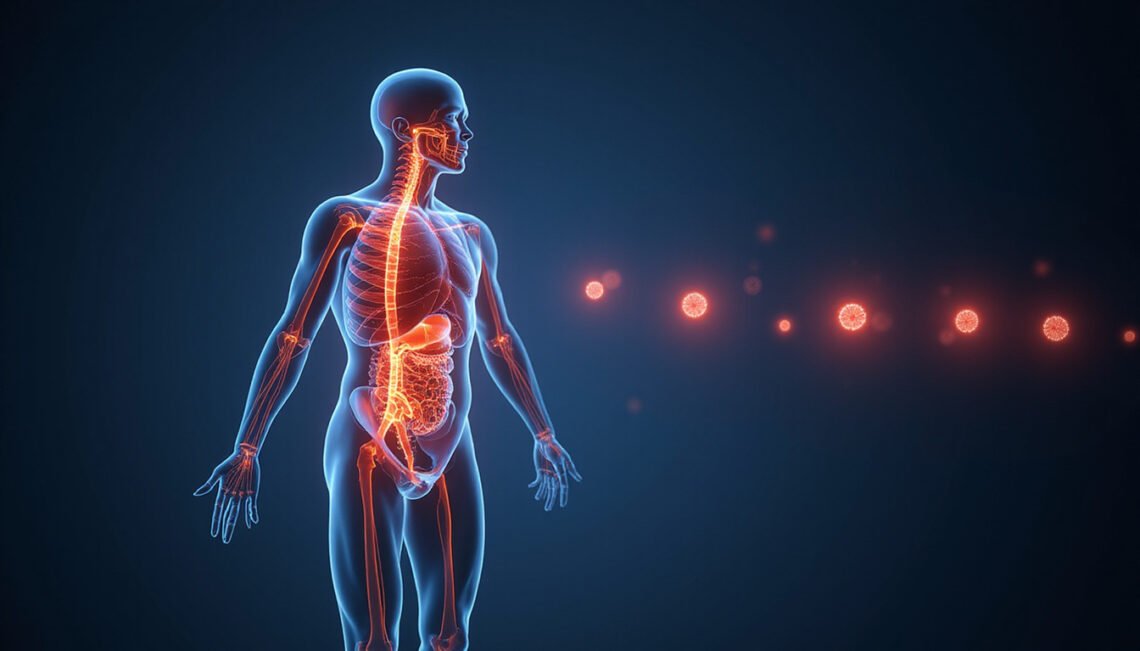
Referred Pain: Surprising Causes, Diagnosis Tips, and Fast Relief
Referred pain is one of the most confusing experiences you can have with your body: you feel pain in one place, but the actual problem is somewhere else entirely. That mismatch can lead to misdiagnosis, delays in treatment, and a lot of anxiety. Understanding what referred pain is, why it happens, and how doctors track it down can help you respond faster and more confidently when something feels “off.”
What Is Referred Pain?
Referred pain is pain felt at a location different from the actual source of the problem. In other words, the tissue that’s injured or irritated is not the same area where you feel the discomfort.
Examples:
- A heart attack causing pain in the left arm, jaw, or back
- A gallbladder problem showing up as pain in the right shoulder
- A neck issue causing headaches or pain behind the eyes
This happens because different body regions share nerve pathways as they travel to the spinal cord and brain. When those shared pathways are activated, your brain sometimes misreads the source and “projects” the pain to a nearby or historically linked body area.
How Referred Pain Works: The Nervous System’s “Wiring Mistake”
To understand referred pain, it helps to look at how pain signals travel.
-
Local injury or irritation
Tissue is damaged or inflamed (for example, in the heart, gallbladder, joints, or spine). -
Nerves carry signals to the spinal cord
Sensory nerves from different body regions enter the spinal cord at specific levels. -
Shared spinal segments
Nerves from your skin, muscles, and internal organs often converge on the same spinal segments. When signals from deeper structures like organs arrive, the nervous system may misinterpret them as coming from more familiar, surface areas like the skin or muscles. -
Brain interprets the message
Your brain, using “best guesses” based on prior patterns, decides where the pain is coming from. For referred pain, that guess is functionally wrong.
This “wiring overlap” explains why your shoulder might hurt when your diaphragm is irritated, or why hip problems sometimes masquerade as knee pain.
Common Types of Referred Pain and What They Can Mean
Not all pain is referred pain, but certain patterns are classic and worth knowing. They don’t replace medical evaluation, but they can be helpful red flags.
1. Heart-Related Referred Pain
Heart issues, especially angina and heart attacks, are among the most serious sources of referred pain.
Typical referred pain patterns:
- Chest pressure or tightness spreading to the left arm, jaw, neck, or upper back
- Discomfort that may feel like heaviness, squeezing, or burning rather than sharp stabbing
- Associated symptoms: shortness of breath, sweating, nausea, lightheadedness
Women, older adults, and people with diabetes may have more subtle or atypical referred pain patterns from heart problems (source: American Heart Association).
Seek emergency help immediately if you suspect heart-related pain.
2. Gallbladder and Digestive Organ Referred Pain
Your digestive organs can create referred pain that shows up away from the abdomen.
Common patterns:
- Gallbladder: pain in the right upper abdomen that can refer to the right shoulder or mid-back
- Stomach/duodenum (ulcers): pain in the upper abdomen, sometimes referring to the back
- Pancreas: deep upper abdominal pain often radiating to the back, sometimes improved by leaning forward
These pains may be worse after eating certain foods (fatty food for gallbladder), may come with nausea, or change with body position.
3. Musculoskeletal Referred Pain (Spine, Joints, Muscles)
A very common source of referred pain is the spine and surrounding soft tissues.
Examples:
- Neck problems:
- Disc issues or arthritic changes in the cervical spine can cause pain referred to the shoulder, upper back, arm, or head (cervicogenic headaches).
- Low back issues:
- Lumbar spine problems can refer pain into the hips, buttocks, groin, or legs.
- Hip arthritis:
- Often shows up as pain in the groin, knee, or thigh, not just the hip joint itself.
Trigger points in muscles (tight, irritable spots) can also create referred pain, where pressing on one small area reproduces pain in a distant location.
4. Diaphragm and Lung-Related Referred Pain
Your diaphragm and lungs share nerve pathways with the neck and shoulder.
- Diaphragm irritation (from surgery, liver or spleen issues, or internal bleeding) can cause pain at the shoulder tip, especially on the same side as the issue.
- Lung problems like pneumonia, pleurisy, or a blood clot can cause referred pain to the shoulder, neck, or upper back, often worse with deep breathing or coughing.
Any referred pain associated with trouble breathing, chest discomfort, or severe sudden onset should be treated as urgent.
Referred Pain vs. Radiating Pain: What’s the Difference?
Referred pain is often confused with radiating pain, but they’re not exactly the same.
-
Referred pain
- Felt away from the source
- Not necessarily along a nerve path
- Can be vague, dull, or hard to pinpoint
-
Radiating pain
- Spreads from a source along a nerve route
- Often sharp, electric, or burning
- Example: Sciatica, where lower back nerve compression causes pain shooting down the leg
Knowing the difference helps clinicians narrow down whether the problem is likely nerve-related or coming from deeper structures and organs.
How Doctors Diagnose Referred Pain
Because referred pain can easily be mistaken for a local problem, diagnosis focuses heavily on patterns, context, and careful testing.
1. Detailed History
Your doctor will ask:
- Where the pain is, and where else you feel it
- When it started and what makes it better or worse
- Whether it is sharp, dull, burning, pressure-like, or cramping
- Associated symptoms: shortness of breath, nausea, fever, weakness, numbness, bowel/bladder changes, etc.
- Past medical history: heart disease, gallstones, ulcers, injuries, surgeries
Seemingly unrelated details (like recent heavy meals or a cough) can be crucial for spotting referred pain patterns.

2. Physical Examination
The exam may include:
- Inspecting and palpating (pressing) the painful and surrounding areas
- Checking range of motion in joints and spine
- Neurological tests (strength, reflexes, sensation)
- Listening to heart and lungs, checking abdomen, blood pressure, and heart rate
Pain that doesn’t match what the local tissues show (for example, severe shoulder pain with a normal shoulder exam) may hint at referred pain.
3. Tests and Imaging
Depending on the suspected source, doctors may order:
- Blood tests (inflammation markers, heart enzymes, liver and pancreas function)
- ECG/EKG, stress tests, or echocardiograms for heart-related suspected causes
- Ultrasound, CT scans, or MRI of specific organs or joints
- X-rays or spine MRI for suspected musculoskeletal or nerve issues
- Endoscopy for suspected stomach or esophageal problems
Referred pain diagnosis can be a process of ruling out dangerous causes first, then narrowing down to more common and less urgent explanations.
Fast Relief: What You Can Do for Referred Pain
Relief depends heavily on identifying and treating the underlying cause. That said, there are steps you can take while seeking proper evaluation.
1. Know Your Red Flags
Get immediate medical help (call emergency services) if referred pain is:
- Sudden, severe chest pain or pressure, especially with jaw/arm/back pain
- Associated with shortness of breath, sweating, nausea, or faintness
- Sudden severe abdominal pain with shoulder tip pain or dizziness
- Pain after a major injury (fall, car accident) with neck, back, or abdominal discomfort
These could signal life-threatening conditions like heart attack, internal bleeding, or pulmonary embolism.
2. Short-Term Home Strategies (When No Red Flags)
When you’ve already been evaluated or the symptoms are mild, consider:
- Gentle movement
- Short walks and light stretching can reduce musculoskeletal referred pain, especially from the spine.
- Heat or cold packs
- Heat often helps muscle-based pain; cold may help after recent strain.
- Over-the-counter pain relievers
- Acetaminophen or NSAIDs (like ibuprofen) can reduce mild pain and inflammation—as long as you have no contraindications.
- Posture adjustments
- Many neck- and back-related referred pains improve with better sitting and standing posture and regular breaks from screens.
- Stress management
- Deep breathing, meditation, and good sleep support can lower muscle tension and pain perception.
Always follow medication instructions and ask a professional if you’re unsure whether a remedy is safe for you.
3. Professional Treatments
Depending on the cause of your referred pain, treatment might include:
- Physical therapy
- For spine, joint, and muscle issues, targeted exercises, manual therapy, and posture training can reduce nerve irritation and muscle trigger points.
- Medications
- Anti-inflammatories, muscle relaxants, nerve pain medications, or organ-specific drugs (e.g., acid reducers for ulcers, gallbladder meds) may be used.
- Injections or procedures
- Nerve blocks, epidural injections, or trigger point injections can calm pain sources that radiate or refer to other areas.
- Surgery or specialized care
- For structural problems like severe disc herniations, gallstones, or cardiac disease, surgery or interventional procedures might be necessary.
Preventing Referred Pain Where Possible
Not all referred pain is preventable, but you can reduce risk for many common causes.
- Maintain heart health: don’t smoke, manage blood pressure, cholesterol, and blood sugar, exercise regularly, and eat a balanced diet.
- Support spine and joint health: stay active, strengthen core and back muscles, practice ergonomic posture at work and during screen time.
- Protect digestive health: moderate alcohol, avoid smoking, manage weight, and seek care early for persistent heartburn or abdominal pain.
- Address stress and sleep: chronic stress and poor sleep increase muscle tension and pain sensitivity across the body.
Small, consistent lifestyle changes can greatly reduce your risk of both the underlying conditions and the confusing patterns of referred pain they can cause.
Quick Checklist: Is My Pain Possibly Referred?
Use this list as a starting point—not a diagnosis:
- The painful area looks and moves fairly normally.
- Pressing on the painful spot doesn’t fully reproduce or explain the intensity.
- Pain shows up in a pattern you’ve heard about (e.g., left arm with chest heaviness).
- There are additional symptoms not explained by a simple strain (breathlessness, sweating, digestive changes, fever, neurologic symptoms).
- Physical therapy or posture changes help somewhat, but pain still seems out of proportion or oddly located.
If several of these fit, it’s reasonable to raise the possibility of referred pain with your healthcare provider.
FAQ About Referred Pain
1. What does referred pain feel like compared to regular pain?
Referred pain often feels vague, dull, or deep, and it may be hard to pinpoint with one finger. It can feel like aching, pressure, or heaviness rather than sharp, localized pain. Unlike typical muscle soreness right where you worked out or strained something, referred pain doesn’t always match up with obvious local tenderness.
2. Can referred pain come from nerves or is that something else?
Nerve-related pain more often radiates along a nerve path (like sciatica down the leg). True referred pain usually comes from deeper structures, such as organs, joints, or muscles, whose signals are misinterpreted by the brain. Both can coexist, and your doctor will look at whether you have radiating nerve pain, referred pain, or a mix of both.
3. How is referred pain in the shoulder or jaw treated?
Treatment depends entirely on the underlying cause—shoulder or jaw pain can be referred from the heart, neck, diaphragm, or other structures. A careful medical evaluation (history, exam, and tests) comes first to rule out serious issues like heart disease. Only after the source is clear can appropriate treatment—physical therapy, medications, procedures, or cardiac or digestive care—be targeted.
Take Control: Don’t Ignore Confusing Pain Signals
Referred pain can be unsettling, especially when the location of your symptoms doesn’t seem to add up. But that mismatch is exactly why it matters. Pain in your arm, shoulder, jaw, back, or abdomen might be your body’s early warning system for a deeper issue.
If you’re experiencing unusual, persistent, or unexplained pain—especially with other symptoms like shortness of breath, nausea, or weakness—don’t wait or self-diagnose. Reach out to a healthcare professional, describe your pain clearly (including any areas it spreads or refers to), and ask directly whether referred pain might be part of the picture.
Getting timely evaluation and targeted treatment can not only bring faster relief, but also protect you from missing serious underlying conditions. Your body is sending a message; taking that message seriously is the first step toward feeling better and staying safer.