Understanding the Sacral Plexus: Ultimate Guide to Pain Relief
The sacral plexus is a crucial nerve network in the lower back and pelvis that influences everything from leg movement to bladder control and sexual function. When it’s irritated or compressed, the resulting pain can be intense, confusing, and life-limiting. This guide explains what the sacral plexus is, why it hurts, how it’s diagnosed, and the most effective paths to pain relief—so you can make informed decisions about your health.
What Is the Sacral Plexus?
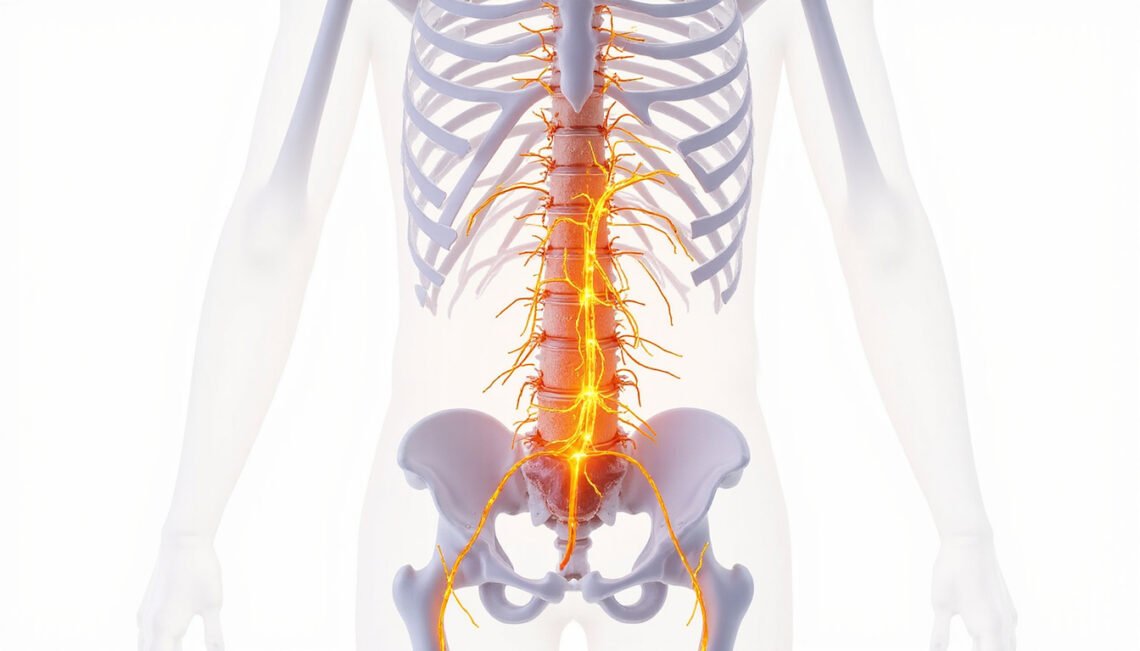
The sacral plexus is a web of nerves located deep in the pelvis, in front of the sacrum (the triangular bone at the base of the spine). It’s formed mainly by the spinal nerve roots of L4–L5 (from the lumbar spine) and S1–S4 (from the sacral spine).
These nerves bundle together and branch out to form major nerves that travel down each leg and into the pelvis, including:
- Sciatic nerve (the body’s largest nerve, running down the back of the leg)
- Pudendal nerve (supplying the pelvic floor, genitals, and anus)
- Superior and inferior gluteal nerves (to the gluteal muscles)
- Posterior femoral cutaneous nerve (providing skin sensation to the back of the thigh)
In simple terms: the sacral plexus is a control center for movement and sensation in your hips, buttocks, legs, feet, and parts of the pelvis.
Sacral Plexus Anatomy in Plain Language
Understanding basic anatomy helps you make sense of symptoms:
-
Location:
- Sits on the front surface of the sacrum
- Lies behind organs like the rectum and uterus (or bladder), and in front of muscles such as the piriformis
-
Function:
- Motor: Controls muscles that move the hips, knees, ankles, toes, and pelvic floor
- Sensory: Carries sensation (pain, temperature, touch) from much of the lower limbs and pelvic region
- Autonomic: Helps regulate bladder, bowel, and some sexual functions through connected pathways
Because it’s so central and so deeply located, sacral plexus pain can be widespread, hard to pinpoint, and often misdiagnosed.
Common Causes of Sacral Plexus Pain
Pain related to the sacral plexus isn’t a single condition but a group of possible problems affecting the nerve roots, plexus, or branches. Common causes include:
1. Nerve Compression or Entrapment
- Disc herniation in the lower lumbar or upper sacral region
- Spinal stenosis (narrowing of the spinal canal or foramina)
- Piriformis syndrome, where the sciatic nerve is compressed by the piriformis muscle
- Pelvic fractures or bone spurs narrowing nerve passageways
2. Trauma and Surgery
- Falls, car accidents, sports injuries to the pelvis or lower spine
- Hip or pelvic surgery, including joint replacement and spinal fusion
- Childbirth trauma, particularly with forceps, prolonged labor, or pelvic floor injury
3. Inflammation and Systemic Conditions
- Diabetic neuropathy affecting the lumbosacral plexus
- Inflammatory neuropathies (e.g., idiopathic lumbosacral radiculoplexus neuropathy)
- Autoimmune conditions that attack nerve tissue
- Infections (e.g., shingles near sacral nerve roots)
4. Tumors, Cysts, and Masses
- Benign tumors (schwannomas, neurofibromas)
- Malignant tumors or metastases pressing on the plexus
- Tarlov cysts or other fluid-filled sacs near the sacral nerves
- Gynecologic or colorectal cancers that invade or compress the plexus
5. Postural and Musculoskeletal Problems
- Long-term poor posture or sitting habits
- Muscle imbalances in the hips, lower back, and core
- Leg length discrepancy or altered gait patterns
- Chronic stress causing ongoing pelvic floor and hip muscle tension
Often, more than one factor is involved—for example, mild disc bulging plus tight hip muscles and prolonged sitting.
Symptoms: How Sacral Plexus Pain Feels
Because the sacral plexus connects to many regions, symptoms can vary widely. Typical patterns include:
Pain
- Deep aching in the lower back, buttocks, or pelvis
- Burning, stabbing, or electric-shock pain down the leg (similar to sciatica)
- Pain that may worsen with sitting, lifting, bending, or prolonged standing
- Pelvic or perineal pain, in some cases related to the pudendal branch
Numbness, Tingling, and Weakness
- Pins and needles in the buttocks, back of thighs, calves, or feet
- Patchy numbness around the groin, saddle area, or legs
- Muscle weakness—trouble climbing stairs, standing from a chair, or lifting the front of the foot
Pelvic and Bladder/Bowel Changes
Most sacral plexus issues do not cause severe organ dysfunction, but when they do, it’s urgent:
- New or worsening bladder or bowel incontinence or retention
- Loss of sensation in the inner thighs or genital/saddle area
- Severe, rapidly progressing weakness in both legs
These red-flag symptoms may signal cauda equina syndrome or serious nerve compression and demand immediate emergency care (same-day evaluation).
How Doctors Diagnose Sacral Plexus Problems
A thorough diagnosis looks beyond “back pain” to find the specific source of nerve irritation. Typical steps:
1. Medical History and Physical Exam
- Detailed questions about the onset, location, and pattern of pain
- Review of past injuries, surgeries, childbirths, and medical conditions
- Neurological exam checking reflexes, strength, sensation, and gait
- Provocative tests (e.g., straight-leg raise, hip rotation) to see what worsens or eases symptoms
2. Imaging Tests
- MRI of the lumbar spine and pelvis: Often the most useful for seeing discs, nerves, and soft tissues
- CT scan: Helpful for bone detail (fractures, bony overgrowth)
- Ultrasound: Sometimes used for guiding injections or examining superficial nerve entrapment
3. Electrodiagnostic Studies
- EMG (electromyography) and nerve conduction studies measure nerve and muscle function
- Help distinguish sacral plexus issues from purely spinal, muscular, or peripheral nerve problems
4. Lab Tests
- Blood tests for diabetes, infections, autoimmune disease, or vitamin deficiencies if suspected
- Occasionally, CSF (cerebrospinal fluid) analysis in complex inflammatory cases
Early and accurate diagnosis helps target treatment effectively and minimizes the risk of long-term nerve damage.

Conservative Treatments for Sacral Plexus Pain
Many people improve significantly with non-surgical care, especially when treatment starts early and addresses underlying causes.
Physical Therapy and Movement
A tailored physical therapy program is often the cornerstone of recovery:
- Gentle stretching of hip flexors, hamstrings, glutes, and piriformis
- Core and hip strengthening to stabilize the pelvis and lower back
- Postural training to reduce pressure on the sacral plexus
- Nerve gliding exercises (when appropriate) to improve nerve mobility
- Pelvic floor physical therapy for pelvic pain or pudendal nerve involvement
Programs are individualized; doing internet exercises randomly can worsen some conditions, so guidance matters.
Medications
- Anti-inflammatories (NSAIDs) such as ibuprofen or naproxen for pain and inflammation (short-term, under guidance)
- Neuropathic pain medications like gabapentin, pregabalin, or duloxetine
- Muscle relaxants if muscle spasm is a major contributor
- Topical treatments (lidocaine patches, capsaicin creams) for localized symptoms
Long-term opioid use is generally avoided for nerve pain unless carefully managed and other options are exhausted.
Injections and Interventional Procedures
For persistent or severe symptoms, your clinician may suggest:
- Epidural steroid injections near affected nerve roots
- Selective nerve blocks of the sacral plexus or its branches
- Trigger point injections into tight or spastic muscles (like the piriformis)
These can reduce inflammation, confirm diagnosis, and create a pain “window” in which you can build strength and mobility.
Lifestyle and Self-Care Strategies
- Ergonomic adjustments: Supportive chair, lumbar roll, frequent position changes
- Activity modification: Avoid prolonged sitting, heavy lifting, or high-impact workouts during flares
- Weight management: Reduces mechanical stress on spine and pelvis
- Stress reduction: Mindfulness, breathing exercises, or counseling to dial down pain sensitivity
Consistency—small, sustainable changes over time—is more important than perfection.
When Surgery or Advanced Treatments Are Needed
Most sacral plexus issues don’t require surgery, but it may be considered when:
- There is progressive weakness or serious nerve deficit
- Imaging shows clear structural compression (e.g., large herniated disc, tumor, severe stenosis)
- Conservative treatment fails over several months
- There’s cauda equina syndrome or other emergency conditions
Surgical options might include:
- Decompression surgery, removing parts of bone, disc, or other tissue pressing on nerves
- Tumor removal, if feasible
- Stabilization (fusion) when instability is a major factor
In certain chronic pain cases not suitable for surgery, doctors may discuss neuromodulation (such as spinal cord or peripheral nerve stimulation), where mild electrical pulses help disrupt pain signaling.
For reliable background on spinal nerve disorders, see resources from the National Institute of Neurological Disorders and Stroke (NINDS) (source).
Preventing Recurrence and Protecting the Sacral Plexus
Once symptoms are under control, prevention focuses on keeping the sacral plexus “un-irritated” over the long term:
-
Build a strong core and hips
- Continue PT exercises 2–3 times per week
- Prioritize glute, deep abdominal, and pelvic stability work
-
Move frequently
- Stand or walk briefly every 30–60 minutes if you sit for work
- Alternate between sitting and standing if possible
-
Maintain neutral spine posture
- Avoid slumped sitting and excessive arching
- Support your lower back, especially during driving or desk work
-
Lift and bend smartly
- Bend at hips and knees, keeping objects close to your body
- Avoid twisting while lifting or carrying
-
Manage chronic conditions
- Keep diabetes, autoimmune conditions, and weight under control
- Address mental health; anxiety and depression can amplify pain perception
FAQ: Sacral Plexus Pain and Related Issues
Q1: What is sacral plexus neuropathy and how is it treated?
Sacral plexus neuropathy refers to damage or dysfunction of the sacral plexus nerves, leading to pain, numbness, tingling, and sometimes weakness in the pelvis, buttocks, and legs. Causes include diabetes, inflammation, trauma, or compression by masses. Treatment depends on the cause: controlling underlying disease (e.g., blood sugar), medications for nerve pain, physical therapy, and sometimes injections or surgery for compressive lesions.
Q2: How is sacral plexus vs sciatic nerve pain different?
The sciatic nerve is a branch of the sacral plexus. If the problem is mainly in the sciatic nerve, pain and symptoms are often focused along the back of the thigh, calf, and foot. When the sacral plexus itself is involved, symptoms may be more widespread—affecting multiple nerve distributions, pelvic or perineal sensation, and sometimes both legs. Detailed examination and imaging help distinguish the two.
Q3: Can sacral plexus irritation cause pelvic floor and bladder problems?
Yes. Branches from the sacral plexus contribute to nerves supplying the pelvic floor and organs. Significant irritation or damage can cause pelvic pain, sexual dysfunction, or changes in bladder and bowel control. Mild issues may cause discomfort without major dysfunction, but any new bladder or bowel problems with low back or leg pain warrant prompt medical evaluation.
Take the Next Step Toward Sacral Plexus Pain Relief
Living with sacral plexus–related pain can be exhausting and isolating, but it is not something you have to simply “put up with.” Understanding where your pain comes from is the first step; the next is taking action with the right support.
If your symptoms match what you’ve read here, schedule an appointment with a spine specialist, neurologist, or physical therapist experienced in pelvic and lumbosacral conditions. Bring a written list of your symptoms, triggers, and questions so you can get clear answers and a targeted plan.
With a thoughtful diagnosis, evidence-based treatment, and consistent self-care, many people experience profound relief and return to the activities they value. Don’t wait for the pain to “get bad enough”—start addressing your sacral plexus health now and give yourself the best chance at long-term recovery.