If you’re experiencing discomfort or pain radiating from your lower back down through your legs, you might be dealing with sciatic nerve symptoms. Recognizing these signs early can make all the difference in managing the condition and finding effective relief. Sciatic nerve compression or irritation can be debilitating, but understanding the symptoms ensures you seek timely treatment and lessen the chances of chronic pain.
In this article, we’ll explore the top sciatic nerve symptoms you should never ignore, how to identify them, and what steps you can take for relief.
Understanding the Sciatic Nerve and Its Role
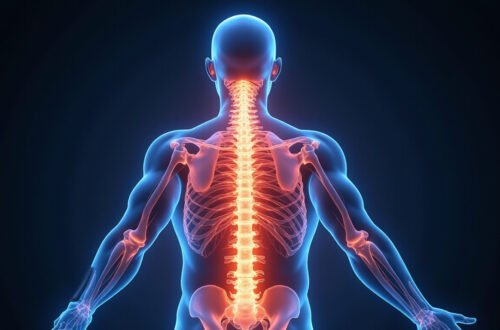
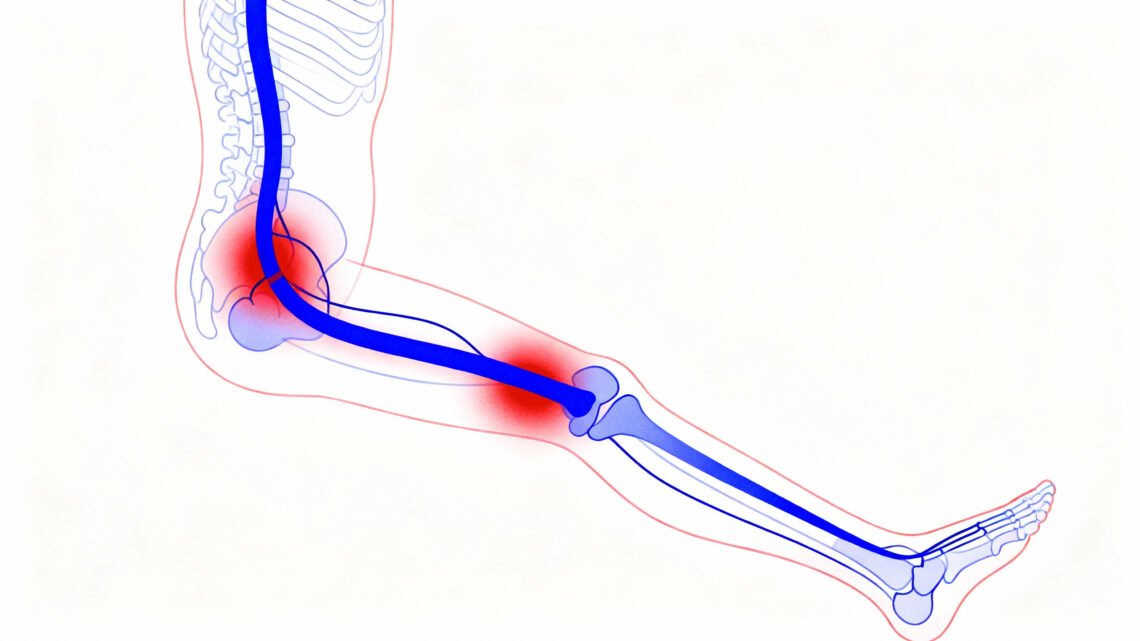
The sciatic nerve is the longest and thickest nerve in the human body. It originates from the lower spinal cord, runs through the buttocks, and extends down both legs. Because it transmits signals to and from the lower body, any irritation or compression can cause significant discomfort and nerve-related symptoms.
Common causes of sciatic nerve issues include herniated discs, spinal stenosis, piriformis syndrome, or even direct injury. Due to its extensive pathway, sciatic nerve symptoms can vary widely, making early detection critical to prevent further damage.
Top Sciatic Nerve Symptoms You Should Never Ignore
Understanding which symptoms require attention can help you avoid complications. Here are the key sciatic nerve symptoms commonly seen:
1. Persistent Lower Back Pain Radiating to the Legs
One of the hallmark sciatic nerve symptoms is persistent pain starting from the lower back or buttocks, traveling down the back of the thigh, calf, and sometimes reaching the foot. This pain often feels sharp, burning, or shooting — commonly described as “electric shock” sensations.
2. Numbness and Tingling Sensations
Sciatic nerve irritation often causes numbness or a pins-and-needles feeling, especially in the leg or foot. This may start subtly but tends to worsen over time if left unaddressed.
3. Muscle Weakness in the Affected Leg
Weakness in leg muscles, such as difficulty lifting your foot (foot drop) or frequent tripping, indicates that nerve signals are being disrupted. This symptom requires immediate medical evaluation as it can suggest nerve damage.
4. Difficulty Sitting or Standing for Long Periods
Pain or discomfort that intensifies when sitting or standing for prolonged periods is another red flag. Many patients find relief by changing positions or lying down, but persistent discomfort signals ongoing nerve irritation.

5. Sharp, Burning, or Electric Shock Nerve Pain
Unlike general muscle pain, sciatic nerve symptoms often include sharp, burning sensations or electrical shocks triggered by certain movements like coughing, sneezing, or bending.
6. Reduced Reflexes or Sensory Loss
If you notice decreased reflexes in your knee or ankle, or loss of sensation in your foot sole or toes, it’s essential to seek medical advice. These indicate significant nerve involvement that may require advanced treatment.
How to Distinguish Sciatic Nerve Symptoms from Other Conditions
Because leg or back pain can result from various causes, distinguishing sciatic nerve symptoms is crucial. Sciatic nerve pain usually:
- Occurs only on one side of the body
- Worsens with sitting or certain movements
- Is accompanied by neurological signs such as numbness, tingling, or weakness
If you experience bilateral leg pain or symptoms without neurological signs, alternative diagnoses like vascular issues or muscle strain might be likely.
Effective Ways to Find Relief for Sciatic Nerve Symptoms
Once you recognize the symptoms, timely intervention can prevent the progression of nerve damage. Here are proven strategies for relieving sciatic nerve symptoms:
1. Physical Therapy and Stretching Exercises
A tailored physical therapy plan targeting the lower back, hips, and hamstrings can reduce nerve irritation and improve flexibility. Stretching the piriformis muscle, which sometimes compresses the nerve, can be especially helpful.
2. Over-the-Counter Pain Medications
Nonsteroidal anti-inflammatory drugs (NSAIDs) such as ibuprofen can reduce inflammation and alleviate pain. However, these should be used cautiously and only as a short-term solution.
3. Heat and Cold Therapy
Alternating heat packs and cold compresses applied to the lower back can decrease muscle spasms and swelling, providing temporary relief.
4. Maintaining Proper Posture
Good posture reduces pressure on the lower back and sciatic nerve. Avoid slouching and use ergonomic chairs that support the lumbar spine.
5. Lifestyle Modifications and Weight Management
Excess weight puts added stress on your spine and nerves. Incorporate low-impact exercises such as swimming or walking and maintain a balanced diet to support spinal health.
6. Medical Treatments for Severe Cases
When conservative measures fail, your doctor may recommend corticosteroid injections, nerve blocks, or surgery in rare instances (source).
Quick Guide: When to See a Doctor for Sciatica
To help you know when it’s critical to seek professional care, here’s a checklist:
- Severe or worsening leg pain unrelieved by rest
- Progressive muscle weakness or numbness
- Loss of bladder or bowel control (emergency)
- Pain following a traumatic injury
- Symptoms lasting longer than a few weeks without improvement
FAQ About Sciatic Nerve Symptoms
Q1: What are some early signs of sciatic nerve problems?
A: Early signs include mild lower back pain radiating to one leg, tingling sensations, or slight numbness. Early recognition allows prompt treatment and prevents worsening.
Q2: How can I tell if my leg pain is due to sciatic nerve issues or something else?
A: Sciatic nerve pain usually involves one side, travels down the leg, and may have associated numbness or weakness. Pain from other causes may be localized without neurological symptoms.
Q3: Are sciatic nerve symptoms permanent if untreated?
A: If ignored, prolonged nerve compression can lead to irreversible damage. However, many cases improve significantly with early treatment and lifestyle changes.
Conclusion: Don’t Ignore Sciatic Nerve Symptoms—Take Action for Relief Today
Ignoring sciatic nerve symptoms can lead to chronic pain, decreased mobility, and irreversible nerve damage. If you experience persistent lower back pain accompanied by leg numbness, tingling, or weakness, it’s essential to act promptly. Early diagnosis, combined with lifestyle modifications and appropriate medical treatment, can restore your quality of life and reduce discomfort.
Take control of your health now—listen to your body’s signals, consult a healthcare professional if needed, and adopt strategies to relieve sciatic nerve symptoms. Your path to pain relief and improved mobility starts with awareness and timely intervention.
For comprehensive guidance on managing sciatica, visit resources such as the Mayo Clinic’s detailed overview of sciatica symptoms and treatment to stay informed and proactive.