Sciatica diagnosis is a crucial step for anyone experiencing lower back pain that radiates down the leg. Proper identification of this condition ensures that sufferers receive the most effective treatment, alleviating pain and improving mobility. Sciatica stems from irritation or compression of the sciatic nerve, often caused by herniated discs, spinal stenosis, or other underlying issues. Understanding the diagnostic process empowers patients and healthcare providers to work together toward relief and recovery.
In this comprehensive guide, we will explore the essential steps involved in sciatica diagnosis and review the treatment options available for managing this common and sometimes debilitating condition.
Understanding Sciatica and Its Symptoms
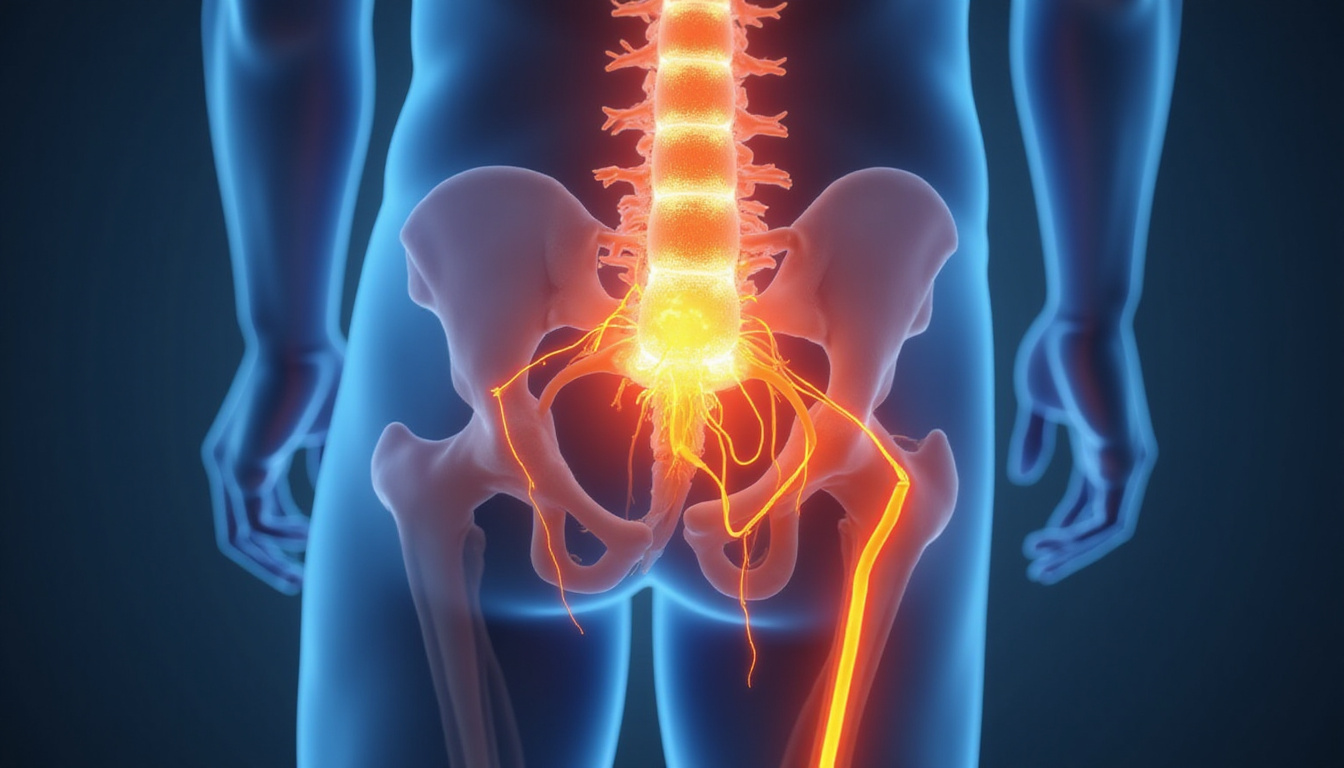
Sciatica is characterized by pain that travels along the path of the sciatic nerve, which extends from the lower spine through the hips, buttocks, and down each leg. Not every type of lower back pain qualifies as sciatica. The hallmark symptoms include:
- Sharp, shooting pain radiating from the lower back to the leg
- Numbness or tingling sensations in the leg or foot
- Muscle weakness in the affected leg
- Difficulty standing or walking due to pain
Recognizing these symptoms early facilitates a timely sciatica diagnosis, preventing further nerve damage and improving outcomes.
Key Steps to an Accurate Sciatica Diagnosis
The diagnostic process involves a combination of medical history review, physical examinations, and imaging tests. Here are the main steps healthcare providers follow when diagnosing sciatica:
1. Medical History Evaluation
The physician will begin by gathering detailed information about your symptoms, including:
- When the pain started and its severity
- Specific locations where the pain radiates
- Activities that worsen or alleviate the pain
- Any history of injury, spinal conditions, or chronic illnesses
This information helps narrow down potential causes and guides the physical assessment.
2. Physical Examination
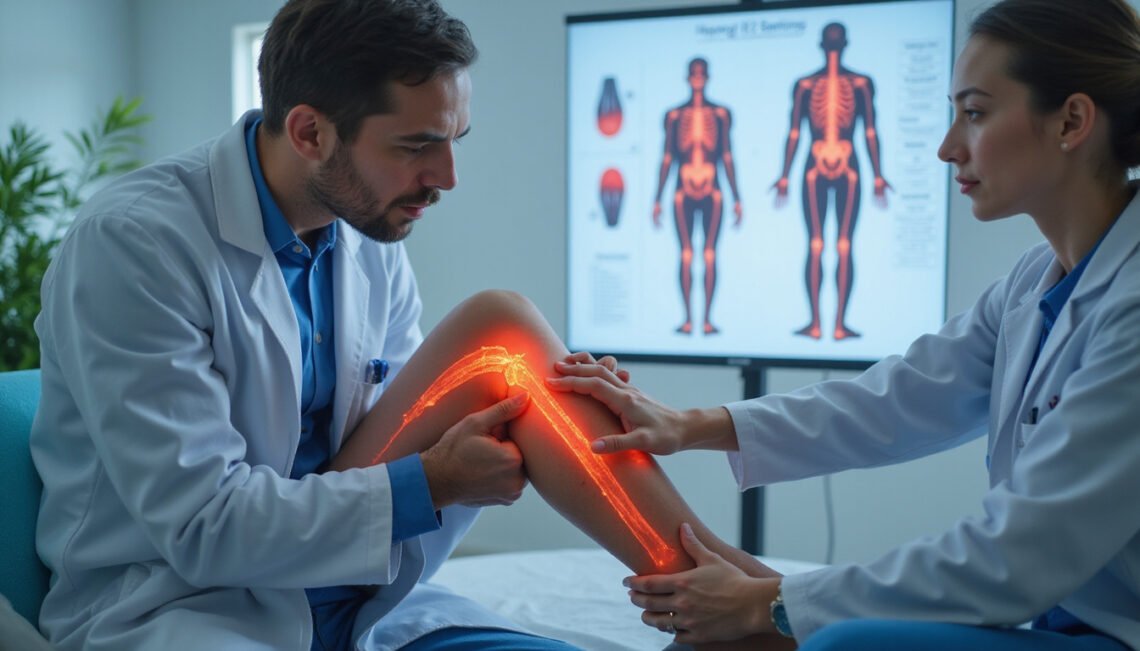
A thorough physical exam evaluates nerve function and musculoskeletal health. Key components include:
- Straight Leg Raise Test: The patient lies on their back, and the physician raises the leg to see if this reproduces sciatic pain, indicating nerve irritation.
- Neurological Tests: Reflexes, muscle strength, and sensory responses are assessed to detect nerve impairment.
- Range of Motion Checks: Testing how well the spine and legs move to identify restrictions or pain triggers.
3. Imaging and Diagnostic Tests
While physical evaluation lays the groundwork, imaging provides visual confirmation of nerve issues or structural problems. Common tests include:
- Magnetic Resonance Imaging (MRI): The gold standard for sciatica diagnosis, MRI provides detailed images of soft tissues, nerves, and discs to detect herniations or stenosis.
- Computed Tomography (CT) Scan: Useful if MRI is contraindicated, especially combined with myelography to visualize spinal canal obstructions.
- X-rays: Though less detailed, they help rule out fractures, tumors, or infections.
- Electromyography (EMG): Measures electrical activity in muscles to identify nerve damage.
According to the American Academy of Orthopaedic Surgeons, MRI is often the most informative tool in diagnosing sciatica causes (source).
Common Causes Identified Through Sciatica Diagnosis
Once sciatica is confirmed, the next step is determining the root cause, which might include:
- Herniated or bulging lumbar discs compressing nerve roots
- Degenerative disc disease leading to nerve irritation
- Spinal stenosis narrowing the spinal canal
- Spondylolisthesis causing vertebra displacement
- Piriformis syndrome where the muscle irritates the sciatic nerve
Accurate diagnosis of the underlying cause is essential to tailor effective treatment.
Treatment Options After Sciatica Diagnosis
Treatment selection depends on the severity and cause identified from the sciatica diagnosis. Approaches typically begin conservatively and escalate if necessary.
1. Conservative Therapies
Most patients improve without surgery through:
- Physical Therapy: Targeted exercises to strengthen back muscles, increase flexibility, and relieve nerve pressure.
- Medications: Nonsteroidal anti-inflammatory drugs (NSAIDs), muscle relaxants, or oral steroids to reduce inflammation and pain.
- Heat/Ice Therapy: Applied to relieve muscle spasms and dull nerve pain.
- Activity Modification: Avoiding positions or activities that exacerbate symptoms.
2. Injection Therapies
If pain persists, epidural steroid injections may help reduce inflammation around the irritated nerve, providing relief often lasting several months.
3. Surgical Interventions
Surgery is considered when conservative treatments fail or if neurological deficits worsen. Common procedures include:
- Discectomy: Removal of a herniated disc portion pressing on the nerve
- Laminectomy: Removal of bone or tissue causing spinal stenosis
- Foraminotomy: Widening the passageway where the nerve exits the spine
Decisions about surgery follow a careful sciatica diagnosis and assessment of risks versus benefits.
When to Seek Medical Attention for Sciatica
It’s advisable to consult a healthcare professional promptly if you experience any of the following along with sciatica symptoms:
- Severe or worsening leg weakness
- Loss of bladder or bowel control
- Constant or progressive numbness in the groin or buttocks
- Symptoms that do not improve with initial treatment
Prompt intervention after an accurate sciatica diagnosis can prevent permanent nerve damage.
Sciatica Diagnosis: Summary Checklist
To recap, here’s a checklist outlining the pathway to identifying and managing sciatica:
- Recognize characteristic symptoms: leg pain, numbness, weakness
- Provide detailed medical history to your doctor
- Undergo physical examinations, including straight leg raise
- Complete imaging tests (preferably MRI) to visualize nerve problems
- Identify the underlying cause (disc herniation, stenosis, etc.)
- Start with conservative treatment like physical therapy and medication
- Consider injections or surgery if pain persists or worsens
- Monitor for red-flag symptoms requiring emergency care
FAQ About Sciatica Diagnosis
Q1: How long does it take to get a sciatica diagnosis?
Typically, initial evaluations and physical exams can occur in one or two visits. If imaging or specialist consultations are needed, the complete diagnosis process might take a few weeks.
Q2: Can sciatica be diagnosed without an MRI?
Yes, initial diagnosis is often based on physical examination and symptom history. However, MRI provides critical detail for confirming causes and planning treatment.
Q3: Are there any home tests to diagnose sciatica?
While some self-tests like the straight leg raise can indicate sciatica, formal diagnosis requires a professional evaluation to avoid misdiagnosis and to guide treatment safely.
An accurate sciatica diagnosis is the cornerstone for successful management of this painful condition. By following the steps outlined above and partnering with knowledgeable healthcare providers, patients can find relief and restore quality of life. If you or a loved one are struggling with symptoms suggestive of sciatica, don’t delay—seek evaluation today to unlock a targeted treatment plan tailored to your needs. Early diagnosis paired with personalized care is your pathway to lasting comfort and mobility.