Sciatica diagnosis can be a challenging yet essential process for those experiencing pain radiating along the sciatic nerve path. This nerve runs from the lower back, through the hips and buttocks, down each leg. Accurate identification of sciatica is crucial for effective treatment and relief, helping patients avoid prolonged discomfort or complications. Understanding the key steps in sciatica diagnosis empowers individuals and healthcare professionals to pinpoint the source and tailor appropriate interventions.
In this article, we will explore the critical components of sciatica diagnosis, highlighting methods healthcare providers use to assess symptoms, perform examinations, and utilize imaging tests. We will also review treatment options that can provide timely relief once diagnosis is confirmed.
Understanding Sciatica: What Causes the Pain?
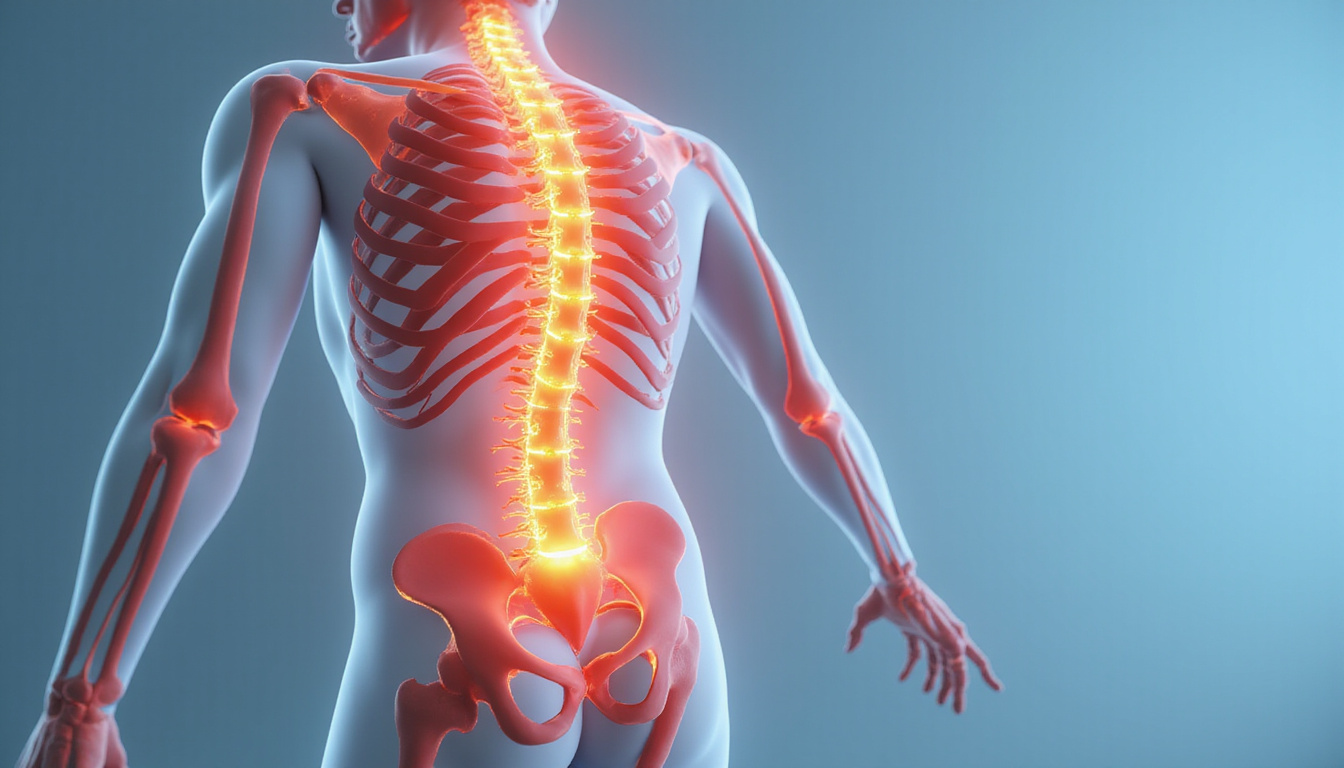
Before diving into the diagnostic process, it’s important to understand what sciatica is and what typically causes it. Sciatica is not a condition itself but a symptom characterized by pain along the sciatic nerve pathway, often caused by nerve irritation or compression. Common causes include:
- Herniated or slipped discs in the lumbar spine
- Spinal stenosis (narrowing of the spinal canal)
- Degenerative disc disease
- Piriformis syndrome (spasm of the piriformis muscle)
- Spondylolisthesis (vertebra displacement)
Since these issues may produce similar symptoms, a precise sciatica diagnosis is necessary to determine the underlying cause and guide treatment.
Key Steps in Sciatica Diagnosis
1. Comprehensive Medical History
The first step in an effective sciatica diagnosis is gathering a detailed medical history. Healthcare providers ask about:
- The nature and onset of pain (sharp, burning, dull)
- Pain location and whether it travels down the leg
- Activities or postures that worsen or improve symptoms
- Presence of numbness, tingling, or muscle weakness
- Previous injuries or spinal problems
- Impact on daily activities and sleep
A thorough history helps distinguish sciatica from other types of back or leg pain and directs the subsequent physical examination.
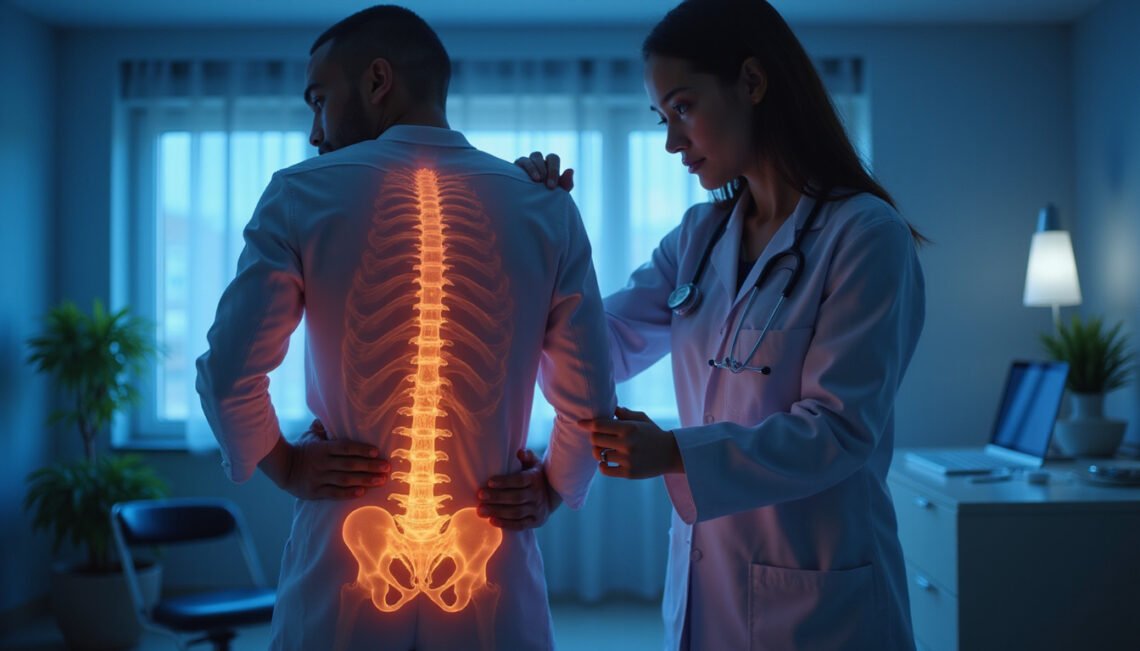
2. Physical Examination
Next, the clinician performs a targeted physical exam to assess neurological function and identify nerve involvement. This typically includes:
- Straight Leg Raise Test: The patient lies flat, and the clinician raises the leg while keeping the knee straight. Pain radiating down the leg between 30 to 70 degrees suggests nerve root irritation.
- Neurological Assessment: Tests for muscle strength, reflexes, and sensation in the lower limbs. Weakness or sensory loss in specific nerve root distributions helps localize the problem.
- Gait and Posture Evaluation: Observing how the patient walks and stands can reveal compensatory patterns due to pain or nerve dysfunction.
These assessments together provide critical clues for confirming sciatica and its severity.
3. Diagnostic Imaging
While history and physical exam often strongly indicate sciatica, imaging tests clarify the exact cause of nerve compression or irritation. Common imaging modalities include:
- MRI (Magnetic Resonance Imaging): The preferred method as it provides detailed views of discs, nerves, and soft tissues without radiation exposure. MRI can identify herniated discs, spinal stenosis, or tumors causing sciatica.
- CT Scan: Used if MRI is contraindicated, offering good bone detail but less soft tissue contrast.
- X-rays: Primarily useful for detecting vertebral alignment issues but less helpful for nerve root compression.
- Electromyography (EMG): Measures electrical activity of muscles to detect nerve dysfunction, helping confirm nerve root involvement.
Imaging helps rule out other conditions mimicking sciatica and guides treatment decisions.
4. Differential Diagnosis to Rule Out Other Causes
Achieving an accurate sciatica diagnosis also requires differentiating from other conditions with overlapping symptoms, such as:
- Peripheral neuropathies
- Hip joint disorders (arthritis or bursitis)
- Vascular issues like deep vein thrombosis
- Sacroiliac joint dysfunction
The diagnostic process integrates all clinical findings and test results to exclude these alternatives and confirm true sciatica.
Treatment Options Following Diagnosis
Once an accurate sciatica diagnosis is made, targeted treatment can begin. Many patients improve with conservative approaches including:
- Physical Therapy: Exercises to strengthen the back and core muscles, improve flexibility, and relieve nerve pressure.
- Medications: Nonsteroidal anti-inflammatory drugs (NSAIDs), muscle relaxants, and sometimes corticosteroids.
- Activity Modification: Avoiding aggravating activities while maintaining gentle movement.
- Heat and Cold Therapy: To reduce inflammation and soothe muscle spasms.
For persistent or severe cases, options may include epidural steroid injections or, rarely, surgery such as discectomy or laminectomy to relieve nerve compression.
Summary: Steps to Accurate Sciatica Diagnosis
To recap, the essential steps that constitute a thorough sciatica diagnosis are:
- Detailed patient history focused on pain characteristics and functional impact
- Targeted physical and neurological examinations
- Use of imaging studies, primarily MRI, to identify the underlying spinal issue
- Careful differentiation from other causes of leg or back pain
Following these steps ensures patients receive the correct diagnosis and appropriate treatment plan.
Frequently Asked Questions About Sciatica Diagnosis
Q1: How soon should I see a doctor for sciatica diagnosis?
If you experience leg pain extending below the knee accompanied by numbness or weakness, it’s important to consult a healthcare professional promptly to avoid worsening symptoms.
Q2: Can sciatica be diagnosed without an MRI?
Yes, doctors often diagnose sciatica through clinical examination and history alone, but MRI is useful when symptoms persist or surgery is considered.
Q3: How is sciatica different from general lower back pain?
Unlike general back pain, sciatica involves nerve root irritation causing pain that radiates down the leg, often with neurological signs like numbness or muscle weakness.
Final Thoughts: Take Control of Your Sciatica Diagnosis and Relief
Accurate sciatica diagnosis is the cornerstone of effective pain management and improved quality of life. By understanding the key diagnostic steps—from history and exam to imaging—you can ensure that your symptoms are correctly evaluated and treated. If you or a loved one are experiencing signs of sciatica, don’t hesitate to seek professional assessment to start the journey toward pain relief.
For more in-depth information on sciatica diagnosis and treatment options, visit the American Academy of Orthopaedic Surgeons (AAOS) website, a trusted resource for musculoskeletal health (source).
Take the first step today: consult your healthcare provider to get a comprehensive sciatica diagnosis and put yourself on the path to recovery and renewed mobility.