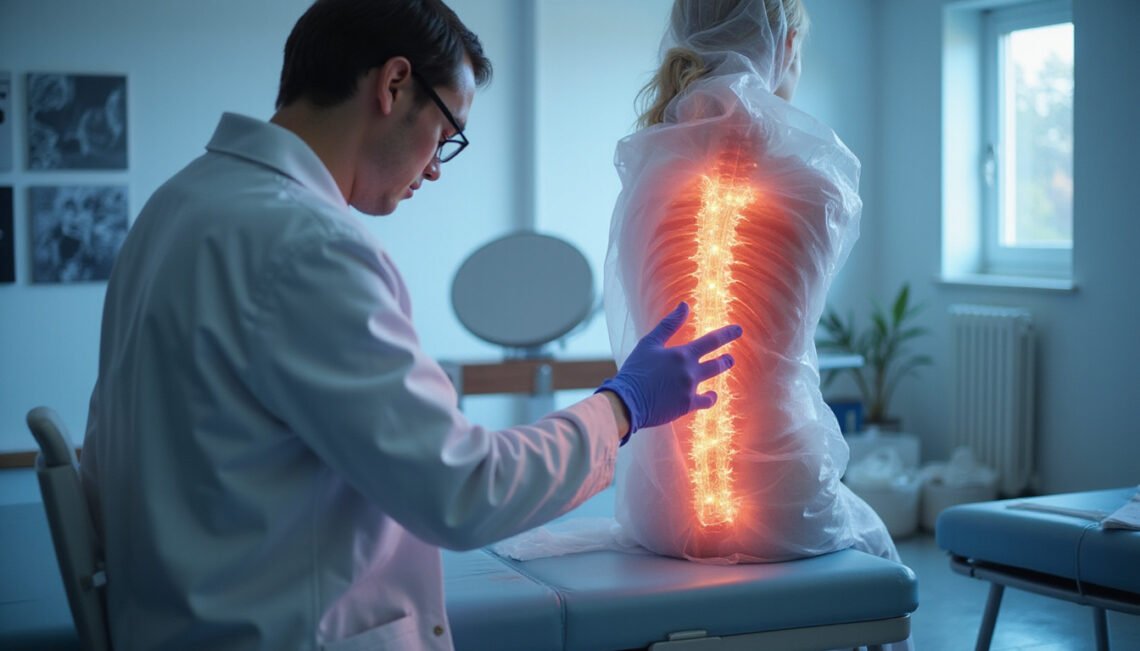
If you’ve been experiencing persistent lower back pain radiating down your legs, you might be dealing with sciatica. Sciatica diagnosis is essential to identify the underlying cause and develop an effective treatment plan to alleviate symptoms and improve quality of life. This article will guide you through the key symptoms of sciatica, how healthcare professionals diagnose the condition, and the most effective treatment options available today.
Understanding Sciatica: What is It?
Sciatica refers to pain that follows the path of the sciatic nerve—the longest nerve in the body—which runs from the lower back down through the buttocks and into each leg. When this nerve becomes compressed or irritated, it causes localized pain, numbness, and tingling sensations that radiate down the leg. Unlike general lower back pain, sciatica is characterized by its distinctive pattern and symptoms.
Key Symptoms of Sciatica
Recognizing symptoms early can speed up a sciatica diagnosis and ensure timely treatment. The hallmark symptoms include:
- Radiating pain: Pain originating in the lower back or buttock and traveling down one leg, sometimes reaching the foot.
- Numbness and tingling: A sensation of pins and needles, usually affecting one leg or foot.
- Muscle weakness: The affected leg or foot may feel weak or difficult to move.
- Sharp or burning pain: The pain can range from mild to severe and is often exacerbated by sitting, standing for long periods, or sudden movements.
- Reduced reflexes: In some cases, reflexes in the knee or ankle may diminish.
If you notice these symptoms, especially unilateral leg pain coinciding with lower back discomfort, a thorough sciatica diagnosis by a medical professional is crucial.
How Is Sciatica Diagnosis Performed?
Diagnosing sciatica involves a combination of patient history, physical examination, and sometimes imaging tests. Here’s an overview of the process:
1. Medical History Evaluation
Your physician will begin by discussing your symptoms, their onset, and whether any activities worsen or relieve the pain. A history of trauma, pre-existing spinal conditions, or prolonged sitting jobs may provide clues.
2. Physical and Neurological Exam
During the physical exam, your doctor will observe your gait, posture, and movement. They may perform certain maneuvers like the straight leg raise test, which involves lifting the extended leg to check if it triggers sciatic pain. Neurological tests assess muscle strength, reflexes, and sensory responses in the legs and feet to pinpoint nerve involvement.
3. Imaging Studies
If initial assessments suggest sciatica, imaging tests such as MRI (Magnetic Resonance Imaging) or CT scans are often ordered to identify the exact cause of nerve compression. These could include herniated discs, spinal stenosis, or bone spurs pressing on the nerve roots.

Common Causes Behind Sciatica
Understanding what causes sciatic nerve irritation helps tailor treatment:
- Herniated or slipped disc: The most frequent cause. A disc ruptures and presses on nerve roots.
- Spinal stenosis: Narrowing of the spinal canal compresses nerves.
- Piriformis syndrome: Muscle spasms in the piriformis muscle irritate the sciatic nerve.
- Degenerative disc disease: Age-related wear and tear affects the spine.
- Spondylolisthesis: Alignment issues where one vertebra slips over another.
Effective Treatment Options for Sciatica
Once sciatica diagnosis confirms the problem, numerous treatment avenues ranging from conservative therapies to surgical options can be considered.
Non-surgical Treatments
Most cases improve with non-invasive treatments:
- Physical therapy: Customized exercises help strengthen back muscles, improve flexibility, and reduce nerve pressure.
- Medications: Pain relievers such as NSAIDs (ibuprofen) or muscle relaxants control inflammation and spasms.
- Heat and cold therapy: Applying ice packs or heating pads can alleviate pain.
- Epidural steroid injections: Corticosteroid shots around the affected nerve help reduce inflammation.
- Lifestyle modifications: Avoiding prolonged sitting, incorporating gentle stretching, and ergonomic adjustments at work reduce symptoms.
Surgical Interventions
Surgery is generally reserved for severe cases where conservative treatments fail or if there is significant nerve damage:
- Microdiscectomy: Minimally invasive removal of herniated disc fragments pressing on the nerve.
- Laminectomy: Removing part of the vertebra to relieve pressure in spinal stenosis.
- Spinal fusion: Stabilizing the spine in cases of spondylolisthesis.
Consulting with a spine specialist helps decide the appropriate course based on severity and individual health.
Supporting Lifestyle Habits to Manage Sciatica
In addition to medical treatment, several habits can support symptom relief and prevent sciatica from recurring:
- Maintain good posture while sitting and standing.
- Engage in regular low-impact aerobic activities like walking or swimming.
- Practice core-strengthening exercises to support the spine.
- Use chairs and mattresses that support spinal alignment.
- Avoid heavy lifting or twisted spinal movements.
Frequently Asked Questions About Sciatica Diagnosis
Q1: How quickly should I seek a sciatica diagnosis if I experience symptoms?
A: You should consult a healthcare provider as soon as symptoms of radiating leg pain or numbness appear, especially if the pain worsens or is accompanied by muscle weakness. Early diagnosis can prevent complications.
Q2: Can sciatica diagnosis be confirmed with just a physical exam?
A: While physical exams provide important clues, imaging tests like MRI are often needed to confirm sciatica and identify its cause thoroughly.
Q3: Are there any at-home tests or remedies to help with sciatica before a formal diagnosis?
A: Home remedies such as rest, ice/heat application, and gentle stretching may relieve symptoms temporarily. However, self-diagnosis is not recommended. Seeking professional evaluation ensures accurate sciatica diagnosis and treatment.
Conclusion: Take Control of Your Pain with an Accurate Sciatica Diagnosis Today
Sciatica can significantly impact your mobility and overall wellbeing, but with the right diagnosis and targeted treatment, relief is achievable. If you or a loved one is experiencing symptoms consistent with sciatica, don’t delay in consulting a healthcare professional for a comprehensive sciatica diagnosis. Early intervention with physical therapy, medication, or other treatments can prevent long-term complications and get you back to living pain-free. To learn more about managing sciatica effectively, visit the Mayo Clinic’s detailed guide on sciatica (source).
Take charge of your spine health today—schedule a consultation and begin your journey toward recovery!