
Chronic sciatica pain can significantly impact your quality of life, making everything from walking to sitting a painful ordeal. If you’re searching for a targeted treatment, sciatica nerve blocks offer a promising solution. This intervention involves injecting medication near the sciatic nerve to reduce inflammation and alleviate pain. In this article, you will discover how sciatica nerve blocks work, their benefits, potential risks, and what to expect during the treatment process.
Understanding Sciatica and Its Causes
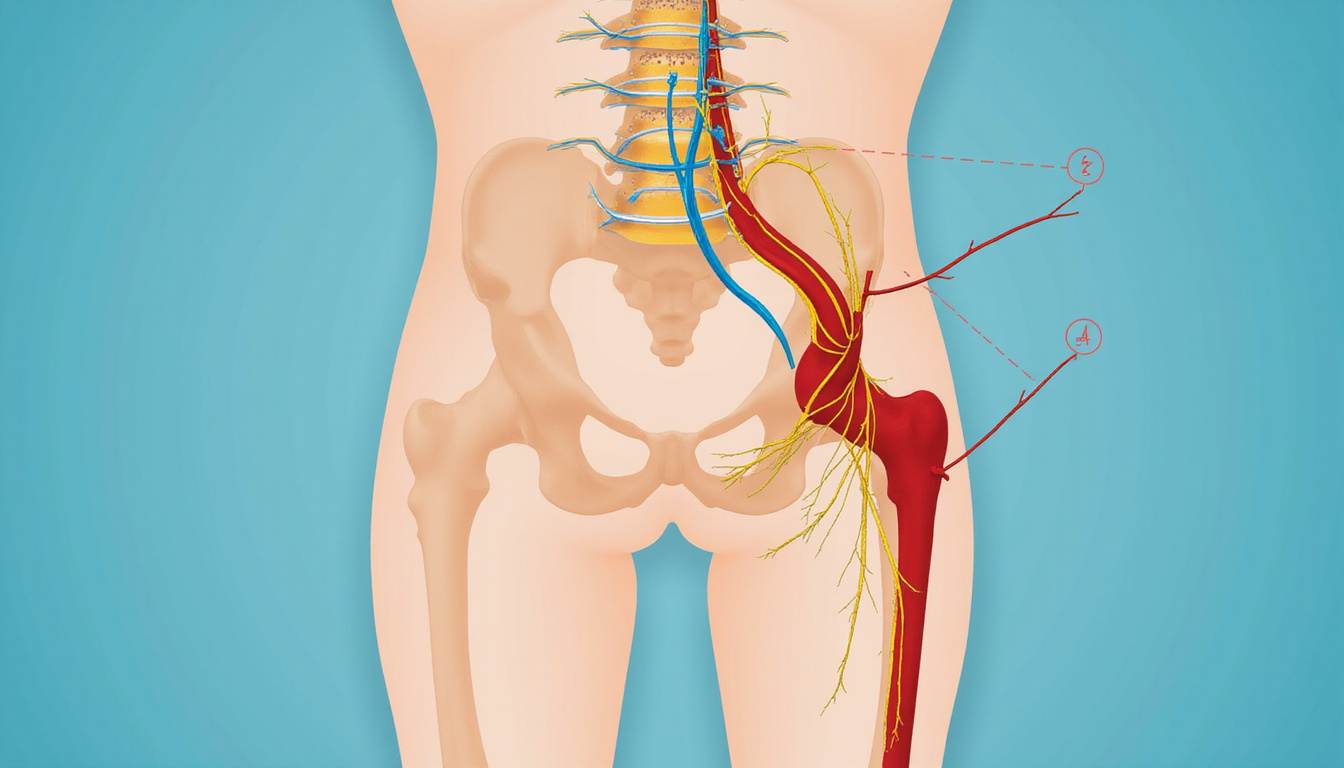
Sciatica refers to pain that radiates along the sciatic nerve’s path, which runs from your lower back through the hips, buttocks, and down each leg. Though the symptoms may vary from mild to severe, sciatica is most often caused by a herniated disc, spinal stenosis, or piriformis syndrome compressing or irritating the sciatic nerve roots.
Common Symptoms of Sciatica Include:
- Sharp, shooting pain in the lower back and leg
- Numbness or tingling sensations down the leg
- Muscle weakness in the affected leg
- Difficulty standing up or walking
Prompt management of sciatica is critical, especially for chronic cases, as prolonged nerve irritation can lead to lasting damage or debilitating pain.
What Are Sciatica Nerve Blocks?
Sciatica nerve blocks involve an injection of an anesthetic and often a corticosteroid directly around the sciatic nerve or its roots. The medication aims to “block” pain signals traveling from the nerve to the brain while reducing inflammation. These injections not only provide immediate pain relief but can also serve as a diagnostic tool to help identify the exact source of pain.
How the Procedure Works:
- You will be positioned comfortably, and the injection site is cleaned.
- A local anesthetic may be applied to numb the area.
- Using fluoroscopy (a live X-ray), the physician guides a needle to the nerve root area.
- The medication is carefully injected near the nerve.
- The patient is monitored briefly post-injection for any side effects.
This minimally invasive procedure usually takes less than 30 minutes and can be performed on an outpatient basis.
Benefits of Sciatica Nerve Blocks for Chronic Pain Relief
Sciatica nerve blocks have become increasingly popular due to their ability to efficiently manage chronic sciatic pain without the need for surgery. Here are some key advantages:
- Targeted Pain Relief: Direct medication delivery to the irritated nerve decreases inflammation and reduces pain intensity.
- Diagnostic Clarity: Relief after injection confirms the source of pain, helping doctors tailor further treatments.
- Reduced Dependency on Oral Medications: Nerve blocks can decrease the need for long-term opioid or anti-inflammatory drugs that have systemic side effects.
- Improved Mobility: Less pain often translates into enhanced physical function and quality of life.
- Minimally Invasive: Compared to surgical options, nerve blocks carry fewer risks and require minimal recovery time.
These benefits make sciatica nerve blocks an appealing option for patients who haven’t had sufficient relief through physical therapy or medication.
Who Is a Good Candidate for Sciatica Nerve Blocks?
Not everyone with sciatica pain is an immediate candidate for nerve block treatment. It is best suited for individuals who:
- Have persistent sciatica pain lasting more than a few weeks despite conservative care
- Experience inflammation and nerve irritation confirmed by imaging studies
- Seek pain relief without undergoing surgery
- Do not have an active infection, bleeding disorders, or allergies to injection components
Your healthcare provider will evaluate your medical history, imaging results, and symptoms to determine if you qualify for this intervention.
Potential Risks and Side Effects
While generally safe, sciatica nerve blocks can have some side effects or complications, which should be considered before proceeding:
- Temporary increase in pain after the injection
- Infection at the injection site
- Allergic reaction to anesthetic or steroid
- Minor bleeding or bruising
- Nerve damage (rare)
Experienced physicians minimize these risks through proper sterilization techniques and careful needle placement. Always discuss your concerns with your doctor before the procedure.
Post-Injection Care and Recovery
After receiving a sciatica nerve block, most patients experience some immediate pain relief, although maximum benefits may develop over several days. Here are some post-treatment recommendations:
- Rest: Avoid strenuous activities for at least 24 hours.
- Monitor: Watch for signs of infection, increased pain, or unusual symptoms and report them promptly.
- Pain Diary: Keep a log of pain levels to assess the injection’s effectiveness.
- Follow-up: Attend all scheduled appointments to discuss outcomes and plan future treatments.
Some people may require multiple injections spaced weeks apart to achieve optimal relief.
Frequently Asked Questions About Sciatica Nerve Blocks
1. How long does pain relief from sciatica nerve blocks typically last?
The duration can vary widely. Some patients enjoy several months of significant relief, while others may experience shorter benefits. Repeat injections may be necessary to maintain comfort.
2. Can sciatica nerve blocks be used alongside other treatments?
Yes, nerve blocks are often combined with physical therapy, medications, or lifestyle changes to provide comprehensive pain management.
3. Are sciatica nerve blocks painful?
Patients usually feel minimal discomfort during the injection. Local anesthesia helps numb the area, and most describe the sensation as minor pressure or brief stinging.
Conclusion: Should You Consider Sciatica Nerve Blocks?
For those living with chronic sciatica pain, finding effective relief can feel like an uphill battle. Sciatica nerve blocks provide a minimally invasive, targeted treatment option with a track record of reducing pain and improving function. By disrupting inflammatory signals at the nerve root, these injections can be a vital part of your pain management plan.
If conservative treatments have failed you, consult a pain specialist or spine specialist to discuss whether sciatica nerve blocks could be right for you. Don’t let chronic sciatica hold you back—take the first step toward relief today.
For additional information and guidelines on interventional pain management, visit the American Society of Interventional Pain Physicians (ASIPP) website (source).
Discover the difference that targeted sciatica nerve blocks can make. Reach out to a qualified pain management specialist near you and reclaim your life from chronic sciatica pain. Your journey to comfort starts now!