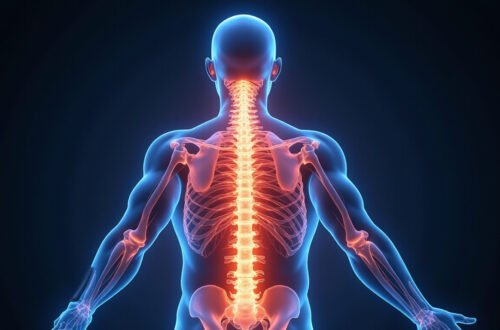
Sciatica nerve pain relief is a priority for millions of people dealing with the sharp, radiating pain that travels along the sciatic nerve. This nerve runs from the lower back down the legs, and when irritated or compressed, it causes symptoms ranging from mild discomfort to severe, debilitating pain. Finding effective methods to alleviate this pain quickly can dramatically improve quality of life. In this article, we’ll explore various strategies for sciatica nerve pain relief, helping you manage your symptoms and regain your mobility.
Understanding Sciatica and Its Causes
Sciatica isn’t a condition itself but rather a symptom of an underlying issue affecting the sciatic nerve. Common causes include:
- Herniated or slipped discs compressing the nerve roots
- Spinal stenosis (narrowing of the spinal canal)
- Piriformis syndrome, where the piriformis muscle irritates the nerve
- Degenerative disc disease or bone spurs
Identifying the right cause of your sciatica nerve pain is essential to choosing effective relief strategies. If your pain is severe or persistent, a medical evaluation is strongly recommended.
Immediate Steps for Sciatica Nerve Pain Relief
When sciatica strikes, the primary goal is to reduce pain and inflammation quickly. Here are some immediate relief techniques:
1. Apply Ice or Heat Therapy
- Ice therapy helps reduce inflammation and numb sore tissues in the first 48 hours after the pain starts. Apply an ice pack wrapped in a towel for 15-20 minutes several times a day.
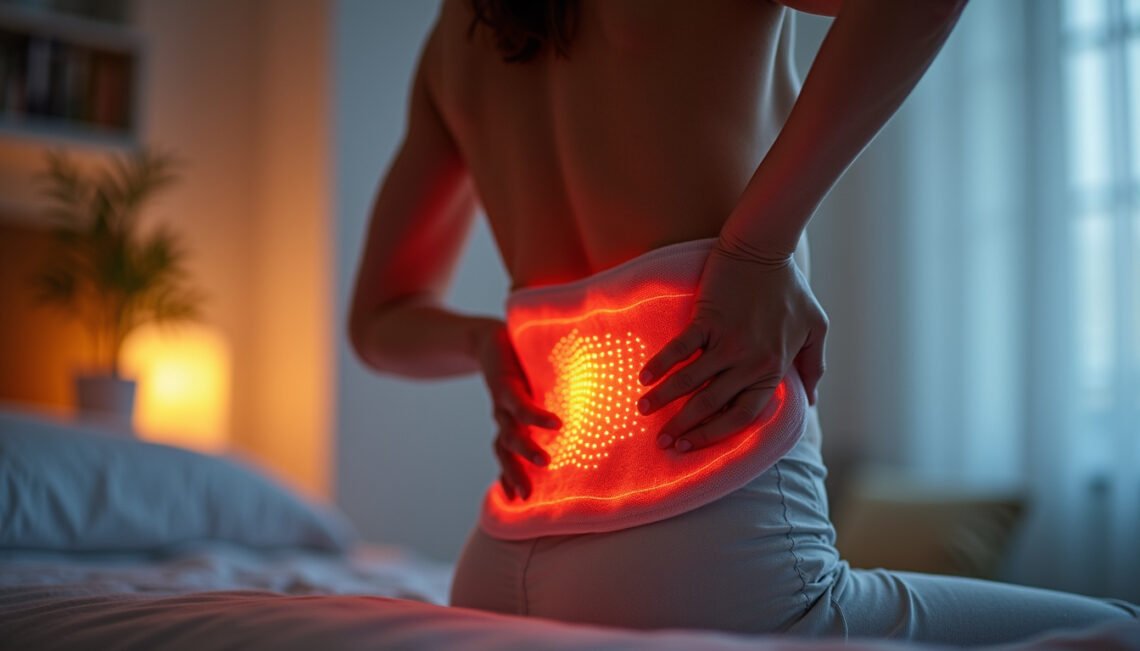
- Heat therapy can relax muscles and improve blood flow for pain lasting more than two days. Use a heating pad or warm towel for 20 minutes on the affected area.
2. Over-the-Counter Medications
Nonsteroidal anti-inflammatory drugs (NSAIDs), such as ibuprofen or naproxen, are effective for reducing pain and swelling. Always follow dosing instructions, and consult your doctor if you have underlying health concerns.
3. Gentle Movement and Stretching
While resting briefly can help, prolonged inactivity can worsen sciatica. Gentle stretching exercises targeting the lower back, hamstrings, and piriformis muscle can relieve nerve compression. For example:
- Piriformis stretch: Lie on your back, cross your right ankle over the left knee, and gently pull your left thigh toward your chest until you feel a stretch in your buttock. Hold 30 seconds and switch sides.
- Hamstring stretch: Sit on the floor with one leg straight and reach toward your toes, feeling a stretch along the back of the leg.
Long-Term Sciatica Nerve Pain Relief Strategies
For sustained relief and to prevent future flare-ups, it’s important to incorporate lifestyle adjustments and treatments that promote spine health.
1. Physical Therapy
A physical therapist can tailor exercises to strengthen core muscles that support the spine and improve flexibility. Targeted therapy helps correct posture, enhance mobility, and reduce pressure on the sciatic nerve.
2. Maintain a Healthy Weight
Excess body weight adds stress to the lower back, increasing the likelihood of nerve irritation. A balanced diet combined with regular exercise can reduce this strain and contribute to lasting pain relief.
3. Ergonomic Adjustments
Workspace ergonomics influence spinal comfort. Using a chair with lumbar support, maintaining proper posture, and adjusting your desk height can prevent nerve compression from extended sitting.
4. Alternative Therapies
Some people find significant relief through complementary treatments such as:
- Chiropractic adjustments: Realigning spinal vertebrae to reduce nerve irritation.
- Acupuncture: Stimulating specific points to release endorphins and alleviate pain.
- Massage therapy: Loosening tight muscles around the nerve.
Surgical Options for Severe Sciatica
If conservative treatments fail over several months or if there is significant muscle weakness or loss of bladder/bowel control, surgical intervention might be necessary. Common surgical procedures include discectomy or laminectomy to relieve nerve compression. Consultation with a spine specialist is crucial to evaluate risks and benefits.
Sciatica Nerve Pain Relief: Top 5 Tips Summary
To make it easier, here’s a quick list of the most effective methods you can apply:
- Use ice and heat packs alternately in the initial days
- Take OTC NSAIDs for inflammation and pain control
- Do gentle stretching and light movement daily
- Seek physical therapy for guided strength and flexibility
- Consider ergonomic changes and weight management for prevention
FAQs About Sciatica Nerve Pain Relief
How quickly can I expect sciatica nerve pain relief?
Most people experience some improvement within a few days to weeks of conservative treatment like rest, ice/heat therapy, and anti-inflammatory medications. However, chronic cases may require longer-term management.
What exercises are best for sciatica nerve pain relief?
Stretching the piriformis, hamstrings, and lower back muscles is highly effective. A physical therapist can customize an exercise plan to your specific condition for maximum benefit.
Can sciatica nerve pain relief be achieved without surgery?
Yes, in the majority of cases, non-surgical treatments such as physical therapy, medications, and lifestyle adjustments provide adequate relief. Surgery is reserved for severe or persistent cases.
Expert Perspective on Sciatica Management
According to the American Academy of Orthopaedic Surgeons (AAOS), most individuals with sciatica respond well to nonsurgical treatments and return to normal activities within six weeks. Early conservative management combined with patient education is key to reducing pain and preventing recurrence (source).
Regain Your Comfort and Mobility Today
Sciatica nerve pain relief can be achieved with a combination of timely self-care, professional therapy, and lifestyle changes. Don’t let sciatica control your life—start incorporating these effective strategies now to alleviate discomfort fast and improve your quality of life. If your symptoms persist or worsen, consult a healthcare professional to tailor your treatment plan for optimal results.
Take charge of your health and step toward a pain-free future today!