Shockwave Therapy: The Non Surgical Breakthrough for Chronic Tendon Pain
Chronic tendon pain can be frustrating, limiting, and stubbornly resistant to rest, medication, and even physical therapy. That’s why shockwave therapy has quickly gained attention in sports medicine and orthopedics as a non-surgical, drug-free option that actually targets the root of many tendon problems. For people battling issues like plantar fasciitis, tennis elbow, or Achilles tendinopathy, this technology offers a way to kickstart healing rather than just masking symptoms.
Below, you’ll learn what shockwave therapy is, how it works, what conditions it helps, and whether it might be right for you.
What Is Shockwave Therapy?
Shockwave therapy, more formally known as Extracorporeal Shock Wave Therapy (ESWT), is a non-invasive treatment that uses acoustic (sound) waves to stimulate healing in damaged tissues.
There are two main types:
- Focused shockwave therapy – Delivers concentrated energy to a precise, deeper area.
- Radial shockwave therapy – Disperses energy more broadly and superficially over a wider area.
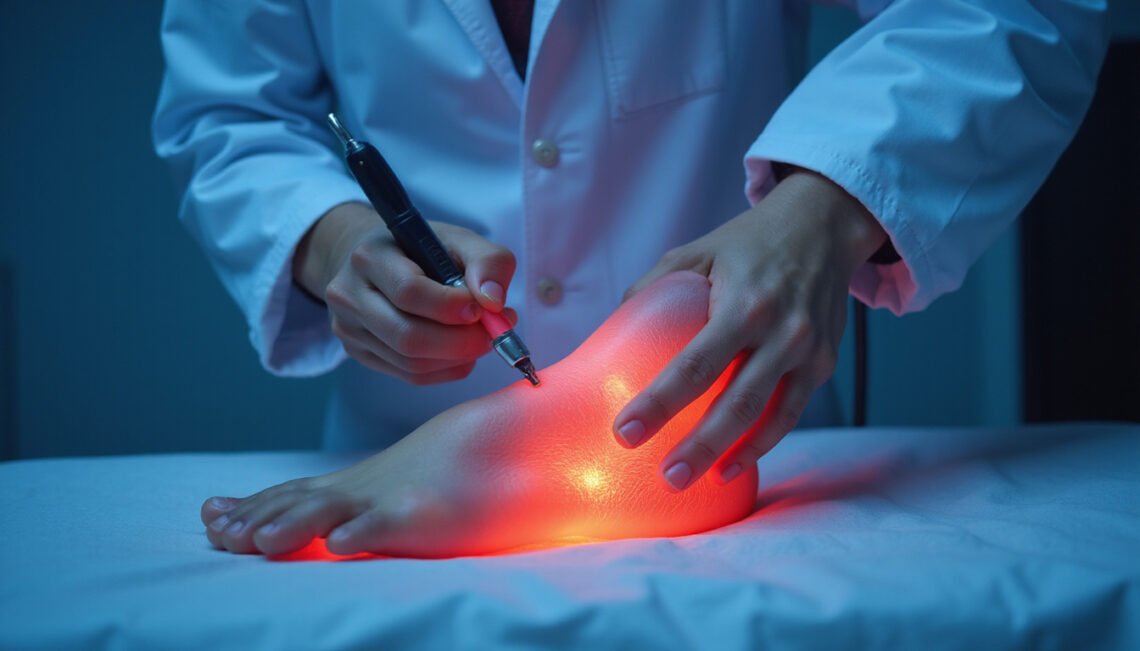
In both forms, a handheld device is placed on your skin over the painful tendon. The device generates rapid mechanical pulses that pass through the skin into the underlying tissues.
Unlike surgery or injections, there are no incisions and no need for general anesthesia. Treatment is typically done in a clinic setting and takes about 10–20 minutes per session.
How Shockwave Therapy Works in the Body
Chronic tendon pain often involves degeneration rather than simple inflammation. Tiny microtears, poor blood flow, and disorganized collagen fibers can create a vicious cycle of pain and weakness. Shockwave therapy aims to break that cycle using several mechanisms:
-
Increased blood flow
The acoustic waves promote microcirculation, bringing more oxygen and nutrients to the damaged tendon. -
Stimulation of tissue regeneration
Shockwaves appear to trigger the release of growth factors and encourage the production of new collagen, which is crucial for tendon repair. -
Breakdown of calcifications and scar tissue
In certain conditions (like calcific tendinitis of the shoulder), shockwaves can help fragment calcium deposits and remodel hardened tissue. -
Pain modulation
By overstimulating pain receptors and influencing nerve signaling, shockwave therapy can reduce pain perception over time. -
Resetting the chronic injury process
Chronic tendon problems often get “stuck” in a non-healing state. The controlled microtrauma from shockwaves helps restart a more normal healing cascade.
Research supports these mechanisms in a range of tendon disorders, especially when combined with a structured rehabilitation program (source: NIH / PubMed).
Conditions Commonly Treated with Shockwave Therapy
Shockwave therapy is especially popular for chronic tendinopathies that have lasted more than 3–6 months and failed to respond to conservative care. Common indications include:
-
Plantar fasciitis (heel pain)
One of the best-researched uses. Helps people with persistent, stabbing heel pain, particularly first thing in the morning or after sitting. -
Tennis elbow (lateral epicondylitis)
Pain on the outer elbow from repetitive strain, often sports- or work-related. -
Golfer’s elbow (medial epicondylitis)
Similar to tennis elbow, but on the inner side of the elbow. -
Achilles tendinopathy
Pain and thickening at the back of the ankle, often worse with running, jumping, or climbing stairs. -
Patellar tendinopathy (jumper’s knee)
Pain at the front of the knee, especially with squatting, jumping, or running. -
Rotator cuff tendinopathy and calcific tendinitis of the shoulder
Shoulder pain, weakness, and reduced range of motion, sometimes associated with calcium buildup. -
Greater trochanteric pain syndrome (lateral hip pain)
Often related to gluteal tendon issues.
Doctors and physiotherapists may also use shockwave therapy for certain muscle injuries, non-healing bone stress injuries, or chronic trigger points, but tendon problems remain the primary focus.
What to Expect During a Shockwave Therapy Session
Knowing what happens in a typical session can reduce anxiety and help you prepare.
Before Treatment
- Your provider will assess your history, symptoms, and previous treatments.
- Ultrasound or other imaging may be used to pinpoint the problem area.
- A gel is applied to the skin to ensure effective transmission of the shockwaves.
During Treatment
A typical session involves:
- Positioning – You’re placed in a comfortable position exposing the affected area.
- Device settings – The therapist adjusts energy level and frequency based on your condition and tolerance.
- Application of shockwaves – The handheld applicator is pressed against your skin and moved around the target region.
- Sensation – You’ll feel rapid tapping or “thudding” sensations. Mild to moderate discomfort is common, especially over very tender spots, but it should be tolerable.
Most sessions last 10–20 minutes. The number of pulses and energy level may increase over subsequent visits if you tolerate it well.

After Treatment
- You can usually stand up and walk out immediately.
- Mild soreness, redness, or swelling around the treated area is common and usually settles within 24–48 hours.
- Many clinics advise avoiding high-impact activities for a short period after each session to allow healing.
How Many Sessions Are Needed?
For chronic tendon pain, shockwave therapy is usually provided as a short course rather than a single treatment.
Typical plans:
- 3–6 sessions
- Spaced once per week (sometimes every 5–10 days)
- Results often start to appear after 2–3 sessions, with continuing improvement over several weeks
Tendon remodeling takes time. Even after your last session, healing processes may continue for 2–3 months. Shockwave therapy is not an instant fix but a catalyst for gradual, lasting improvement.
Benefits of Shockwave Therapy for Chronic Tendon Pain
Compared with surgery or long-term medication, shockwave therapy offers several advantages:
-
Non-surgical and non-invasive
No incisions, stitches, or hospital stay. -
No general anesthesia
Most people only need mild discomfort management, if any. -
Low downtime
You can usually return to normal daily activities immediately after sessions. -
Can reduce need for pain medication
Helpful for people trying to limit NSAIDs or avoid repeated steroid injections. -
Targets the underlying tissue changes
Focuses on regeneration rather than simply numbing pain. -
Good safety profile
Complications are rare when performed by trained professionals with proper screening.
Many patients who have tried rest, orthotics, physiotherapy, and medication—with only temporary or partial relief—find that shockwave therapy provides the missing piece in their recovery.
Risks, Side Effects, and Who Should Avoid It
Like any medical treatment, shockwave therapy is not completely risk-free, and it’s not suitable for everyone.
Common, Mild Side Effects
These are usually temporary:
- Redness or warmth over the treated area
- Mild bruising or swelling
- Tenderness or soreness for a day or two
- Temporary increase in pain before improvement
Less Common Concerns
- Worsening of symptoms if the loading program (exercise and activity) is not well managed
- Rare tissue damage if incorrect settings are used on inappropriate areas
Who Should Not Have Shockwave Therapy?
Your provider will screen you, but typical contraindications include:
- Pregnancy (particularly over the abdomen or pelvis)
- Active infection, open wounds, or skin disease at the treatment site
- Blood clotting disorders or current use of certain blood thinners
- Cancer at or near the treatment area
- Presence of certain implanted devices (e.g., pacemakers, some metal implants) close to the site
- Recent steroid injection in the same area (often a waiting period is recommended)
A thorough medical history and, where necessary, imaging are essential before starting shockwave therapy.
Shockwave Therapy vs. Other Tendon Pain Treatments
To understand where shockwave therapy fits, it helps to compare it with common alternatives.
Rest and Activity Modification
- Often the first line of management.
- Helpful early on but rarely sufficient alone for chronic tendinopathy.
- Over-resting can actually weaken tissue further.
Physical Therapy and Exercise
- Cornerstone of tendon rehab: progressive loading, strength, and mobility work.
- Typically recommended alongside or after shockwave therapy for optimal results.
- Shockwave can make exercise more tolerable and speed the response.
Medications (NSAIDs, Painkillers)
- Reduce pain and inflammation, especially in acute phases.
- Do not repair damaged tendon tissue.
- Long-term use can have gastrointestinal, kidney, or cardiovascular side effects.
Steroid Injections
- Can offer strong short-term pain relief.
- Repeated injections may weaken tendon tissue and increase rupture risk.
- Not usually recommended for chronic degenerative tendinopathy.
Platelet-Rich Plasma (PRP) and Other Injections
- Aim to promote healing by injecting concentrated growth factors.
- More invasive and often more expensive than shockwave therapy.
- Evidence is mixed and condition-dependent.
Surgery
- Reserved for severe or refractory cases after months or years of failed conservative treatment.
- Involves longer downtime, higher cost, and inherent surgical risks.
In many treatment pathways, shockwave therapy is used after basic conservative care has failed but before considering injections or surgery. It often pairs best with a structured rehab program, not as a standalone solution.
How to Maximize Your Results with Shockwave Therapy
To get the most from shockwave therapy, approach it as part of a comprehensive plan, not a magic bullet.
Here’s what typically works best:
-
Get a clear diagnosis
Ensure your pain is truly from a tendinopathy or related condition rather than referred pain from the spine or another joint. -
Combine with tailored exercises
Work with a physical therapist to build a progressive loading program. Eccentric and heavy-slow resistance exercises are often key for tendon health. -
Follow activity guidelines
Avoid sudden spikes in load (e.g., jumping from no running to long runs). Gradual progression is crucial. -
Address contributing factors
These may include poor biomechanics, inadequate footwear, training errors, muscle imbalances, or systemic issues (like diabetes or high cholesterol). -
Be patient and consistent
Tendons heal slowly. Expect improvements over weeks to months, not days. -
Communicate with your provider
Report any unusual pain, changes in symptoms, or concerns so treatment can be adjusted.
Frequently Asked Questions About Shockwave Therapy
Is shockwave treatment for tendon pain effective?
Numerous studies show that shockwave treatment for chronic tendon pain can be effective, especially for plantar fasciitis, tennis elbow, and Achilles tendinopathy. Success rates vary by condition and individual, but many people report a significant reduction in pain and improvement in function after a short course of therapy, particularly when combined with rehab exercises.
Does shockwave therapy for plantar fasciitis hurt?
Most people feel discomfort rather than severe pain during shockwave therapy for plantar fasciitis. The sensation is often described as rapid tapping or sharp pressure over the heel. Your provider can adjust energy levels to keep the treatment tolerable. Any post-session soreness typically fades within a day or two.
How long does it take for shockwave therapy on Achilles tendon to work?
For shockwave therapy on the Achilles tendon, many patients start to notice changes after 2–3 sessions, but full benefits may take 6–12 weeks as the tendon remodels and strengthens. Adhering to the recommended exercise program and activity guidelines between sessions is critical for optimal, lasting results.
Ready to Explore Shockwave Therapy for Your Tendon Pain?
Chronic tendon pain doesn’t have to dictate your daily choices, limit your activities, or keep you from the sports and hobbies you enjoy. Shockwave therapy offers a targeted, non-surgical way to stimulate real healing in damaged tendons—often after months of failed conventional care.
If you’ve been struggling with persistent heel pain, tennis elbow, Achilles problems, or other tendon issues, consider speaking with a sports medicine doctor, orthopedist, or physiotherapist who provides shockwave therapy. Ask for a thorough assessment and a personalized rehab plan that integrates shockwave with the right exercises and activity modifications.
Taking that next step to consult a qualified provider could be the turning point that finally moves your tendon pain from chronic and frustrating to manageable—and ultimately, a thing of the past.