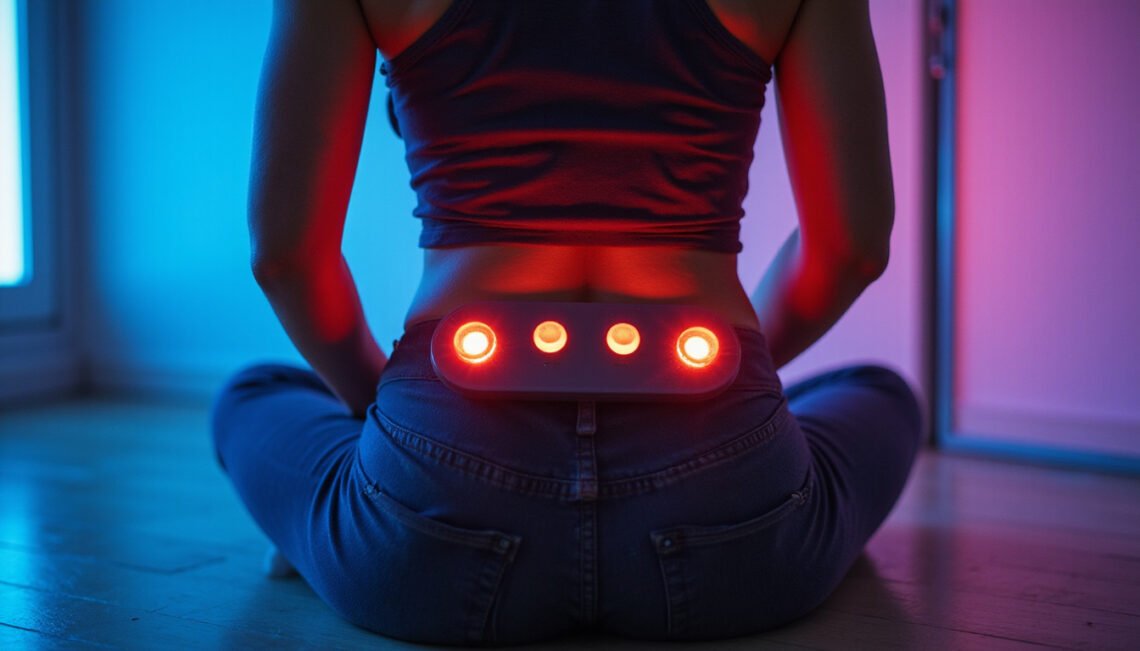
If you live with persistent aches and are exploring non-drug options, TENS therapy can be a practical tool to reduce discomfort. TENS therapy — short for transcutaneous electrical nerve stimulation — uses mild electrical currents to block pain signals and trigger natural endorphin release. Many people with chronic back, neck, or joint pain find it offers meaningful relief when used correctly.
How TENS therapy works: the basics
TENS therapy delivers small electrical pulses through electrodes placed on the skin. These pulses interfere with the way pain signals travel to the brain and can stimulate the production of endorphins, the body’s natural pain relievers. Devices range from compact home units to clinical systems used by physical therapists. Intensity, pulse width, and frequency settings determine the sensation you feel (tingling, buzzing, or a gentle tapping).
What the evidence says
Clinical studies show mixed but generally positive results for certain conditions. Systematic reviews indicate TENS may be useful for some types of chronic musculoskeletal pain, particularly when combined with exercise and other therapies (Mayo Clinic). While it’s not a cure-all, many patients report measurable declines in pain and an improved ability to perform daily activities when TENS is part of a broader pain-management plan (Mayo Clinic).
Proven tips to get the most from TENS therapy
Using TENS therapy effectively requires more than turning a dial. Follow these practical, evidence-based strategies to improve outcomes.
- Start with proper device selection
- Choose a device from a reputable brand with adjustable intensity, pulse rate, and pulse width.
- If you’re unsure what to buy, ask your clinician for a recommendation or look for units cleared by regulatory bodies.
- Learn correct electrode placement
- Place electrodes on clean, dry skin near the painful area but not directly over open wounds or irritated skin.
- For radiating pain (like sciatica), apply electrodes along the path of the nerve: one electrode near the spine and another on the painful limb.
- Avoid placing electrodes across the chest, over the front of the neck, or on the head.
- Use the right settings for your pain type
- Low-frequency (1–10 Hz) often produces stronger muscle contractions and may promote endorphin release.
- High-frequency (50–120 Hz) tends to produce a comfortable tingling that interrupts pain signals.
- Start with a low intensity and gradually increase until you feel a strong but comfortable sensation — never painful.
- Build a consistent routine
- Short, frequent sessions (20–30 minutes, 1–2 times per day) are often more effective than sporadic long sessions.
- Pair TENS therapy with gentle exercise, stretching, or heat application to enhance results.
- Keep a pain log
- Track settings, electrode placement, session length, and pain levels before and after treatment.
- Over several weeks you’ll discover which combinations work best for your individual pain pattern.
- Follow safety and contraindication guidance
- Do not use TENS if you have a pacemaker or implanted defibrillator without medical approval.
- Avoid use during pregnancy (particularly on the abdomen or lower back) unless advised by your provider.
Simple step-by-step setup (numbered list)
- Read the device manual and inspect electrodes for damage.
- Clean and dry the skin where electrodes will be placed.
- Attach electrodes to the skin first, then turn on the device at the lowest setting.
- Gradually increase intensity to a comfortable level.
- Run the session for the recommended time, then turn off the device before removing electrodes.
Common electrode placement patterns
- Localized joint pain: electrodes on either side of the joint.
- Chronic low back pain: electrodes parallel to the spine or bracketing the painful area.
- Neck pain: electrodes just below or behind the irritated muscles, avoiding the throat.
Safety and precautions
TENS therapy is generally safe for most people when used as directed. However, there are important precautions:
- People with implanted electronic devices (pacemakers, defibrillators) should avoid TENS or consult a cardiologist first.
- Do not place electrodes over broken skin, cancerous lesions, or areas of decreased sensation.
- Avoid using TENS while driving, operating machinery, or bathing.
- If you experience skin irritation, reduce session time or try different electrodes or placement; if irritation persists, stop using TENS and consult a clinician.
When to seek professional guidance
If your pain is severe, worsening, unexplained, or accompanied by symptoms like fever, weakness, or numbness, see a healthcare provider. A physical therapist can teach optimal electrode placement and parameter settings tailored to your condition. Your clinician can also integrate TENS therapy with exercise prescriptions, manual therapy, and medications as appropriate.
Integrating TENS therapy into a comprehensive pain plan
TENS therapy often works best as one component of a broader strategy. Combining TENS with:
- Active rehabilitation (stretching, strengthening, aerobic exercise)
- Cognitive-behavioral techniques for pain coping
- Sleep hygiene and stress reduction
can produce greater, longer-lasting benefits than any single approach. The goal is to reduce pain enough to increase movement and function, which itself reduces long-term disability.
What to expect during and after treatment
Most users feel immediate, temporary relief during a session. For some, relief carries over for hours after treatment; for others, benefits build over days to weeks as TENS allows more activity and better sleep. If you don’t notice any improvement after consistent, correct use for several weeks, consult your provider about adjusting settings or trying other modalities.

FAQ: Quick answers to common TENS therapy questions
Q: Does TENS therapy help chronic back pain?
A: Many people find TENS therapy reduces chronic back pain during and after sessions, especially when used alongside exercise and physical therapy. Effectiveness varies by individual and condition.
Q: How should I use a TENS unit at home (TENS therapy tips)?
A: Use clean skin, place electrodes near but not on injured tissue, start at low intensity, and run 20–30 minute sessions once or twice daily. Keep a log of settings and pain response to fine-tune use.
Q: Is TENS therapy safe for everyone (TENS unit safety)?
A: TENS is safe for most people, but it’s not recommended for those with pacemakers, pregnant women (without approval), or when electrodes would be placed over broken skin or the front of the neck. Always check with a clinician if in doubt.
Authoritative guidance
For an overview of TENS, safety considerations, and clinical uses, see the Mayo Clinic’s guide to TENS devices and pain management (https://www.mayoclinic.org/tests-procedures/tens/about/pac-20384640) (Mayo Clinic).
Final thoughts and call to action
TENS therapy is an accessible, drug-free option that can reduce pain and improve daily function when used correctly. Start with a reputable device, learn proper electrode placement, follow safety guidelines, and integrate TENS into a broader plan that includes movement and professional guidance. If chronic pain is limiting your life, consider discussing TENS therapy with your healthcare provider or physical therapist — try a supervised trial to see if it gives you the relief and mobility you need. Take the next step today: ask your clinician about a TENS trial, or choose a quality unit and begin a two-week pain log to discover whether TENS therapy can help you move more comfortably.