
Living with stubborn muscle pain can be exhausting—especially when stretching, massage, and medications don’t seem to help. That’s where a trigger point injection may come in. This targeted treatment is designed to calm painful “knots” in your muscles and help restore your ability to move and function with less discomfort.
Below, you’ll learn how trigger point injections work, who they’re for, what to expect during the procedure, potential risks, and how to decide if they’re right for you.
What Is a Trigger Point Injection?
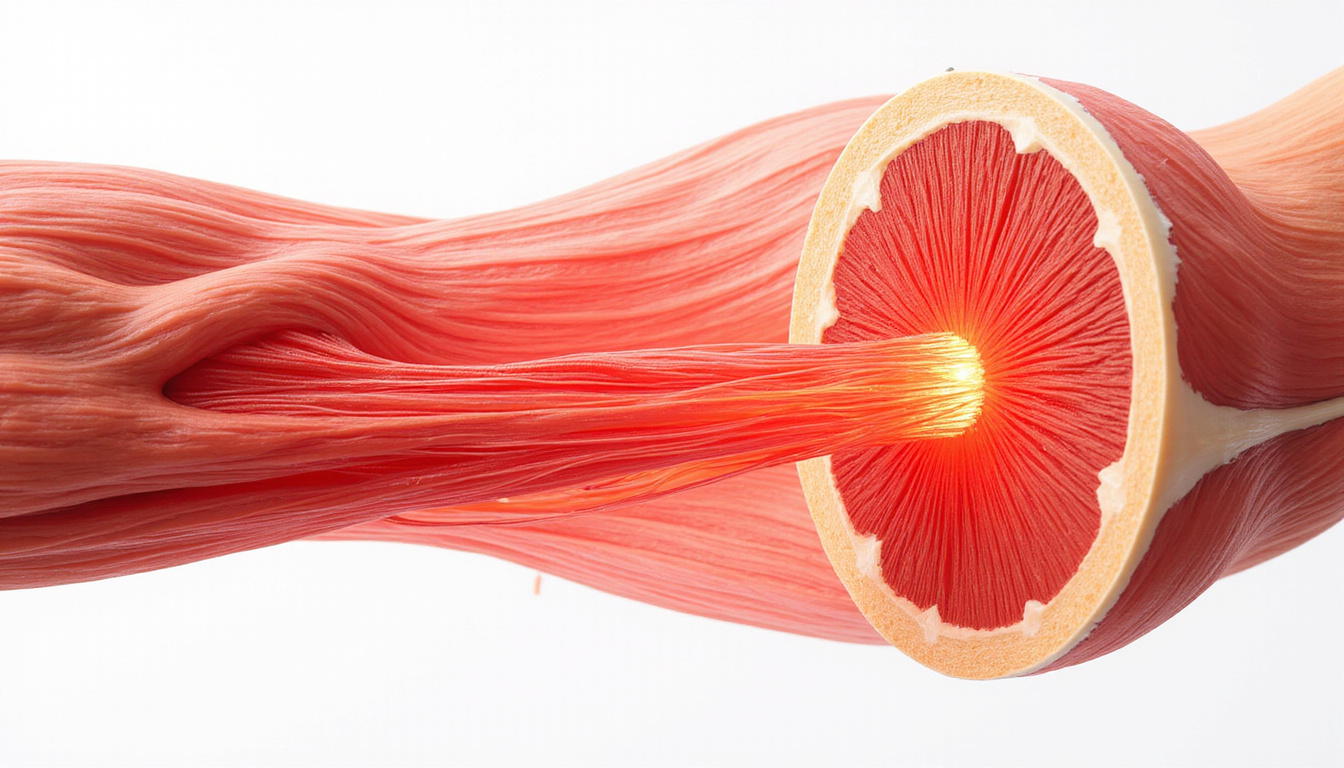
A trigger point injection is a minimally invasive procedure in which a healthcare provider inserts a small needle directly into a painful muscle knot (called a trigger point) and injects medication—or sometimes just a small amount of fluid—to help the muscle relax.
Trigger points are tight, sensitive bands of muscle that can feel like small nodules under the skin. They may cause:
- Localized muscle pain
- Pain that radiates (referred pain) to other areas
- Stiffness and limited range of motion
- Tenderness to touch or pressure
Trigger point injections are typically done in an outpatient setting and take only a few minutes per site.
How Do Trigger Point Injections Work?
The purpose of a trigger point injection is twofold: to reduce pain and to help break the cycle of muscle spasm.
The Mechanism Behind the Relief
Trigger point injections can work through several mechanisms:
-
Interrupting the pain-spasm cycle
Inserting the needle and injecting a solution helps disrupt the abnormal muscle contraction and nerve signaling that keep the trigger point active. -
Delivering targeted medication
Depending on what’s injected, the procedure can reduce inflammation, numb pain, or both. -
Mechanical release of the muscle knot
The physical act of needling into the trigger point can help the tight muscle fibers relax—a concept similar to dry needling.
Common Medications Used
Trigger point injections may include:
-
Local anesthetics (e.g., lidocaine, bupivacaine)
These numb the area, providing temporary pain relief and allowing the muscle to relax. -
Corticosteroids (e.g., triamcinolone)
Sometimes used with the anesthetic to decrease inflammation in and around the trigger point. -
Saline or “dry” injections
Some clinicians inject saline or even use a needle without medication (“dry needling”) and still achieve pain relief through mechanical disruption of the trigger point.
According to the American Academy of Family Physicians, trigger point injections can be an effective part of a comprehensive treatment plan for myofascial pain in selected patients (source).
Conditions That May Benefit from Trigger Point Injection
Trigger point injections are most often used for myofascial pain syndrome, but they can also help in other conditions where muscle knots play a role.
Common indications include:
- Myofascial pain syndrome (chronic muscle pain with trigger points)
- Neck and shoulder pain (including trapezius and rhomboid trigger points)
- Low back and gluteal muscle pain
- Tension-type and some migraine headaches (when related to neck/shoulder trigger points)
- Pain after whiplash or other soft tissue injuries
- Repetitive strain injuries (e.g., from desk work or manual labor)
- Some cases of fibromyalgia (as a targeted approach to particularly active trigger points)
Trigger point injection is rarely a stand-alone cure—it’s usually combined with physical therapy, posture correction, exercise, and ergonomic changes for best results.
Are You a Good Candidate for Trigger Point Injections?
You may be a candidate if:
- You have palpable muscle knots that reproduce your pain when pressed.
- Pain has persisted despite conservative treatments (rest, stretching, oral medications, heat/ice, etc.).
- Your pain limits daily activities, sleep, or work.
- Imaging (like MRI or X-ray) hasn’t found a structural cause that fully explains your pain.
- Your provider believes the main source is myofascial (muscle-related) rather than joint, nerve, or bone.
You may not be a good candidate if you have:
- Uncontrolled bleeding disorders or are on strong blood thinners
- A local skin or soft tissue infection at the injection site
- Known allergy to the medications used
- Certain systemic infections or unstable medical conditions
An in-depth evaluation by a pain specialist, physiatrist, sports medicine doctor, or knowledgeable primary care provider is essential before considering this procedure.
What to Expect Before, During, and After a Trigger Point Injection
Knowing the process can make a trigger point injection less intimidating.
Before the Procedure
Your provider will:
- Review your medical history, medications, and allergies.
- Examine the painful area and locate trigger points by palpation.
- Explain benefits, alternatives, and potential risks.
- Obtain your informed consent.
You may be asked to:
- Avoid certain blood-thinning medications (if safe and approved by your prescriber).
- Arrange a ride home if you’re anxious or having multiple injections and feel you might be sore afterward.
During the Procedure
The procedure is usually quick:
-
Positioning
You’ll be seated or lying down to allow easy access to the affected muscle. -
Skin preparation
The provider cleans the skin with an antiseptic solution. -
Identification of the trigger point
The clinician palpates to find the exact area that reproduces your pain. -
Needle insertion and injection
A fine needle is inserted into the trigger point. You may feel a brief “muscle twitch” or crampy sensation. The medication is then injected. -
Massage or stretching
Afterward, the area may be gently massaged or stretched to encourage relaxation of the muscle.
Each injection typically takes less than a minute once the site is located. Multiple trigger points can often be treated in the same visit.
After the Procedure
Immediately after a trigger point injection, you might feel:
- Numbness and reduced pain in the area
- Mild soreness or heaviness
Your provider may suggest:
- Light stretching and movement as tolerated
- Ice or heat for minor soreness
- Avoiding strenuous activity involving the injected muscle for 24–48 hours
Relief may be immediate due to the anesthetic; longer-lasting improvement generally develops over the next several days, especially when combined with physical therapy.
Benefits of Trigger Point Injection
A trigger point injection can offer both short-term and longer-term advantages.
Short-Term Benefits
- Rapid, localized pain relief
- Muscle relaxation, reducing stiffness
- Easier participation in physical therapy or exercise
- Improved sleep if pain was disturbing your rest
Longer-Term Benefits (When Combined with Rehab)
When integrated into a comprehensive plan, trigger point injections can help:
- Break chronic pain cycles
- Improve posture and movement patterns
- Reduce reliance on oral pain medications
- Enhance overall function and quality of life
Many people find that the greatest benefit occurs when injections are timed to enable them to fully participate in rehabilitation, rather than as a stand-alone fix.
Potential Risks and Side Effects of Trigger Point Injections
While generally considered safe, trigger point injections carry some risks and potential complications.
Common, Usually Mild Side Effects
- Temporary soreness or bruising at the injection site
- Mild bleeding under the skin
- Temporary numbness or tingling around the area
- Short-lived dizziness or lightheadedness
These usually resolve within a few hours to a few days.
Less Common but More Serious Risks
- Infection at the injection site
- Allergic reaction to anesthetic or steroid
- Bleeding or hematoma, especially in people on blood thinners
- Nerve irritation or injury (rare)
- Pneumothorax (collapsed lung) when injecting near the upper back or chest wall—very rare but serious
When steroids are used repeatedly in the same area, there is a small risk of:
- Local tissue thinning (skin or fat atrophy)
- Weakening of nearby tendons
- Elevated blood sugar in people with diabetes
Discuss with your provider how often they recommend trigger point injection and whether they use steroid or anesthetic alone in your situation.
How Often Can You Get Trigger Point Injections?
Frequency depends on:
- The severity and chronicity of your pain
- Your medical history and response to prior injections
- Whether steroids are part of the injection
Typical patterns might include:
- 1–3 initial sessions spaced a few weeks apart
- Maintenance injections only if needed based on symptom recurrence
- Limited number of steroid-containing injections in a given area per year
Always ask your provider about their specific protocol and long-term plan, including non-injection strategies to keep pain under control.
Trigger Point Injection vs. Other Pain Relief Techniques
Trigger point injections are one option among many. It can help to compare them to other treatments:
-
Oral medications (NSAIDs, muscle relaxants, etc.)
Work systemically, may help general pain but don’t directly target trigger points and can have more whole-body side effects. -
Physical therapy and exercise
Essential for long-term improvement. Strengthening, stretching, and posture work can address underlying causes of trigger points. -
Massage therapy / myofascial release
Noninvasive and helpful for many; may be less effective for deeply entrenched trigger points compared to an injection. -
Dry needling
Uses a needle without medication, often in a physical therapy setting, with a similar mechanical effect on trigger points. -
Nerve blocks, epidural injections, or joint injections
Used for different pain generators (nerves or joints rather than muscle trigger points).
In many cases, the most effective approach blends trigger point injection with rehabilitative therapies and lifestyle changes, rather than leaning on injections alone.
How to Prepare Questions for Your Provider
Before undergoing a trigger point injection, consider asking:
- What is the most likely source of my pain?
- Why do you think a trigger point injection will help?
- What medication will you inject—anesthetic only or anesthetic plus steroid?
- What are the specific risks in my case?
- How many sessions do you anticipate?
- How will this work alongside physical therapy or other treatments?
Bringing a written list of questions and a brief pain history often leads to a more productive visit.
Quick Checklist: Is Trigger Point Injection Worth Exploring?
You might want to discuss trigger point injection with your provider if:
- You have chronic, localized muscle pain that’s reproducible with touch.
- Conservative measures (rest, stretching, OTC meds) haven’t given lasting relief.
- Pain is limiting your function, sleep, or ability to exercise.
- Imaging hasn’t revealed a structural cause that fully explains your symptoms.
- You’re willing to combine injections with physical therapy and lifestyle changes.
FAQ About Trigger Point Injections
1. How long does pain relief from a trigger point injection last?
Relief from a trigger point injection can range from several days to several months. Some people experience near-immediate improvement that allows them to stretch and strengthen the area, leading to more enduring benefits. Others may need repeat treatments. Long-term success often depends on addressing posture, ergonomics, and muscle imbalances.
2. Are trigger point injections with steroids more effective than anesthetic alone?
Trigger point injections with steroids may offer longer-lasting relief in some cases, particularly where inflammation is a major contributor. However, anesthetic-only injections (or even dry needling) can still be effective by mechanically disrupting the trigger point. Your provider will weigh potential steroid side effects against possible added benefit for your situation.
3. Is a trigger point injection the same as dry needling?
No. Both techniques target muscular trigger points with a fine needle, but a trigger point injection involves injecting a solution (often anesthetic, sometimes with steroid), while dry needling uses a solid needle without medication. Both can reduce trigger point activity; the best choice depends on practitioner expertise, your comfort level, and your overall treatment plan.
Take the Next Step Toward Pain Relief
If muscle knots and persistent aches are holding you back from work, family, or the activities you enjoy, you don’t have to simply “live with it.” A trigger point injection could be a practical, evidence-based option to reduce pain and help you move forward with rehabilitation and lasting recovery.
Talk with a qualified provider—such as a pain specialist, sports medicine physician, or physiatrist—about whether your symptoms fit the pattern of myofascial pain and if trigger point injections belong in your treatment plan. The right combination of targeted procedures, therapy, and daily habit changes can help you break free from chronic muscle pain and reclaim your quality of life.