Ultrasound Therapy: The Surprising Way to End Chronic Pain Fast
Ultrasound therapy has quietly become one of the most useful tools in modern pain management and physical rehabilitation. While most people associate ultrasound with pregnancy imaging, ultrasound therapy is a different, therapeutic application of sound waves designed to speed healing, relax tissues, and reduce pain—often surprisingly fast. For many patients with stubborn, long-term aches, strains, or joint problems, it can be the missing piece that finally moves them out of the chronic pain cycle.
Below, you’ll learn how it works, what it feels like, who it’s for, and how to decide if it deserves a place in your recovery plan.
What Is Ultrasound Therapy?
Ultrasound therapy is a non-invasive treatment that uses high-frequency sound waves to stimulate tissues beneath the skin. It’s typically performed by a physical therapist, chiropractor, sports medicine provider, or other trained clinician as part of a broader rehabilitation plan.
There are two main types:
-
Thermal ultrasound therapy
- Uses continuous sound waves
- Produces deep heating in muscles, tendons, ligaments, and joint capsules
-
Non-thermal (pulsed) ultrasound therapy
- Uses intermittent sound waves
- Produces mechanical effects at the cellular level without significant heating
Both aim to support the body’s natural healing processes, but they do so in slightly different ways.
How Does Ultrasound Therapy Work?
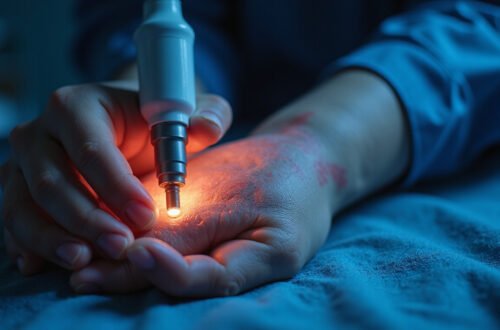
Ultrasound therapy works by delivering sound waves through a treatment head (transducer) that glides over your skin, usually with a conductive gel. These sound waves penetrate soft tissues to create two key effects:
1. Deep Heating (Thermal Effect)
The continuous sound waves cause microscopic vibration in tissues, generating heat several centimeters below the surface. This deep heating can:
- Increase blood flow to the area
- Relax tight muscles and connective tissues
- Improve tissue elasticity
- Reduce joint stiffness
- Help clear out inflammatory by-products
This is particularly useful for chronic pain conditions with muscle tightness, scar tissue, or joint stiffness.
2. Mechanical Stimulation (Non-Thermal Effect)
With pulsed ultrasound therapy, the sound waves create microscopic gas bubbles and fluid movement at the cellular level. This:
- Stimulates cell membranes and circulation
- May accelerate tissue repair and collagen production
- Can reduce local inflammation and swelling
- Supports healing of ligaments, tendons, and soft tissues
Research suggests these mechanical effects can enhance the body’s natural repair processes in injured or degenerative tissues (source: National Institutes of Health).
What Conditions Can Ultrasound Therapy Help?
Ultrasound therapy is not a magic cure-all, but it can be highly effective as part of a complete treatment plan for many musculoskeletal conditions, such as:
- Chronic neck or low back pain (especially with muscle tightness)
- Tendinitis and tendinopathy (e.g., Achilles, rotator cuff, tennis elbow)
- Bursitis (shoulder, hip, or knee)
- Muscle strains and sprains
- Ligament injuries
- Joint stiffness from arthritis or past injuries
- Scar tissue and adhesions after surgery or injury
- Plantar fasciitis (heel and foot pain)
- Carpal tunnel-related soft tissue issues
In some cases, ultrasound therapy is also used to support wound healing or to help break up small areas of calcification in soft tissue, though this is more specialized and depends on the clinician’s training and equipment.
What Does Ultrasound Therapy Feel Like?
Most people are pleasantly surprised by how comfortable ultrasound therapy is.
- You lie or sit in a relaxed position.
- A small amount of gel is applied to the skin over the treatment area.
- The clinician moves a handheld device in slow circles or strokes over the area.
Sensation depends on the settings used:
- Thermal ultrasound: You may feel gentle warmth deep in the tissues. It should never feel hot or painful.
- Non-thermal ultrasound: Often you feel almost nothing except light pressure from the treatment head.
If you feel sharp, burning, or intense discomfort, you should tell your provider immediately so they can adjust the settings or technique.
How Fast Can Ultrasound Therapy Relieve Chronic Pain?
Pain relief can be surprisingly fast for some people, especially when ultrasound therapy is used to relax tight muscles and improve local circulation. However, realistic expectations are important:
-
After a single session:
- Some experience immediate reduction in pain or stiffness.
- Others notice only mild relief, or a delayed improvement later in the day.
-
Over multiple sessions:
- Ultrasound is usually most effective when done consistently over several visits.
- It’s commonly used 2–3 times a week for several weeks, depending on the condition.
-
The real power lies in combination:
- Ultrasound therapy works best when combined with active rehab: stretching, strengthening, joint mobilization, ergonomic changes, and lifestyle modifications.
For chronic pain that has built up over months or years, ultrasound alone is rarely “the cure,” but it can dramatically enhance comfort and speed progress when paired with targeted exercise and smart self-care.
The Science: What Does Research Say?
Clinical research on ultrasound therapy shows mixed but often positive results, and outcomes depend heavily on:
- Correct dosing (intensity, frequency, duration)
- Appropriate choice of thermal vs. non-thermal settings
- The specific condition being treated
- The skill of the clinician
- Whether it’s used alone or as part of a full rehab program
For several tendinopathies and soft-tissue injuries, studies suggest ultrasound therapy can:
- Support healing and collagen formation
- Reduce pain and swelling
- Improve function when combined with exercise and manual therapy
However, not every condition responds the same way. That’s why it’s best viewed as a supportive modality, not a stand-alone cure.
Benefits of Ultrasound Therapy
When used correctly, ultrasound therapy offers several key advantages, especially for people looking to avoid or delay medications or invasive procedures:
- Non-invasive and drug-free
- Minimal discomfort—often relaxing
- Targets deep tissues that hands or heat packs can’t reach as effectively
- Can speed soft tissue healing and tissue remodeling
- May reduce the need for higher doses of pain medication
- Safe for repeated use in most patients
Because it’s relatively low-risk and quick (sessions are often 5–10 minutes for ultrasound within a longer appointment), clinicians frequently use it alongside other manual and exercise-based treatments.

Potential Side Effects and Safety Considerations
Ultrasound therapy is generally considered very safe when used by trained professionals. Side effects are uncommon and usually mild, such as:
- Temporary warmth or redness at the skin
- Mild soreness if tissues were already very sensitive
However, there are clear contraindications—areas or situations where ultrasound should not be used, including:
- Over active cancerous tumors
- Over the eyes, brain, or reproductive organs
- Over the abdomen or lower back in pregnancy (for therapeutic ultrasound)
- Over areas with active infection or open wounds (unless specifically designed for wound care)
- Over metal implants or electronic devices (e.g., pacemakers) without careful clinical judgment
- Over areas with impaired sensation where you can’t feel heat or pain
Always share your full medical history with your provider before starting ultrasound therapy so they can use it safely.
What Happens During an Ultrasound Therapy Session?
Here’s what a typical session looks like so you know what to expect:
-
Assessment
- The therapist evaluates your pain, movement, and history to identify the real source of the problem.
-
Positioning
- You’re placed comfortably so the targeted area is easy to access and fully relaxed.
-
Preparation
- A gel is applied to improve sound wave conduction.
-
Ultrasound Application
- The therapist moves the head in slow, continuous motions over the area.
- Settings (intensity, frequency, continuous vs. pulsed) are customized to your tissue depth and condition.
-
Follow-Up Treatments
- Typically, your therapist will then guide you through stretches, strengthening exercises, joint mobilization, or other therapies to reinforce the benefits.
Most in-clinic sessions that include ultrasound therapy last 30–60 minutes in total, combined with other treatments.
Is At-Home Ultrasound Therapy Worth It?
Consumer ultrasound therapy devices have become more common, promising convenient pain relief at home. Some can be legitimate adjuncts—but they have limitations:
Pros:
- Convenient and time-saving
- Useful for maintenance between professional sessions
- Helpful for minor aches or recurring tight areas
Cons:
- Often lower power than clinical machines
- Easy to under-treat or over-treat without guidance
- Ineffective if used on the wrong spot or for the wrong condition
- Do not replace expert diagnosis, manual therapy, or a structured rehab plan
If you’re considering an at-home ultrasound therapy device, ask your physical therapist or healthcare provider what type, settings, and protocol (duration, frequency, and area) are appropriate for your specific condition.
How to Know if Ultrasound Therapy Is Right for You
You may be a good candidate for ultrasound therapy if you:
- Have chronic muscle or joint pain that hasn’t improved with rest alone
- Feel significant tightness or stiffness in specific areas
- Are recovering from a tendon, ligament, or soft tissue injury
- Want a non-invasive, medication-free addition to your pain management
- Are already in or willing to start a guided rehab program
You’ll want to discuss with a licensed professional if you:
- Have a history of cancer or suspicious lumps
- Are pregnant
- Have metal implants or an electronic device in your body
- Have poor sensation or circulation in the painful area
- Have a bleeding disorder or are on blood thinners
A thorough exam and honest conversation with a clinician will help you decide if ultrasound therapy should be part of your strategy—or whether other approaches are better suited to your situation.
FAQ About Ultrasound Therapy for Pain
1. Does therapeutic ultrasound really work for chronic pain?
For many people, therapeutic ultrasound helps reduce chronic pain by improving circulation, relaxing tight tissues, and supporting healing in tendons and muscles. It tends to work best as part of a larger plan that includes exercise, posture changes, and manual therapy—not as a standalone treatment.
2. Is ultrasound treatment for pain safe long-term?
When applied correctly by a trained professional, ultrasound treatment for pain is considered very safe, even over multiple weeks. Your provider will adjust or limit its use if you have any risk factors or contraindications.
3. How many ultrasound physiotherapy sessions do I need to feel better?
Typical ultrasound physiotherapy protocols range from a few sessions to several weeks of treatment, 2–3 times per week. Some people notice improvement after the first visit, while others feel steady, gradual changes over time. The total number of sessions depends on how long you’ve had the problem, the severity of your condition, and how consistently you follow your home exercises.
Take the Next Step Toward Ending Chronic Pain
You don’t have to keep living around your pain, planning your day around flare-ups, or relying solely on pills and short-term fixes. Ultrasound therapy offers a fast, gentle, and evidence-informed way to reduce pain, loosen tight tissues, and accelerate healing—especially when it’s paired with targeted exercises and smart lifestyle changes.
If you’re tired of temporary relief and want a structured, science-based path out of chronic pain, reach out to a licensed physical therapist or rehabilitation specialist and ask whether ultrasound therapy could be integrated into your treatment plan. The sooner you start an active, comprehensive approach, the sooner you can move, work, and live with comfort and confidence again.