
Sciatica recovery time can vary widely—from a couple of weeks to several months—depending on what’s causing the nerve pain and how you respond to it. The good news: most people improve without surgery, and there are specific, research-backed steps you can take to speed up recovery and reduce the risk of it coming back.
This guide breaks down 10 proven strategies to shorten your sciatica recovery time, manage pain more effectively, and protect your back and nerves for the long term.
Understanding sciatica and typical recovery timelines
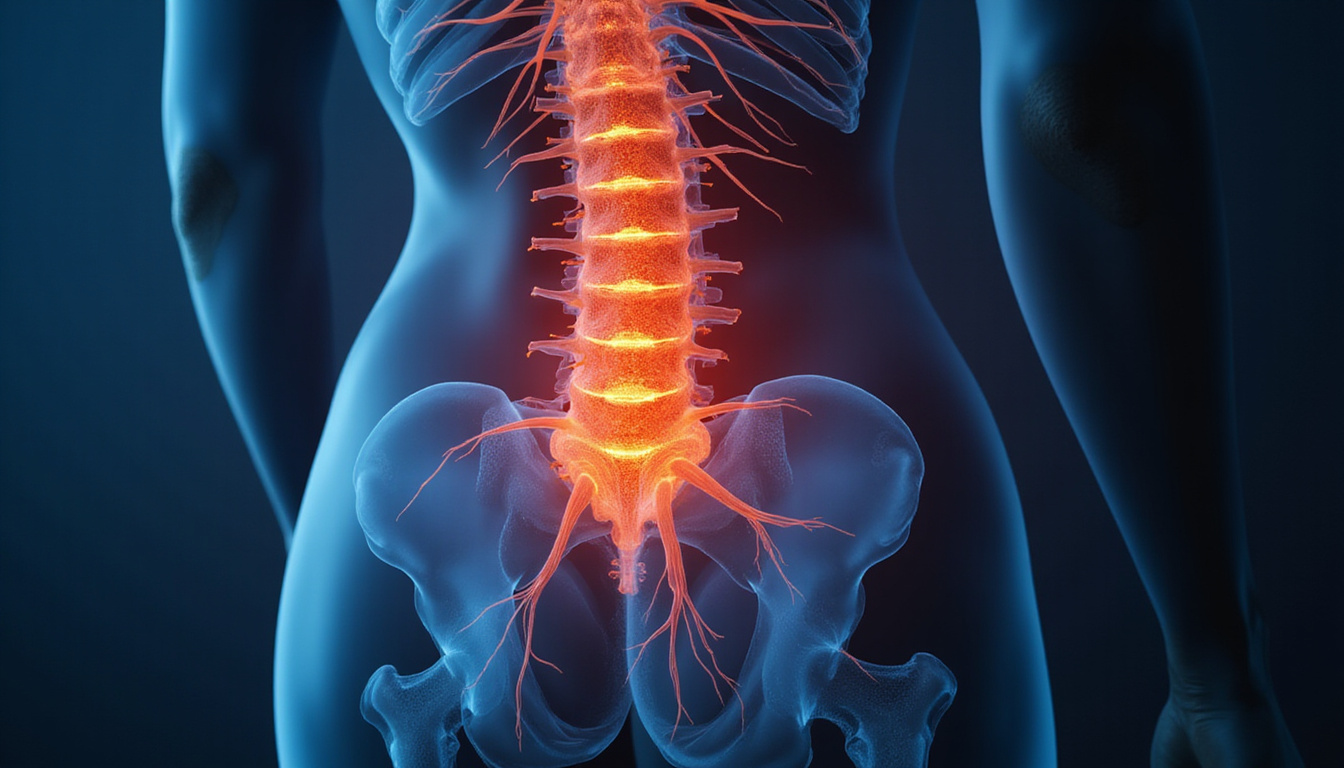
Sciatica isn’t a diagnosis itself; it’s a symptom. It refers to pain, tingling, or numbness that travels from your lower back or buttock down the leg along the sciatic nerve.
Common causes include:
- Herniated or “slipped” disc
- Spinal stenosis (narrowing of the spinal canal)
- Degenerative disc disease
- Piriformis syndrome
- Pregnancy-related postural changes
How long does sciatica usually last?
Typical sciatica recovery time ranges:
- Acute sciatica: 4–6 weeks for many people
- Subacute (lingering) symptoms: 2–3 months
- Chronic or recurring sciatica: 3+ months, often with flare-ups
According to the Cleveland Clinic, 80–90% of people with sciatica improve over time without surgery, and about half recover within 6 weeks (source).
Your own sciatica recovery time depends on:
- The underlying cause and its severity
- How quickly you start treatment
- Your activity level, posture, and work demands
- Lifestyle factors like weight, smoking, and overall health
Now, let’s look at 10 concrete steps that can help you recover faster and more completely.
1. Get an accurate diagnosis early
The first key to shortening sciatica recovery time is understanding exactly what’s causing your pain.
A healthcare provider may:
- Ask detailed questions about your symptoms
- Perform a physical and neurological exam
- Order imaging (X-ray, MRI, or CT scan) if needed
- Rule out serious issues like infection, fracture, or severe nerve damage
Why this matters:
If a herniated disc is causing symptoms, your recovery plan may differ from someone with spinal stenosis or piriformis syndrome. Targeted treatment prevents you from wasting weeks on the wrong approach.
Ask your provider:
- What is the most likely cause of my sciatica?
- Is there any sign of nerve damage or red-flag symptoms?
- What activities should I avoid—and which should I keep doing?
2. Use pain relief wisely to stay mobile
Effective pain management can reduce your sciatica recovery time by allowing you to stay active and participate in physical therapy.
Common options (under medical guidance):
- Over-the-counter pain relievers:
- NSAIDs (ibuprofen, naproxen) to reduce pain and inflammation
- Acetaminophen for pain relief when NSAIDs aren’t appropriate
- Prescription medications (short term):
- Stronger anti-inflammatories
- Short course of muscle relaxants
- Nerve pain medications like gabapentin in some cases
- Topical treatments:
- Lidocaine patches
- Topical NSAID gels
These don’t fix the root cause but can buy you the comfort needed to do the exercises and daily movement that do shorten sciatica recovery time.
Always follow dosing instructions and discuss ongoing use with your provider.
3. Balance rest with early, gentle movement
Too much bed rest can actually lengthen sciatica recovery time. Prolonged inactivity weakens muscles, stiffens joints, and can increase pain sensitivity.
A better approach:
- Limit strict bed rest to no more than 1–2 days during severe flare-ups
- Gradually transition to short walks around your home
- Change positions often—sitting, standing, and lying in different supported postures
- Use small pillows or rolled towels to maintain a neutral spinal posture
Helpful movement guidelines
- Aim for several 3–10 minute walks throughout the day
- Avoid heavy lifting, twisting, or bending from the waist
- Stop or modify any movement that causes sharp, shooting leg pain
Staying gently active promotes circulation, reduces stiffness, and helps calm irritated nerves, all contributing to a shorter sciatica recovery time.
4. Start targeted stretches (with professional guidance)
Once intense pain eases, stretching can relieve muscle tension and take pressure off the sciatic nerve.
Commonly helpful stretches (ask a physical therapist or provider first):
- Knee-to-chest stretch – to gently stretch the lower back
- Piriformis stretch – especially useful if pain travels through the buttock
- Hamstring stretch – tight hamstrings can worsen pull on the lower back
- Figure-4 stretch – to open the hips and glute area
Key rules:
- Move slowly and stay just below the point of sharp pain
- Hold each stretch for 15–30 seconds, repeat 2–3 times
- Breathe normally; don’t bounce into the stretch
Consistent, appropriate stretching improves mobility and can reduce daily discomfort, helping your overall sciatica recovery time.
5. Build core and hip strength to support your spine
Strengthening is crucial not just to get better, but to stay better.
Weak core and hip muscles can increase stress on the spine and prolong sciatica. Strong stabilizing muscles help offload pressure from discs and joints.
Typical exercises (often prescribed by physical therapists):
- Pelvic tilts
- Bird-dog (opposite arm and leg extension)
- Glute bridges
- Side-lying leg raises
- Clamshells for hip stability
Start with low-resistance, pain-free ranges of motion, and work up gradually. Strength gains over weeks and months are a major factor in reducing recurrence and improving long-term sciatica recovery time.
6. Optimize your sitting, standing, and sleeping positions
Poor posture and unsupported positions can keep the sciatic nerve irritated.
Sitting
- Use a chair with firm support, not a soft, sagging couch
- Keep feet flat on the floor, knees about hip height
- Sit back into the chair with a small cushion or rolled towel at your lower back
- Avoid crossing legs for long periods
Standing
- Distribute weight evenly on both feet
- Keep shoulders relaxed and stacked over hips
- If you stand a lot for work, use an anti-fatigue mat and change stance frequently
Sleeping
Try:
- On your side with a pillow between your knees
- On your back with a pillow under your knees
- A mattress that’s medium-firm rather than very soft
Good body alignment reduces mechanical stress and can noticeably improve sciatica recovery time by lowering daily irritation of the nerve.
7. Consider heat, cold, and manual therapies
Simple non-drug treatments can help you stay more comfortable as you recover.
Cold therapy (first 48–72 hours or during flare-ups):
- Ice pack on the painful area for 10–15 minutes
- Reduces inflammation and numbs sharp pain
Heat therapy (after initial acute phase):
- Warm pack, heating pad on low, or warm shower
- Relaxes tight muscles and improves blood flow
Manual therapies (by trained professionals):
- Physical therapy with hands-on mobilizations
- Massage to ease muscle tension around the lower back and hips
- Some may benefit from chiropractic or osteopathic manipulation (discuss with your doctor first)
While these don’t change the underlying structural cause by themselves, they often help people move more freely and reduce perceived sciatica recovery time.
8. Address weight, smoking, and underlying health factors
Certain lifestyle factors can lengthen sciatica recovery time and increase the odds of recurrence.
Weight management
Excess body weight adds load to the spine and may worsen disc and joint issues. Even modest weight loss can:
- Reduce mechanical stress on the lower back
- Improve mobility
- Lower general inflammation levels
Smoking
Nicotine and smoking reduce blood flow to spinal tissues and may slow disc healing. Quitting smoking can support better long-term spinal and nerve health.
General health
Conditions like diabetes or poor circulation can affect nerve function and healing. Work with your healthcare team to optimize:
- Blood sugar control
- Blood pressure
- Nutrition and hydration
- Sleep quality
Improving these factors doesn’t change sciatica overnight but can shorten overall recovery time and improve outcomes.
9. Know when to escalate to injections or surgery
Most people recover from sciatica with conservative care, but certain signs mean you should seek more intensive treatment.
Red-flag symptoms: seek urgent care
- Loss of bladder or bowel control
- Severe weakness in the leg or foot (e.g., foot drop)
- Numbness in the groin or “saddle” area
- Sudden, rapidly worsening symptoms
These can indicate serious nerve compression and require urgent evaluation.
When conservative care isn’t enough
If you’ve tried medication, physical therapy, and activity modification for 6–12 weeks with little or no improvement—or your sciatica recovery time is dragging on with significant disability—your doctor may discuss:
- Epidural steroid injections to reduce inflammation around the nerve
- Surgical options, such as microdiscectomy or decompression, especially for confirmed disc herniation or spinal stenosis causing nerve compression
For the right candidates, these procedures can significantly shorten prolonged recovery that hasn’t improved with other measures. Always weigh benefits and risks with a spine specialist.
10. Create a long-term prevention and maintenance plan
Even after pain fades, your sciatic nerve and spine remain vulnerable if underlying weaknesses or habits persist. Protecting your progress helps you avoid another long sciatica recovery time.
Build a simple maintenance routine:
- Daily or near-daily:
- 5–10 minutes of core and hip stability exercises
- Gentle stretching of hamstrings, hip flexors, and piriformis
- Weekly:
- 2–3 sessions of low-impact aerobic exercise (walking, cycling, swimming)
- Ongoing:
- Use proper lifting technique (bend at the hips and knees, hold loads close)
- Take micro-breaks from sitting every 30–60 minutes
- Maintain a healthy body weight and stay active
Consistency here is often the difference between one short bout of sciatica and a pattern of recurrent episodes.
Quick checklist: practical steps to speed sciatica recovery time
Use this list to structure your plan:
- Get a clear diagnosis and rule out red-flag conditions.
- Use pain relief (medications, heat/cold) to stay functional.
- Limit bed rest and start gentle walking as soon as possible.
- Begin guided stretching once acute pain settles.
- Progress to core and hip strengthening with a physical therapist.
- Fix your sitting, standing, and sleeping posture.
- Explore supportive therapies like manual therapy or massage.
- Improve lifestyle factors: weight, smoking, general health.
- Reassess at 6–12 weeks; consider injections or surgery if severe and unresponsive.
- Maintain a long-term exercise and posture routine to prevent recurrence.
FAQ: Common questions about sciatica recovery time
1. How long does it take for sciatica to go away naturally?
For many people, sciatica improves significantly within 4–6 weeks with conservative care like gentle activity, stretching, and medication. However, sciatica recovery time can be longer—several months—if there’s a large disc herniation, spinal stenosis, or if you have physically demanding work that’s hard to modify.
2. Can I speed up my sciatica nerve pain recovery time with exercise?
Yes, the right exercise program can shorten sciatica nerve pain recovery time. Early on, walking and gentle stretches are key; as pain lessens, targeted core and hip strengthening help offload the spine and reduce irritation. Working with a physical therapist ensures you choose movements that help rather than aggravate symptoms.
3. Why is my sciatica recovery taking so long?
Prolonged sciatica recovery time can occur if the underlying cause is significant (like a large herniated disc or advanced spinal stenosis), if lifestyle factors continue to stress the spine (heavy lifting, long sitting, poor posture), or if there are health issues that slow healing. If your pain hasn’t improved noticeably after 6–8 weeks, consult a spine specialist to reassess your diagnosis and treatment plan.
Sciatica may feel overwhelming, but it’s also highly treatable. With a clear diagnosis, smart activity, and a structured plan like the 10 steps above, you can often shorten your sciatica recovery time and get back to the activities you care about.
If sciatica is disrupting your work, sleep, or daily life, don’t wait it out in silence. Reach out to a qualified healthcare professional—such as a primary care doctor, physiatrist, or physical therapist—to design a personalized recovery plan. Taking focused action now is the fastest path to lasting relief and a stronger, more resilient back.