Electrotherapy Techniques That Relieve Pain and Speed Recovery
Electrotherapy has become an increasingly popular tool in modern rehabilitation and pain management. Used by physiotherapists, sports medicine professionals, and even at home via consumer devices, electrotherapy can help reduce pain, improve circulation, and accelerate tissue healing when applied correctly. Understanding the different techniques—and when they’re most effective—can empower you to make better choices about your treatment and recovery.
What Is Electrotherapy?
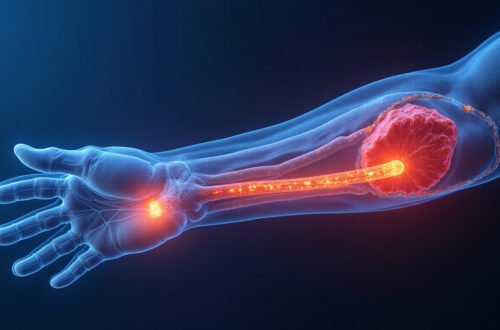
Electrotherapy is the therapeutic use of electrical energy to treat pain, muscle dysfunction, and circulation problems. By sending controlled electrical impulses through the skin, it can:
- Stimulate nerves to reduce pain
- Activate muscles that are weak or inhibited
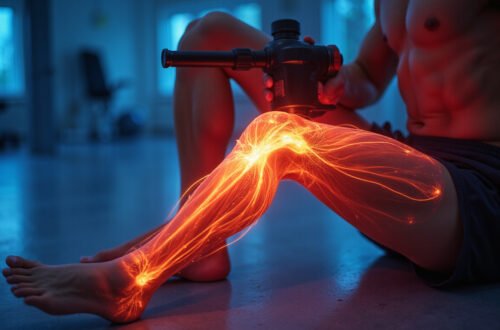
- Enhance blood flow to injured tissues
- Support the body’s natural healing processes
Electrotherapy is typically delivered through adhesive electrodes placed on the skin, although some techniques use pads, probes, or water baths. The treatment is non-invasive and, for most people, safe when used under professional guidance.
How Electrotherapy Reduces Pain
Pain relief is one of the most common reasons people use electrotherapy. There are two main mechanisms at work:
-
Gate Control Theory of Pain
Certain forms of electrical stimulation target sensory nerves. These signals “compete” with pain signals in the spinal cord, effectively closing the “gate” to pain messages traveling to the brain. You feel a tingling sensation instead of sharp or aching pain. -
Endorphin Release
Other settings stimulate motor nerves and small-diameter nerve fibers that trigger the release of endorphins—the body’s natural painkillers. This can create a longer-lasting reduction in pain, even after the device is turned off.
Because electrotherapy can modulate pain without drugs, it’s often used as part of a comprehensive plan to reduce reliance on pain medication.
Common Types of Electrotherapy Techniques
Different electrotherapy techniques have different goals—some focus on pain, others on muscle activation or healing. Here are the most widely used methods.
1. TENS (Transcutaneous Electrical Nerve Stimulation)
TENS is one of the best-known forms of electrotherapy. It uses low-voltage currents delivered through electrodes on the skin.
Typical uses:
- Chronic low back pain
- Arthritis pain
- Neck and shoulder pain
- Post-surgical pain (under medical guidance)
How it works:
- High-frequency TENS (e.g., 80–120 Hz) primarily uses the gate control mechanism.
- Low-frequency TENS (e.g., 2–10 Hz) tends to promote endorphin release.
Most people feel a tingling or buzzing sensation. TENS should not be painful; if it is, the intensity should be reduced.
2. NMES (Neuromuscular Electrical Stimulation)
NMES is designed to cause muscle contractions. It targets motor nerves to help restore or maintain muscle strength and function.
Typical uses:
- After surgery (e.g., ACL reconstruction, knee replacement) to prevent muscle wasting
- Following injury when voluntary movement is limited
- To re-educate muscles after nerve damage
- Improving quadriceps activation in knee pain patients
How it works:
The device sends pulses that cause the muscle to contract. These contractions help maintain or build strength when traditional exercise is painful or not yet possible. Over time, NMES can support better motor control and functional movement.
3. IFC (Interferential Current Therapy)
Interferential Current (IFC) uses two medium-frequency currents that intersect in the body, creating a therapeutic low-frequency effect deep within the tissues.
Typical uses:
- Deeper musculoskeletal pain (e.g., hip, low back)
- Post-operative pain and edema
- Joint pain with significant muscle guarding
How it works:
By intersecting currents, IFC can reach deeper tissues with less discomfort than some surface-level treatments. It’s often used in physical therapy clinics when patients need pain relief over a larger or deeper area.
4. Russian Stimulation
Russian stimulation is a specific type of medium-frequency NMES often used for strengthening.
Typical uses:
- Muscle strengthening in athletes
- Post-injury or post-surgery muscle atrophy
- Quadriceps and glute strengthening protocols
How it works:
Delivered as bursts of medium-frequency current, Russian stimulation aims to produce strong, tetanic muscle contractions. It’s typically used under professional supervision due to its intensity.
5. Microcurrent Therapy
Microcurrent therapy uses extremely low-intensity currents, often below the level of sensation.
Typical uses:
- Soft tissue injuries (tendons, ligaments, muscles)
- Wounds and ulcers
- Chronic inflammatory conditions
How it works:
The current is designed to mimic the body’s natural electrical signals at the cellular level. Some evidence suggests it may help support tissue repair, reduce inflammation, and improve cellular energy (ATP) production.
How Electrotherapy Supports Faster Recovery
Beyond pain relief, electrotherapy is valued for its ability to speed up the rehabilitation process when used as part of a comprehensive plan. Here’s how it can help you recover faster:
-
Improved Muscle Activation
After injuries or surgery, muscles often “shut down” (inhibition). NMES and Russian stimulation help wake up these muscles, allowing you to begin strengthening exercises sooner and more effectively. -
Enhanced Circulation
Certain electrotherapy settings promote local blood flow, delivering oxygen and nutrients necessary for healing while helping clear metabolic waste that can contribute to soreness. -
Swelling and Inflammation Management
By improving circulation and modulating nerve activity, electrotherapy can help control inflammation and edema, making it easier—and less painful—to move. -
Reduced Pain for Better Exercise Tolerance
When pain is managed, you can tolerate more rehabilitation exercises and functional training. This leads to faster improvements in strength, mobility, and overall function.
According to research summarized by the American Physical Therapy Association, selected electrotherapy modalities can be effective adjuncts for pain control and neuromuscular re-education when used appropriately as part of a broader rehab program (source: APTA).
Conditions Commonly Treated With Electrotherapy
Electrotherapy is not a cure-all, but it can be a powerful support for many musculoskeletal and neurological conditions, including:
- Osteoarthritis and rheumatoid arthritis
- Low back and neck pain
- Tendonitis and bursitis
- Post-surgical pain and weakness
- Sports injuries (sprains, strains, tendinopathies)
- Frozen shoulder
- Knee pain (e.g., patellofemoral pain, post-ACL reconstruction)
- Nerve-related pain (e.g., sciatica, radiculopathy) in some cases
- Stroke-related muscle weakness (under neuro rehab supervision)
Always consult a licensed healthcare professional to determine if a specific electrotherapy approach is appropriate for your diagnosis.
What to Expect During an Electrotherapy Session
If you’ve never had electrotherapy before, the process is straightforward.
-
Assessment and Setup
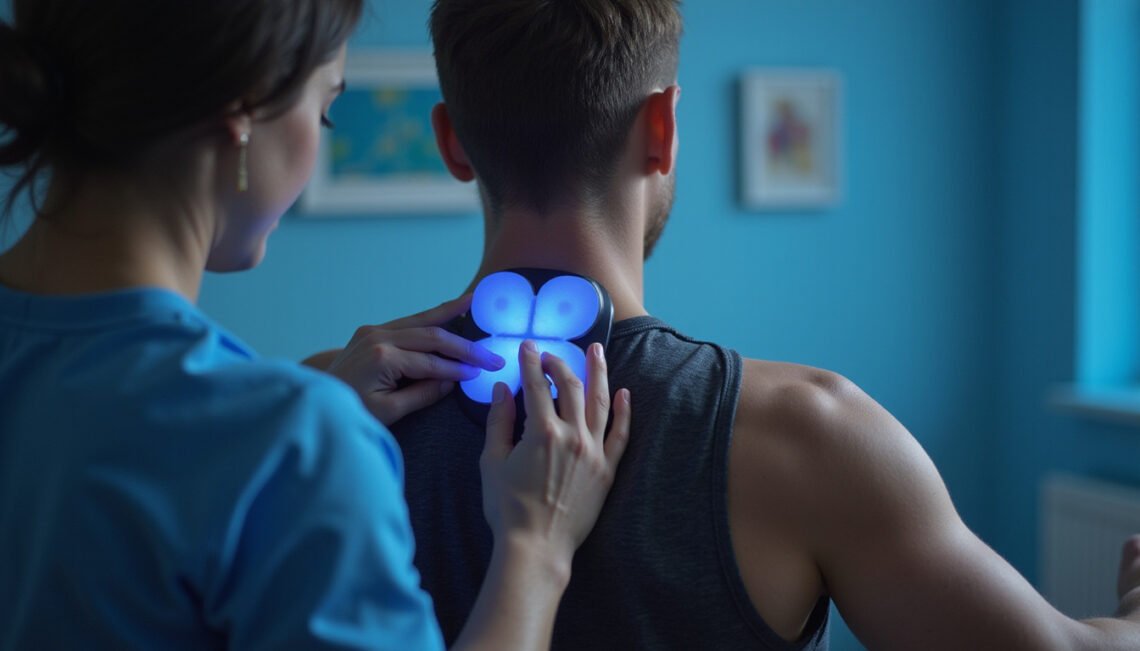
A therapist or clinician evaluates your condition, then places adhesive electrodes around the painful or weak area. The exact placement depends on your goals (pain relief vs. muscle activation). -
Intensity Adjustment
The device is turned on at a low intensity, then gradually increased. For pain relief, you should feel a strong tingling that’s comfortable. For muscle stimulation, you’ll feel clear contractions that should be noticeable but tolerable. -
Duration
Sessions typically last 10–30 minutes, depending on the technique and treatment plan. -
After the Session
You may notice immediate pain relief, improved motion, or muscle fatigue (with NMES). Skin under the electrodes may be slightly red for a short time but should not be blistered or damaged.
Safety, Side Effects, and Who Should Avoid Electrotherapy
Electrotherapy is generally safe when used properly, but there are important precautions.
Common, Mild Effects
- Temporary skin redness under electrodes
- Mild muscle soreness after NMES or Russian stimulation
- Slight tingling or warmth during treatment
When Electrotherapy Is Not Appropriate
Electrotherapy should usually be avoided or used only under strict medical supervision if you:
- Have a pacemaker, implanted defibrillator, or certain other cardiac devices
- Are pregnant, especially over the abdomen or low back
- Have active cancer in the treatment region (unless specifically cleared by your physician)
- Have infected or open wounds where electrodes would be placed (unless using a device specifically cleared for wound care)
- Have impaired sensation where you can’t feel the intensity adequately
- Experience active epilepsy (avoid electrodes on the head/neck unless prescribed by a specialist)
Always tell your therapist or doctor about your medical history and medications before starting electrotherapy.
Using Electrotherapy at Home: Tips and Best Practices
Many people now use home TENS or NMES units to extend the benefits of clinic-based treatment. If you’re considering a home device:
1. Get Professional Guidance First
- Ask your physical therapist or physician which type of electrotherapy is suitable.
- Request a demonstration of electrode placement and safe intensity settings.
2. Choose a Quality Device
- Look for devices cleared by your country’s regulatory body (e.g., FDA-cleared in the U.S.).
- Prefer units with adjustable frequency, intensity, and modes.
3. Follow These Basic Rules
- Start at low intensity and increase gradually.
- Keep electrodes away from the front of the neck, eyes, mouth, and chest (near the heart).
- Do not use while driving, operating machinery, or sleeping.
- Stop immediately if you feel burning, sharp pain, dizziness, or chest discomfort.
Maximizing Benefits: Combine Electrotherapy With Active Rehab
Electrotherapy works best as part of a bigger picture, not as a standalone solution. To get the most benefit:
- Combine with targeted exercise: Use NMES before or during strengthening exercises to boost muscle activation.
- Use TENS to enable movement: Apply TENS before or after stretching, mobility work, or functional training to reduce pain and improve participation.
- Integrate manual therapy: When appropriate, pair electrotherapy with hands-on techniques like joint mobilization or soft tissue work.
- Adjust based on feedback: Track your pain levels, function, and exercise tolerance; share these with your therapist so they can fine-tune your treatment.
FAQ: Electrotherapy, Electrical Stimulation, and TENS
Q1: Is electrotherapy the same as electrical stimulation?
Electrical stimulation is a broad category of treatments using electrical currents, and electrotherapy is the clinical application of these currents for therapeutic goals. In practice, terms like “electrotherapy” and “electrical stimulation” are often used interchangeably, but they can include TENS, NMES, IFC, and other modalities.
Q2: Does TENS electrotherapy work for chronic back pain?
Many people with chronic low back pain get meaningful short-term relief from TENS electrotherapy, especially when it’s part of a larger plan including exercise, education, and lifestyle changes. Response varies from person to person, so it’s wise to trial TENS under professional guidance and evaluate your individual results.
Q3: Can I overuse electrotherapy for pain relief?
Most TENS-based electrotherapy can be used multiple times per day if your skin tolerates it and your clinician approves. However, relying only on electrical pain relief without addressing strength, posture, movement patterns, or underlying conditions can limit long-term progress. Use it as a tool to help you move better—not a substitute for rehab.
Take the Next Step Toward Less Pain and Faster Recovery
Electrotherapy can be a powerful ally in reducing pain, restoring muscle function, and accelerating your recovery—when it’s applied thoughtfully and combined with an active rehabilitation plan. If you’re struggling with persistent pain, recovering from surgery, or trying to get back to sport after an injury, don’t guess your way through electrical stimulation.
Consult a licensed physical therapist or rehabilitation professional to determine which electrotherapy techniques are right for you, how often to use them, and how to pair them with targeted exercises. With expert guidance and consistent effort, you can turn electrotherapy from a simple gadget into a strategic tool that helps you move better, hurt less, and return to the activities you value most.