Functional restoration is more than a medical term—it’s a structured pathway to reclaim how you move, work, and live after pain, injury, or chronic health issues. Instead of focusing only on symptoms, a functional restoration approach aims to rebuild strength, mobility, and confidence so you can return to meaningful, everyday activities.
This roadmap will walk you through what functional restoration is, why it works, and how to apply it step by step—whether you’re recovering from an injury, living with chronic pain, or simply trying to restore lost function after a setback.
What Is Functional Restoration?
Functional restoration is a comprehensive, evidence-based rehabilitation approach that focuses on:
- Reducing pain and disability
- Restoring movement, strength, and endurance
- Improving daily functioning at home, work, and in the community
- Addressing physical, psychological, and lifestyle factors together
Originally developed for people with chronic low back pain, functional restoration programs are now used more broadly in physical therapy, pain management, and occupational rehabilitation. They typically combine:
- Physical reconditioning (strength, flexibility, endurance)
- Functional task training (lifting, reaching, walking, work tasks)
- Education (pain science, posture, pacing, self-care)
- Psychological support (coping strategies, fear reduction, confidence building)
In other words, it’s not just about healing tissues—it’s about restoring your whole life function.
Why Functional Restoration Works
A well-designed functional restoration program is effective because it addresses the key drivers of long-term disability:
- Deconditioning – When pain or injury sidelines you, muscles weaken, joints stiffen, and stamina drops.
- Fear of movement – Fear of re-injury can lead to avoidance of activity, which actually worsens pain and disability.
- Unhelpful pain beliefs – Believing that pain always means damage can keep you stuck and inactive.
- Lifestyle factors – Poor sleep, high stress, and low activity amplify pain and slow recovery.
Research shows that multidisciplinary, function-focused programs can significantly improve pain, function, and return-to-work rates in chronic musculoskeletal conditions (source: Cochrane Library).
By tackling both the body and the mind, functional restoration helps you break the cycle of pain and inactivity.
Step 1: Start With an Honest Baseline
Before you can map out where you’re going, you need to know where you stand.
Assess Your Current Function
A functional restoration journey starts with a clear baseline. This typically includes:
- Pain profile – Where it hurts, what triggers it, and how it behaves across the day.
- Mobility – How far you can bend, reach, twist, walk, or climb stairs.
- Strength and endurance – How much you can safely lift, carry, or sustain activity.
- Daily activities – What you can and can’t do at home, work, or in recreation.
- Psychological state – Levels of fear, anxiety, frustration, or hopelessness about your condition.
A healthcare professional—such as a physical therapist, physiatrist, or pain specialist—can perform standardized tests and questionnaires to document these areas.
Define What “Restored” Means to You
Functional restoration should be personalized. Ask yourself:
- Which activities do you most want to get back to?
- What would “a good day” look like three, six, or twelve months from now?
- What would make you feel strong, independent, and confident again?
Clarify 3–5 meaningful goals, like:
- “Walk 30 minutes without stopping.”
- “Lift my toddler without fear.”
- “Sit at my desk for 2 hours with manageable symptoms.”
These goals will guide your roadmap.
Step 2: Rebuild Strength the Smart Way
Strength is a cornerstone of functional restoration. Stronger muscles support joints, reduce strain, and improve tolerance to daily loads.
Principles of Functional Strength Training
-
Train movements, not just muscles
Instead of only using isolated exercises, focus on patterns you actually use in life: squats, hinges, pushes, pulls, carries, and rotations. -
Progress gradually
Start at a level that challenges you without flaring symptoms excessively, then increase load or complexity over time. -
Use tolerance, not pain elimination, as a guide
Some discomfort is common when reconditioning. The key is that pain should be tolerable, not escalating wildly, and should settle within 24 hours.
Example Functional Strength Progression
Always get clearance from your clinician, but a typical progression might look like:
-
Phase 1 – Activation and control
- Bodyweight squats to a chair
- Hip hinges with a dowel or light weight
- Wall push-ups
- Light resistance band rows
-
Phase 2 – Loaded patterns
- Goblet squats with a dumbbell or kettlebell
- Deadlifts from elevated blocks or using light weights
- Incline push-ups
- Cable or heavier band rows
-
Phase 3 – Real-world loading
- Lifting and carrying grocery bags
- Stair climbing with a backpack
- Floor-to-waist and waist-to-shoulder lifts
- Pushing or pulling weighted sleds or carts
The goal is not to turn you into an athlete (unless you want that) but to increase your capacity so everyday tasks feel easier and safer.
Step 3: Restore Mobility and Movement Quality
Functional restoration isn’t complete without addressing stiffness, movement patterns, and body awareness.
Key Mobility Targets
- Hips and ankles – Critical for squatting, walking, and balance.
- Thoracic spine (mid-back) – Important for posture, overhead reaching, and twisting.
- Shoulders – Needed for reaching, lifting, and carrying.
A typical session may combine:
- Gentle dynamic stretches (leg swings, arm circles)
- Controlled joint rotations (neck, shoulders, hips, ankles)
- Targeted stretches held 20–30 seconds
- Movement drills like lunges, step-ups, and rotation patterns
Movement Quality and Motor Control
Beyond simple flexibility, you need:
- Core stability – Not endless crunches, but the ability to brace and control your trunk during movement.
- Balance – Standing on one leg, tandem stance, or light perturbation training.
- Coordination – Smooth, controlled movements without compensations or guarding.
Over time, this reduces stiffness, improves posture, and makes complex movements feel more natural and less threatening.
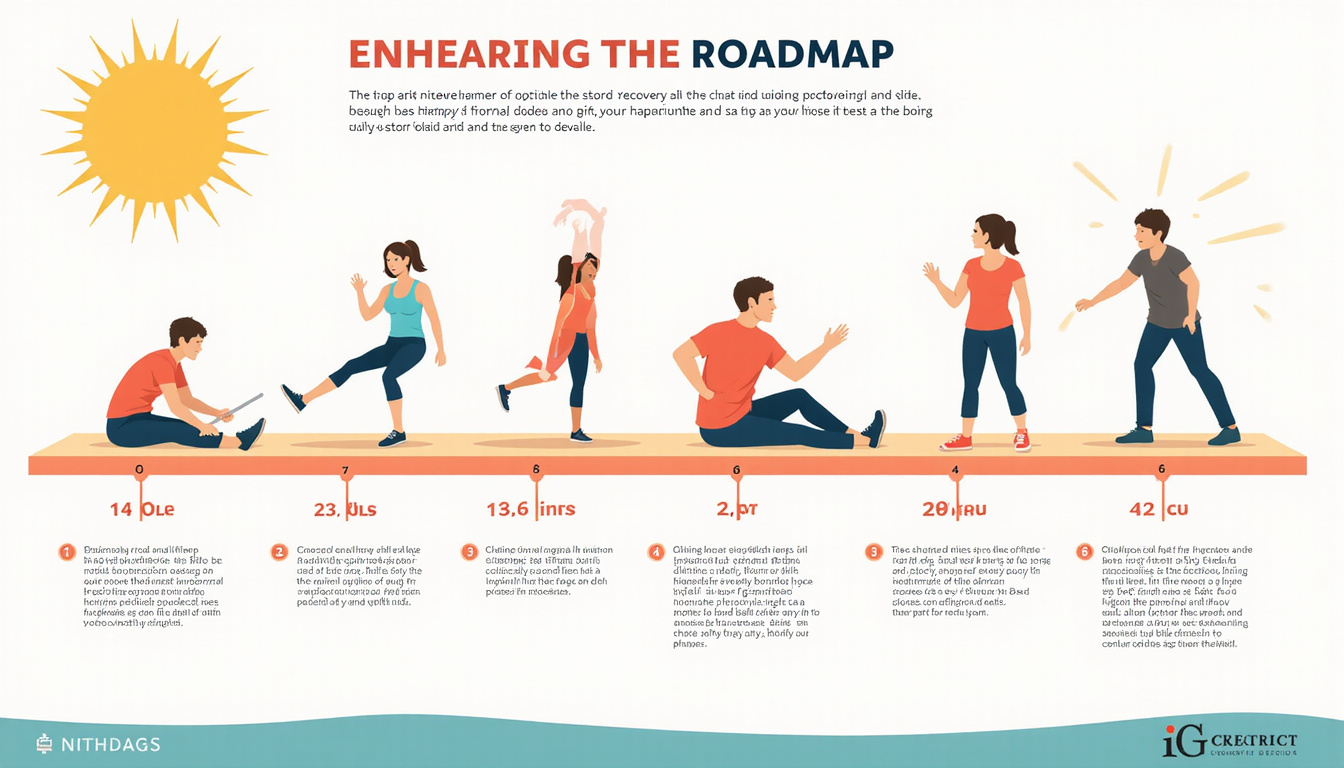
Step 4: Integrate Functional Tasks and Real-Life Demands
The hallmark of a strong functional restoration program is task-specific training—practice that mirrors your real-world challenges.
Train for Your Actual Life
Depending on your goals, your plan might include:
-
For office workers:
- Sit-to-stand drills
- Ergonomic setup and micro-break routines
- Gentle desk mobility sequences
-
For manual labor or caregiving:
- Safe lifting from the floor and to overhead heights
- Carrying asymmetrical loads (e.g., a child on one hip)
- Pushing and pulling objects of varying weights
-
For active hobbyists or athletes:
- Walking or jogging progression
- Sport-specific drills at gradually increasing intensity
- Agility and change-of-direction exercises
This step is where you test and refine your recovered capacity under conditions that look and feel like real life.
Step 5: Build Confidence and Reduce Fear
Strength and mobility alone aren’t enough. Long-lasting outcomes depend heavily on your beliefs, emotions, and coping strategies.
Understanding Pain in Functional Restoration
Modern pain science teaches that:
- Pain is an output of the nervous system, not a simple reflection of tissue damage.
- When the nervous system is sensitized, even safe movements can feel threatening.
- Gradual exposure to movement can “recalibrate” that system over time.
Education about how pain works is a core piece of many functional restoration programs because it reduces fear and helps you re-engage with activity more confidently.
Psychological Supports That Help
Elements often included in comprehensive programs:
- Cognitive-behavioral strategies to challenge unhelpful thoughts like “If it hurts, I’m causing damage.”
- Relaxation and breathing techniques to reduce nervous system arousal.
- Goal setting and activity planning to prevent boom-bust cycles (overdoing it on good days, crashing afterward).
- Group classes or support, where available, to normalize the experience and foster accountability.
With the right support, you shift from “I’m broken” to “I’m capable and rebuilding”—a powerful mindset change.
Step 6: Make Functional Gains Stick With Lifestyle Habits
Functional restoration isn’t a temporary boot camp; it’s the foundation for a more resilient way of living.
Key Lifestyle Pillars
- Regular physical activity – Aim for a mix of strength, mobility, and aerobic work each week, at a level appropriate for you.
- Sleep hygiene – Consistent rhythms, a dark quiet room, and pre-bed wind-down routines.
- Stress management – Breathing exercises, mindfulness, hobbies, or counseling when needed.
- Healthy pacing – Balancing activity and rest so you don’t continually overload your system.
A Simple Weekly Structure
Here’s an example of how a “maintenance” week might look after your initial restoration phase:
- 2–3 days: Full-body strength training with functional movements
- 2–4 days: Walking, cycling, or swimming (low-to-moderate intensity)
- Daily: 10–15 minutes of mobility work
- As needed: Short relaxation or breathing sessions for stress and pain spikes
Small, consistent actions preserve your hard-earned gains and prevent relapse into deconditioning.
A Sample Functional Restoration Checklist
Use this quick checklist to track your own roadmap:
- [ ] I have a clear baseline and understand my current limits.
- [ ] I’ve defined 3–5 meaningful functional goals.
- [ ] I’m following a progressive strength plan focused on real-life movements.
- [ ] I’m doing regular mobility and movement-quality work.
- [ ] I’m practicing real-world tasks that mirror my daily demands.
- [ ] I’ve learned about modern pain science and feel less fearful of movement.
- [ ] I’m building supportive lifestyle habits to maintain my progress.
FAQ: Functional Restoration and Recovery
1. What is a functional restoration program in physical therapy?
A functional restoration program in physical therapy is a structured, often multidisciplinary plan that combines exercise, education, and behavioral strategies to improve physical function, reduce pain-related disability, and help you return to work and daily life. It emphasizes whole-person recovery rather than isolated symptom treatment.
2. How long does a functional restoration rehab plan usually take?
The duration of a functional restoration rehab plan varies, but many structured programs run from 4 to 12 weeks, with multiple sessions per week. For chronic conditions or complex injuries, elements of functional restoration may continue longer as part of a long-term maintenance strategy.
3. Is functional restoration therapy only for chronic pain?
No. While functional restoration therapy is well-known in chronic pain management, its principles apply to many situations: post-surgical rehab, sports injuries, work-related injuries, age-related deconditioning, and even general wellness programs focused on rebuilding strength and mobility.
Take the Next Step on Your Functional Restoration Journey
Regaining strength, mobility, and confidence after pain or injury is absolutely possible—but it doesn’t happen by chance. A thoughtful functional restoration roadmap gives you a clear, evidence-based way forward: assess your baseline, rebuild strength and mobility, practice real-life tasks, address fear and mindset, and lock it all in with sustainable habits.
If you’re ready to move from just “managing pain” to truly restoring your life, connect with a qualified rehab professional—such as a physical therapist, physiatrist, or multidisciplinary pain clinic—and ask specifically about a functional restoration–based approach. Bring your goals, your questions, and your willingness to work. The sooner you start, the sooner you can return to the activities and independence that matter most to you.