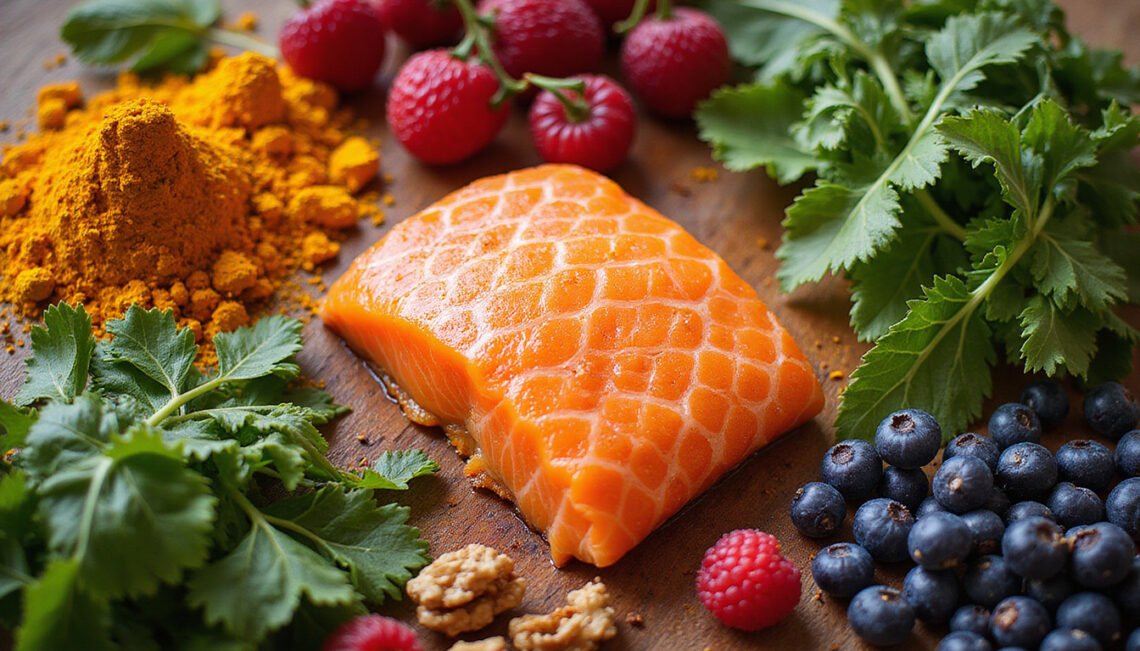
Healing nerves and restoring sensation is a slow, delicate process—but what you eat can meaningfully support that recovery. Nerve nutrition focuses on giving your body the vitamins, minerals, healthy fats, and antioxidants it needs to protect nerve cells, repair damage, reduce inflammation, and optimize communication between your brain and the rest of your body.
Whether you’re recovering from nerve injury, neuropathy, surgery, or just want to protect your sensory health as you age, the right foods can complement medical treatment and lifestyle changes. This guide walks you through the top 10 healing foods for sensory recovery and how to actually use them in your daily meals.
Why nerve nutrition matters for sensory recovery
Your nervous system relies on a steady supply of specific nutrients to:
- Build and repair myelin (the fatty sheath that insulates nerves)
- Support neurotransmitter production
- Maintain healthy blood flow to nerve tissue
- Reduce oxidative stress and inflammation
- Regulate blood sugar (critical in diabetic neuropathy)
Deficiencies in B vitamins, omega-3 fats, vitamin D, and certain minerals like magnesium can contribute to nerve pain, tingling, numbness, and slower healing. Research shows that targeted nutritional support can improve symptoms and nerve function, especially when combined with medical care and physical therapy (source: Harvard Health).
1. Fatty fish: Omega-3 powerhouses for nerve repair
Wild salmon, mackerel, sardines, trout, and herring are among the best foods for nerve health. They’re rich in:
- Omega-3 fatty acids (EPA and DHA) – key components of nerve cell membranes and myelin
- Vitamin D – important for nerve and muscle function
- High-quality protein – provides amino acids for tissue repair
Omega-3s help reduce inflammation, support healthy circulation to nerves, and may enhance nerve regeneration. Studies have linked higher omega-3 intake to improved nerve conduction and reduced neuropathic pain.
How to use them:
- Aim for 2–3 servings of fatty fish per week.
- Choose baked, grilled, or poached preparations over deep-fried.
- Add canned sardines or salmon to salads or whole-grain crackers for a quick nerve-supporting meal.
2. Leafy greens: Folate and antioxidants for nerve protection
Spinach, kale, Swiss chard, collard greens, and arugula are dense in nerve-protective nutrients:
- Folate (vitamin B9) – essential for nerve function and DNA repair
- Magnesium – helps regulate nerve signaling and muscle relaxation
- Antioxidants (vitamins C, E, carotenoids) – combat oxidative damage to nerve tissue
Low folate levels have been linked to neurological symptoms, including numbness and cognitive changes. Leafy greens also support overall vascular health, improving blood flow to peripheral nerves.
How to use them:
- Add a handful of spinach or kale to smoothies.
- Build at least one large leafy salad a day with a healthy fat (olive oil, avocado) to boost absorption.
- Lightly sauté greens with garlic and olive oil as a side dish for any protein.
3. Nuts and seeds: Vitamin E and healthy fats for nerve protection
Almonds, walnuts, pistachios, sunflower seeds, chia seeds, flaxseeds, and pumpkin seeds are compact nerve nutrition powerhouses:
- Vitamin E – a potent antioxidant that protects nerve cell membranes
- Healthy fats – support myelin integrity and reduce inflammation
- Magnesium and zinc – support nerve signaling and tissue repair
- Plant-based omega-3s (ALA) – especially in walnuts, chia, and flax
Vitamin E deficiency can lead to neurological problems, including peripheral neuropathy. Regular intake from whole foods is safer and more effective than high-dose supplements for most people.
How to use them:
- Sprinkle seeds over oatmeal, yogurt, or salads.
- Snack on a small handful of mixed nuts daily (about 1 ounce).
- Add ground flax or chia to smoothies or baked goods for a nerve-friendly boost.
4. Avocados: Healthy fats and B vitamins for nerve signaling
Avocados provide a rare combination of monounsaturated fats, fiber, and nerve-supporting nutrients:
- Monounsaturated fats – support healthy blood vessels and nerve insulation
- Vitamin B6 – crucial for neurotransmitter synthesis
- Folate and potassium – help maintain overall nerve and muscle function
These creamy fruits are especially helpful for people avoiding animal fats but still needing high-quality dietary fat to support myelin and nerve cell membranes.
How to use them:
- Add avocado slices to whole-grain toast or salads.
- Make guacamole as a healthy dip for vegetable sticks.
- Blend ¼–½ avocado into smoothies for extra creaminess and nerve support.
5. Berries: Antioxidant-rich allies against nerve damage
Blueberries, strawberries, raspberries, blackberries, and cherries are loaded with:
- Anthocyanins and polyphenols – powerful antioxidants that protect nerve tissue
- Vitamin C – supports collagen and blood vessel health
- Fiber – helps regulate blood sugar, reducing nerve damage risk in diabetes
Oxidative stress is a major contributor to nerve damage and sensory loss. Berries help neutralize free radicals and may support brain-derived neurotrophic factor (BDNF), which plays a role in nerve growth and repair.
How to use them:
- Top your breakfast (oatmeal, yogurt, chia pudding) with a cup of mixed berries.
- Keep frozen berries on hand for quick smoothies.
- Swap sugary desserts for a bowl of berries with a few nuts.
6. Eggs: Complete protein and B12 for nerve function
Eggs are a compact source of key nerve nutrition elements:
- Vitamin B12 – essential for myelin formation and nerve conduction
- Choline – supports acetylcholine production, a neurotransmitter involved in memory and muscle control
- High-quality protein – necessary for tissue healing and enzyme production
B12 deficiency is a well-known cause of neuropathy, tingling, and sensory changes, especially in older adults and those on vegan diets. Eggs can be a valuable part of a B12-conscious diet (though vegans will need fortified foods or supplements).
How to use them:
- Enjoy boiled eggs as a portable, nerve-supporting snack.
- Make veggie-loaded omelets using leafy greens and mushrooms.
- Combine eggs with smoked salmon or spinach for a B-vitamin-rich meal.
7. Legumes: Plant-based nerve nutrition for blood sugar balance
Lentils, chickpeas, black beans, kidney beans, and soybeans support nerve health in multiple ways:
- B vitamins (especially B1, B6, and folate) – vital for nerve metabolism
- Magnesium and potassium – help stabilize nerve and muscle function
- Fiber and protein – moderate blood sugar spikes, reducing nerve damage risk in people with diabetes
Consistently high blood sugar is one of the leading causes of peripheral neuropathy. Legumes help smooth out glucose levels, relieving one of the key stressors on nerve tissue.
How to use them:
- Add lentils to soups, stews, and salads.
- Use hummus (chickpea spread) as a dip or sandwich spread.
- Replace some meat meals with bean-based chili or stir-fries.
8. Citrus and bell peppers: Vitamin C for collagen and circulation
Oranges, grapefruits, lemons, limes, and brightly colored bell peppers are excellent sources of:
- Vitamin C – essential for collagen formation in blood vessels and connective tissue
- Antioxidants – protect delicate nerve structures
- Hydrating fluids – support overall cellular function
Healthy microcirculation is critical for delivering oxygen and nutrients to peripheral nerves in the feet, hands, and skin. Vitamin C also helps regenerate vitamin E, creating a strong antioxidant network.
How to use them:
- Snack on orange slices or grapefruit halves.
- Add red and yellow bell peppers to salads, stir-fries, and omelets.
- Squeeze lemon or lime over fish, beans, and greens to boost flavor and vitamin C.
9. Turmeric and ginger: Anti-inflammatory spices for nerve pain
While not “foods” in the traditional sense, turmeric and ginger deserve a place in any nerve nutrition plan:
- Turmeric (curcumin) – has anti-inflammatory and antioxidant properties; may reduce neuropathic pain and support nerve regeneration in some studies.
- Ginger – supports circulation, digestion, and has mild anti-inflammatory effects.
Chronic inflammation can worsen neuropathic symptoms and slow healing. Regular, culinary-level use of these spices is generally safe for most people and can be a valuable adjunct to medical treatment.
How to use them:
- Add turmeric and black pepper (improves absorption) to soups, rice, eggs, and roasted vegetables.
- Grate fresh ginger into stir-fries, marinades, and herbal teas.
- Make “golden milk” with turmeric, ginger, a pinch of black pepper, and a milk of your choice.
10. Dark chocolate and cocoa: Flavanols for blood flow and brain health
High-quality dark chocolate (70% cocoa or higher) and unsweetened cocoa powder can support nerve and sensory function when consumed in moderation:
- Flavanols – promote healthy blood flow, including to the brain and peripheral nerves
- Magnesium – supports calm nerve and muscle function
- Antioxidants – protect against oxidative stress
The key is portion control and minimal added sugar. Too much sugar undermines nerve health, especially in people with metabolic issues.
How to use them:
- Enjoy a small piece (about 1 ounce) of dark chocolate as an occasional treat.
- Stir unsweetened cocoa powder into oatmeal or smoothies, sweetened lightly with fruit.
- Choose minimally processed, low-sugar options to keep your nerve nutrition on track.
Simple daily nerve nutrition checklist
To make this practical, here’s a quick daily pattern that supports sensory recovery:
-
Include a nerve-friendly protein
Fish, eggs, beans, lentils, tofu, or lean poultry. -
Fill half your plate with vegetables
Prioritize leafy greens and colorful veggies like peppers. -
Add one rich source of healthy fat
Avocado, nuts, seeds, olive oil, or fatty fish. -
Get at least one serving of berries or citrus
For antioxidants and vitamin C. -
Use nerve-supportive seasonings
Turmeric, ginger, garlic, and herbs instead of heavy salt or sugar. -
Keep blood sugar steady
Choose whole grains, legumes, and fiber-rich foods; avoid frequent sugary snacks and drinks.
FAQs on nerve nutrition and sensory recovery
1. Which vitamins are best for nerve damage?
The most important vitamins for nerve damage include B12, B1, B6, folate, vitamin D, and vitamin E. These support myelin repair, nerve signaling, and protection from oxidative stress. Getting them through a balanced nerve nutrition approach—fatty fish, eggs, leafy greens, nuts, seeds, and fortified foods—is often better than relying solely on high-dose supplements, unless a deficiency has been confirmed by blood tests.
2. What are the best foods for nerve regeneration and pain relief?
For nerve regeneration, emphasize omega-3-rich fish, leafy greens, eggs, nuts, seeds, avocados, berries, and legumes. For pain relief, anti-inflammatory foods like turmeric, ginger, extra-virgin olive oil, fatty fish, and colorful fruits and vegetables can help lower inflammatory processes that worsen neuropathic pain. These should complement, not replace, medications and therapies your clinician recommends.
3. Can diet help peripheral neuropathy symptoms in the feet and hands?
Yes, diet can significantly influence peripheral neuropathy, especially when blood sugar control is involved. A nerve nutrition plan that focuses on stable blood sugar (whole grains, legumes, fiber), adequate B vitamins (especially B12), and anti-inflammatory fats (omega-3s, olive oil, nuts) can reduce burning, tingling, and numbness for many people. However, results vary, and it usually takes weeks to months of consistent diet changes alongside medical treatment to notice improvement.
Bring nerve nutrition into your next meal
Nerves heal slowly—but every meal is an opportunity to support that healing. By consistently including fatty fish, leafy greens, nuts and seeds, avocados, berries, legumes, citrus, anti-inflammatory spices, and even a bit of dark chocolate, you create an internal environment where nerves can better repair, communicate, and protect your sensory pathways.
Use this guide as a starting point: pick two or three nerve-supporting changes you can make this week—maybe swapping processed snacks for nuts and berries, adding a leafy green to every lunch, or aiming for fatty fish twice a week. Then build from there.
If you’re dealing with ongoing numbness, tingling, or nerve pain, talk with your healthcare provider or a registered dietitian about a personalized nerve nutrition plan tailored to your medical history, medications, and lab results. The right combination of clinical care and targeted nutrition can help you regain comfort, function, and confidence in your body’s ability to feel and respond.