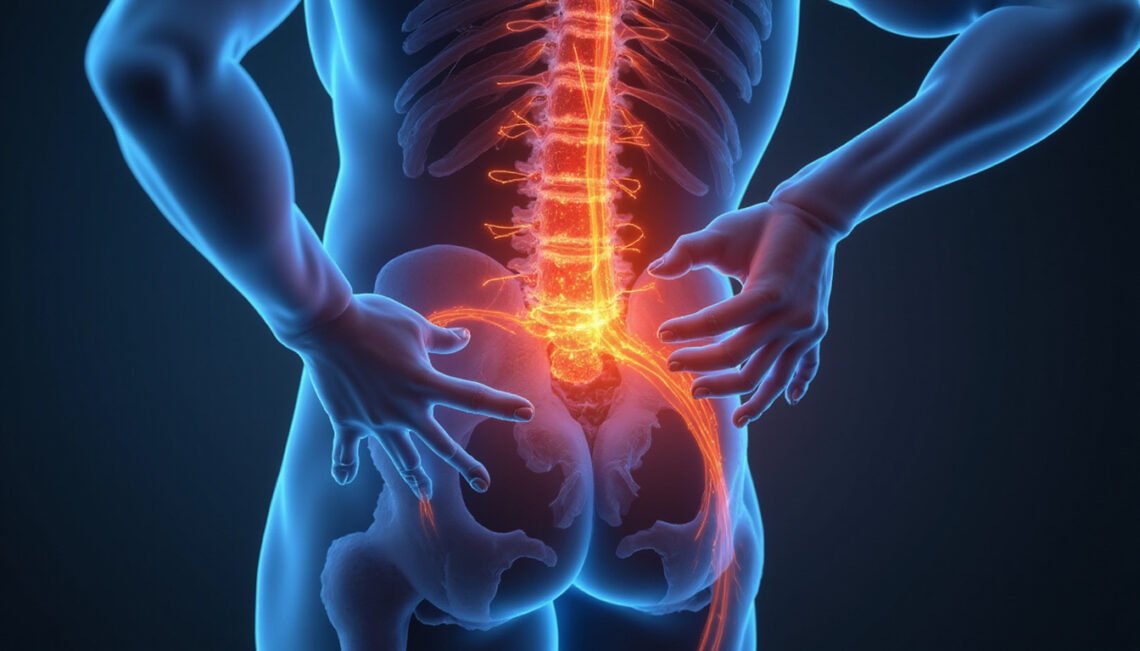
If you’ve struggled with stubborn lower back pain that doesn’t respond to typical treatments, cluneal nerve entrapment might be the missing piece of the puzzle. This often-overlooked condition can mimic sciatica, sacroiliac joint pain, or even lumbar disc problems, leading to years of misdiagnosis and ineffective therapy. Understanding how cluneal nerve entrapment develops, what it feels like, and how it’s diagnosed and treated can help you finally move toward lasting relief.
What Is Cluneal Nerve Entrapment?
The cluneal nerves are small sensory nerves that supply feeling to the skin over your lower back, upper buttocks, and part of the hips. There are three main groups:
- Superior cluneal nerves (from the lower thoracic and upper lumbar spine)
- Middle cluneal nerves (from the sacral region)
- Inferior cluneal nerves (from the lower sacral region, near the buttock fold)
Cluneal nerve entrapment occurs when one or more of these nerves becomes compressed or irritated as it passes through tight spaces in muscles, fascia (connective tissue), or around bony structures in the pelvis and lower back. Because these nerves are sensory, entrapment doesn’t usually cause weakness, but it can cause intense and persistent pain.
How Cluneal Nerve Entrapment Causes Lower Back Pain
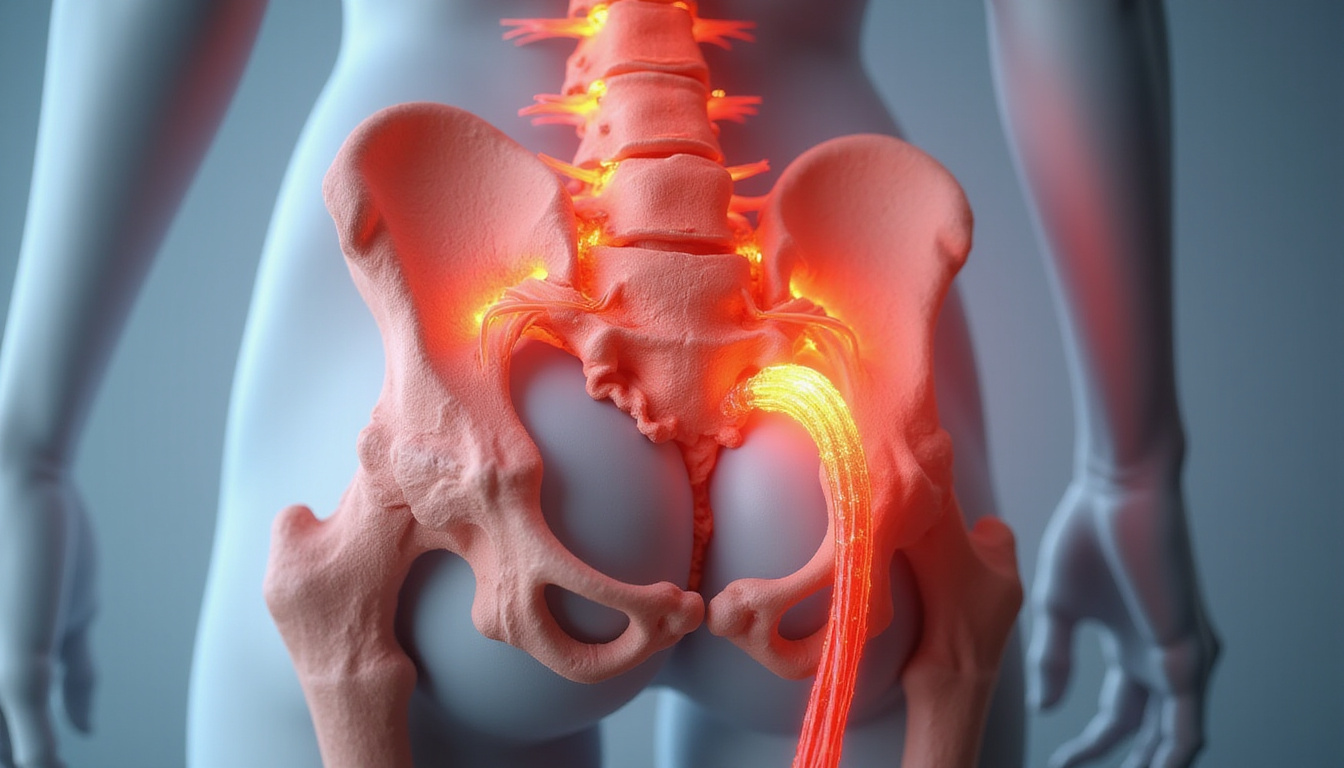
The superior cluneal nerves are most commonly involved. They travel from the spine, pass over the iliac crest (the top of the pelvic bone), and then branch out to the skin. At one point, the nerves pass through a tight fibrous tunnel in the thoracolumbar fascia; this is a common site of entrapment.
When the nerve is irritated or compressed:
- It sends repeated pain signals to the brain.
- Nearby soft tissues can become inflamed and tender.
- The brain may “spread” the perceived pain to a wider area (referred pain), making it feel like a deep muscle or joint problem.
Because the pain is felt in the lower back and buttock, cluneal nerve entrapment is easy to confuse with:
- Lumbar disc herniation
- Facet joint arthritis
- Sacroiliac (SI) joint dysfunction
- Piriformis syndrome or sciatica
This overlap is a primary reason many people go years without the correct diagnosis.
Common Causes and Risk Factors
Cluneal nerve entrapment can affect both active and sedentary people. Often, it results from a combination of anatomical quirks and repetitive stress. Common contributing factors include:
- Repetitive bending, lifting, or twisting (common in manual labor or caregiving)
- Prolonged sitting, especially on hard surfaces or with poor posture
- Direct trauma to the lower back or pelvis (falls, car accidents, sports injuries)
- Previous back or hip surgery, which can cause scarring and tissue tightness
- Muscle imbalances or tightness in the lower back, glutes, or hip stabilizers
- Degenerative changes in the spine or pelvis that alter normal movement patterns
Even in the absence of a clear injury, chronic micro-irritation from everyday movements or static posture can gradually sensitize the nerve.
Symptoms: How Cluneal Nerve Entrapment Feels
Symptoms can vary, but certain patterns are strongly associated with cluneal nerve entrapment.
Typical Pain Pattern
People commonly describe:
- Localized pain in the lower back or upper buttock, often just above the iliac crest
- Pain that may radiate slightly outward into the side of the hip or down into the upper buttock
- A small, very tender spot over the posterior iliac crest on one or both sides
The pain can feel:
- Sharp, stabbing, or electric when the area is pressed or bumped
- Achy, burning, or nagging at rest
- Worse with certain movements (bending back, twisting, long walks, or standing)
Aggravating and Relieving Factors
You may notice:
- Pain aggravated by:
- Prolonged sitting or standing
- Walking uphill or climbing stairs
- Bending backward or twisting
- Direct pressure over the upper buttock region (e.g., belts, backpack straps, tight waistbands)
- Pain temporarily eased by:
- Lying down
- Gentle stretching or changing positions
- Local heat or massage (but often only short-term relief)
- Numbing injections in the area
What’s Usually Not Present
Because cluneal nerve entrapment primarily affects superficial sensory nerves, many patients do not have:
- True shooting leg pain below the knee (classic sciatica)
- Numbness or tingling in the foot
- Noticeable leg weakness or foot drop
- Loss of reflexes
If these symptoms are present, other conditions such as lumbar radiculopathy should be carefully ruled out.
Why Cluneal Nerve Entrapment Is Often Missed
Despite being recognized in medical literature for decades, cluneal nerve entrapment is still underdiagnosed. Reasons include:
- Non-specific pain pattern that overlaps with common back problems
- Normal imaging: X-rays and MRI often look fine or only show age-related changes that don’t explain the pain
- Limited awareness among clinicians, especially when low back pain is assumed to be disc-related by default
- Short appointments, which can miss subtle exam findings such as a small point of maximal tenderness
Studies suggest that a meaningful percentage of patients with chronic “nonspecific” low back pain may actually have cluneal nerve involvement (source: National Library of Medicine).
How Cluneal Nerve Entrapment Is Diagnosed
There’s no single test that definitively proves cluneal nerve entrapment, but a careful combination of history, physical exam, and diagnostic injection can be very revealing.
Key Elements of Diagnosis
-
Detailed history
- Location, quality, and triggers of pain
- Previous back diagnoses and treatments
- History of falls, sports injuries, or surgeries
-
Physical examination
- Palpation (pressing) along the iliac crest and upper buttock
- Identifying a trigger point that reproduces your familiar pain
- Assessing motion in the lumbar spine, hips, and sacroiliac joints
- Neurological exam to check reflexes, strength, and sensation
-
Diagnostic nerve block
- A small amount of local anesthetic is injected near the suspected cluneal nerve entrapment site.
- If your pain significantly improves for hours to a day, this strongly supports the diagnosis.
-
Imaging (to rule out other causes)
- MRI or CT scans are mainly used to exclude serious conditions (e.g., fractures, tumors, severe disc herniation).
- Ultrasound might be used to guide injections but often can’t “show” the entrapment itself.
Treatment Options for Cluneal Nerve Entrapment
The good news: many people improve with targeted, minimally invasive treatments once the diagnosis is made.
Conservative and Non-Surgical Approaches
-
Activity modification
- Shorten prolonged sitting, standing, or repetitive bending.
- Use cushions, lumbar support, or sit-stand desks as needed.
- Adjust belts, waistbands, or backpack straps that compress the lower back area.
-
Physical therapy
A skilled therapist can focus on:- Gentle stretching of the lower back, gluteal, and hip muscles
- Core and pelvic stability exercises
- Postural training and movement re-education
- Soft tissue work around the iliac crest and lumbar fascia
-
Medications
- Short-term use of NSAIDs (e.g., ibuprofen, naproxen) for inflammation
- Topical agents (lidocaine patches, capsaicin cream)
- In some chronic cases, nerve pain medications (e.g., gabapentin) may be considered under medical supervision
-
Targeted injections
- Local anesthetic + corticosteroid injections at the entrapment site
- Can provide both diagnostic confirmation and therapeutic relief
- Some patients experience weeks to months of benefit; injections can be repeated periodically if helpful
-
Radiofrequency ablation (RFA) or neurolysis
- Uses heat or chemical agents to partially “deactivate” the painful nerve fibers
- Considered when nerve blocks help but pain quickly returns
- Aim is to reduce pain while preserving as much normal sensation as possible
When Surgery Is Considered
Surgery is usually reserved for people whose pain remains disabling despite thorough conservative care and repeated successful nerve blocks.
Cluneal nerve decompression involves:
- Making a small incision over the entrapment site
- Freeing the nerve from tight fascia or tissue bands that compress it
- Sometimes removing a small portion of bone or fibrous tissue that narrows the nerve tunnel
In selected patients, surgical outcomes can be very positive, with substantial pain reduction and improved function. However, as with any nerve surgery, there are risks:
- Incomplete pain relief
- Recurrence of symptoms
- New numbness or altered sensation
A surgeon with specific experience in peripheral nerve decompression is essential if surgery is on the table.
Self-Management Strategies and Prevention Tips
While proper diagnosis and treatment by a healthcare professional are crucial, there are steps you can take to support your recovery and reduce flare-ups:
- Maintain gentle movement
- Avoid long periods in one position.
- Take brief “movement breaks” every 30–60 minutes.
- Optimize your workstation
- Neutral spine posture
- Feet flat on the floor, hips and knees at about 90 degrees
- Cushion or support at the lower back if needed
- Strengthen your core and hips
- Focus on low-load, high-control exercises (e.g., dead bugs, bridges, side-lying leg raises) guided by a therapist.
- Manage overall load
- Gradually build up activity levels rather than jumping from sedentary to intense exercise.
- Spread heavy tasks (yard work, moving, deep cleaning) over several days.
- Monitor clothing and gear
- Avoid consistently tight belts or waistbands pressing into the upper buttock region.
- Adjust backpack straps so weight is shared and not digging into the lower back.
When to See a Specialist
You should consider seeing a spine, pain management, sports medicine, or peripheral nerve specialist if:
- You’ve had lower back or upper buttock pain for more than 3 months.
- Imaging shows minimal findings that don’t match the severity of your pain.
- Standard treatments (rest, basic PT, generic injections) haven’t provided lasting relief.
- Your pain is very localized to a small area above the buttock and is sharply tender to touch.
- Nerve blocks or targeted injections have given strong but temporary relief.
Bringing up the possibility of cluneal nerve entrapment explicitly can help guide your provider’s evaluation and ensure this diagnosis is not overlooked.
FAQ: Cluneal Nerve Pain and Related Questions
1. What is cluneal nerve entrapment syndrome?
Cluneal nerve entrapment syndrome refers to a chronic pain condition where one or more of the cluneal nerves is compressed or irritated, typically near the iliac crest or sacrum. It leads to persistent lower back and upper buttock pain, often without significant imaging abnormalities, and is usually confirmed by physical exam and diagnostic nerve blocks.
2. How is cluneal neuralgia different from sciatica?
Cluneal neuralgia (pain from irritated cluneal nerves) usually causes localized pain over the lower back and buttocks with a small, very tender spot near the iliac crest. Sciatica, by contrast, typically involves shooting pain down the back of the leg below the knee, often with numbness, tingling, or weakness. Cluneal nerve entrapment rarely causes true leg weakness or foot symptoms.
3. Can cluneal nerve entrapment heal on its own?
Mild cases of cluneal nerve entrapment can sometimes improve with time, activity modification, and targeted physical therapy. However, if pain has persisted for several months, or if daily function is significantly affected, medical evaluation is important. In many chronic cases, specific treatments such as nerve blocks, radiofrequency procedures, or (in selected patients) surgical decompression are needed for lasting relief.
Take the Next Step Toward Lasting Relief
If your lower back pain has been labeled “nonspecific,” “mechanical,” or simply “chronic” without a clear explanation, cluneal nerve entrapment deserves serious consideration. A small, superficial nerve can create large, life-altering pain—but it can also be precisely targeted and treated once identified.
You don’t have to keep cycling through generic therapies that offer only short-term relief. Seek out a clinician familiar with peripheral nerve pain, share your symptoms clearly, and ask whether a focused exam and diagnostic block for the cluneal nerves might be appropriate. With the right diagnosis, you can move from frustration and uncertainty toward a personalized plan that gives you real, lasting control over your back pain.