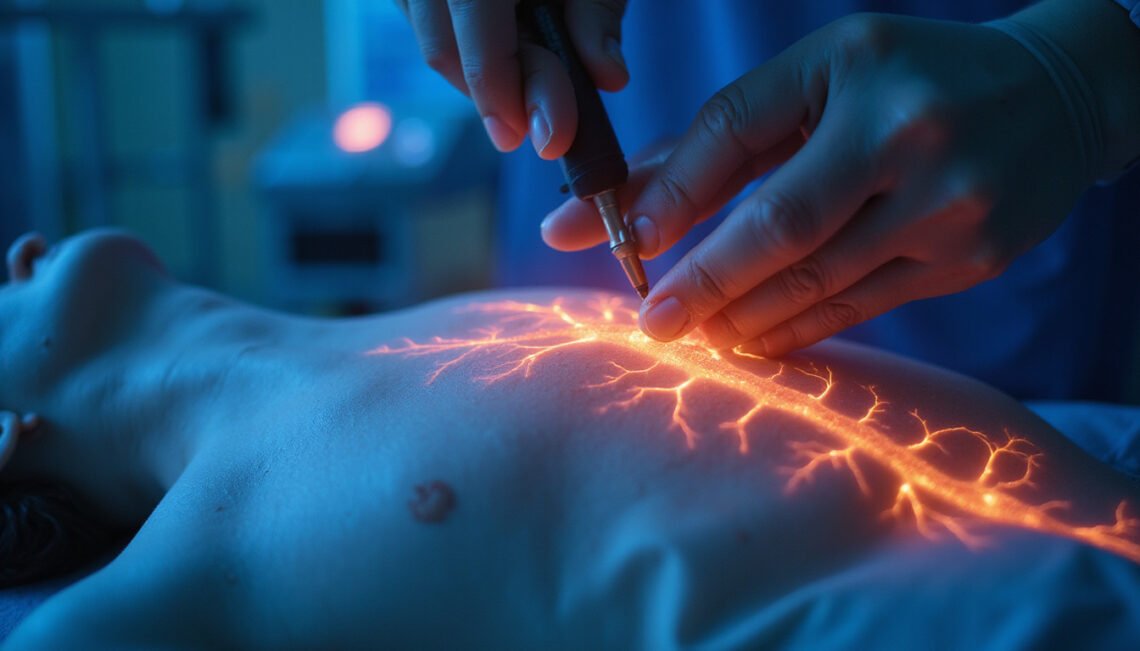
Neurolysis is a specialized procedure that targets specific nerves to relieve chronic pain, often when other treatments have failed. For people living with long‑term, disabling pain, understanding what neurolysis is, how it works, and who it can help is an important step in making informed care decisions.
This guide breaks down neurolysis in clear, practical terms so you can discuss options confidently with your healthcare team.
What Is Neurolysis?
Neurolysis is a medical procedure that intentionally disrupts the function of a nerve or group of nerves to reduce or eliminate pain signals. It can be:
- Chemical – using agents such as alcohol or phenol
- Thermal – usually via radiofrequency (heat) or cryoablation (cold)
- Surgical – cutting or decompression of nerve tissue or surrounding structures
Unlike temporary nerve blocks that only numb pain for hours or days, neurolysis is designed to provide long‑lasting relief. In many cases, it’s considered when:
- Pain is severe, persistent, and life‑limiting
- Conservative treatments (medications, physical therapy, injections) have not worked
- The pain is clearly linked to a specific nerve or nerve plexus
How Neurolysis Works: The Basic Science
Pain signals travel from injured or diseased tissue through nerves to your spinal cord and brain. Neurolysis works by interrupting this pathway at a strategic point.
Key mechanisms
-
Disruption of nerve conduction
Chemical or thermal agents damage the nerve’s myelin sheath and axons, which carry electrical signals. Damaged nerves cannot effectively transmit pain signals. -
Selective targeting
Interventional pain specialists use imaging (ultrasound, fluoroscopy, or CT) and diagnostic nerve blocks to pinpoint the exact nerve responsible for the pain. This lets them minimize impact on nearby structures. -
Modulation vs. destruction
Thermal neurolysis (e.g., radiofrequency ablation) often aims to modulate or partially damage nerve fibers to reduce pain while preserving some sensation and function. Chemical neurolysis can produce more extensive destruction.
Because nerves can regenerate over time, neurolysis is not always permanent, but it often provides months to years of relief, and procedures can sometimes be repeated.
Types of Neurolysis Procedures
Different techniques are chosen based on pain location, cause, and patient health status.
1. Chemical neurolysis
Chemical neurolysis uses neurolytic agents injected around a nerve or nerve plexus:
- Alcohol (ethanol) – typically 50–100% concentration
- Phenol – often 5–10% in aqueous or oil solution
- Less commonly, other agents with neurolytic properties
These chemicals denature nerve proteins and disrupt membranes, leading to Wallerian degeneration (breakdown of the nerve distal to the injury).
Common uses:
- Celiac plexus neurolysis for upper abdominal cancer pain
- Superior hypogastric plexus neurolysis for pelvic cancer pain
- Peripheral nerve neurolysis for intractable localized pain
2. Radiofrequency neurolysis (RFA)
Radiofrequency ablation uses a needle electrode to deliver controlled heat (usually 60–90°C) to a target nerve.
Types include:
- Conventional (continuous) RFA – produces a thermal lesion to interrupt nerve conduction
- Pulsed RFA – delivers intermittent, lower‑temperature energy, aiming more at neuromodulation than destruction
Common uses:
- Facet joint pain in the neck or lower back
- Sacroiliac joint pain
- Some peripheral neuropathic pains
3. Cryoneurolysis (cryoablation)
Cryoneurolysis uses a probe that rapidly cools to very low temperatures (e.g., –60°C to –80°C), creating an ice ball around the nerve. Extreme cold disrupts nerve function while sometimes preserving the broader structural framework, which may allow for more predictable regeneration.
Common uses:
- Post‑surgical or post‑traumatic nerve pain
- Some chronic peripheral nerve entrapments
- Short‑ to medium‑term relief in sports or orthopedic settings
4. Surgical neurolysis
“Neurolysis” in surgery can mean two different things:
- External or internal neurolysis – freeing a nerve from scar tissue or compressive structures (e.g., carpal tunnel release with neurolysis of the median nerve). Goal: restore normal function, not destroy the nerve.
- Neurectomy or destructive neurolysis – intentional cutting or removal of part of a nerve, or cutting pain fibers in the spinal cord (e.g., dorsal root entry zone procedures in select cases).
Surgical approaches are more invasive and generally reserved for highly selected patients when less invasive methods fail.
Conditions Commonly Treated with Neurolysis
Neurolysis is not a first‑line treatment. It’s typically considered when:
- Pain has lasted months to years
- Pain is localized or traceable to a nerve or plexus
- Other treatments have been tried and optimized
Conditions where neurolysis may be used include:
-
Cancer‑related pain
- Celiac plexus neurolysis for pancreatic, gastric, or other upper abdominal cancers
- Superior hypogastric plexus neurolysis for pelvic tumors
- Peripheral nerve or plexus neurolysis for localized tumor invasion
-
Spine‑related pain
- Chronic facet joint–mediated neck or low back pain (often post‑arthritis or injury)
- Some sacroiliac joint pain syndromes
-
Peripheral neuropathic pain
- Entrapment neuropathies that persist despite decompression
- Post‑surgical neuromas or nerve injury pain
-
Spasticity and movement disorders (selected cases)
Phenol neurolysis of motor nerves may be used in carefully selected patients to reduce severe spasticity.
Each case requires careful diagnostic workup to confirm that the painful region is indeed driven by the target nerve.
The Neurolysis Procedure: What to Expect
While details vary by technique and site, most interventional neurolysis procedures follow a similar pathway.
Before the procedure
-
Evaluation and diagnosis
- Comprehensive history and physical exam
- Imaging: MRI, CT, or ultrasound as needed
- Diagnostic nerve blocks with local anesthetic to confirm the pain source
-
Risk–benefit discussion
- Expected level and duration of relief
- Potential side effects and complications
- Alternative treatments and what happens if it fails
-
Preparation
- Fasting instructions if sedation will be used
- Temporary adjustment of blood thinners as appropriate
- Arranging transportation home if sedation is planned
During the procedure
- You’ll typically lie on an exam table in a procedure room or operating suite.
- The skin is cleaned and numbed with local anesthetic.
- Image guidance (fluoroscopy, CT, or ultrasound) helps the physician accurately position the needle or probe.
- A test injection (e.g., with contrast dye or local anesthetic) may be used to confirm placement.
- The neurolytic treatment (chemical agent, radiofrequency energy, or cryotherapy) is delivered.
- The whole process usually takes 30–90 minutes, depending on complexity.
After the procedure
- You’ll be observed briefly for vital signs and immediate side effects.
- There may be temporary soreness at the injection site.
- Pain relief may be:
- Immediate (often after chemical neurolysis following a preliminary anesthetic block), or
- Gradual over several days to weeks (common with radiofrequency and cryoneurolysis).
Most patients go home the same day.
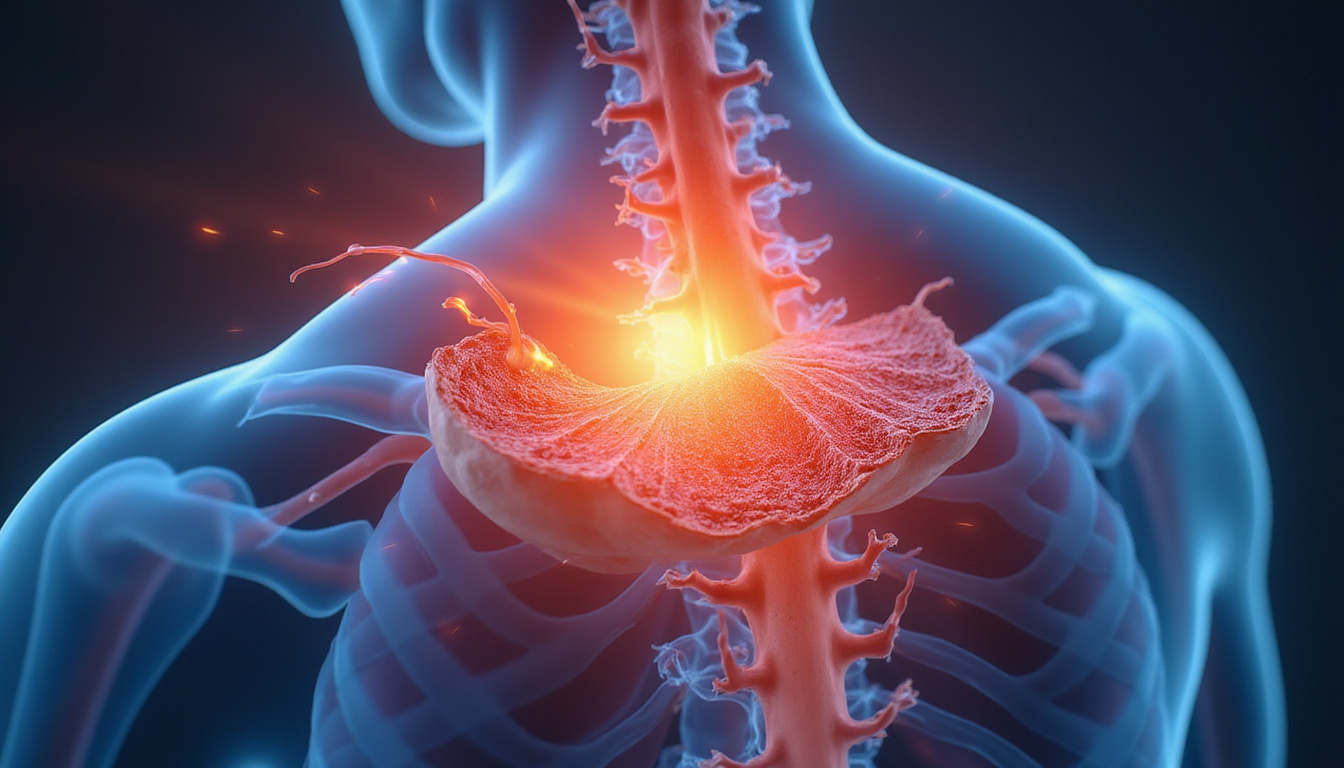
Benefits of Neurolysis
When properly selected and performed, neurolysis can offer powerful advantages:
-
Significant reduction in chronic pain
Many patients report 50–80% relief or more, sometimes for months to over a year, depending on the technique and condition. -
Lower reliance on opioids and other medications
Less medication means fewer systemic side effects and interactions. -
Improved function and quality of life
Patients often experience better sleep, mobility, and ability to work or engage in daily activities. -
Targeted treatment
Unlike systemic drugs, neurolysis affects a specific pain pathway, preserving sensation and function elsewhere.
Studies on procedures such as celiac plexus neurolysis in pancreatic cancer patients have demonstrated meaningful pain relief and reduced opioid use (source: National Library of Medicine).
Risks and Potential Complications
All medical procedures carry risk, and neurolysis is no exception. Understanding these helps you weigh your choices realistically.
Common, usually mild effects
- Local soreness or bruising
- Temporary increase in pain
- Numbness or tingling in the treated area
- Mild weakness (depending on the nerve treated)
Less common but more serious risks
- Infection at the injection site
- Bleeding or hematoma, especially in patients on blood thinners
- Nerve damage beyond the intended effect, potentially causing long‑term numbness, new pain, or weakness
- Damage to nearby structures, such as blood vessels or organs in deep neurolysis procedures (e.g., around the celiac plexus)
- Allergic reaction to contrast dye or medications
- For spinal or plexus procedures, rare but serious complications like paralysis or organ dysfunction
Risk is minimized by:
- Careful patient selection and imaging
- Experienced, appropriately trained pain specialists
- Strict sterility and procedural protocols
Is Neurolysis Right for You?
Neurolysis may be considered if:
- Your pain has been accurately localized to a particular nerve or plexus.
- Noninvasive options (medications, physical therapy, behavioral therapies) and less destructive interventions (temporary nerve blocks) have been fully explored.
- Pain significantly interferes with daily function, mood, or sleep.
- You understand that:
- Relief is not guaranteed
- Benefits may be time‑limited
- Repeat procedures or additional therapies may be needed
A multidisciplinary pain clinic—where physicians, physical therapists, and psychologists collaborate—often provides the most balanced perspective on whether neurolysis fits into your overall treatment plan.
Key Questions to Ask Your Doctor About Neurolysis
When you meet with a pain specialist or surgeon, consider asking:
- What specific nerve or plexus do you plan to target, and how sure are you it is causing my pain?
- Which type of neurolysis (chemical, radiofrequency, cryo, or surgical) are you recommending, and why?
- What level and duration of pain relief do your patients typically experience for my condition?
- What are the main risks in my particular case, given my medical history?
- How will this procedure fit with my other treatments—medications, therapy, or surgery?
Writing down answers and bringing a family member or friend can help you process complex information.
Quick Summary: Pros and Cons of Neurolysis
Potential benefits:
- Targeted, longer‑lasting pain relief
- Reduction in pain medication use
- Better mobility and daily functioning
- Outpatient or short‑stay procedure in most cases
Potential downsides:
- Does not work for all patients or all pain types
- Relief may wear off over months to years
- Risk of nerve damage, numbness, or new pain
- Requires imaging, injections, and sometimes sedation or anesthesia
FAQ About Neurolysis and Nerve Pain Treatment
Q1: How long does neurolysis nerve pain relief usually last?
Relief from neurolysis can last anywhere from several months to a couple of years, depending on the technique, the nerve treated, and individual healing. Radiofrequency neurolysis for facet joint pain, for example, often provides 6–12 months of relief, while some chemical neurolysis procedures for cancer pain can last even longer. Nerves can regenerate over time, which is why repeat procedures may be necessary.
Q2: Is neurolysis for peripheral nerves different from spinal neurolysis?
Yes. Peripheral nerve neurolysis targets nerves outside the spine—for example, a neuroma after surgery or an entrapped nerve in a limb. Spinal or plexus neurolysis (like celiac plexus neurolysis) targets deeper nerve bundles near the spine or major organs. The techniques, risks, and goals can differ, so it’s important to see a specialist experienced in the specific type of neurolysis you’re considering.
Q3: Who should avoid neurolysis nerve block procedures?
Neurolysis may be inappropriate or delayed in people with uncontrolled bleeding disorders, active infection near the procedure site, severe cardiopulmonary instability, or unclear pain diagnosis. It’s also approached cautiously in those who cannot safely stop certain blood thinners, or when the target nerve controls critical motor or organ function where damage would be debilitating. A thorough evaluation by a pain medicine specialist is essential.
Take the Next Step Toward Lasting Pain Relief
Living with chronic pain can make every part of life feel smaller—your energy, your relationships, and even your sense of self. Neurolysis is not a magic cure, but for carefully selected people, it can be a powerful way to turn down the volume on pain and reclaim daily function.
If your pain has not responded to standard treatments and seems linked to a specific nerve or region, talk with a board‑certified pain specialist or interventional anesthesiologist about whether neurolysis belongs in your care plan. Ask for a detailed explanation of risks, benefits, and realistic outcomes for your particular condition. The sooner you explore your options, the sooner you can move toward a more active, less pain‑dominated life.