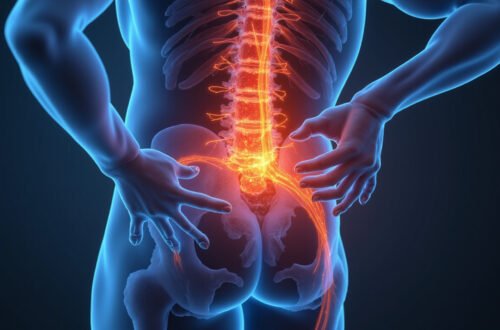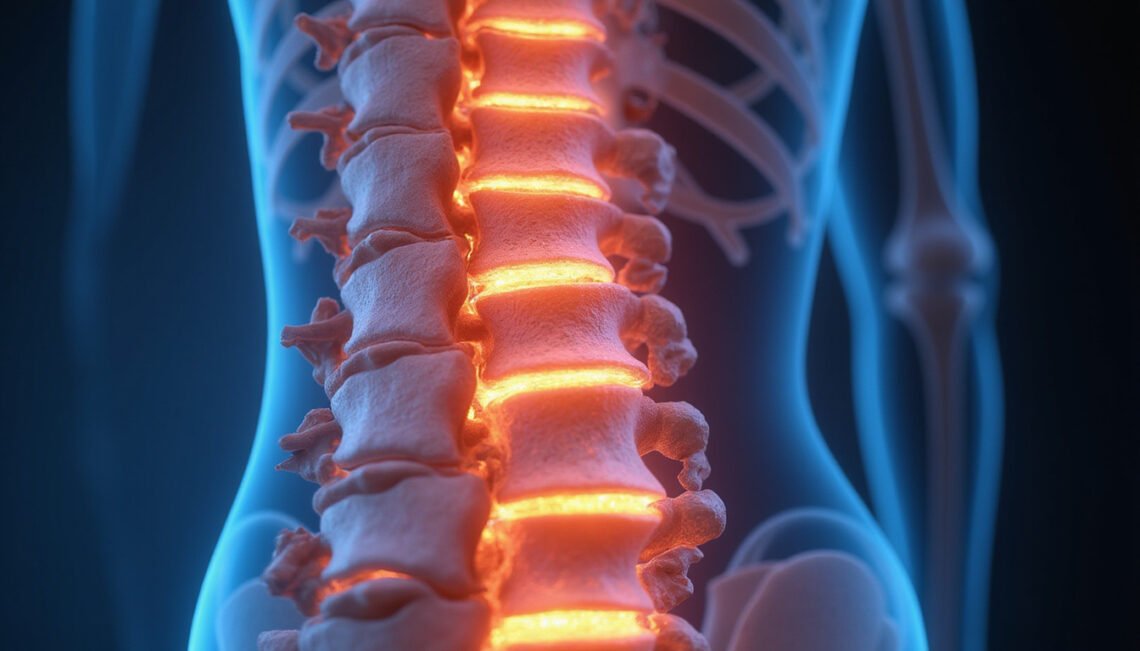
Facet arthropathy is one of the most common – and most overlooked – causes of chronic neck and low back pain. These small joints in your spine quietly absorb stress all day long, so when they start to wear down, the result can be stiffness, aching, and even pain that radiates into your hips, buttocks, or shoulders. Understanding what facet arthropathy is, why it happens, and how to relieve it quickly can help you take back control of your daily life before the pain becomes disabling.
What Is Facet Arthropathy?
To understand facet arthropathy, start with the basic structure of your spine.
Each vertebra in your spine has two types of joints:
- Intervertebral discs – the “cushions” between the vertebrae
- Facet joints – small, paired joints at the back of the spine that guide movement and provide stability
Facet arthropathy simply means degenerative changes (arthritic wear and tear) in the facet joints. It’s sometimes called:
- Facet joint arthritis
- Facet joint disease
- Facet osteoarthritis
Over time, the smooth cartilage covering the facet joints can thin out, become inflamed, and develop bony overgrowths (osteophytes). This can lead to pain, stiffness, and reduced spinal mobility.
Facet arthropathy most often affects:
- Cervical spine (neck)
- Lumbar spine (lower back)
but it can occur anywhere along the spine.
Everyday Causes: How Normal Life Wears on Facet Joints
Facet arthropathy usually doesn’t come from one dramatic injury. More often, it’s the result of repeated, everyday stress on the spine over many years.
1. Age-Related Wear and Tear
The single biggest risk factor for facet arthropathy is aging.
- Cartilage naturally dries out and thins over time.
- The joint space narrows, increasing friction.
- The body tries to stabilize the joint by forming small bony spurs.
These changes are so common that by age 60, many people show signs of facet degeneration on imaging – even if they don’t have symptoms (source: American Academy of Orthopaedic Surgeons).
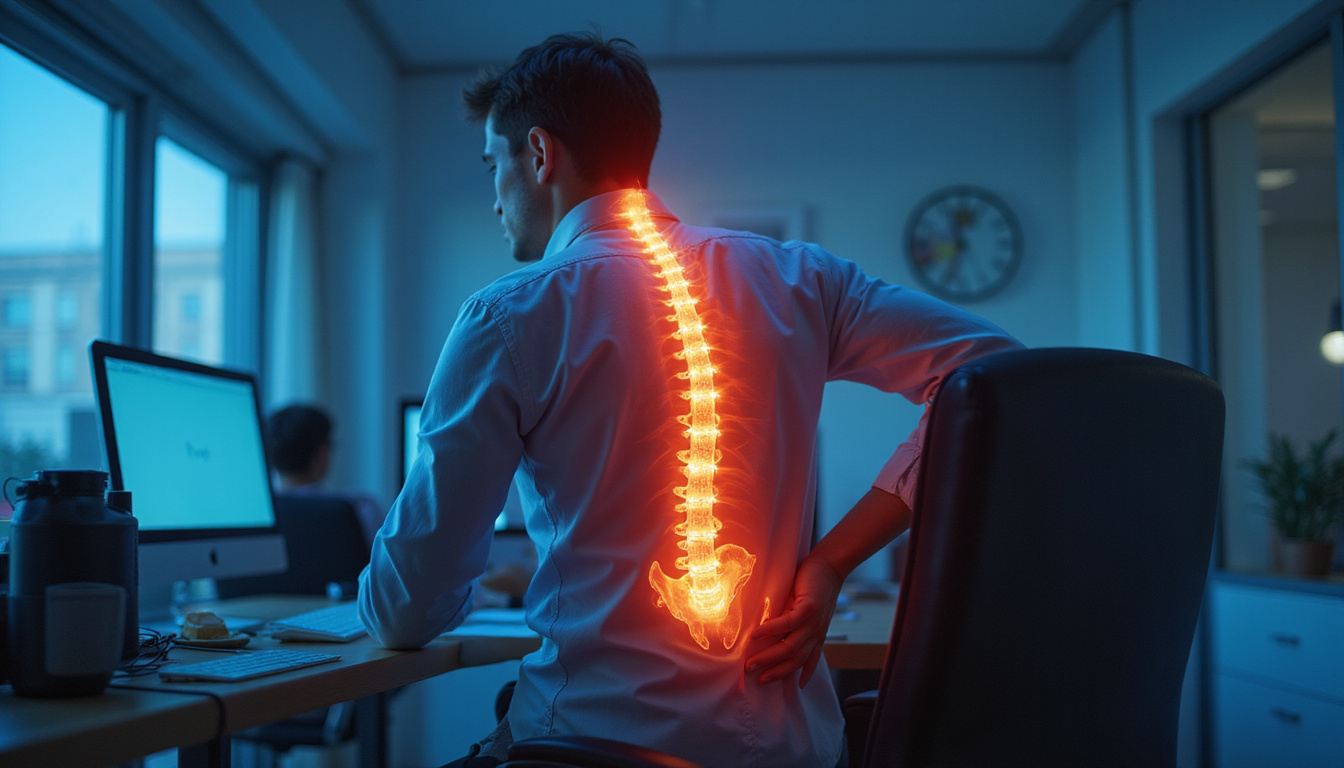
2. Poor Posture and Sedentary Habits
Modern lifestyles are hard on facet joints:
- Long hours sitting, especially slumped over a laptop or phone
- Driving for extended periods
- Working at non-ergonomic desks
When your spine is held in a forward-flexed position, the facet joints in the neck and lower back are loaded unevenly. Over time, this can accelerate wear, particularly when combined with weak core and postural muscles.
3. Repetitive Movements and Occupational Stress
Certain jobs and activities put repeated stress on the spine:
- Construction, warehouse work, or nursing (heavy lifting, frequent bending)
- Work that involves twisting or rotation, like stocking shelves
- Sports that require repetitive extension and rotation (gymnastics, tennis, golf)
These movements repeatedly compress the facet joints, especially in the lumbar spine, increasing the risk of arthropathy.
4. Previous Spinal Injuries
A prior injury can change how your spine moves:
- Whiplash from car accidents
- Falls or sports injuries
- Fractures involving the vertebrae
Even after the initial injury heals, the altered mechanics can lead to uneven facet joint loading and faster degeneration.
5. Extra Load from Body Weight and Weak Muscles
Excess body weight adds constant extra pressure to the spine. Weak core and hip muscles further increase stress on the facet joints because they can’t properly support and stabilize the spine, leaving the joints to absorb more of the load.
Hidden Symptoms: How Facet Arthropathy Really Feels
Facet arthropathy doesn’t always present as sharp, obvious pain. Its symptoms can be vague, intermittent, and easily confused with muscle strain or disc problems.
Typical Pain Patterns
Symptoms differ based on where in the spine the facet joints are affected.
Lumbar facet arthropathy (lower back):
- Aching low back pain that’s worse when:
- Leaning back (extension)
- Standing for long periods
- Walking downhill
- Pain that:
- Stays mostly in the low back and buttocks
- May refer to the hips or back of the thighs, but usually not below the knee
- Morning stiffness that improves slightly with gentle movement
Cervical facet arthropathy (neck):
- Dull neck ache, often worse after:
- Looking down at screens
- Holding your head in one position for a long time (driving, reading)
- Sleeping in awkward positions
- Pain that can:
- Spread to the shoulders or upper back
- Cause tension headaches at the base of the skull
- Reduced range of motion – trouble turning the head fully when driving
Subtle, Overlooked Signs
Hidden signs of facet arthropathy can include:
- A feeling that the back or neck “locks up” with certain movements
- Relief when bending forward or sitting, but more pain when straightening up
- Pain that flares after activity but seems to improve a bit with gentle movement
- Stiffness after rest – getting up from a chair or bed feels difficult at first
Because the pain pattern is often achey and diffuse rather than sharp and localized, many people assume they just have “a bad back” or “sleeping wrong,” not realizing their facet joints are involved.
Facet Arthropathy vs. Sciatica or Disc Herniation
It’s easy to confuse facet arthropathy with other spinal issues:
- Facet arthropathy – usually causes back-dominant pain and stiffness; leg or arm symptoms, if present, are more vague and don’t typically go below the knee or elbow.
- Disc herniation with nerve compression – more likely to cause:
- Sharp, shooting pain down the leg or arm
- Numbness, tingling, or weakness
- Clear nerve distribution (sciatica pattern)
Sometimes, facet arthropathy and disc degeneration occur together, which can make symptoms more complex.
How Doctors Diagnose Facet Arthropathy
If your back or neck pain has lasted more than a few weeks, or keeps coming back, a proper evaluation is important.
A clinician will typically use:
-
History and physical exam
- Ask about when pain started, what makes it better or worse
- Check your posture, range of motion, and specific movements that provoke pain (especially extension and rotation)
-
Imaging tests
- X-rays: show joint space narrowing, bone spurs
- CT scans: better detail of the facet joints themselves
- MRI: evaluates surrounding discs, nerves, and soft tissues
-
Diagnostic facet joint injections
- A small amount of anesthetic is injected into the facet joint or the nerve that supplies it
- If pain relief is significant and temporary, it suggests that joint is a pain source
Not everyone with imaging evidence of facet arthropathy has pain. Diagnosis focuses on matching your symptoms with exam findings and imaging, not just what the scan shows.
Fast Relief Options: What Helps Right Now
Long-term treatment focuses on strengthening, posture, and lifestyle changes, but when pain is flaring, immediate relief is the priority.
1. Activity Modification (Without Total Rest)
Complete bed rest can make stiffness and pain worse. Instead:
- Avoid heavy lifting, repetitive bending, or sudden twisting
- Use short, gentle walks to keep joints moving
- Change positions frequently – don’t sit or stand in one posture for more than 30–45 minutes
2. Heat and Cold Therapy
-
Cold (first 24–48 hours of a new flare-up)
- Ice pack wrapped in a cloth for 15–20 minutes
- Reduces inflammation and numbs sore areas
-
Heat (ongoing or chronic pain)
- Warm shower, heating pad, or warm compress
- Relaxes tight muscles and improves blood flow around stiff facet joints
3. Over-the-Counter Medications
Discuss with your healthcare provider first, but commonly used options include:
- NSAIDs (ibuprofen, naproxen) to reduce pain and inflammation
- Acetaminophen for pain relief if NSAIDs aren’t appropriate
These help manage symptoms but do not reverse facet arthropathy.
4. Gentle Home Exercises for Quick Relief
Certain movements can ease facet joint pain by improving mobility and reducing muscle tension.
Examples (stop if pain worsens sharply):
- Pelvic tilts on your back to mobilize the low spine
- Knee-to-chest stretches
- Cat–camel spine mobilization on hands and knees
- Chin tucks and gentle neck range-of-motion exercises for cervical issues
A physical therapist can tailor these to your specific condition for both immediate relief and long-term improvement.
5. Targeted Injections and Procedures
When conservative measures aren’t enough, interventional options can provide substantial relief.
-
Facet joint injections
- Steroid plus local anesthetic injected into the joint
- Can calm inflammation and break a pain cycle
-
Medial branch nerve blocks
- Anesthetic near the small nerves that carry pain from the facet joint
- Used both diagnostically and therapeutically
-
Radiofrequency ablation (RFA)
- Uses heat to selectively disrupt pain-carrying nerves
- Relief can last 6–12 months or longer for some patients
These procedures are performed by pain management specialists under imaging guidance.
Long-Term Strategies to Control Facet Arthropathy
Fast relief matters, but lasting improvement requires addressing the underlying factors that stress your facet joints.
Build a Stronger, More Supportive Core
A customized physical therapy program is one of the most effective long-term treatments:
- Core and hip strengthening
- Postural training
- Flexibility and mobility exercises
- Education on body mechanics (how to lift, bend, and twist safely)
Improve Everyday Ergonomics
Small daily changes add up:
- Use an adjustable chair with lumbar support
- Keep screens at eye level and keyboards positioned to avoid hunching
- Take micro-breaks: stand, walk, and stretch every hour
- Use a supportive mattress and avoid stomach sleeping if it worsens pain
Manage Weight and Activity Levels
- Gradual weight loss, if needed, can significantly reduce spinal load
- Low-impact activities like walking, swimming, or cycling maintain fitness without excessive joint stress
Consider Complementary Therapies
Some people find benefit in:
- Manual therapy or spinal mobilization (performed by qualified providers)
- Acupuncture
- Mind–body approaches like yoga, Pilates, or tai chi (with modifications)
These should complement, not replace, medical evaluation and structured exercise.
Simple Checklist: Are Your Facet Joints the Problem?
If several of the following apply to you, facet arthropathy could be a contributing factor:
- Back or neck pain that is worse when leaning back and somewhat better when bending forward.
- Pain that mainly stays in the back/neck, buttocks, or shoulders, not shooting clearly down the arm or leg.
- Morning stiffness that improves as you start moving.
- A history of repetitive spinal strain, poor posture, or a prior neck/back injury.
- Imaging (X-ray, MRI, or CT) that mentions facet arthritis, facet degeneration, or facet arthropathy.
Only a qualified clinician can make a diagnosis, but recognizing this pattern can help you ask better questions and seek appropriate care.
FAQ About Facet Joint Pain and Arthropathy
1. Is facet arthropathy the same as facet joint arthritis?
Yes. The term “facet arthropathy” usually refers to arthritis and degeneration of the facet joints. “Facet joint arthritis” and “facet osteoarthritis” are common alternative names describing the same underlying process of joint wear and inflammation.
2. Can lumbar facet joint arthropathy cause leg pain?
Lumbar facet arthropathy mainly causes low back and buttock pain, sometimes with achiness into the upper thighs. It typically does not cause sharp, shooting pain below the knee like classic sciatica, unless other structures such as discs or nerves are also involved.
3. Can cervical facet arthropathy cause headaches?
Yes. Cervical facet joint degeneration, especially at the upper levels of the neck, can refer pain to the base of the skull and the back of the head, leading to cervicogenic headaches. These often worsen with certain neck positions and improve with proper treatment of the underlying facet arthropathy.
Take the Next Step Toward Relief
Living with ongoing back or neck pain from facet arthropathy is not inevitable, and it’s rarely “just part of getting older” that you must accept. Whether your pain is a mild annoyance or a daily barrier to work, sleep, and the activities you love, targeted treatment can make a dramatic difference.
If your symptoms match the patterns described here, schedule an appointment with a spine-savvy healthcare provider or physical therapist. Bring a clear description of your pain triggers, what eases your symptoms, and any prior imaging you’ve had. Ask directly whether your facet joints could be involved and what combination of exercise, lifestyle changes, and, if appropriate, procedures might help you.
The sooner you understand the real source of your pain and start a focused plan, the faster you can move beyond flare-ups and back toward a stronger, more flexible, and more comfortable spine.