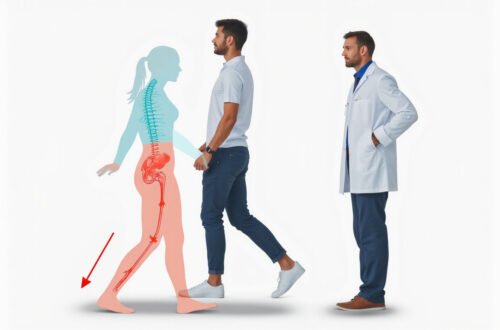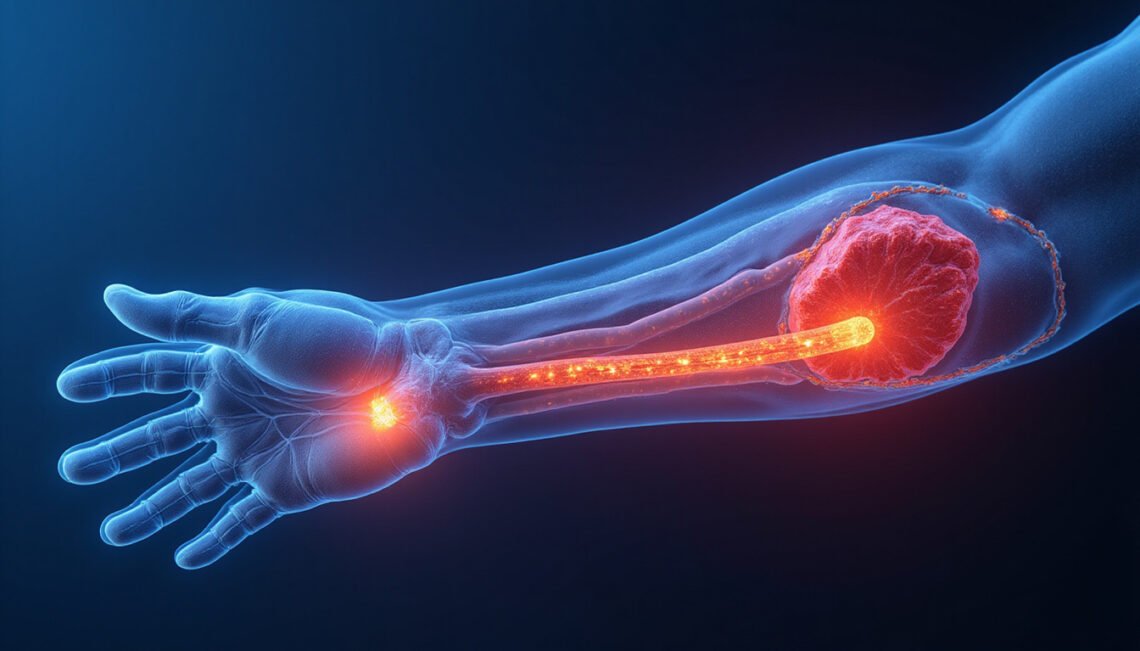
Nerve ischemia is a serious medical condition that happens when nerves don’t receive enough blood and oxygen. Because nerves are highly sensitive tissues, even short periods of reduced blood flow can cause pain, numbness, weakness, or permanent damage. The challenge is that nerve ischemia often develops quietly, with subtle symptoms that are easy to dismiss as “just getting older,” a pinched nerve, or stress. Understanding the hidden signs, urgent warning symptoms, and available treatments can make the difference between full recovery and lasting nerve injury.
What Is Nerve Ischemia?
Nerve ischemia means that part of a nerve is starved of blood supply. Blood carries oxygen and nutrients that nerve cells need to function and survive. When blood flow decreases or is blocked, the nerve’s function is disrupted and, if not treated quickly enough, the nerve fibers can die.
This can happen in:
- Peripheral nerves (arms, legs, hands, feet)
- Cranial nerves (such as the optic nerve)
- Nerve roots and plexuses (like the brachial plexus in the shoulder)
- The spinal cord (spinal cord ischemia, a medical emergency)
Common underlying problems that can trigger nerve ischemia include:
- Atherosclerosis (plaque buildup in arteries)
- Blood clots or emboli
- Vasculitis (inflammation of blood vessels)
- Diabetes and metabolic diseases
- Trauma, compression, or surgery-related injuries
- Certain medications or toxins that affect blood vessels
Nerve ischemia is not just “poor circulation” in a vague sense; it is a specific and damaging failure of blood flow to nervous tissue.
How Nerve Ischemia Damages the Body
Nerves rely on constant blood supply. Without it:
-
Function fails first
Electrical signals slow or stop. This leads to symptoms like tingling, numbness, burning pain, or weakness. -
Inflammation and swelling follow
The injured nerve can swell, which may further compress it and its tiny blood vessels, creating a vicious cycle. -
Irreversible damage can occur
If ischemia lasts long enough, nerve fibers die and are replaced with scar tissue. Recovery then becomes incomplete or impossible.
Certain areas are especially vulnerable, such as:
- Long peripheral nerves in the legs and feet
- Nerves already stressed by compression (e.g., carpal tunnel, spinal stenosis)
- Diabetic nerves exposed to chronic high blood sugar and vascular damage
Hidden and Early Symptoms You Shouldn’t Ignore
One of the most dangerous aspects of nerve ischemia is how subtle it can be in the beginning. People often blame these early changes on fatigue, posture, or aging.
Watch for these hidden or early symptoms:
- Intermittent tingling or “pins and needles” in fingers, toes, or one limb, especially during walking or at night.
- Patchy numbness in specific skin areas (for example, the outer part of the foot or a few fingers) that comes and goes.
- Burning or electric-shock sensations without an obvious trigger.
- Cramping or fatigue in muscles after mild exertion that improves with rest.
- Mild weakness or clumsiness—dropping objects, tripping more often, or difficulty with fine movements.
- Temperature changes in a limb (feeling unusually cold or warm compared to the other side).
A key clue is pattern: symptoms that always appear with activity and improve with rest, or that follow a consistent nerve territory (for example, just the thumb, index, and middle finger) can reflect blood-flow-related nerve problems rather than generalized issues.
Urgent Warning Signs: When Nerve Ischemia Is an Emergency
Sometimes nerve ischemia progresses suddenly or affects critical areas like the spinal cord, brain, or major limb nerves. In these cases, time is tissue: the sooner blood flow is restored, the more nerve function can be saved.
Seek emergency care immediately (call emergency services) if you notice:
- Sudden onset of limb weakness (arm or leg), especially on one side of the body.
- New, severe numbness or paralysis in a limb, face, or part of the body.
- Loss of bladder or bowel control with back pain or leg weakness.
- Sudden vision loss or darkening in one eye (could be ischemia of the optic nerve or retina).
- Sharp, severe pain in the back or neck with abrupt weakness or numbness below that level (possible spinal cord ischemia).
- Severe, unrelenting limb pain combined with cold, pale, or mottled skin and absent pulses.
These symptoms can overlap with conditions like stroke, spinal cord compression, or acute limb ischemia. All are emergencies, and nerve ischemia is often part of the same vascular crisis. Rapid evaluation with imaging, blood tests, and neurologic exam is critical (source: American Heart Association).
Who Is at Higher Risk for Nerve Ischemia?
While nerve ischemia can affect anyone, certain factors increase risk:
- Diabetes (type 1 or type 2)
- Peripheral artery disease (PAD) or atherosclerosis
- High blood pressure, high cholesterol, smoking
- Autoimmune diseases (e.g., rheumatoid arthritis, lupus, vasculitis)
- Blood clotting disorders or history of deep vein thrombosis or pulmonary embolism
- Recent surgery or trauma, especially vascular or orthopedic procedures
- Obesity and sedentary lifestyle
- Chronic kidney disease
If you have multiple risk factors and new nerve symptoms, it’s especially important not to ignore them.
How Doctors Diagnose Nerve Ischemia
Diagnosing nerve ischemia can be complex because its symptoms overlap with other neurological and orthopedic problems (like herniated discs or entrapment neuropathies). A typical evaluation might include:
-
Detailed history and physical exam
- Exactly when symptoms started
- Relationship to activity, posture, or time of day
- Medical conditions and medications
- Neurologic exam: strength, reflexes, sensation, coordination
-
Nerve and muscle testing
- Nerve conduction studies (NCS) and electromyography (EMG) help show whether nerves are damaged and in what pattern.
-
Vascular imaging
- Ultrasound (Doppler) to measure blood flow in arteries and veins.
- CT angiography (CTA) or MR angiography (MRA) to look for blockages, narrowing, or aneurysms.
-
MRI or CT scans
- To rule out compression from herniated discs, tumors, or bone spurs.
- To detect spinal cord ischemia or infarction.
-
Blood tests
- To check blood sugar, cholesterol, inflammation markers, and for signs of vasculitis or clotting disorders.
-
Biopsy in select cases
- Occasionally, a nerve or vessel biopsy is needed if vasculitis or rare conditions are suspected.
The goal is to answer two questions: Is the nerve itself ischemic, and why is the blood flow impaired?
Treatment Options for Nerve Ischemia
Treatment focuses on two critical goals:
- Restore and maintain adequate blood flow to the nerve, and
- Protect and support nerve healing as much as possible.
Approaches depend on cause, location, and severity.
1. Emergency Vascular Interventions
In acute, severe nerve ischemia—especially if part of a stroke, spinal cord ischemia, or limb-threatening ischemia—hospital-based interventions may include:

- Thrombolytic therapy (“clot-busting” drugs) in selected stroke or arterial occlusion cases.
- Endovascular procedures
- Angioplasty (balloon opening of narrowed vessels)
- Stent placement
- Thrombectomy (mechanically removing a clot)
- Surgical bypass or repair of blocked or damaged arteries.
- Fasciotomy if compartment syndrome is causing both nerve and vascular compression.
These treatments are time-sensitive. Delays can turn potentially reversible nerve ischemia into permanent damage.
2. Medications
For non-emergent or chronic nerve ischemia, doctors may prescribe:
- Antiplatelet or anticoagulant drugs (e.g., aspirin, clopidogrel, or others) to reduce clot risk.
- Cholesterol-lowering drugs (statins) to stabilize plaques and improve vascular health.
- Blood pressure and diabetes medications to optimize overall circulation.
- Immunosuppressants or steroids if vasculitis is the root cause.
- Pain management
- Neuropathic pain meds (gabapentin, pregabalin, duloxetine, etc.)
- Short-term use of other analgesics as needed
These don’t directly “reverse” nerve ischemia, but they treat the underlying vascular drivers and control symptoms while nerves heal.
3. Lifestyle and Risk-Factor Changes
These may sound basic, but they are powerful tools for improving blood flow and reducing future episodes of nerve ischemia:
- Stop smoking (or vaping nicotine): smoking is one of the strongest risk factors for vascular disease.
- Control blood sugar if you have diabetes (with diet, medications, and monitoring).
- Manage blood pressure and cholesterol through diet, exercise, and medication as directed.
- Exercise regularly, focusing on:
- Walking or low-impact cardio to build collateral circulation
- Strength training to support muscles around vulnerable nerves
- Maintain a healthy weight to reduce pressure on nerves and blood vessels.
- Optimize posture and ergonomics, particularly if you have nerve compression issues at work or during hobbies.
Can Damaged Nerves Recover?
Nerves have some capacity to heal, but recovery from nerve ischemia depends on:
- How long the ischemia lasted
- How severe the blood flow reduction was
- Whether the underlying cause has been corrected
- Your age, general health, and metabolic status
Mild or brief ischemic episodes may fully resolve. More severe injuries may leave lasting numbness, weakness, or pain. Recovery often unfolds slowly over months, and improvement may plateau before all normal function returns.
Rehabilitation and Support
A structured rehabilitation program can significantly improve outcomes:
- Physical therapy to build strength, flexibility, and gait stability.
- Occupational therapy to adapt daily tasks and protect at-risk limbs.
- Orthotics and assistive devices (braces, splints, canes) to support weak muscles and prevent falls.
- Pain management strategies, including medications, nerve blocks, or neuromodulation devices in select cases.
- Psychological support, since chronic nerve pain or disability can affect mood and quality of life.
Practical Checklist: When to Call a Doctor About Nerve Symptoms
Use this quick list to decide when to seek help. Call a healthcare provider if you notice:
- Persistent tingling, numbness, or burning in hands or feet lasting > 1–2 weeks
- New weakness, clumsiness, or frequent tripping
- Pain, numbness, or cramping in your legs or arms that worsens with walking and improves with rest
- One limb feeling consistently colder or paler than the other
- A history of diabetes, vascular disease, or autoimmune disease plus any new nerve-related symptoms
Call emergency services if symptoms are sudden, severe, or disabling, especially if they involve vision, speech, bladder/bowel control, or one-sided weakness.
FAQ About Nerve Ischemia and Related Conditions
1. Is nerve ischemia the same as peripheral nerve ischemia?
Peripheral nerve ischemia refers specifically to reduced blood flow in nerves outside the brain and spinal cord, such as those in the arms, legs, hands, and feet. Nerve ischemia is the broader term and can also involve the spinal cord, cranial nerves, or central nervous system pathways.
2. How is ischemic neuropathy different from other neuropathies?
Ischemic neuropathy is nerve damage caused primarily by poor blood flow (ischemia). Other neuropathies may be caused by toxins, infections, direct trauma, genetic conditions, or metabolic issues. Many people, especially those with diabetes, can have mixed neuropathy where ischemia and metabolic damage both play roles.
3. Can chronic nerve ischemia cause permanent neuropathy?
Yes. Chronic, untreated nerve ischemia can lead to permanent neuropathy, where numbness, weakness, or pain become long-lasting or irreversible. Early detection, aggressive risk-factor control, and appropriate treatment can significantly lower the chance of permanent nerve loss.
Take Action Early to Protect Your Nerves
Nerve ischemia is both insidious and dangerous: it may start with subtle tingling or fatigue yet progress to disabling pain, weakness, or permanent nerve damage if ignored. You don’t need to know all the medical details to act—if you or someone you love has unexplained numbness, burning, weakness, or limb symptoms that worsen with activity, do not wait for them to “just go away.”
Schedule an appointment with your primary care provider or a neurologist to discuss your symptoms and risk factors. Ask specifically whether nerve ischemia, peripheral artery disease, or other vascular issues could be involved. With timely evaluation, targeted treatment, and proactive lifestyle changes, you can protect your nerves, preserve function, and reduce the risk of serious complications.
Your nerves depend on healthy blood flow—take the next step today to make sure they get it.