A massage gun can be a game-changer whether you’re a serious athlete, weekend warrior, or someone who sits at a desk all day. Used correctly, it can help reduce muscle soreness, speed up recovery, and improve mobility so you can move better and feel better—without spending hours on the massage table.
This guide breaks down how massage guns actually work, who they’re best for, how to use them safely, and how to choose the right device for your body and goals.
What Is a Massage Gun and How Does It Work?
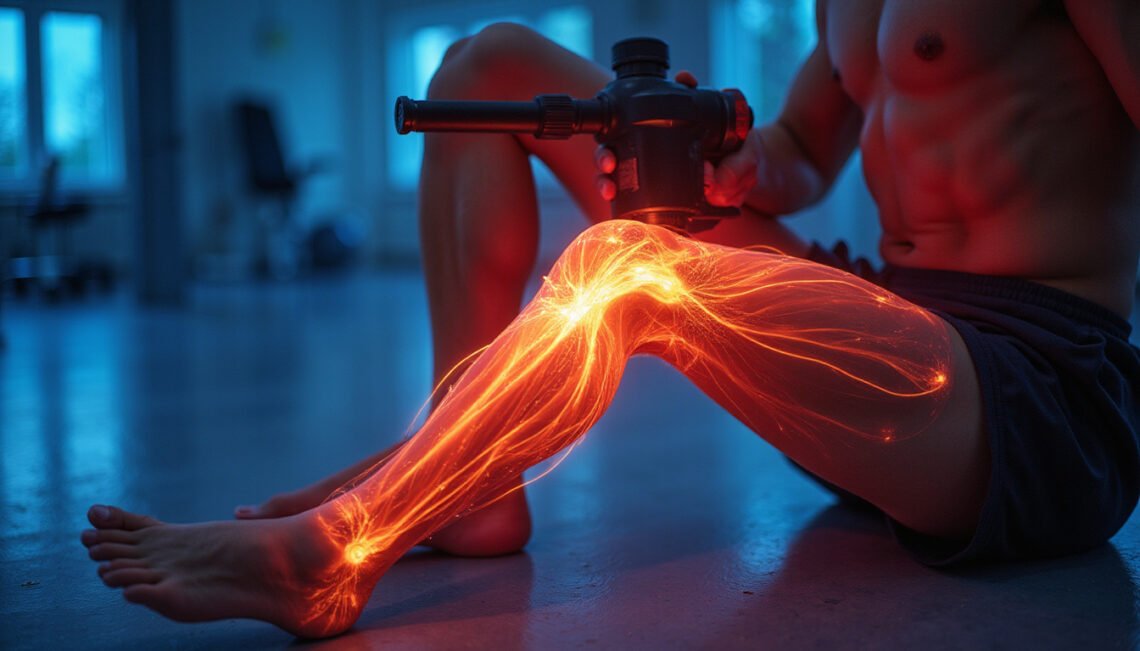
A massage gun (also called a percussion or percussive therapy device) is a handheld tool that delivers rapid, repetitive pulses into your muscles. Instead of a therapist’s hands, it uses a motorized head to gently “hammer” into the tissue.
Most quality massage guns offer:
- Adjustable speed (percussions per minute)
- Different head attachments
- Variable pressure depending on how hard you press
The Science in Simple Terms
Percussive therapy aims to:
- Increase blood flow to tight or sore areas
- Reduce muscle tension and “guarding”
- Interfere with pain signals traveling to the brain
- Stimulate your nervous system to relax surrounding muscles
Research on percussive and vibration therapy suggests it can reduce delayed onset muscle soreness (DOMS) and may improve range of motion when used before activity (source: National Library of Medicine).
Massage Gun for Faster Recovery: Why It Works
Recovery is when your body actually gets stronger. A massage gun can support this process in several ways:
1. Boosts Blood Flow
Those rapid pulses act like a mini-pump, drawing more blood to the area. Better circulation means:
- More oxygen and nutrients delivered to tired muscles
- Faster removal of metabolic byproducts that contribute to soreness
This can leave your muscles feeling “flushed out” after hard workouts.
2. Reduces DOMS (Delayed Onset Muscle Soreness)
DOMS typically peaks 24–72 hours after an intense session. Using a massage gun:
- Right after training can help limit the buildup of tightness
- In the hours and days after can ease soreness and stiffness
You’re not preventing all soreness—but you can often reduce the intensity so you’re not walking downstairs like a robot two days after leg day.
3. Helps You Recover Between Sessions
If you train multiple times per week, daily light massage gun sessions:
- Keep tissues from getting chronically tight
- Help you “reset” between workouts
- Make it easier to hit the same muscles again without feeling wrecked
Strength and performance gains come from consistent training, and better recovery supports that consistency.
Less Pain: How a Massage Gun Eases Aches and Tension
While it’s not a miracle cure, a massage gun can reduce everyday discomfort when used thoughtfully.
1. Interrupts Pain Signals
The fast tapping stimulates nerve receptors in the skin and muscles. This can partially block or “drown out” pain signals traveling to your brain, creating temporary relief—similar to rubbing your elbow after you bump it.
2. Loosens Tight Muscles
Tight muscles often cause:
- Local pain
- Referred pain in nearby areas
- Reduced mobility and odd movement patterns
Using a massage gun around tense areas can help those muscles relax, which may:
- Ease tension headaches (when used on neck and upper back, with caution)
- Decrease low-level back or shoulder tightness
- Reduce hip and hamstring stiffness from long periods of sitting
3. Great for Desk and Remote Workers
Many people use a massage gun more for posture-related pain than for sport:
- Upper traps and neck from hunching over a laptop
- Chest muscles from rounded shoulders
- Lower back and hip flexors from sitting all day
Quick 5–10 minute sessions can become part of a daily “posture reset” routine.
Better Mobility: Pre-Workout and Warm-Up Benefits
Using a massage gun isn’t just for recovery—it can improve how you move before you even start your workout.
1. Pre-Workout Activation
Light, short bursts before a session can:
- Wake up sleepy muscles (e.g., glutes before squats)
- Relax overactive muscles that block proper movement (e.g., hip flexors before running)
Follow the massage gun with dynamic movement (like lunges, arm circles, band walks) to lock in that improved motion.
2. Increased Range of Motion
Studies on vibration and percussive therapy show potential increases in range of motion without the performance-reducing effects that sometimes come with long static stretching.
Example uses:
- Calves and ankles before squatting or running
- Hip muscles before lower-body training
- Lats and pecs before upper-body lifting
3. Helping Correct Imbalances (With a Plan)
On its own, a massage gun won’t “fix” movement problems. But it can:
- Temporarily free up tight tissue
- Allow better positioning in corrective exercises
- Make it easier to perform mobility drills effectively
Use it as a tool alongside strength, stability, and mobility work—not as a replacement.
How to Use a Massage Gun Safely and Effectively
You’ll get better results if you follow some basic guidelines instead of just smashing sore spots.
General Guidelines
- Duration per area: 1–2 minutes is usually enough
- Total session: 10–15 minutes is plenty for most people
- Speed: Start on lower speeds, increase as needed
- Pressure: Let the device do the work; don’t dig aggressively
If you feel sharp pain, numbness, or tingling, stop immediately.
Step-by-Step: Basic Protocol
- Turn the gun on before it touches your body – this avoids sudden jolts.
- Start away from the most painful spot – begin in surrounding muscles to ease tension.
- Glide slowly – about 1–3 inches per second across the muscle.
- Pause briefly on tight areas – but not directly on bones or joints.
- Reassess – move the area (e.g., squat, reach overhead) and notice changes.
You want a “hurts so good” feeling, not gritting your teeth in pain.
When to Use a Massage Gun: Before, After, and On Off Days
Your timing can change the effect.
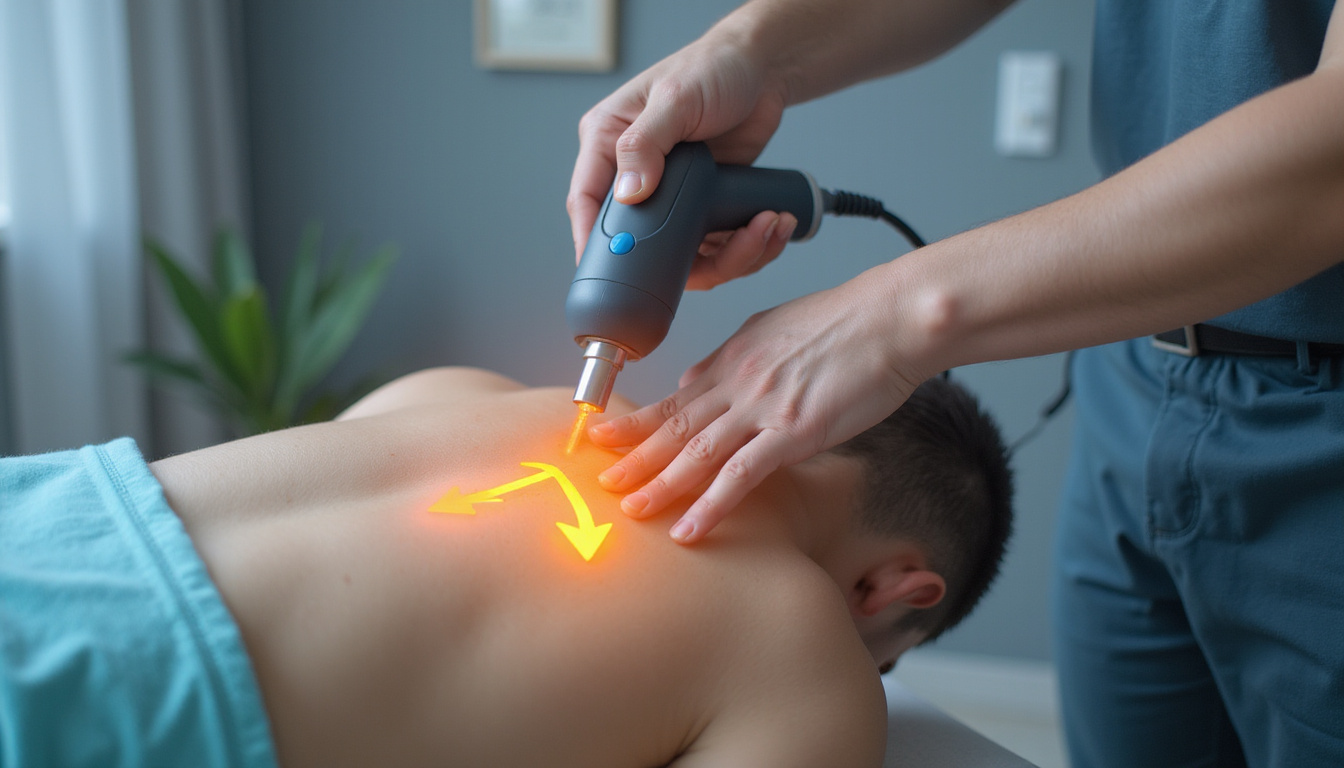
Pre-Workout (2–5 Minutes)
Goal: Warm-up, activation, and improved mobility.
Focus on:
- Muscles you’re about to train
- Areas that often feel stiff and limit your movement
Example: Before a run
- 30–60 seconds per calf
- 30–60 seconds per hamstring
- 30–60 seconds per quad and glute
Always follow with a proper dynamic warm-up.
Post-Workout (5–10 Minutes)
Goal: Relax muscles, support recovery, reduce next-day soreness.
Focus on:
- The primary muscles you just trained
- Any areas that feel particularly tight or pumped
Use slower passes and moderate pressure, not aggressive digging.
Off Days or Rest Days
Goal: General maintenance and relaxation.
Use a massage gun more gently for full-body check-ins:
- Upper back, neck, and shoulders for posture
- Hips and glutes from prolonged sitting
- Feet and calves if you stand or walk a lot
Where Not to Use a Massage Gun
A massage gun isn’t for every body part or every situation. Avoid:
- Bony areas (spine, knees, ankles, ribs)
- Front of the neck or directly over the throat
- Directly over joints (knees, elbows, ankles, shoulders)
- Open wounds, bruises, or areas of active inflammation
- Varicose veins, blood clots, or where you suspect circulation issues
Talk to a healthcare professional before using a massage gun if you have:
- Cardiovascular disease or blood clotting disorders
- Neuropathy or reduced sensation
- Recent surgery, fractures, or severe injuries
- Pregnancy (especially over the low back, abdomen, or pelvis)
How to Choose the Right Massage Gun
There are now hundreds of massage guns on the market. You don’t need the most expensive, but a few features matter.
Key Things to Look For
- Amplitude (stroke length): 10–16 mm is typical; higher amplitude means deeper hits.
- Speed settings: At least 3–5 speeds to fine-tune intensity.
- Noise level: Quieter devices are easier to use while watching TV or at the gym.
- Battery life: Aim for at least 2–3 hours of total operating time per charge.
- Attachments: A variety of heads for different body parts.
Common Attachments and Uses
- Round ball: All-purpose; good for large muscle groups (quads, glutes, hamstrings).
- Flat head: Broad pressure; good for chest, back, and IT band area.
- Fork head: Alongside the spine (not on it), Achilles, or around tendons.
- Bullet tip: Very targeted; for trigger points or small areas—use with caution.
If you’re new to massage guns, start with simpler attachments (ball or flat head) before experimenting with more targeted tips.
Who Benefits Most from a Massage Gun?
While nearly anyone can find a benefit, certain groups often see the biggest bang for their buck:
- Athletes and lifters: To manage soreness, speed recovery, and improve warm-ups.
- Runners and cyclists: For calves, quads, hamstrings, and hips between sessions.
- Desk workers and commuters: To combat tight necks, shoulders, and lower backs.
- Older adults (with clearance): For gentle circulation boosts and stiffness relief.
- Manual laborers: To ease muscle fatigue from repetitive physical work.
The key is consistency—brief, regular sessions beat occasional long, painful ones.
Common Mistakes to Avoid
To get the most from your massage gun and avoid setbacks, steer clear of:
- Going too hard, too fast: More pressure isn’t always better; you’re not tenderizing meat.
- Using only on painful spots: Often the real issue is above, below, or opposite the pain.
- Replacing all warm-ups with the gun: It’s a supplement to movement, not a substitute.
- Skipping movement afterward: Follow improved mobility with active range-of-motion work.
- Ignoring serious pain: Sharp, worsening, or persistent pain needs medical attention, not just percussion.
FAQ: Massage Gun Use and Benefits
Q1: Is a massage gun good for back pain?
A massage gun can help with muscular back pain caused by tension or poor posture by relaxing tight muscles around the spine. Avoid using it directly on the vertebrae and be cautious if you have disc issues, sciatica, or radiating pain; in those cases, consult a healthcare provider first.
Q2: Can I use a massage gun every day?
Yes, you can generally use a massage gun daily if you keep sessions moderate—about 10–15 minutes total and 1–2 minutes per area. Pay attention to how your body responds; if you feel more sore or bruised, reduce the intensity or frequency.
Q3: Which massage gun attachment should I use for legs?
For most people, the round ball attachment works best on legs, including quads, hamstrings, and calves. Use the flat head for broader coverage along the IT band area and glutes. Reserve the bullet tip for small, targeted trigger points and use it gently.
Put These Massage Gun Secrets Into Action
Knowing how to use a massage gun is the first step; turning it into a consistent habit is what delivers real results—faster recovery, less pain, and better mobility in your everyday life.
Start simple: pick one or two tight areas, spend 5–10 minutes a day with light-to-moderate intensity, and follow each session with a bit of movement. As you see what works for your body, refine your routine and, if needed, upgrade to a device with the features that matter most to you.
If you’re ready to move more freely, train harder, and feel better between workouts, now is the perfect time to make a massage gun part of your recovery toolkit. Use the insights in this guide to choose a device wisely, apply it safely, and unlock the lasting benefits of smarter, more effective self-care.