Spinal Biomechanics Reveal Simple Movement Hacks to Finally End Back Pain
Back pain is one of the most common reasons people miss work, avoid activities, or end up in a doctor’s office. Yet most solutions focus on treating symptoms instead of addressing the root cause: how you move and load your spine. This is where spinal biomechanics becomes a game changer. By understanding how your spine is designed to move—and how it breaks down when it’s misused—you can apply simple, science-based movement hacks that reduce strain, promote healing, and help you finally get ahead of back pain.
What Is Spinal Biomechanics (and Why It Matters for Pain)?
Spinal biomechanics is the study of how forces act on the spine and how the spine moves in response. It looks at:
- Joint motion between vertebrae
- How discs, ligaments, and muscles share load
- The effects of posture and movement on spinal stress
- How repetitive patterns lead to wear, irritation, or injury
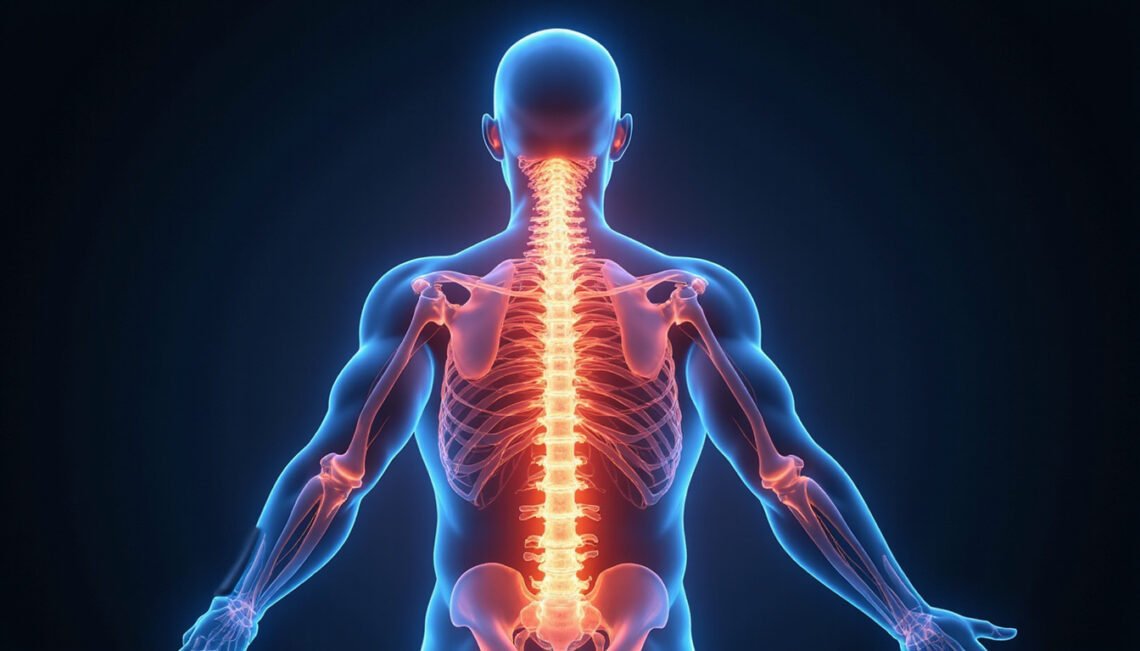
Your spine isn’t just a stack of bones. It’s a dynamic, load-bearing column designed to:
- Protect your spinal cord and nerves
- Transfer force between your upper and lower body
- Allow controlled, efficient movement in all three planes: flexion/extension, side bending, and rotation
When your daily habits violate these design principles—like excessive slouching, twisting under load, or prolonged sitting—forces concentrate in vulnerable structures (discs, joints, nerves). Over time, this creates the classic cascade: stiffness → irritation → inflammation → pain.
Understanding spinal biomechanics gives you a blueprint: change how you move, and you change how your back feels.
The Three Big Biomechanical Stressors Behind Most Back Pain
Although individual diagnoses vary, most mechanical low back pain is driven by a handful of common stress patterns.
1. Repeated Spinal Flexion Under Load
Flexion is when you bend forward: sitting slouched, tying shoes, lifting with a rounded back. The problem isn’t ever flexing—it’s repeated, loaded flexion:
- Sitting hunched over a laptop for hours
- Deadlifting or lifting boxes with a rounded spine
- Bending from the waist instead of hinging at the hips
In these positions, the front of the disc is compressed and the back is stretched, pushing disc material backward and straining ligaments. Over months and years, this can sensitize the tissues and provoke pain with even small movements.
2. Prolonged Static Postures
Your spine is meant to move. Staying in any posture for too long—even “perfect” posture—creates fatigue and stiffness:
- Desk work or driving for hours
- Standing in one place with no weight shift
- Watching TV sunk into a couch
Static loads increase muscular tension and compressive force on discs and joints, especially in the lumbar spine.
3. Uncontrolled Rotation and Side Bending
Rotation is powerful and necessary—but when it’s combined with flexion and load, it’s a prime recipe for injury:
- Twisting to pick something up from the back seat
- Golf swings or racquet sports with poor hip rotation
- Shoveling, raking, or vacuuming with a bent, twisting spine
Biomechanically, your lumbar spine has limited safe rotation. Your hips and thoracic spine should do most of that work. When they don’t, the low back takes the hit.
The Simple Biomechanical Principles That Protect Your Spine
Once you understand the forces that drive pain, the “movement hacks” almost write themselves. Most of them come down to three principles:
- Neutral spine under load
- Movement from hips and upper back, not low back
- Frequent position changes to avoid static stress
A “neutral spine” means the spine’s natural curves are maintained—gently inward at the neck and low back, outward at the upper back. It’s not rigid like a statue, but it’s aligned so forces distribute through bones, discs, and muscles efficiently.
Daily Movement Hacks Based on Spinal Biomechanics
These are practical, biomechanically sound adjustments you can start using today in real-life situations.
1. The Hip Hinge: Your #1 Back-Saving Pattern
Problem: Bending from the waist (spinal flexion) to reach or lift.
Fix: Learn and use a hip hinge whenever you bend.
How to hip hinge:
- Stand tall, feet about hip-width.
- Soften your knees slightly.
- Push your hips straight back, as if closing a car door with your butt.
- Keep your spine long and neutral—no rounding. Your torso tilts forward because of your hips, not your low back.
- Reach for the object or perform the activity (brushing teeth, picking up a bag, loading dishwasher).
- Drive through your heels and push hips forward to stand.
Biomechanical benefit: Shifts the load from lumbar discs and ligaments to the powerful glute and hamstring muscles, reducing shear and flexion stress on the spine.

2. “Move the Person, Not the Spine” When Twisting
Problem: Twisting the low back to grab or move objects.
Fix: Pivot your whole body instead of wringing out your spine.
Try this rule: If your shoulders end up facing a different direction than your hips, turn your feet.
- Getting something from the back seat? Step around and face the door instead of twisting from the front.
- Moving laundry from basket to machine? Square your hips and shoulders to each station, pivoting your feet between them.
- Using a vacuum or rake? Step and glide with your feet, keeping your torso more square rather than twisting from the waist.
Biomechanical benefit: Offloads harmful rotational forces from the lumbar spine and redistributes them through hips and legs, which are designed for this kind of motion.
3. The 30–2 Rule for Sitting
Problem: Long periods of static sitting are a major biomechanical stressor for the spine.
Fix: Every 30 minutes, move for 1–2 minutes.
Use a timer or app reminder and do one of the following:
- Stand and walk to get water
- Do 10–15 gentle hip hinges
- March in place or do heel raises
- Stand with hands on hips and gently shift weight side to side
You don’t need a perfect ergonomic throne. You need less uninterrupted sitting.
Biomechanical benefit: Breaks up compressive and flexion loads on discs and joints, promotes nutrient exchange in spinal tissues, and reduces muscle fatigue that leads to poor posture.
4. Neutral Spine Setup for Desk and Screen Time
Fine-tune your workstation so neutral alignment is the default, not a fight:
- Screen height: Top of monitor near eye level so you’re not craning forward.
- Chair: Hips slightly higher than knees to encourage lumbar curve. Optionally use a small lumbar support or rolled towel.
- Keyboard/mouse: Close enough that elbows are roughly under shoulders, not reaching forward.
- Feet: Flat on the floor or on a small footrest.
Combine this with the 30–2 rule, and you dramatically change the biomechanical stress profile of your workday.
5. Biomechanics of Back-Friendly Lifting
Whether it’s groceries, kids, or gym weights, use a consistent lifting pattern:
- Get close to the object—no long reaching.
- Plant your feet about hip-width, one slightly forward if it feels more stable.
- Hip hinge + bend knees to get down, maintaining neutral spine.
- Grip firmly; brace your core gently as if preparing for a light punch.
- Push through legs and drive hips forward to stand.
- Keep the object close to your body the entire time.
Avoid:
- Twisting while lifting—move your feet first
- Jerking or sudden pulling motions
- Letting the object drift away from your body
Biomechanical benefit: Minimizes shear and bending loads on the lumbar spine and maximizes contribution from legs and hips.
6. Spine-Smart Sleep and Getting Out of Bed
Sleep position tweaks:
- Side sleeping: Place a pillow between your knees to keep hips and spine aligned.
- Back sleeping: A small pillow under the knees can reduce lumbar tension.
- Stomach sleeping: Often increases lumbar extension; if you must, a thin pillow under the pelvis may help.
Getting out of bed (log-roll technique):
- Roll onto your side as a unit—shoulders, ribs, and hips move together.
- Drop your lower legs off the side of the bed.
- Press your top hand into the mattress and push yourself up to sitting, keeping spine relatively neutral.
Biomechanical benefit: Avoids forced flexion or twisting of the spine first thing in the morning, when discs are slightly more hydrated and vulnerable.
Strength and Mobility That Support Healthy Spinal Biomechanics
Movement hacks work best when your tissues can support them. Two key areas: hip mobility and core endurance.
1. Hip Mobility to Protect the Low Back
If your hips are stiff, your low back ends up moving too much. Focus on:
- Hip flexor stretches (e.g., half-kneeling lunge stretch)
- Hamstring stretches (gentle, with neutral spine)
- Glute and piriformis stretches (e.g., figure-4 stretch lying on back)
Improved hip range lets you hinge and squat without forcing extra motion into the lumbar spine.
2. Core Endurance, Not Just “Six-Pack” Strength
Spinal biomechanics research shows that endurance of the trunk muscles is more important for back health than raw strength alone (source: McGill, University of Waterloo). Useful exercises:
- Modified side plank (on knees or feet)
- Bird dog (opposite arm/leg reach on hands and knees)
- Dead bug variations (on your back, moving arms/legs while keeping spine stable)
These patterns train your core to support a neutral spine during daily tasks.
When to Seek Professional Help
Even with good movement habits, you should consult a medical or rehab professional (physician, physical therapist, or other qualified provider) if you experience:
- Back pain lasting more than a few weeks
- Pain radiating down a leg, numbness, or tingling
- Significant weakness or difficulty controlling your leg
- Loss of bladder or bowel control (emergency)
- Recent trauma with severe back pain
A professional can assess your specific spinal biomechanics, identify limitations, and tailor a program to your needs.
FAQ About Spinal Biomechanics and Back Pain
Q1: How does spinal biomechanics relate to chronic low back pain?
Spinal biomechanics helps explain why chronic low back pain develops: repeated poor loading patterns—like persistent flexion, twisting, and static postures—stress certain tissues beyond their tolerance. By correcting these patterns with neutral spine, hip hinging, and reduced static sitting, many people see significant relief and better long-term control.
Q2: Can improving spinal alignment and mechanics really reverse back pain?
Improving spinal alignment and mechanics often reduces or even eliminates mechanical back pain, especially when no major structural damage exists. It doesn’t “cure” every condition, but optimizing the way you load your spine usually decreases irritation, enhances healing conditions, and prevents flare-ups.
Q3: Are spinal biomechanics exercises safe for herniated discs or sciatica?
Biomechanically sound movements—like neutral spine, hip hinging, and avoiding flexion plus rotation—are typically part of evidence-informed care for disc-related pain and sciatica. However, specific spinal biomechanics exercises should be selected and progressed under guidance from a qualified professional who knows your diagnosis and current irritability level.
Put Spinal Biomechanics to Work and Take Back Control
You don’t need perfect posture or a gym membership to benefit from spinal biomechanics. You need small, consistent changes in how you sit, stand, bend, lift, and twist. Hip hinging instead of rounding, turning your whole body instead of just your spine, breaking up sitting, and reinforcing neutral alignment in everyday activities may sound simple—but biomechanically, they’re powerful.
If back pain has been dictating what you can and can’t do, use these movement hacks for the next few weeks and notice what changes. Then deepen your results by working with a knowledgeable clinician or coach who understands spinal biomechanics and can customize a plan for your body and lifestyle. Your spine is built to move; with the right patterns, it can move pain-free again.