
Finding the right sciatica pillow can make the difference between waking up in pain and waking up refreshed. For many people, sciatica turns every night into a battle: sharp, shooting pain down the leg, tingling, and that constant struggle to find a position that doesn’t hurt. A well-chosen pillow won’t “cure” sciatica, but it can support your spine, reduce pressure on the sciatic nerve, and help you sleep in healthier positions.
This guide walks you through everything you need to know before buying a sciatica pillow—types, materials, features, sleep positions, and how to match a pillow to your specific symptoms.
What is a sciatica pillow—and how can it help?
A sciatica pillow is any specially designed cushion or pillow that supports your body to reduce pressure on the sciatic nerve. The sciatic nerve runs from your lower back, through the buttocks, and down each leg. When that nerve gets irritated or compressed, you feel pain, numbness, or weakness—often worse when sitting or lying down in poor positions.
A good sciatica pillow helps by:
- Keeping your spine in a neutral alignment
- Reducing pressure on your lower back, hips, and legs
- Supporting proper hip and knee positioning
- Preventing you from rolling into painful positions at night
Used correctly, it can complement physical therapy, stretching, and medical care from your provider, and can be an important part of a long-term pain-management plan.
Key benefits of using a sciatica pillow
Before diving into features and options, it helps to know what you should expect from a quality sciatica pillow.
1. Reduced nerve compression
Poor posture—especially when sleeping on your stomach or in a twisted side position—can cause the spine to curve unnaturally. This can compress the sciatic nerve at the lumbar spine or where it exits near the hips. A sciatica pillow supports your knees, hips, or lower back to decrease this compression.
2. Improved spinal alignment
Your spine has natural curves. When those curves become exaggerated at night, the tissues around the sciatic nerve can become irritated. The right pillow:
- Aligns your head, neck, and shoulders
- Supports the natural curve of your lower back
- Keeps your hips level and squared
This alignment helps minimize strain on muscles and joints that can worsen sciatic pain.
3. Better sleep quality
Research consistently shows that chronic pain and poor sleep feed into each other (source: National Institutes of Health). When you’re in pain, you sleep badly; when you sleep badly, you experience more pain.
A well-chosen sciatica pillow helps you:
- Fall asleep faster
- Wake up fewer times during the night
- Get deeper, more restorative sleep
Over time, this can improve energy, mood, and even how you respond to pain during the day.
Types of sciatica pillows: which style do you need?
There is no single “best” sciatica pillow. The right type depends on where your pain is, how you sleep, and where you feel most pressure.
1. Knee pillows for side sleepers
Best for: Side sleepers with lower back, hip, or leg pain.
These hourglass- or wedge-shaped pillows fit between your knees. By keeping your top leg from rotating inward, a knee pillow:
- Keeps your hips stacked
- Reduces twisting in the lower spine
- Takes strain off the sciatic nerve
Look for:
- Contoured shape that hugs the knees
- Adjustable strap (optional) to keep it in place
- Medium-firm memory foam or latex
2. Under-knee pillows for back sleepers
Best for: Back sleepers with tight hamstrings and lower back pain.
A cylindrical or wedge pillow placed under your knees while lying on your back:
- Slightly bends the knees
- Reduces tension in the hamstrings
- Flattens excessive arching in the lower back
This position can reduce pressure on nerve roots that feed into the sciatic nerve.
Look for:
- Stable wedge or semi-cylindrical bolster
- Enough height to bend the knees slightly (not excessively)
- Firm support that doesn’t collapse overnight
3. Coccyx and seat cushions for sitting
Best for: Office workers, drivers, or anyone who sits for long periods.
Sitting—especially on hard or unsupportive chairs—can aggravate sciatica. A coccyx cushion or donut-style seat cushion:
- Offloads pressure from the tailbone and lower spine
- Supports the sit bones and thighs evenly
- Encourages an upright posture
Consider:
- U-shaped cutout at the back (for tailbone relief)
- Non-slip base for office chairs or car seats
- High-density foam that won’t compress quickly
4. Full-body and pregnancy pillows
Best for: Side sleepers, pregnant people, and anyone needing whole-body alignment.
These large, C- or U-shaped pillows support the head, belly, back, hips, and knees in one structure. They:
- Keep your body from twisting
- Support the weight of the abdomen
- Help maintain side sleeping without rolling
They can be especially helpful if sciatica is worsened by pregnancy or weight changes.
5. Lumbar support pillows
Best for: Sitting support and transitioning from sitting to lying.
Lumbar pillows are smaller cushions that support the natural curve of your lower back in chairs or in bed. They:
- Keep your lower back from collapsing into the chair or mattress
- Help maintain neutral spinal alignment
- Reduce strain on lumbar discs and nerves
These are ideal if your sciatica started or worsened after long hours of seated work.
How to choose the best sciatica pillow for your body
Not all sciatica pillows are created equal. Use the factors below to narrow down your options.
1. Match the pillow to your primary sleep position
- Side sleepers: Knee pillow + thin pillow between ankles; consider a body pillow for full alignment.
- Back sleepers: Under-knee bolster; possibly a small lumbar pillow if your lower back arches away from the mattress.
- Combination sleepers: A versatile body or U-shaped pillow can help you maintain friendly positions as you roll.
If you’re currently a stomach sleeper, transitioning to side or back sleeping is usually recommended for sciatica relief.
2. Choose the right firmness
- Too soft: Your knees or legs sink in, losing alignment and support.
- Too firm: Can create new pressure points and discomfort.
Most people with sciatica do well with medium to medium-firm pillows. If you’re lightweight, you may prefer slightly softer foam; if you’re heavier, a denser, firmer foam will maintain shape better.
3. Consider pillow height and contour
For knee and under-knee pillows:
- Shorter people generally need lower pillows (less distance between knees).
- Taller or broader-hipped people may need a taller pillow to keep hips aligned.
For contoured designs, try to ensure the:
- Curves match the natural shape of your legs or lower back
- Cushion fills the space without forcing any joint into an extreme angle
4. Select suitable materials
Common materials in sciatica pillows include:
-
Memory foam:
- Pros: Great pressure relief, contours to body
- Cons: Can trap heat, lower-quality foams may sag quickly
-
Latex foam:
- Pros: Responsive, cooler, durable, supportive
- Cons: Typically more expensive; not suitable if you have latex allergies
-
High-density polyfoam:
- Pros: Affordable, firmer, holds shape
- Cons: May feel less plush; quality varies widely
-
Gel-infused or ventilated foam:
- Pros: Better temperature regulation
- Cons: Quality can be inconsistent; check density and reviews
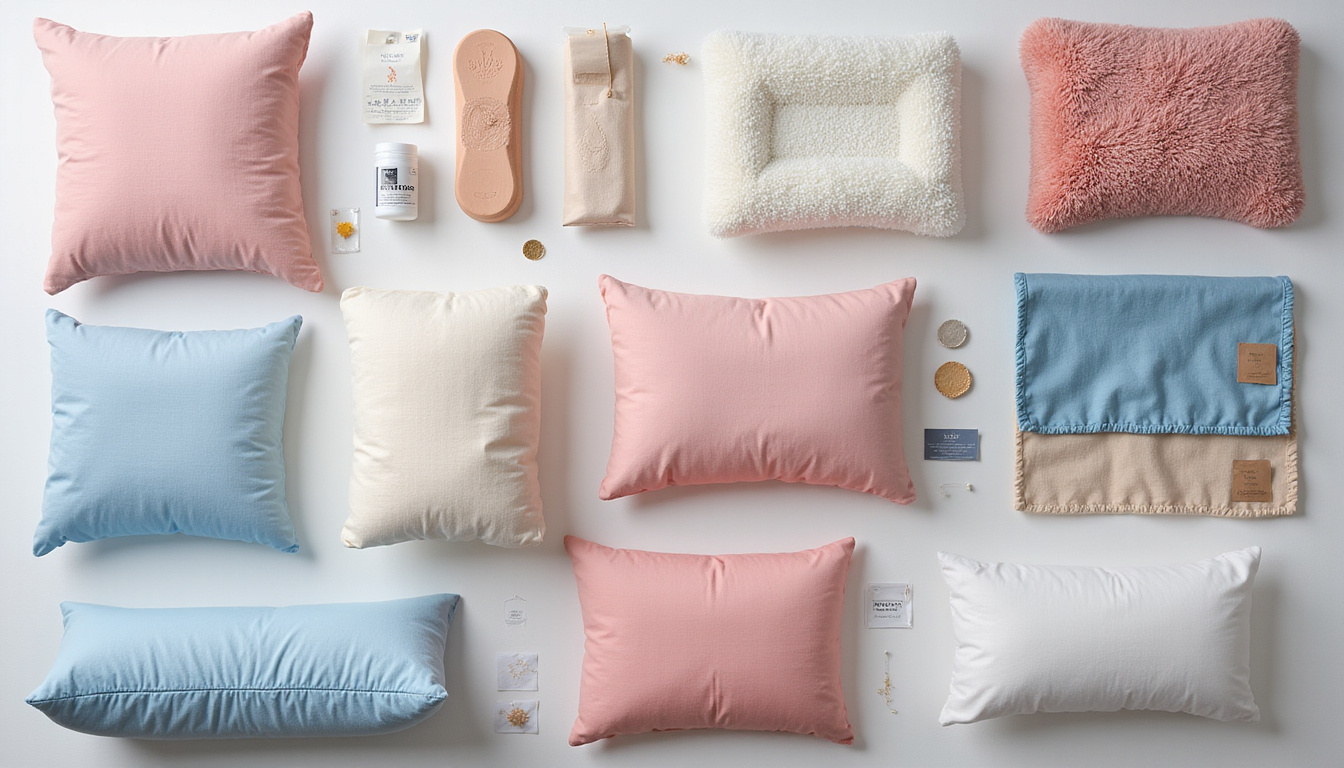
For covers, look for breathable, washable fabrics like cotton, bamboo-derived rayon, or mesh.
5. Check size and practicality
Think about how you’ll actually use the pillow:
- Will you travel with it? Choose a compact knee pillow or seat cushion.
- Is your bed small? Oversized body pillows may be cumbersome.
- Do you share a bed? Very large pillows can affect your partner’s space.
Make sure the pillow dimensions fit you and your sleeping environment.
6. Look for adjustability and customization
Some modern sciatica pillows allow you to:
- Remove layers of foam to change the height
- Add or remove inserts to customize firmness
- Adjust straps to keep the pillow secured between your knees
If you’re not sure what exact feel you need, an adjustable option can save trial-and-error costs.
Using a sciatica pillow correctly: positioning tips
Even the best pillow won’t help if you’re not using it as intended. A few guidelines:
For side sleepers
- Place a contoured sciatica pillow directly between your knees.
- Align your ankles on the pillow too; don’t let one ankle hang down.
- Keep your hips stacked—imagine your belly button pointing straight to the wall, not the bed.
- Hug a second pillow or body pillow to prevent your upper body from twisting.
For back sleepers
- Place the pillow directly under your knees so they are slightly bent.
- Avoid placing the pillow under your heels or calves only; this can strain the knees.
- If your lower back still feels strained, add a thin lumbar pillow under the natural curve of your lower spine.
For sitting with a seat cushion
- Place the cushion so the cutout (if present) is directly under the tailbone.
- Sit all the way back and avoid slouching.
- Keep feet flat on the floor and knees at about hip height.
Quick checklist: what to look for in a sciatica pillow
Use this list when comparing options:
- [ ] Designed specifically for your primary position (side/back/sitting)
- [ ] Medium to medium-firm support
- [ ] Adequate height for your body size and hip width
- [ ] High-density, supportive foam (memory, latex, or quality polyfoam)
- [ ] Breathable, removable, washable cover
- [ ] Non-toxic materials (look for CertiPUR-US or similar certifications)
- [ ] Good user reviews from people with similar issues
- [ ] Reasonable trial period or return policy
Common mistakes to avoid
- Treating the pillow as a cure-all. It’s a tool, not a replacement for proper diagnosis and treatment.
- Choosing only by price. Very cheap foam often flattens quickly and loses support.
- Using a knee pillow that’s too thick. This can tilt the hips unnaturally and create new pain.
- Ignoring your mattress and head pillow. Your whole sleep system matters; if your mattress sags, a sciatica pillow can only do so much.
- Sleeping in pain-promoting positions. Even a great pillow can’t fully compensate for stomach sleeping or extreme twisting.
FAQs about sciatica pillows
1. Do sciatica pillows really work for nerve pain?
A sciatica pillow can’t heal nerve damage, but it can significantly reduce mechanical pressure and poor alignment that aggravate sciatic nerve pain. Many people report less night-time pain and fewer morning flare-ups when they consistently use a supportive pillow and maintain nerve-friendly sleep positions.
2. Which pillow is best for sciatica and lower back pain?
For combined lower back and sciatic pain, a knee pillow for sciatica (for side sleepers) or an under-knee wedge (for back sleepers) is often most effective. If your pain worsens with sitting, pair your sleep pillow with a sciatica seat cushion for daytime use.
3. Can I use a regular pillow instead of a special sciatica pillow?
You can improvise with regular pillows, but a dedicated orthopedic sciatica pillow is shaped and sized to maintain consistent support all night. Regular pillows often shift, compress unevenly, or force your hips and knees into awkward angles, making pain relief less reliable.
Take control of your nights: choose your sciatica pillow strategically
You don’t have to accept sleepless, painful nights as your “new normal.” A carefully chosen sciatica pillow—matched to your sleep position, body size, and pain pattern—can dramatically improve spinal alignment, reduce pressure on the sciatic nerve, and help you wake up less sore and more rested.
Start by identifying how and where you hurt most, then select the style that addresses that specific issue: a knee pillow for side sleeping, an under-knee bolster for back sleeping, or a seat cushion for long hours at a desk or in the car. Prioritize supportive materials, proper height, and a design that fits your real-life habits.
If you’re ready to sleep with less pain, choose one promising pillow that meets the criteria in this guide, commit to using it nightly for at least two weeks, and pay attention to the difference in your mornings. And if your sciatica is severe or worsening, pair your new pillow with professional guidance from a healthcare provider or physical therapist to build a complete, long-term plan for relief.