DRG Stimulation: Revolutionary Targeted Therapy for Persistent Neuropathic Pain
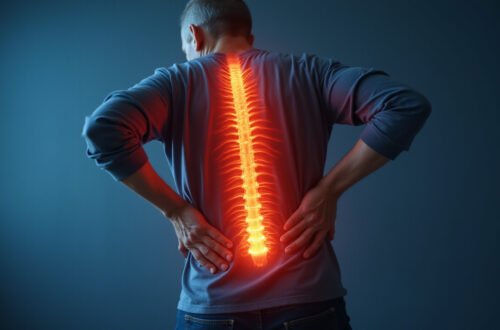
For people living with burning, shooting, or electric shock–like pain that never seems to switch off, traditional treatments often fall short. That’s where DRG stimulation (dorsal root ganglion stimulation) is emerging as a powerful, targeted option—especially for stubborn neuropathic pain that hasn’t responded to medications, injections, or even standard spinal cord stimulation.
This article explains what DRG stimulation is, how it works, who it can help, and what to expect before and after treatment, so you can have an informed conversation with your pain specialist.
What Is DRG Stimulation?
DRG stimulation is a form of neuromodulation—a therapy that uses mild electrical pulses to change the way pain signals are processed by the nervous system. Instead of broadly targeting the spinal cord, DRG stimulation focuses on the dorsal root ganglion, a small cluster of sensory nerve cells located just outside the spinal cord along the spine.
These nerve cell clusters play a key role in transmitting sensation, including pain, from specific areas of the body to the brain. By precisely targeting the DRG, this therapy aims to “turn down the volume” on pain signals coming from well-defined areas such as:
- The foot, knee, or ankle
- The groin or pelvis
- A single leg or part of a limb
- Areas affected after surgery or injury
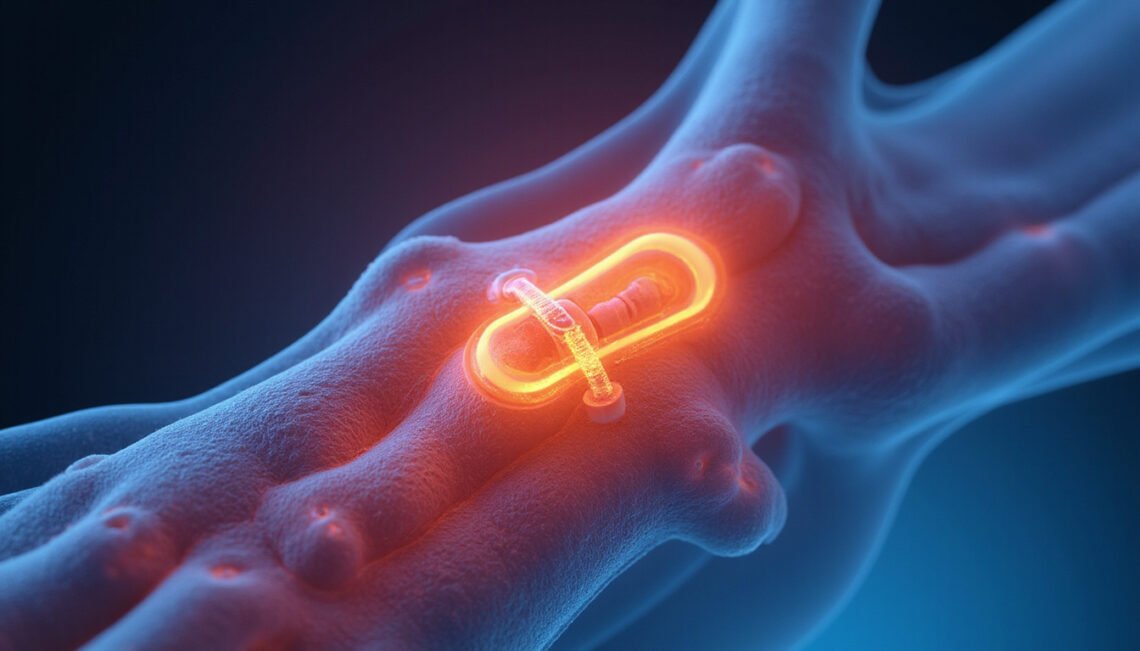
DRG stimulation is delivered through a minimally invasive implanted system that can be adjusted and personalized over time.
How DRG Stimulation Works in the Nervous System
To understand why DRG stimulation can be so effective, it helps to know a little about pain pathways.
The role of the dorsal root ganglion
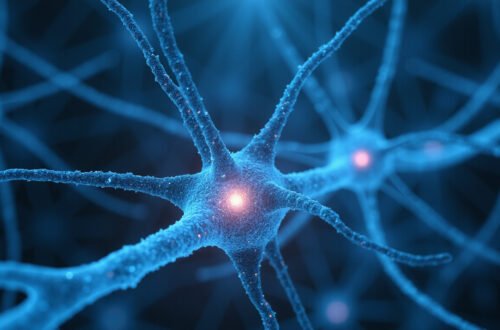
Each spinal nerve has a dorsal root ganglion containing sensory neuron cell bodies. These neurons:
- Collect sensory information (touch, temperature, pain) from the skin, muscles, and joints
- Transmit that information into the spinal cord
- Send signals upward to the brain where they are experienced as pain or other sensations
In chronic neuropathic pain, these sensory neurons can become overactive or misfire, sending pain signals even without ongoing tissue damage.
Modulating signals instead of “cutting” them
DRG stimulation doesn’t destroy nerves. Instead, it uses carefully controlled electrical pulses delivered through thin leads placed near the DRG. The stimulation:
- Interferes with abnormal pain signaling
- Reduces the perception of pain from the targeted body area
- Often leaves normal sensation relatively intact
Unlike older forms of neuromodulation, DRG stimulation can focus on very localized pain zones. That’s why it’s especially useful when the painful area is small and well-defined.
DRG Stimulation vs. Traditional Spinal Cord Stimulation
Both DRG stimulation and traditional spinal cord stimulation (SCS) are implantable neuromodulation therapies, but they differ in key ways.
Targeting and precision
-
Spinal cord stimulation: Places leads in the epidural space over the spinal cord.
- Broader coverage
- Can be less precise for small or hard-to-reach areas (like the foot or groin)
-
DRG stimulation: Places leads near specific dorsal root ganglia associated with the painful area.
- Highly targeted
- Better suited for focal, regional pain where SCS may not achieve consistent coverage
Paresthesia and sensation
Older SCS systems often produce tingling (paresthesia) that must overlap the painful area to provide relief. DRG stimulation tends to:
- Provide more stable coverage even with posture changes
- In many cases, work with less or no noticeable tingling, depending on settings and system
Evidence for difficult neuropathic conditions
Clinical studies have shown that DRG stimulation can provide significant and sustained pain relief in conditions such as complex regional pain syndrome (CRPS) and focal neuropathic pain that were previously very hard to treat (source: NCBI / PubMed).
Conditions That May Benefit From DRG Stimulation
DRG stimulation is usually considered for chronic, focal neuropathic pain that persists despite conservative treatment. Common indications include:
- Complex Regional Pain Syndrome (CRPS) – especially in the foot, ankle, knee, or hand
- Causalgia / nerve injury pain – after trauma, crush injury, or surgery
- Post-surgical neuropathic pain, such as:
- Post-hernia repair groin pain
- Chronic post-knee or foot surgery pain
- Pain after orthopedic procedures or joint replacement
- Peripheral neuropathic pain affecting a localized area
- Certain cases of post-amputation pain (residual limb pain)
People considered for DRG stimulation typically:
- Have had persistent neuropathic pain for 6 months or longer
- Have tried appropriate medications (e.g., neuropathic pain drugs, opioids, anti-inflammatories) without sufficient relief or with unacceptable side effects
- May have tried nerve blocks, injections, physical therapy, and sometimes even standard spinal cord stimulation
The decision to use DRG stimulation is individualized and made by a multidisciplinary pain team.
Who Is a Candidate for DRG Stimulation?
Your pain specialist may consider you a candidate if:
- Your pain is neuropathic (burning, stabbing, electric, or hypersensitive to light touch)
- The pain area is well-defined and regional (e.g., one foot, a section of the leg, the groin)
- Imaging and evaluation have ruled out surgically correctable causes
- You’re not getting enough relief from conservative treatments
- You’re able and willing to participate in the trial process and manage an implanted system
You may not be a good candidate if you:
- Have an active infection or uncontrolled systemic illness
- Have major psychiatric instability or untreated substance use disorder that may affect outcomes
- Cannot stop certain blood thinners (temporarily) if required for the procedure
- Cannot safely undergo minor surgery
A thorough evaluation usually includes a detailed history, physical exam, imaging as needed, and sometimes psychological assessment.
The DRG Stimulation Procedure: Step by Step
One of the advantages of DRG stimulation is that you can “test drive” the therapy before committing to a permanent implant.
1. Trial phase
The trial is a temporary test, usually lasting 3–7 days.
- Performed under local anesthesia with sedation
- Thin leads are inserted through a needle and guided (often with X-ray guidance) to the targeted DRG levels
- The leads are connected to an external stimulator worn on a belt or clothing
- You go home the same day and continue normal, non-strenuous activities while tracking your pain
During the trial, your care team adjusts the stimulation settings to optimize relief.
You and your clinician will assess:
- Percentage of pain relief (many centers look for at least 50% reduction)
- Improvements in function (walking, sleeping, daily tasks)
- Changes in medication use
- Any unpleasant sensations or side effects
If the trial is successful, you may move on to a permanent implant.
2. Permanent implantation
The permanent implant is typically an outpatient or short-stay procedure.
- Leads are placed at the same or refined DRG targets under X-ray guidance
- A small implantable pulse generator (IPG)—the battery and control unit—is placed under the skin (often in the buttock or lower abdomen)
- The leads are tunneled under the skin and connected to the IPG
- Incisions are closed with sutures or staples
After surgery, the device is programmed with an external controller, and you receive a handheld remote to adjust approved settings within safe ranges.
Benefits of DRG Stimulation for Persistent Neuropathic Pain
For a carefully selected patient, DRG stimulation can offer several advantages:
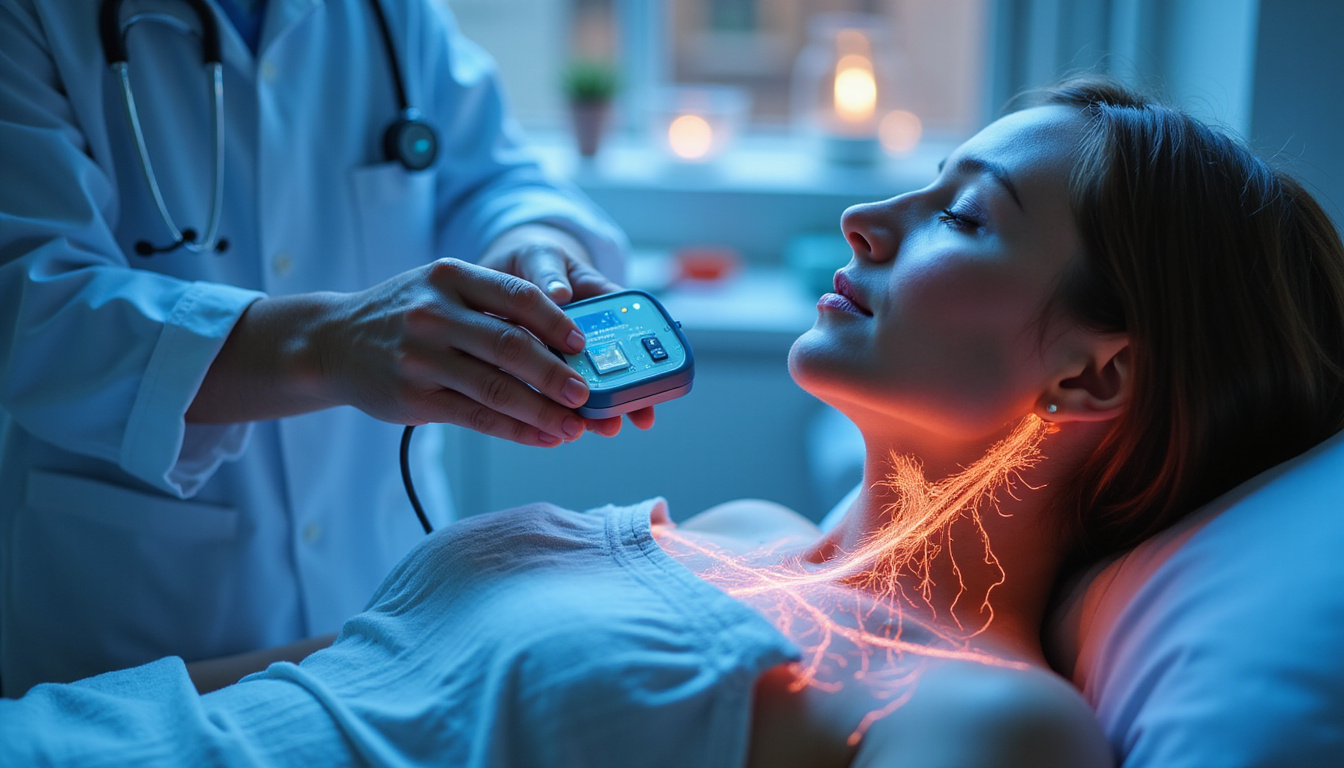
- Targeted pain relief in small, specific zones that are hard to treat otherwise
- Sustained reduction in pain intensity, often 50% or greater in successful cases
- Improved function and quality of life—walking, standing, working, sleeping more comfortably
- Possible reduction in pain medications, including opioids, over time (under medical guidance)
- More stable coverage with body position changes compared to some traditional SCS systems
- Reversible and adjustable: the system can be turned off, reprogrammed, or removed if needed
Individual results vary, and not everyone will achieve dramatic pain relief, which is why the trial phase is so critical.
Risks and Potential Complications
Like any invasive procedure, DRG stimulation has risks. These are usually low but real and should be weighed against the severity of your pain and the failure of other treatments.
Possible complications include:
- Infection at the implant site
- Bleeding or hematoma
- Lead migration (movement of the lead from the original position)
- Lead fracture or hardware malfunction
- Cerebrospinal fluid leak (rare)
- Local discomfort where the battery is placed
- Unwanted changes in sensation or stimulation patterns
Serious neurological complications are rare but possible. You and your physician should discuss these in detail and review your overall risk profile.
Life With a DRG Stimulator: What to Expect
Once you’ve healed from the implant and your device is programmed, life with a DRG stimulator often involves:
- Regular follow-up visits to fine-tune settings and monitor your progress
- Using a handheld remote to adjust stimulation within prescribed ranges
- Being mindful of certain activities (e.g., extreme twisting/bending early after surgery; your team will give specific guidelines)
- Periodically checking for updates or reprogramming options as technology evolves
Some systems are rechargeable and require regular charging via an external charger placed over the skin. Others are non-rechargeable and may need surgical replacement after several years when the battery depletes.
You’ll also coordinate with your device manufacturer and medical team regarding MRI compatibility and airport security procedures.
Key Questions to Ask Your Pain Specialist
If you’re considering DRG stimulation, you might ask:
- Am I a good candidate based on my diagnosis and pain pattern?
- What are realistic goals for pain reduction and function in my case?
- What would the trial process look like for me, and how will we define “success”?
- What are the short- and long-term risks, and how often do you see complications?
- How experienced is your team with DRG stimulation specifically?
Having these conversations openly helps align expectations and improves the chances of a good outcome.
FAQ About DRG Stimulation and Neuropathic Pain
1. How effective is dorsal root ganglion stimulation for chronic neuropathic pain?
Clinical studies show that dorsal root ganglion stimulation can provide meaningful pain relief—often 50% or more—in a significant percentage of patients with focal neuropathic conditions like CRPS and post-surgical nerve pain. Effectiveness depends on careful patient selection, precise lead placement, and successful response during the trial phase.
2. What’s the difference between DRG neuromodulation and other nerve stimulation therapies?
DRG neuromodulation targets the dorsal root ganglion, a specific structure that handles sensory signals from a defined region of the body. This leads to more localized, controllable pain relief compared to broader spinal cord stimulation or peripheral nerve stimulation, which may not reach deep-seated or regionally complex pain areas as precisely.
3. Is DRG stimulation permanent, and can it be removed?
DRG stimulation is designed as a long-term therapy, but it’s fully reversible. The implanted system can be turned off at any time, reprogrammed, or surgically removed if it doesn’t provide enough benefit, causes problems, or if your clinical situation changes.
Take the Next Step Toward Targeted Pain Relief
If you’re living with persistent neuropathic pain that has resisted medications, injections, and other treatments, you don’t have to accept your current level of suffering as “the new normal.” DRG stimulation offers a focused, evidence-based way to calm overactive pain pathways—especially in small, stubborn areas like the foot, knee, groin, or lower limb.
The most important step is an informed discussion with a pain specialist experienced in neuromodulation. Ask whether your pain pattern, history, and goals make you a good candidate for a DRG stimulation trial. With the right evaluation and careful planning, this targeted therapy could open the door to meaningful pain relief, better function, and a more active life.