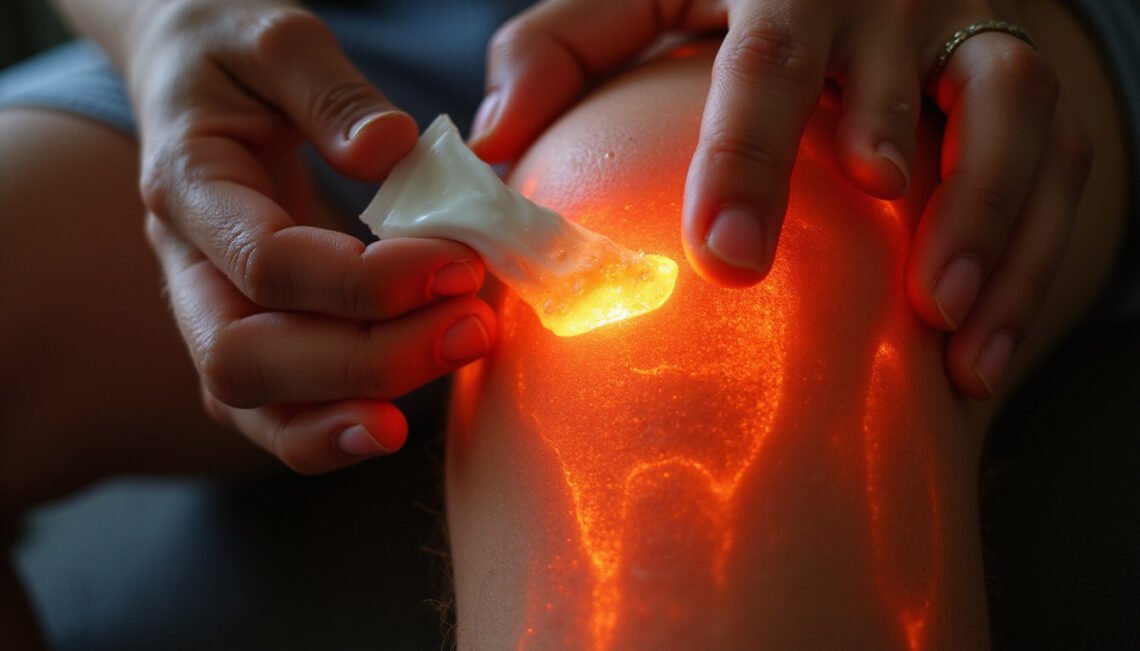
Capsaicin cream has become a go-to option for many people looking for drug-free pain relief they can apply right where it hurts. Derived from chili peppers, this topical treatment can help reduce joint, muscle, and nerve pain when used correctly. Understanding how capsaicin cream works, what conditions it can treat, and how to use it safely will help you decide if it’s right for you.
What Is Capsaicin Cream?
Capsaicin is the natural compound that gives chili peppers their heat. In medical use, it’s formulated into creams, gels, and patches in carefully controlled strengths. When you apply capsaicin cream to your skin, it interacts with pain-sensing nerve endings to reduce the intensity of pain signals over time.
You’ll find capsaicin creams:
- Available over the counter (OTC) in low strengths
- Prescribed in higher concentrations for more severe nerve-related pain
- Often combined with other ingredients (like menthol) in some products
Though it comes from something “spicy,” capsaicin cream is not simply a warming rub; it has a specific, targeted effect on the nerve fibers involved in pain.
How Capsaicin Cream Eases Pain
The Science: Desensitizing Pain Nerves
Your body has a receptor called TRPV1 (transient receptor potential vanilloid 1) on pain-sensing nerve fibers. This receptor responds to heat, acidity, and capsaicin. When you apply capsaicin cream:
- Initial activation – Capsaicin binds to TRPV1 receptors, causing a burning, warming, or tingling sensation.
- Overstimulation – Continued exposure temporarily overworks these pain fibers.
- Desensitization – With regular use, these nerves become less responsive and release less of a pain-signaling chemical called “substance P.”
- Reduced pain – Fewer pain signals reach the brain, so the area feels less painful.
This doesn’t numb the area the way a local anesthetic does; instead, it recalibrates how strongly your nerves react to pain stimuli over time.
Why It Takes Time to Work
Many people expect immediate relief when they put on capsaicin cream, but its main benefits are gradual:
- Relief typically starts to become noticeable after several days.
- Maximum effect often takes 2–4 weeks of consistent use.
- Stopping suddenly may allow pain to slowly return as nerves resensitize.
For chronic pain, think of capsaicin as an ongoing treatment rather than a “quick fix” you use once in a while.
Conditions Capsaicin Cream May Help
Research and clinical experience support capsaicin cream for several types of pain, especially those involving superficial nerves.
1. Joint Pain and Arthritis
Capsaicin cream is frequently recommended for:
- Osteoarthritis (wear-and-tear arthritis)
- Rheumatoid arthritis (in conjunction with systemic therapy)
- Localized joint pain in hands, knees, shoulders, and feet
For many people with arthritis, applying capsaicin to painful joints reduces soreness and improves comfort during daily activities. Several guidelines recognize topical capsaicin as a useful option for hand and knee osteoarthritis, especially for people who can’t tolerate or prefer to avoid oral pain medications (source: Arthritis Foundation).
2. Diabetic Nerve Pain and Other Neuropathies
Nerve (neuropathic) pain often responds poorly to standard painkillers, which is where capsaicin can be helpful. It may be used for:
- Painful diabetic neuropathy, especially in the feet
- Postherpetic neuralgia (lingering nerve pain after shingles)
- Peripheral neuropathy from other causes
High-concentration capsaicin patches (8%) are prescription-only and typically applied in a clinic, but lower-strength capsaicin creams at home can still offer meaningful relief for some people when used consistently.
3. Back, Neck, and Muscle Pain
For musculoskeletal pain where nerves near the skin contribute to discomfort, capsaicin cream may reduce:
- Chronic low back pain
- Neck strain
- Localized muscle aches (myofascial pain)
It’s usually part of a broader treatment plan that might include physical therapy, stretching, and posture changes.
4. Other Uses Under Medical Guidance
Under specialist supervision, capsaicin-based treatments may also be considered for:
- Certain headache syndromes (e.g., cluster headaches, via nasal formulations)
- Post-surgical nerve pain in some cases
- Localized pain from conditions like complex regional pain syndrome (CRPS)
These uses are more specialized and should only be tried under direct medical guidance.
How to Use Capsaicin Cream Safely and Effectively
Using capsaicin cream correctly is essential—both for safety and to get the pain relief you’re looking for.

Step-by-Step Application
-
Wash and dry the area
Clean skin gently and pat dry. Don’t apply over cuts, scratches, sunburn, or rashes. -
Apply a thin layer
Use a pea-sized amount for small joints (like a finger) and a slightly larger amount for bigger areas. More is not better—overapplying can increase burning without improving relief. -
Rub in thoroughly
Gently massage until the cream is fully absorbed and you no longer see a white film. -
Wash your hands
Use soap and water immediately after applying, unless you’re treating your hands. Avoid touching your eyes, mouth, genitals, or broken skin. -
Frequency
Most OTC capsaicin creams are used 3–4 times daily. Check the product label and follow your doctor’s instructions. -
Consistency matters
Use it every day as directed. Skipping applications makes it harder for nerve desensitization to build up.
First-Time Use: What to Expect
- A warm, burning, or stinging sensation is normal at first.
- This usually lessens after several days as nerves desensitize.
- If the burning is very uncomfortable, try:
- Applying a thinner layer
- Using it less often for a few days, then increasing to full frequency
- Applying after a bath or shower only once skin is fully cool and dry
If pain or burning is severe, blistering occurs, or symptoms spread beyond the application area, stop using the cream and contact a healthcare professional.
Common Side Effects and How to Manage Them
Most side effects of capsaicin cream are mild and localized.
Typical Side Effects
- Burning, warmth, or stinging at the application site
- Redness or slight swelling
- Itchiness or mild irritation
These usually improve with continued use as your nerves adapt.
Less Common or Serious Reactions
Stop using capsaicin cream and seek medical attention if you notice:
- Intense pain or prolonged burning
- Blistering, significant swelling, or open sores
- Signs of infection (pus, spreading redness, fever)
- Trouble breathing, widespread rash, or other signs of an allergic reaction
If capsaicin gets into your eyes or mouth, rinse thoroughly with plenty of water and seek help if irritation is severe or persistent.
Who Should Be Cautious or Avoid Capsaicin Cream?
While capsaicin cream is available over the counter, it’s not ideal for everyone.
Use With Extra Care or Medical Advice
Talk to a healthcare professional before using if you:
- Have very sensitive skin or a history of severe skin reactions
- Have poor circulation or nerve damage in the area you plan to treat
- Are pregnant or breastfeeding (safety data is limited; professional guidance is important)
- Take blood thinners or have bleeding/skin fragility issues (to avoid unnoticed skin damage)
Who Should Not Use It Without Explicit Medical Direction
Avoid capsaicin cream unless your doctor specifically recommends it if you:
- Have open wounds, active skin infections, or severe skin conditions in the area
- Are allergic to chili peppers, capsaicin, or any ingredients in the product
- Are applying other strong topical medications to the same area (e.g., steroids, anesthetics, or other irritant rubs)
Never apply capsaicin cream under tight bandages or use it with heating pads or hot water bottles—this can significantly increase skin irritation and burning.
Tips for Getting the Most from Capsaicin Cream
To maximize benefits and minimize problems, keep these practical tips in mind:
- Start small: Test on a small patch of skin first to see how you tolerate it.
- Set a schedule: Treat capsaicin like a routine medication, not a one-off.
- Combine with healthy habits: Pair it with exercise, stretching, or weight management for joint pain.
- Avoid hot showers around application time: Heat can intensify the burning sensation.
- Store safely: Keep away from children and pets; accidental exposure to eyes or mouth can be very uncomfortable.
Comparing Capsaicin Cream to Other Pain Options
Choosing a pain treatment is rarely “one size fits all.” Capsaicin cream has some distinct advantages and limitations.
Advantages
- Topical and localized: Acts where you put it, with minimal systemic absorption.
- Non-opioid: No risk of dependence or sedation.
- Complementary: Can often be used along with oral medications or non-drug therapies.
- Useful for nerve pain: Can help when standard painkillers fall short.
Limitations
- Delayed relief: It may take weeks for full benefit.
- Initial discomfort: Burning or stinging is common at first.
- Not for deep, severe pain alone: May be insufficient for serious injuries or advanced arthritis by itself.
- Requires frequent use: Multiple applications per day can be inconvenient for some people.
Discussing your pain pattern, medical history, and current medications with a clinician can help determine if capsaicin fits into your broader pain management plan.
FAQs About Capsaicin Cream and Topical Capsaicin
1. How long does it take for capsaicin cream to work for pain?
Most people using capsaicin cream for chronic pain need at least several days of regular use to notice meaningful relief. Maximum benefit often appears after 2–4 weeks of consistent application. If you see no improvement after a month, or your pain worsens, talk to your healthcare provider about other options.
2. Can I use topical capsaicin cream with other pain medications?
Yes, capsaicin cream is often used alongside oral pain relievers, anti-inflammatory drugs, or other treatments. Because it acts locally on the skin’s nerve endings, it usually doesn’t interfere with systemic medicines. However, avoid layering multiple irritant topicals (like other “heat rubs”) on the same area, and always confirm compatibility with your doctor or pharmacist.
3. Is capsaicin ointment or cream safe for long-term use?
For many people, long-term or repeated use of capsaicin ointment or cream is safe when applied correctly to intact skin as directed. Some individuals use it for months or even years for chronic conditions like osteoarthritis or neuropathic pain. Regularly check your skin for irritation, discuss ongoing use with your clinician, and inform them of any changes in your pain or skin condition.
The Bottom Line: Is Capsaicin Cream Right for You?
Capsaicin cream offers a targeted, non-opioid way to manage certain kinds of pain—especially arthritis and nerve-related discomfort near the skin. By gradually desensitizing pain fibers, it can reduce the intensity of pain signals and improve your day-to-day comfort when used consistently and correctly.
If you’re considering capsaicin cream:
- Think about where your pain is and what’s causing it.
- Review your medications and health conditions with a professional.
- Be prepared to commit to several weeks of regular application.
- Monitor your skin and reactions, especially when you first start.
If you’re ready to explore whether capsaicin cream could be part of your pain management plan, discuss it with your doctor, pharmacist, or pain specialist. Ask which strength and application schedule they recommend, and how it might fit with other treatments you’re using. Taking this simple step can help you move closer to more comfortable movement and better control over your pain.