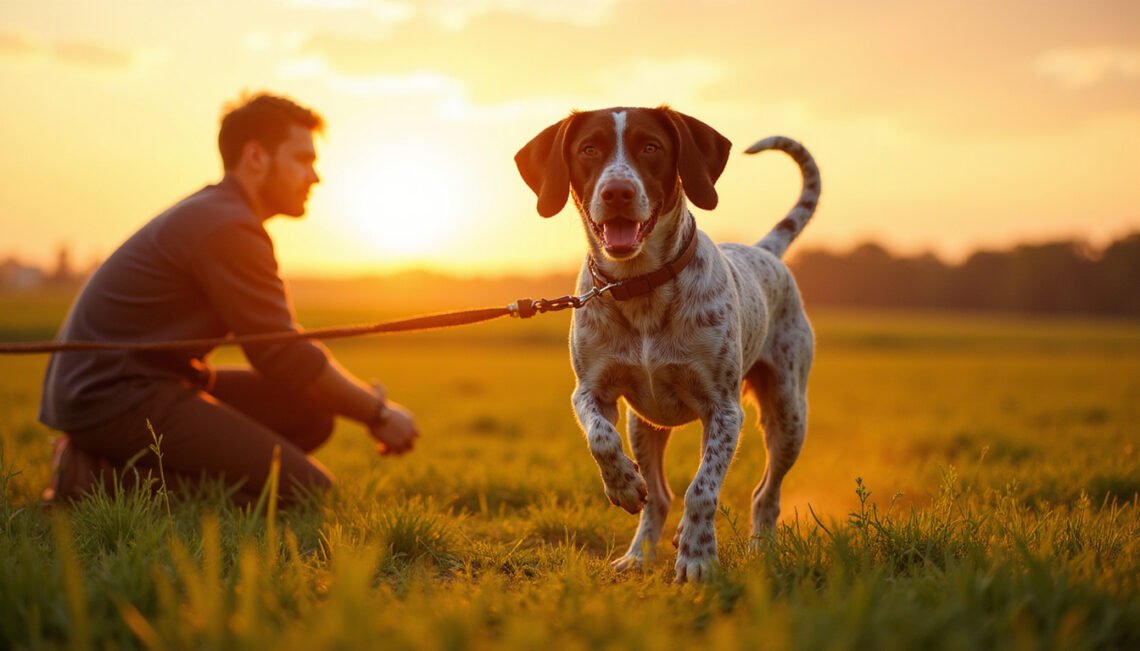
If you share your life with a bird dog, you already know how smart, driven, and energetic these dogs are. That same drive that makes them incredible in the field can also make daily walks exhausting and recall unreliable—unless you channel it correctly. With the right strategies, you can transform your bird dog from a sled-pulling powerhouse into a responsive, focused partner with rock-solid recall.
Below are practical, field-tested training hacks designed specifically for bird dog breeds—Setters, Pointers, Spaniels, Retrievers, and versatile hunting dogs—to stop leash pulling and dramatically improve recall.
Why bird dogs pull and ignore recall
Bird dogs are bred for:
- High prey drive
- Stamina and speed
- Independent decision-making at a distance
On a walk or in the field, that means your bird dog is naturally inclined to:
- Range out ahead
- Scan for scent and movement
- Tune out “background noise” (including you) when on a scent
They’re not being stubborn; they’re doing the job their genes tell them to do. Effective training doesn’t fight those instincts—it redirects them, so your bird dog learns that checking in with you is what unlocks the hunting and exploring they crave.
Foundation first: Relationship and engagement
Before tackling pulling or recall, build engagement. A bird dog that cares where you are and what you’re doing is far easier to train.
Engagement exercises
Work these for 5–10 minutes a day:
- Name game: Say your dog’s name once. The instant they look at you, mark (“Yes!” or click) and reward. This teaches them that orienting to you pays.
- Hand-targeting: Present your hand at your dog’s nose level. When they touch it with their nose, mark and reward. Hand-targets become a great recall “landing zone.”
- Reward for check-ins: On walks with a long line, silently walk and mark/reward any time your bird dog chooses to glance back or come closer on their own.
This “pre-work” makes all your leash and recall training far more effective.
Hack 1: Use your bird dog’s nose to stop pulling
You won’t outmuscle a determined bird dog on a squirrel-rich trail. Instead of trying to suppress sniffing and searching, make it part of your training.
The sniff-and-go protocol
- Sniffing becomes the reward. Move forward and allow sniffing only when the leash is loose.
- Stop when the leash tightens. The instant your dog forges ahead so the leash goes tight, plant your feet. Say nothing.
- Wait for slack. Eventually your dog will turn back or shift to release pressure. Mark and immediately move forward again.
- Repeat, repeat, repeat. Your dog learns: Pulling stops the hunt. Loose leash continues the hunt.
For bird dogs, continuing the “search” is often more valuable than treats. That makes this particularly powerful.
Hack 2: “Hunting heel” for practical loose-leash walking
A formal heel isn’t always realistic with an energetic bird dog, but a hunting heel—a loose-leash position within a defined “zone”—is perfect.
How to teach a hunting heel
- Pick a side. Left or right, and always be consistent.
- Define the zone. Your dog’s shoulder should stay roughly in line with your leg, with a loose leash.
- Start in low-distraction spaces. Indoors or in the yard, walk slowly. Reward every few steps when your bird dog stays in the zone.
- Add a cue. Say “With me” or “Heel” as you move. Mark and reward the correct position.
- Gradually layer distractions. Move to quiet streets, then busier areas, then trails. Keep the leash short but loose, not tight.
Use “hunting heel” for high-control situations—streets, parking lots, near roads—and allow more freedom (on a long line) when it’s safe.
Hack 3: Strategic use of long lines
Long lines are essential for a bird dog. They bridge the gap between on-leash control and off-leash freedom without sacrificing safety.
Long line best practices
- Length: 15–30 feet is ideal for most bird dogs.
- Attachment: Always to a well-fitted harness for line work to protect the neck.
- Environment: Wide, open areas with minimal tangles—fields, big parks, beaches.
- Handling: Let the line slide through your hands; avoid wrapping around fingers.
Use the long line when you practice recall and off-leash manners, so your dog experiences freedom but you still have a backup.
Hack 4: Transform your recall cue into a “jackpot word”
A bird dog’s recall must cut through birds, rabbits, and scents. That requires a supercharged cue—more powerful than your everyday “Come.”
Build a special recall cue
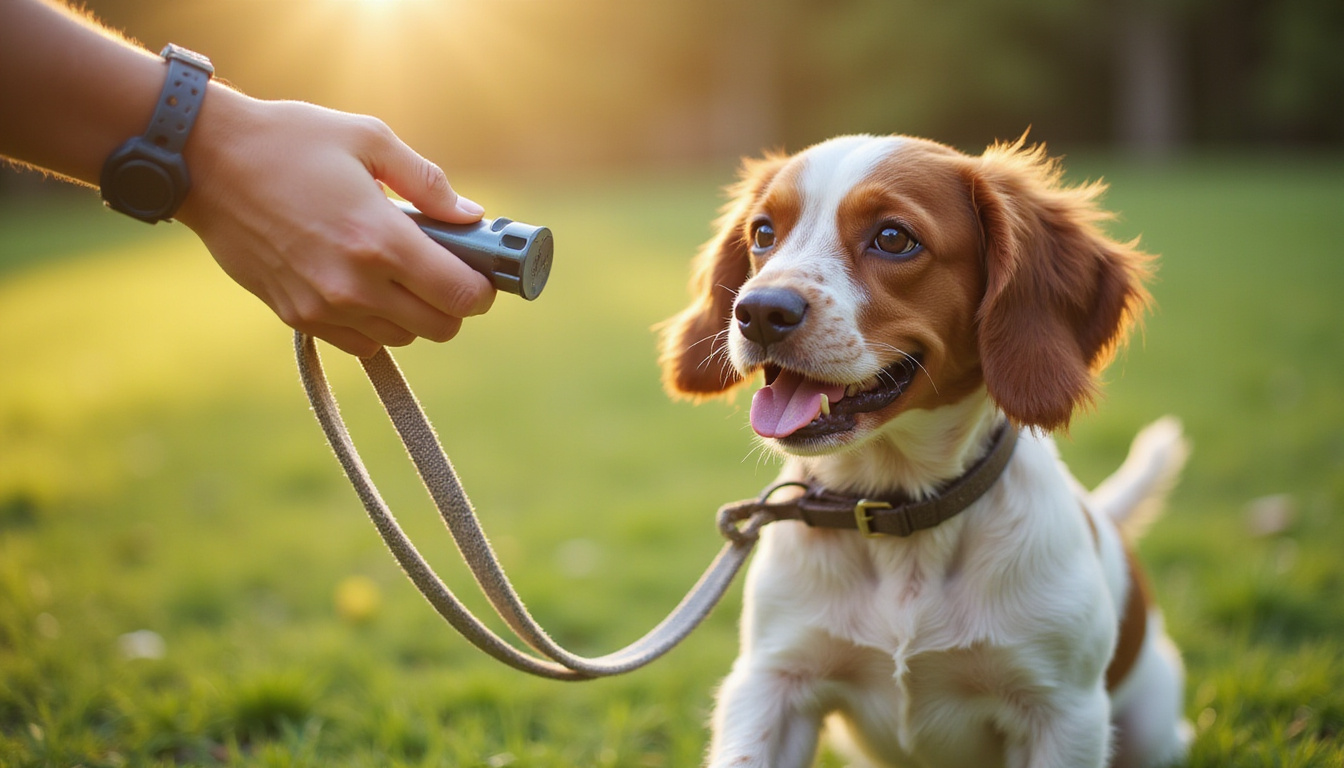
- Choose a unique word: “Here,” “To me,” “Now,” or even a whistle. Avoid overused cues like “Come” that you might say casually.
- Condition it at home:
- Say the cue once.
- Immediately drop 3–5 tiny, high-value treats on the floor.
- Don’t require anything from your dog first; the cue predicts a jackpot.
- Repeat 10–15 times a day for several days. This builds a Pavlovian association: word = big reward.
Start recall training in low-distraction settings
- In a hallway or fenced yard, say your recall cue once.
- As soon as your bird dog turns toward you, mark and deliver a party: handful of treats, praise, maybe a quick game of tug or fetch.
- Use your body to help—crouch, clap, move backward to be more inviting.
Only when your dog is racing to you in low-distraction areas should you progress to more challenging environments.
Hack 5: Make coming back more fun than chasing
To a bird dog, chasing a bird or following a hot scent is inherently rewarding. Your job is to compete with that—realistically.
Vary and upgrade your rewards
Bird dogs often value:
- Scent games
- Retrieves
- Freedom to run
- Short bursts of hunting-like behavior
Use that to your advantage:
- Recall → sniff: Call your dog. When they come, walk them to a bush or patch of grass and say “Go sniff!”
- Recall → retrieve: Carry a favorite bumper or ball. Dog returns? Immediately toss a short retrieve.
- Recall → release: In safe areas, recall, reward, then say “Go hunt!” and send them back to exploring.
Your bird dog will learn that coming when called doesn’t end the fun; it unlocks more of it.
Hack 6: The “double reward” recall system
For critical recalls (e.g., near roads, wildlife, or other dogs), use a two-layer payoff.
- Primary reward: High-value food, like small bits of cooked chicken, cheese, or sausage.
- Secondary reward: A release back to what they were doing—running, hunting, swimming—when safe.
Example:
- Bird dog is exploring on a long line.
- You see a jogger approaching; give your recall cue.
- Dog comes, you deliver rapid-fire treats and praise.
- Jogger passes, you say “Go hunt!” and allow your dog to return to the field.
This teaches them that responding fast to recall doesn’t necessarily end their freedom.
Hack 7: Proofing against real-life distractions
Many bird dog owners stop once recall works in the backyard. But performance in the field requires systematic proofing.
Proofing steps
- Mild distractions: Practice near distant people, low wildlife activity, or mild traffic sounds.
- Medium distractions: Other dogs at a distance, birds flying high, new environments.
- High distractions: Fresh game scent, visible wildlife, heavy dog activity.
At each stage:
- Keep your dog on a long line.
- Use your supercharged recall cue sparingly and only when you can enforce it with the line if needed.
- If your bird dog ignores the cue once, the environment was too hard. Go back a step and build more value into the recall.
For safety and legal guidelines on off-leash dogs and recall, see resources like the American Kennel Club’s training advice (source: American Kennel Club).
Hack 8: Leash skills that stick—micro-sessions and pattern games
Bird dogs learn patterns exceptionally well. Use that to your advantage with very short, focused leash sessions.
Simple pattern games
-
“Out-and-back” walk:
- Walk 10 steps; if the leash stays loose, reward.
- Turn 180°, walk 10 steps back.
- Reward again for a loose leash.
Repeating this pattern builds an expectation that staying near you makes walks predictable and rewarding.
-
Figure-eight around objects:
- Use two cones, trees, or posts.
- Walk figure-eights, rewarding your dog when they stay in their zone without forging.
Keep these sessions to 3–5 minutes, a few times per day. Short, frequent exposures are better than one long, frustrating walk.
Hack 9: Channel that bird dog drive with “legal hunting”
If a bird dog’s hunting instincts are ignored, they’ll invent their own jobs—usually involving pulling and ignoring commands.
Ways to give your bird dog an outlet
- Field work or hunt tests: Even if you don’t hunt, look into local hunt test clubs or training groups.
- Nose work or scent detection: Structured scent games teach your dog to use their nose under control.
- Retrieving drills: Simple marked retrieves in a field or water can satisfy the drive of retrievers and versatile bird dogs.
- Tracking: Lay short tracks and let your dog follow a scent trail to a toy or treat.
A mentally and physically fulfilled bird dog is far less likely to be a freight train on leash or blow off recalls.
Common mistakes bird dog owners make (and how to fix them)
Avoid these pitfalls that can undo your hard work:
- Repeating the recall cue: Saying “Here, here, HERE!” just teaches your dog they can ignore the first few repetitions. Say it once, then back it up with the long line if needed.
- Punishing the recall: Never scold, grab roughly, or end all fun immediately after your dog comes back—even if they were slow. Coming to you must always be safe and rewarding.
- Only training when frustrated: Do structured sessions when you’re calm, not only when your bird dog is already pulling or ignoring you.
- No middle ground between on-leash and off-leash: Use long lines to bridge that gap safely.
Quick reference: Training priorities for your bird dog
Here’s a simple checklist to guide your work:
- Build engagement (name game, hand targets, rewarding check-ins).
- Teach a defined “hunting heel” for controlled environments.
- Use the sniff-and-go protocol to reduce pulling.
- Introduce a supercharged recall cue and condition it at home.
- Practice recall on a long line with big, varied rewards.
- Gradually proof recall against stronger distractions.
- Provide hunting-like outlets: scent games, retrieves, field work.
- Keep sessions short, fun, and frequent.
FAQ about bird dog training
1. How do I train a bird dog to come when called?
Start by building a powerful, unique recall cue at home where there are no distractions. Pair the cue with high-value rewards so your bird dog forms a strong positive association. Then, practice on a long line in gradually more distracting environments, using big, varied rewards and occasionally releasing your dog back to hunting or exploring after they come.
2. What’s the best way to stop my bird dog from pulling on leash?
Use a combination of a defined “hunting heel” for structured walking and the sniff-and-go protocol where pulling makes you stop and a loose leash makes you move forward. For many bird dogs, the chance to keep hunting or sniffing is more motivating than food, so use forward motion as the main reward for good leash manners.
3. Can a bird dog ever be safe off leash with reliable recall?
Many bird dogs can achieve reliable off-leash recall, but it requires systematic training, a strong recall cue, and lots of practice around real-world distractions like birds and wildlife. Always obey local leash laws and keep working with a long line until your dog responds reliably in multiple environments. Some dogs may never be 100% safe off leash near roads or heavy game—your judgment and caution are essential.
A well-trained bird dog is a joy to walk, hunt, and live with—but that doesn’t happen by accident. When you harness your dog’s natural drives with smart training, you get the best of both worlds: a passionate worker in the field and a responsive companion everywhere else.
If you’re ready to turn the chaos into control, start implementing two or three of these hacks this week—especially the supercharged recall and sniff-and-go leash work. And if you want faster progress, consider working with a trainer experienced in bird dog breeds who can tailor a plan to your dog’s instincts and your goals. Your future self—and your bird dog—will thank you every time you clip on the leash or unhook it in the field.