Epidural Fibrosis: How to Prevent, Treat and Beat Recurring Back Pain
Epidural fibrosis is a common – and often frustrating – cause of persistent or recurring back and leg pain after spine surgery. If you’ve had a discectomy, laminectomy, or other lumbar procedure and your symptoms never fully went away, or came back months later, scar tissue around the nerves may be part of the reason. Understanding what epidural fibrosis is, why it happens, and what you can realistically do to prevent and manage it is key to getting your life back.
What Is Epidural Fibrosis?
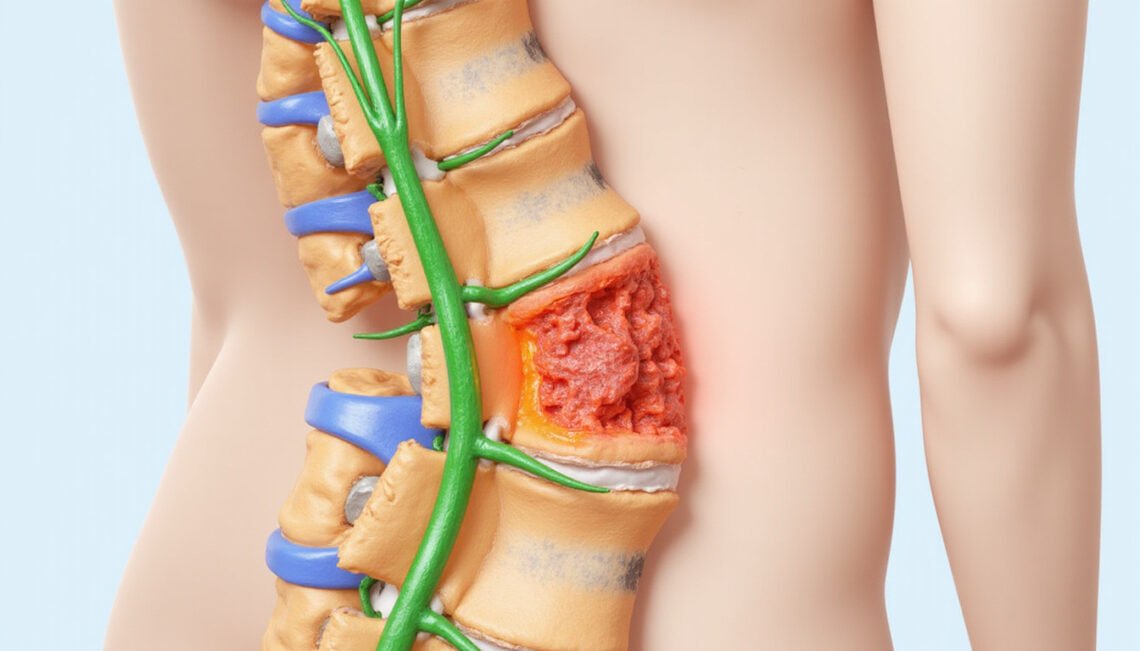
Epidural fibrosis is the formation of fibrous scar tissue in the epidural space (the area surrounding the spinal cord and nerve roots) after spine surgery. This scar tissue can:
- Adhere to nearby nerve roots
- Tether or compress nerves
- Contribute to inflammation around the nerve
For many people, epidural fibrosis is visible on MRI after surgery, but not everyone with scar tissue has pain. Trouble arises when the fibrosis forms in the wrong place or in large amounts, irritating or trapping nerve roots. When that happens, it can lead to ongoing back pain, sciatica-like leg pain, numbness, tingling, or weakness.
Epidural fibrosis is one of the better-known contributors to “failed back surgery syndrome” (FBSS), a term used when pain persists after spinal surgery (source: NIH).
Why Does Epidural Fibrosis Happen After Back Surgery?
Any time the body is injured – including during surgery – it launches a healing response:
- Inflammation – blood flow and immune activity increase.
- Proliferation – fibroblasts lay down collagen and new tissue.
- Remodeling – scar tissue matures and tightens.
In the spine, this process takes place in a tight space packed with delicate nerve structures. When tissue is removed (like a herniated disc), there’s a void. The body often fills that void with scar tissue. Several factors influence how much epidural fibrosis develops:
- Extent of surgery: Larger or repeat surgeries tend to trigger more scarring.
- Surgical technique: More tissue disruption and bleeding can mean more fibrosis.
- Individual healing response: Some people naturally form thicker scar tissue.
- Post-op inflammation and infection: Prolonged inflammation or infection may increase fibrosis.
It’s important to recognize: epidural fibrosis is not a sign of surgical “failure” on its own. It’s a normal process that only causes trouble when it affects nerves.
Symptoms: How Do You Know If Scar Tissue Is the Problem?
You can’t feel epidural fibrosis itself, but you can feel what it does to nerves. Symptoms often appear weeks to months after surgery, frequently after an initial “good” recovery phase.
Common symptoms include:
- Persistent or recurring low back pain
- Leg pain (sciatica) that feels similar to pre-surgery pain
- Burning, electric, or shooting pain down one or both legs
- Numbness or tingling in the buttocks, legs, or feet
- Weakness in the leg or foot
- Pain that worsens with sitting, bending, or certain activities
Imaging, especially MRI with contrast, can help differentiate epidural fibrosis from recurrent disc herniation or other causes of pain. Scar tissue enhances (lights up) with contrast; disc material does not. Your doctor will interpret imaging in the context of your symptoms and exam.
Can Epidural Fibrosis Be Prevented?
There’s no guaranteed way to completely prevent epidural fibrosis, but surgeons and patients can work together to reduce risk and limit its impact.
Surgical Strategies to Limit Scar Formation
Spine surgeons commonly use techniques intended to minimize scarring:
- Gentle tissue handling and minimal disruption of muscles and ligaments
- Meticulous bleeding control to reduce inflammation and clot formation
- Microsurgical or minimally invasive approaches when appropriate
- Use of barrier materials in some cases (gels, membranes, or fat grafts) placed between nerves and the surgical site to mechanically limit adhesions
Research on anti-adhesion materials is ongoing, and not all products have strong evidence, but the goal is the same: keep the sensitive nerve roots as free as possible from direct scar attachment.
What You Can Do After Surgery
While you can’t control your body’s basic scarring response, you can influence your recovery environment:
- Follow post-op instructions closely. Overdoing it early can trigger extra inflammation; underdoing it can lead to stiffness and poor healing.
- Prioritize movement as cleared by your surgeon. Gentle walking and prescribed exercises promote circulation and reduce swelling.
- Avoid smoking or vaping nicotine. Nicotine impairs healing and worsens spinal outcomes.
- Manage blood sugar if you have diabetes. Poorly controlled diabetes is linked to more complications and slower healing.
- Maintain a healthy weight. Excess weight increases mechanical stress on the spine and can aggravate pain.
- Stay ahead of infection risks. Keep the surgical site clean, and report redness, drainage, or fever promptly.
These steps don’t eliminate epidural fibrosis, but they may reduce the severity of scarring and improve how your nerves and surrounding tissues adapt.
Treatment Options for Epidural Fibrosis-Related Pain
When epidural fibrosis is contributing to ongoing pain, the best approach is usually layered and conservative at first. The goal is to calm nerve irritation, improve function, and avoid unnecessary repeat surgery.
1. Medications
Medications don’t remove scar tissue, but they can reduce pain and inflammation:
- NSAIDs (e.g., ibuprofen, naproxen) – help with inflammation and soreness.
- Neuropathic pain medications (gabapentin, pregabalin, duloxetine) – target nerve pain, burning, and tingling.
- Short-term opioids – reserved for severe pain, ideally short duration and closely monitored.
- Muscle relaxants – can help if pain leads to muscle spasm.
Always discuss side effects and interactions with your doctor, especially if you have other medical conditions.
2. Targeted Physical Therapy
A skilled physical therapist with spine experience can be invaluable. Therapy usually focuses on:
- Gentle nerve mobilization (“nerve glides”) to reduce nerve tethering
- Core strengthening to support the spine and offload painful segments
- Flexibility work for hips, hamstrings, and low back
- Postural training and body mechanics for daily activities
- Graded activity – slowly building tolerance to standing, walking, and lifting
The aim is to help the nerve move more freely within the scarred area and to make your body stronger and less sensitive to pain triggers.
3. Epidural Steroid Injections
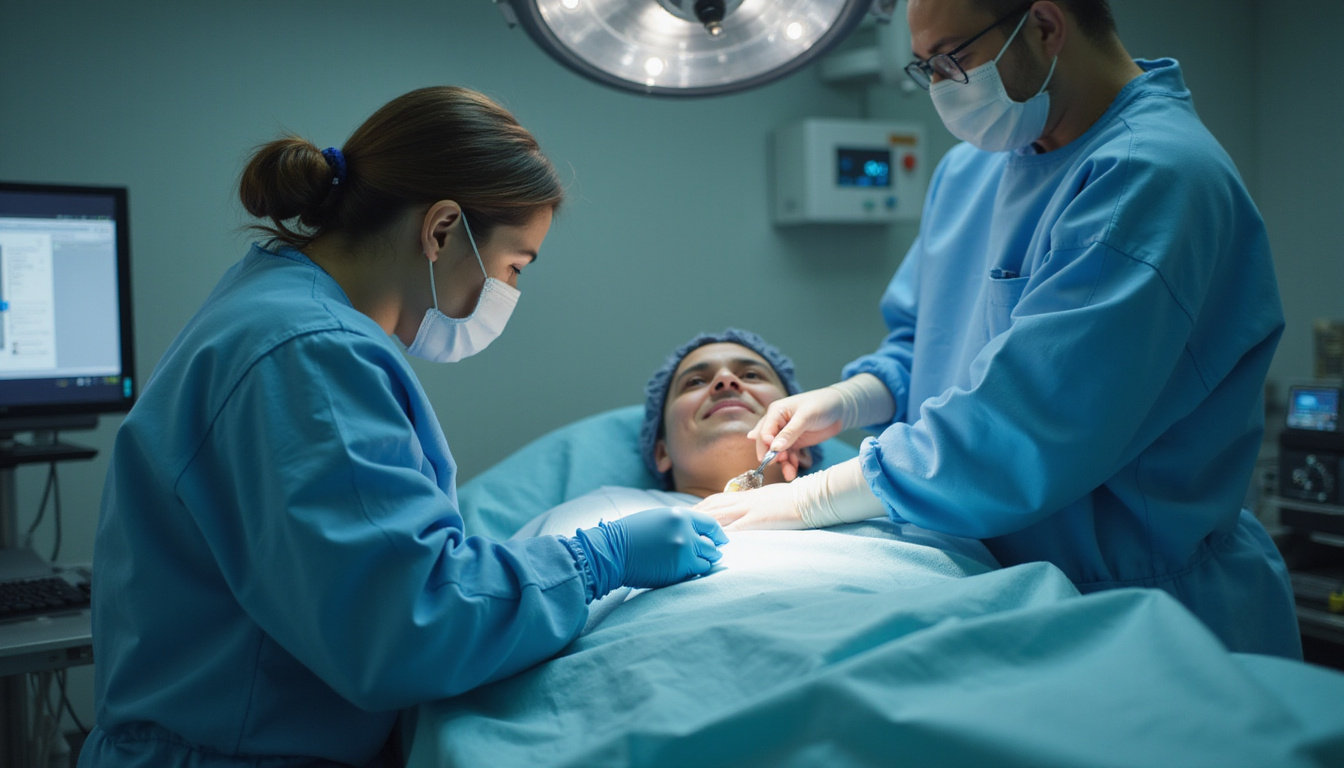
Injections are a common next step when conservative therapy alone isn’t enough. An epidural steroid injection places anti-inflammatory medication near the irritated nerve roots.
- Can reduce inflammation and swelling around nerves
- May break a pain flare and allow you to progress with therapy
- Effects may last weeks to months; some patients need a series
In epidural fibrosis, injections can sometimes also help mechanically separate adhesions a bit as fluid is introduced around the scarred area, though this effect is variable.
4. Adhesiolysis (Breaking Up Scar Tissue)
For more severe epidural fibrosis, pain specialists may consider epidural adhesiolysis (also called Racz procedure or lysis of adhesions):
- A catheter is threaded into the epidural space under imaging guidance.
- Saline, local anesthetic, and sometimes enzyme or steroid solutions are injected.
- The goal is to mechanically and chemically disrupt scar bands around nerves.
Some patients experience meaningful pain reduction and improved function, but results are mixed, and the procedure carries risks (dural puncture, infection, bleeding). It’s generally reserved for carefully selected cases where other treatments have failed.
5. Neuromodulation: Spinal Cord Stimulation
If back and leg pain persist despite conservative care and injections, spinal cord stimulation (SCS) may be an option:
- A small device (like a pacemaker) is implanted under the skin.
- Leads are placed near the spinal cord.
- The device sends mild electrical impulses that change the way pain signals are transmitted to the brain.
SCS doesn’t change epidural fibrosis itself, but it can significantly reduce pain perception for some patients and improve quality of life and function. Most centers perform a trial before permanent implantation to see if it helps you.
6. Repeat Surgery: When Is It Appropriate?
Operating again in an area of dense scar is technically challenging and can actually generate more epidural fibrosis. That’s why repeat surgery is usually considered only when:
- There’s a clear structural problem on imaging (e.g., recurrent disc herniation, instability, severe stenosis).
- Neurological deficits (worsening weakness, loss of bowel/bladder control) are present.
- Conservative measures have been exhausted and the potential benefits outweigh the significant risks.
Simply “removing scar tissue” is rarely recommended on its own, because new scar typically forms again.
Lifestyle Strategies to Help You Beat Recurring Back Pain
Even when epidural fibrosis is part of your pain picture, you still have significant influence over how much it limits your life. Consistent, small changes add up.
Consider focusing on:
- Daily low-impact activity: Walking, stationary cycling, gentle swimming.
- Core and hip strength: Simple routines a few times per week.
- Ergonomic adjustments: Supportive chair, neutral spine while sitting, desk height, and breaks to move.
- Sleep position and surface: A medium-firm mattress, side-lying or back-lying with pillow support.
- Stress management: Chronic stress amplifies pain; techniques like breathing exercises, mindfulness, or counseling can reduce pain intensity.
- Weight and nutrition: Anti-inflammatory eating patterns, adequate protein for tissue repair, and hydration.
Working with a multidisciplinary team (physician, PT, sometimes psychologist or pain specialist) often yields the best long-term results.
A Practical Step-by-Step Plan
To organize your next steps if you suspect epidural fibrosis is contributing to your pain:
-
Get a thorough evaluation
- Review your surgical history and current symptoms with a spine specialist.
- Ask about MRI with contrast if not already done.
-
Optimize conservative care
- Confirm you’ve had a structured physical therapy program with nerve mobilization and core work.
- Review medications and consider neuropathic agents if appropriate.
-
Discuss interventional options
- Consider epidural steroid injections if inflammation is suspected.
- Ask whether you’re a candidate for adhesiolysis if symptoms are severe and persistent.
-
Evaluate advanced pain control
- If pain persists and surgery is not clearly indicated, discuss spinal cord stimulation.
-
Commit to lifestyle changes
- Build a sustainable daily routine for movement, posture, sleep, and stress reduction.
FAQ: Epidural Fibrosis and Recurring Back Pain
1. Is epidural fibrosis permanent, or can scar tissue in the spine go away?
Epidural fibrosis is generally permanent in the sense that the scar tissue itself does not disappear. Over time it may remodel and soften slightly, but it typically doesn’t “dissolve.” The good news is your nervous system and surrounding muscles can adapt. With targeted therapy, injections, and other treatments, many people experience less pain and better function even though the fibrosis remains.
2. How is epidural scar tissue pain different from a recurrent disc herniation?
Symptoms can be similar, but there are differences. A recurrent disc herniation often causes a sudden flare of leg pain after a specific movement or strain and may show a new disc fragment on MRI. Epidural fibrosis-related pain tends to develop more gradually after surgery and can be more constant or position-dependent. MRI with contrast helps doctors distinguish between recurrent disc (non-enhancing) and enhancing epidural scar tissue.
3. Can epidural fibrosis be cured without surgery?
There is no non-surgical cure in the sense of “removing” epidural fibrosis altogether, but many patients achieve long-term control of their symptoms without further surgery. A combination of physical therapy, medications, injections, and sometimes spinal cord stimulation can significantly reduce pain, improve mobility, and allow a return to daily activities, even with persistent scar tissue.
Take Control of Your Recovery From Epidural Fibrosis
If you’re living with recurring back or leg pain after spine surgery, you’re not alone—and it’s not “all in your head.” Epidural fibrosis is a real, common contributor to ongoing symptoms, but it doesn’t have to define the rest of your life.
Start by getting a clear diagnosis and an honest conversation with a spine or pain specialist about all your options, from optimized physical therapy and medication to injections, adhesiolysis, or neuromodulation. Combine that medical plan with daily movement, smart ergonomics, and stress management, and you’ll be attacking the problem from every angle.
You deserve more than just surviving with pain. Reach out to a qualified spine or pain management clinic, share your history and concerns about epidural fibrosis, and ask for a comprehensive, step-by-step plan to help you prevent further problems, treat your current symptoms, and finally beat recurring back pain.