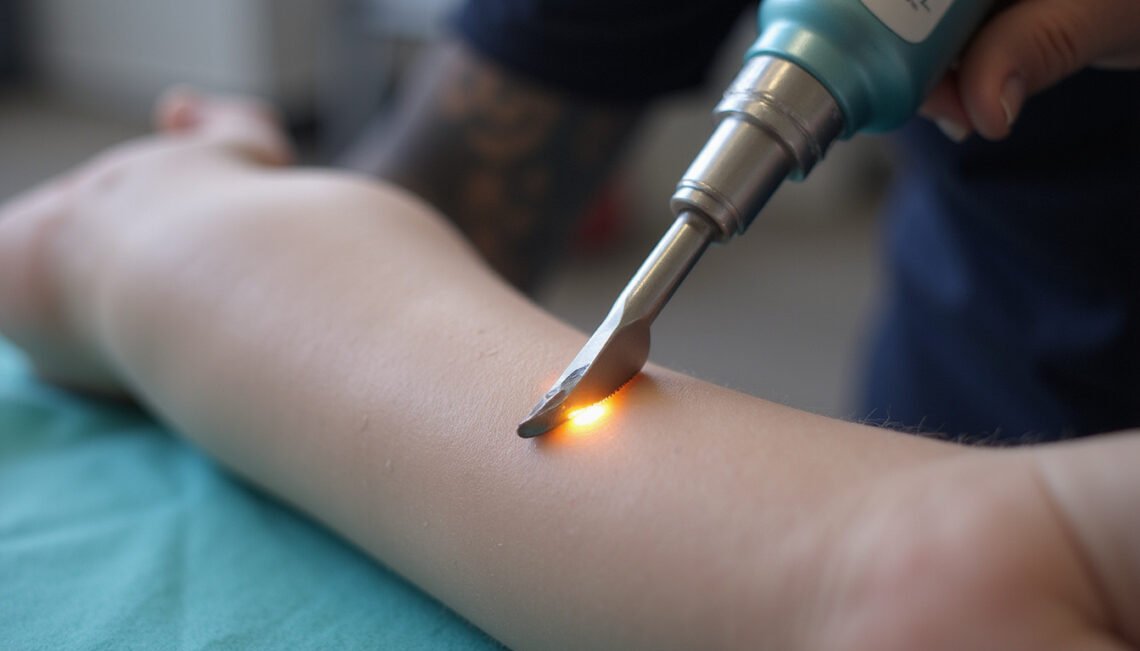
If you’re struggling with stubborn muscle or tendon pain that just won’t go away, the Graston technique might be the missing piece in your recovery plan. This specialized form of instrument-assisted soft tissue mobilization (IASTM) is used by physical therapists, chiropractors, athletic trainers, and other clinicians to break down scar tissue, improve mobility, and help you heal faster.
Below, you’ll learn what the Graston technique is, how it works, who it helps, and what to expect during treatment—so you can make an informed decision about whether it’s right for you.
What Is the Graston Technique?
The Graston technique is a patented manual therapy that uses stainless steel instruments to detect and treat soft tissue restrictions. Practitioners glide contoured metal tools over the skin to find areas of tightness, fibrosis (scar tissue), and adhesions in muscles, tendons, ligaments, and fascia.
Once they locate problem spots, they apply specific strokes with the instruments to:
- Break down disorganized scar tissue
- Improve blood flow to damaged areas
- Stimulate a controlled inflammatory response that promotes healing
- Restore normal tissue flexibility and movement patterns
The Graston technique is a form of IASTM, but not all IASTM is Graston. Graston providers receive formal training and certification in the method, learning specific protocols, pressures, and treatment progressions.
How the Graston Technique Works (In Simple Terms)
To understand how the Graston technique can help you heal faster, it’s useful to know what happens when tissues are injured.
Soft Tissue Injuries and Scar Tissue
When muscle, tendon, or fascia is damaged, your body repairs it with collagen. This is good—but the new collagen is often laid down in a messy, disorganized way. That can create:
- Scar tissue that doesn’t slide smoothly
- Adhesions between muscle layers or between muscle and fascia
- Stiffness and pain with movement
- Decreased strength and performance
Over time, these changes can become chronic, especially in areas of repetitive stress like the Achilles tendon, forearm muscles, or the IT band.
What Graston Instruments Actually Do
The Graston technique aims to remodel this disorganized tissue. The instruments:
-
Identify restrictions
The beveled edges and rigid metal surfaces give practitioners enhanced tactile feedback. As they glide the tool along your skin, they can feel “grittiness,” bumps, or irregularities that indicate scar tissue or adhesions. -
Create controlled microtrauma
With the right pressure and stroke, the Graston technique causes very small, targeted microtrauma in the affected tissue. This might sound negative, but it’s a key part of healing: it “restarts” the body’s repair process in a controlled way. -
Stimulate healing and realignment
The microtrauma triggers increased blood flow and a mild inflammatory response, encouraging the body to break down old scar tissue and lay down new, properly aligned collagen. Combined with stretching and strengthening, the tissue remodels into a more functional, pain-free state.
Research on instrument-assisted soft tissue mobilization suggests it can improve range of motion, reduce pain, and support return to activity when integrated into rehab programs (source: National Institutes of Health).
Conditions Commonly Treated With the Graston Technique
The Graston technique is used for a wide range of acute and chronic soft tissue problems, particularly those linked to overuse. Common conditions include:
- Plantar fasciitis – heel and arch pain
- Achilles tendinopathy – pain at the back of the ankle
- Tennis elbow (lateral epicondylitis) – outer elbow pain
- Golfer’s elbow (medial epicondylitis) – inner elbow pain
- Patellar tendinopathy (jumper’s knee) – front-of-knee tendon pain
- IT band syndrome – lateral knee and thigh pain
- Rotator cuff tendinopathy – shoulder pain with overhead movement
- Carpal tunnel–related soft tissue restrictions
- Neck and upper back tightness from desk work or poor posture
- Hamstring, calf, and hip flexor strains
- Post-surgical or post-injury scar tissue that limits mobility
While the Graston technique is popular among athletes, it’s equally valuable for non-athletes dealing with repetitive strain, chronic tightness, or lingering pain after an injury.
What to Expect During a Graston Technique Session
If you’re considering the Graston technique, knowing what a session looks like can ease concerns and help you feel prepared.
Initial Evaluation
Before picking up any instruments, a qualified provider will:
- Review your medical history and current symptoms
- Perform a physical exam and movement assessment
- Palpate (touch and feel) the affected area
- Possibly assess strength, flexibility, and posture
They’ll then decide if the Graston technique is appropriate and outline how it will fit into your overall treatment plan.
The Treatment Process
A typical Graston technique session includes:
-
Warm-up
The area may be warmed up with light exercise, heat packs, or other therapeutic techniques to improve tissue pliability and circulation. -
Instrument application
The clinician applies a lubricant (like lotion) to your skin, then uses one or more stainless steel tools. Expect:- Repeated strokes along or across the muscle or tendon
- Varying pressure depending on your tolerance and the tissue
- Focused work over specific tender or “gritty” areas
-
Stretching and mobility work
After instrument treatment, you’ll usually perform targeted stretches or mobility drills to take advantage of the newly freed-up tissue. -
Strengthening and movement retraining
As your tissues improve, progressive exercises help reinforce proper movement patterns and prevent the problem from returning.
Does the Graston Technique Hurt?
Many people describe the Graston technique as “intense but tolerable.” You may feel:
- Mild to moderate discomfort over tight or scarred areas
- A scraping sensation as the tool passes over the skin
- Temporary redness or mild bruising afterward
Communication is crucial. You should always let your provider know if the pressure feels too strong. Treatment should challenge the tissue—but not overwhelm you.
Benefits of the Graston Technique
When integrated into a well-designed rehab or performance program, the Graston technique offers several potential benefits:

-
Faster healing timelines
By enhancing blood flow and tissue remodeling, it may speed up recovery compared to rest alone. -
Improved range of motion
Breaking down adhesions helps muscles and joints move more freely, which is essential for both everyday function and athletic performance. -
Reduced pain and stiffness
Many patients report decreased pain levels over a series of sessions, especially for long-standing issues. -
Better tissue quality
Treated areas often feel less “lumpy,” tight, or ropey as scar tissue is remodeled. -
Enhanced outcomes when combined with exercise
The Graston technique is most effective as part of a comprehensive plan including strengthening, stretching, and movement retraining—not as a stand-alone cure.
Risks, Side Effects, and When to Avoid Graston
The Graston technique is generally safe when performed by a trained professional, but there are some considerations.
Common, Mild Side Effects
These usually resolve within a few days:
- Local soreness or tenderness
- Redness and warmth at the treated site
- Minor bruising or small capillary bleeding under the skin
Applying ice for short periods after treatment and staying hydrated can help manage these effects.
Contraindications (When It May Not Be Appropriate)
You should discuss your full health history with your provider. The Graston technique is often avoided, modified, or used cautiously if you have:
- Active infection, open wounds, or skin conditions in the area
- Uncontrolled high blood pressure or bleeding disorders
- Use of blood-thinning medications (e.g., warfarin)
- Recent fractures or acute inflammatory conditions
- Certain cancers or systemic inflammatory diseases (case-by-case)
- Pregnancy, for some body regions (provider discretion)
Always consult a healthcare professional who can weigh benefits and risks in your specific situation.
How Many Graston Technique Sessions Will You Need?
There’s no one-size-fits-all answer. Your ideal frequency and duration depend on:
- How long you’ve had the issue
- The severity and location of the condition
- Your overall health and activity level
- How consistently you follow home exercises and activity modifications
A common framework is:
- Frequency: 1–2 sessions per week
- Duration: 4–6 weeks for many mild to moderate issues
Some people notice improvement after just a few treatments; others, especially with chronic problems, may need a longer course. Your provider should reassess regularly and adjust your plan based on progress.
How to Get the Most Out of Graston Technique Treatment
To maximize results and truly heal faster, think of the Graston technique as one tool in a bigger toolbox. Key success factors include:
- Follow your home exercise program – Stretching and strengthening help “lock in” the gains made during each session.
- Respect pain signals – Modify or temporarily reduce aggravating activities while tissues heal.
- Address underlying causes – Poor ergonomics, training errors, weak stabilizing muscles, or footwear issues may need correction.
- Stay consistent – Sporadic visits with no follow-through rarely produce lasting change.
- Communicate with your provider – Share what’s improving, what isn’t, and any new symptoms.
When the Graston technique is integrated into a thoughtful, whole-body approach, it can significantly improve outcomes for many soft tissue conditions.
Finding a Qualified Graston Technique Provider
Because technique and clinical reasoning matter, choosing the right provider is important. Look for:
- Licensure: Physical therapist, chiropractor, occupational therapist, athletic trainer, or similar credentialed clinician.
- Specific training: Ask if they are formally trained or certified in the Graston technique.
- Experience with your condition: Someone who regularly treats your kind of injury is more likely to build an effective plan.
- Clear treatment plan: They should explain how many sessions are likely, what they’ll combine with the Graston technique, and how progress will be measured.
You can often search for Graston-certified clinicians through professional directories or by contacting local rehab and sports medicine clinics.
FAQ: Graston Technique and Soft Tissue Treatment
1. Is the Graston technique effective for chronic pain?
Yes, the Graston technique is frequently used for chronic soft tissue pain such as long-standing tendinitis, plantar fasciitis, or IT band issues. By targeting old scar tissue and adhesions, it can improve mobility and reduce pain, especially when combined with strengthening and lifestyle changes.
2. How does Graston therapy compare to traditional massage?
Graston therapy uses rigid metal instruments, while massage relies on the therapist’s hands. The tools provide more precise pressure and better detection of adhesions. That said, both approaches can be complementary—many clinicians blend the Graston technique with hands-on soft tissue work in the same session.
3. Can the Graston technique help with sports injuries?
The Graston technique is widely used in sports medicine for strains, tendinopathies, and overuse injuries. It can help athletes return to play more quickly by improving tissue quality, restoring range of motion, and reducing pain, as long as it’s integrated into a comprehensive rehab and return-to-sport program.
If you’re tired of nagging pain holding you back—from your workouts, your job, or simply your daily life—now is the time to act. Talk to a qualified rehab or sports medicine professional about whether the Graston technique should be part of your recovery plan. With the right guidance, you can break free from stubborn soft tissue restrictions, move more easily, and get back to doing what you love—faster and with less pain.