
If you’re experiencing sharp, burning, or electric shock–like pain along a nerve path, you may be dealing with irritation or damage to the nerve sheath. This protective covering plays a crucial role in how your nerves function, so when it’s inflamed or compressed, the result can be intense, lingering pain that interferes with work, sleep, and daily life. Understanding what the nerve sheath is, why it hurts, and how to respond early can dramatically improve your outcome.
Below, you’ll find a clear, step‑by‑step guide to recognizing nerve sheath pain, getting an accurate diagnosis, exploring effective treatments, and reducing the risk of it coming back.
What Is the Nerve Sheath and Why Does It Matter?
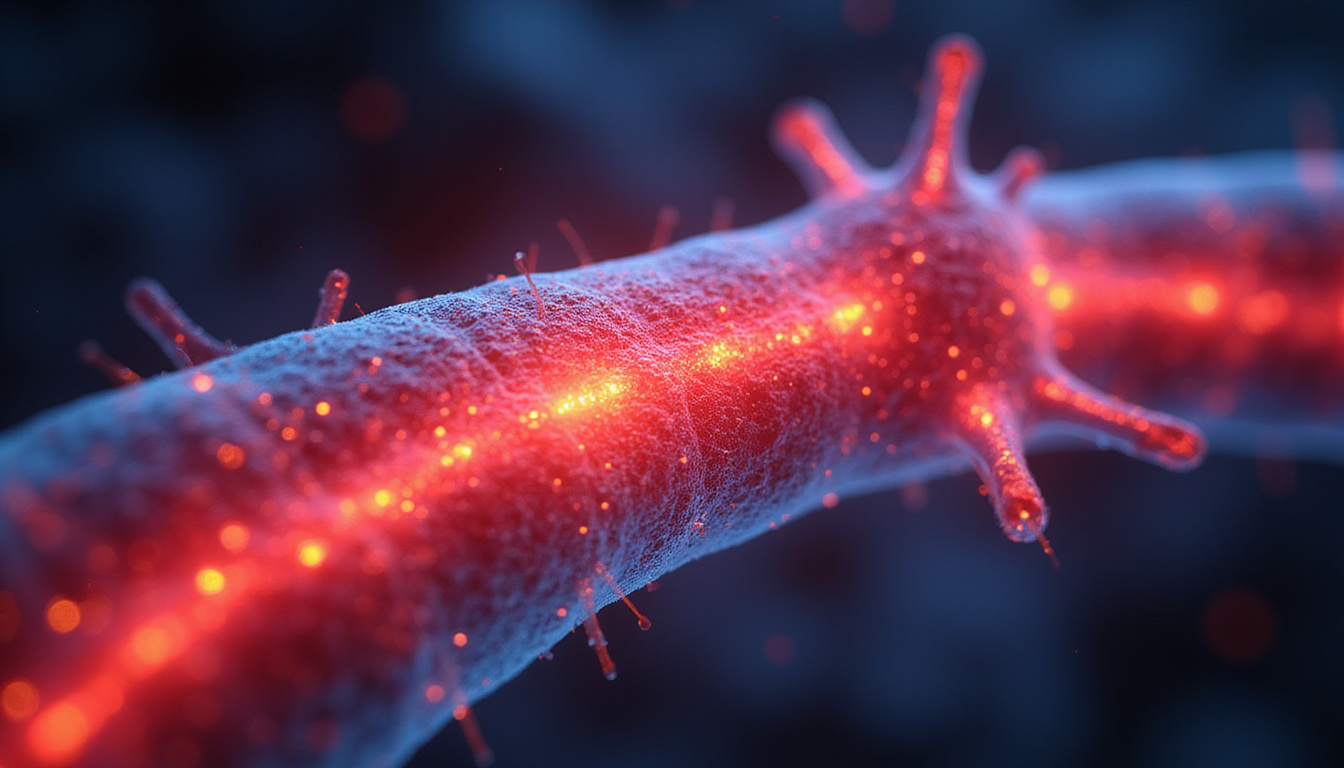
Peripheral nerves (the nerves outside your brain and spinal cord) are wrapped in a protective layer called the nerve sheath. It has several important functions:
- Insulates nerve fibers so electrical signals travel efficiently
- Protects nerves from mechanical stress and friction
- Helps support nerve repair after injury
The sheath is made up of layers like the myelin sheath (produced by Schwann cells) and connective tissue coverings (endoneurium, perineurium, and epineurium). When these layers become inflamed, compressed, or injured, you can develop neuropathic pain that feels very different from muscle or joint pain.
Common causes of nerve sheath pain include:
- Repetitive motion injuries
- Entrapment neuropathies (like carpal tunnel syndrome)
- Trauma or surgery
- Diabetes or metabolic disorders
- Autoimmune or inflammatory diseases
- Benign tumors such as nerve sheath tumors (e.g., schwannomas, neurofibromas)
Recognizing Nerve Sheath Pain: Key Symptoms
Nerve sheath–related pain is often distinct from dull, aching musculoskeletal pain. It usually follows the path of a specific nerve and may include:
- Burning, stabbing, or shooting pain
- Electric shock–like sensations
- Tingling (“pins and needles”) or numbness
- Hypersensitivity to touch, clothing, or temperature
- Weakness in the muscles served by the affected nerve
- Pain that worsens with certain movements or positions, especially when stretching or compressing the nerve
Red-flag symptoms that require urgent medical evaluation include:
- Sudden, severe weakness in an arm or leg
- Loss of bladder or bowel control
- Rapidly worsening numbness
- Severe pain after trauma or surgery
Step 1: Get an Accurate Diagnosis
Because nerve problems can mimic other conditions (like disc disease or joint problems), a precise diagnosis is essential. If you suspect nerve sheath pain, start with a visit to your primary care doctor, neurologist, or physiatrist (rehabilitation physician).
Clinical History and Physical Exam
Your clinician will ask about:
- Onset: When did the pain start? Sudden or gradual?
- Pattern: Does it follow a specific limb or area?
- Triggers: Movements, positions, or activities that worsen or relieve pain
- Past injuries, surgeries, or repetitive tasks
- Medical conditions like diabetes, autoimmune disease, or cancer
During the exam, they may:
- Test strength, reflexes, and sensation
- Tap or press along the course of the nerve to provoke symptoms (e.g., Tinel’s sign)
- Move or stretch limbs to stress specific nerves and see if pain appears
Imaging Studies
Imaging helps visualize the nerve sheath and surrounding structures:
- MRI: The gold standard for viewing soft tissues, including nerve sheath, swelling, or tumors.
- Ultrasound: Useful for superficial peripheral nerves; can show entrapment, inflammation, or cysts, and can guide injections.
- CT scan: Sometimes used for bony issues that may compress nerves.
Electrodiagnostic Testing
Nerve function tests can confirm and localize the problem:
- Nerve conduction studies (NCS): Measure how quickly electrical signals travel along a nerve.
- Electromyography (EMG): Evaluates the electrical activity of muscles, indicating nerve damage or compression.
These tests help differentiate between nerve sheath irritation, root compression (radiculopathy), and muscle or joint issues.
Biopsy and Pathology (When Needed)
If imaging suggests a nerve sheath tumor or unusual inflammation, a specialist (often a neurosurgeon or orthopedic oncologist) may recommend:
- Biopsy of the lesion
- Pathology analysis to determine if it is benign (e.g., schwannoma, neurofibroma) or malignant (malignant peripheral nerve sheath tumor, or MPNST)
These situations are less common but serious and must be managed by a multidisciplinary team (source: American Cancer Society).
Step 2: Evidence-Based Treatment Options
Management of nerve sheath pain usually follows a stepped approach, beginning with conservative measures and escalating as needed.
Conservative (Non-Surgical) Treatments
-
Activity Modification and Rest
- Temporarily reduce or modify activities that aggravate symptoms (e.g., repetitive typing, heavy lifting).
- Use ergonomic tools (wrist supports, adjustable chairs, proper footwear) to reduce compression on the nerve.
-
Physical Therapy and Rehabilitation
A skilled physical or occupational therapist can design a plan that may include:- Nerve gliding (“flossing”) exercises to help the nerve move freely within its sheath
- Postural training to reduce nerve compression
- Strengthening supporting muscles to off-load stressed areas
- Gentle stretching and mobility work
-
Medications
Depending on severity and underlying cause, your clinician may recommend:- NSAIDs (ibuprofen, naproxen) for inflammation and pain
- Neuropathic pain agents like gabapentin, pregabalin, duloxetine, or amitriptyline
- Topical treatments (lidocaine patches, capsaicin cream) for localized pain
- Short-term muscle relaxants if muscle spasm is contributing
Opioids are generally avoided for chronic nerve sheath pain due to limited effectiveness and risk of dependence.
-
Injections and Procedures
- Local anesthetic + corticosteroid injections around the nerve sheath can reduce inflammation and diagnose the source of pain.
- Ultrasound-guided injections improve precision and may provide longer-lasting relief.
- In some cases, radiofrequency ablation or neuromodulation may be considered by pain specialists.
Addressing Underlying Medical Conditions
If your nerve sheath is affected by a systemic condition, treating that condition is crucial:
- Tight blood sugar control in diabetes
- Immune-modulating treatments for autoimmune or inflammatory neuropathies
- Nutritional support (e.g., B12 deficiency)
- Adjusting medications that may be neurotoxic, when possible
When to Consider Surgery
Surgery is usually reserved for:
- Entrapped nerves not responding to conservative treatment
- Significant, progressive weakness or loss of function
- Symptomatic nerve sheath tumors
- Malignant peripheral nerve sheath tumors requiring oncologic management
Surgical goals can include:
- Decompressing the nerve by removing surrounding structures or scar tissue
- Excision of a nerve sheath tumor while preserving as much normal nerve as possible
- Stabilizing nearby structures to prevent recurrent compression
Always discuss potential benefits, risks (including possible worsening of pain or weakness), and recovery timeline with a qualified neurosurgeon or peripheral nerve surgeon.
Step 3: Lifestyle Strategies to Support Healing
Healing nerve sheath irritation isn’t only about medications and procedures. Daily habits can either support or delay recovery.
Ergonomics and Body Mechanics
- Adjust your workstation: keep wrists neutral, screen at eye level, feet flat on the floor.
- Use proper lifting techniques: bend at the hips and knees, keep loads close to the body.
- Take micro-breaks: stand, walk, or stretch for 1–2 minutes every 30–60 minutes of sitting or repetitive tasks.
Anti-Inflammatory Lifestyle Choices
- Nutrition: Emphasize whole foods, high-fiber vegetables, fruits, lean proteins, and healthy fats. Limit ultra-processed foods and excessive sugar.
- Hydration: Adequate water intake supports tissue health and circulation.
- Sleep: Aim for 7–9 hours per night; deep sleep is critical for nervous system repair.
Stress Management
Chronic stress amplifies pain perception and muscle tension around already-irritated nerves. Consider:
- Mindfulness or meditation
- Breathing exercises
- Gentle yoga, tai chi, or walking
- Cognitive-behavioral therapy (CBT) for coping with persistent pain
Step 4: Preventing Future Nerve Sheath Problems
Once pain improves, prevention becomes your priority. The same factors that triggered the original nerve sheath inflammation can cause recurrences if not addressed.
Here are practical preventive steps:
- Maintain a healthy weight to reduce stress on spinal and peripheral nerves.
- Stay active with low-impact exercises like walking, swimming, or cycling.
- Keep up with your home exercise program from physical therapy.
- Monitor chronic conditions (diabetes, autoimmune disease) with regular checkups.
- Avoid prolonged pressure on vulnerable areas:
- Don’t lean on elbows for long periods.
- Avoid crossing legs for extended times if you’ve had peroneal nerve issues.
- Use proper safety gear at work or during sports to avoid trauma.
- Limit smoking or vaping, which reduces blood flow and impairs nerve healing.
Step-by-Step Summary: What to Do If You Suspect Nerve Sheath Pain
- Step 1 – Observe:
- Track when pain occurs, what it feels like, and what makes it better or worse.
- Step 2 – Consult a professional:
- See a doctor if pain persists beyond a few days, worsens, or is associated with numbness or weakness.
- Step 3 – Get appropriate testing:
- Follow through with recommended imaging or nerve studies to clarify whether the nerve sheath is involved.
- Step 4 – Start conservative care:
- Use medications, physical therapy, ergonomic changes, and lifestyle adjustments as advised.
- Step 5 – Reassess:
- If there’s little or no improvement after a reasonable period (often 6–12 weeks), discuss advanced options like injections or surgery.
- Step 6 – Commit to prevention:
- Keep up healthy habits, exercises, and follow-up visits to prevent recurrence.
FAQ: Common Questions About Nerve Sheath Problems
Q1: What is a nerve sheath tumor and does it always cause pain?
A nerve sheath tumor is an abnormal growth arising from the cells that form the protective covering of a nerve, most often Schwann cells. Many are benign (like schwannomas and neurofibromas) and may cause no symptoms at all. Others cause localized pain, tingling, or weakness by compressing the nerve. Malignant peripheral nerve sheath tumors are rare but serious and tend to grow more quickly, often causing progressive pain and neurologic deficits.
Q2: How is a damaged nerve sheath treated, and can it fully heal?
Treatment for a damaged nerve sheath depends on the cause and severity. Mild irritation from compression or inflammation often improves with rest, physical therapy, and anti-inflammatory or neuropathic pain medications. In some cases, the sheath and underlying nerve can repair themselves over months. More severe injuries, persistent entrapment, or tumors may require surgical intervention. Recovery varies—some people regain full function, while others may have residual symptoms.
Q3: Are there specific exercises that help nerve sheath pain in the arm or leg?
Yes. Therapists often prescribe targeted “nerve gliding” exercises that encourage the nerve to move smoothly within the nerve sheath. These are different from regular stretches and must be done gently and correctly to avoid further irritation. For example, median nerve glides for carpal tunnel–type symptoms or sciatic nerve glides for leg pain can be effective. It’s best to learn these from a physical or occupational therapist to ensure the right technique and dosage.
Take Charge of Your Nerve Health Today
Nerve sheath pain can be frightening—especially when it’s sharp, unpredictable, and persistent. But with a clear diagnosis, a structured treatment plan, and smart lifestyle changes, many people achieve meaningful pain relief and regain function. If your symptoms match what you’ve read here, don’t wait for them to “just go away.”
Schedule an appointment with a qualified healthcare professional, ask specifically about potential nerve sheath involvement, and bring this information as a starting point for discussion. The earlier you address nerve sheath problems, the better your chances of effective treatment, prevention of long-term damage, and a return to the activities you value most.