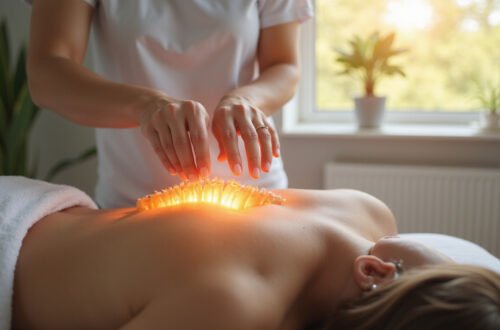
Neuropathic pain can feel overwhelming—burning, stabbing, tingling, or electric-shock sensations that don’t seem to match what’s happening on the outside. Whether it’s caused by diabetes, injury, shingles, chemotherapy, or another nerve condition, neuropathic pain affects how you move, sleep, work, and connect with others. While medications and medical procedures are often important, research and clinical experience show that simple daily habits can meaningfully improve neuropathic pain and your overall quality of life.
This guide walks through evidence-informed, expert-recommended lifestyle strategies you can start using today—at home, at your own pace.
Understanding Neuropathic Pain (and Why Habits Matter)
Neuropathic pain happens when nerves themselves are damaged or malfunctioning. Instead of accurately transmitting signals, they misfire—sending pain signals to the brain even when there’s no clear injury. Common causes include:
- Diabetes (diabetic neuropathy)
- Nerve compression (e.g., carpal tunnel, sciatica)
- Shingles (post-herpetic neuralgia)
- Chemotherapy or radiation
- Autoimmune conditions
- Alcohol misuse or vitamin deficiencies
Because the nervous system is plastic (it can change over time), repeated pain signals can “teach” your brain to expect and amplify pain. The flip side: repeated positive inputs—movement, relaxation, good sleep, stress management—can help “retrain” the system toward less pain and better function.
Daily habits are powerful because they:
- Support nerve health and blood flow
- Reduce inflammation and stress
- Improve mood and sleep (both tightly linked to pain)
- Help you stay engaged in life, which counters the isolation pain often causes
1. Move Gently, but Move Every Day
When you hurt, rest feels natural. But long-term rest can actually worsen neuropathic pain by stiffening joints, weakening muscles, and making nerves more sensitive.
Start with low-impact movement
Experts often recommend:
- Walking: Even 5–10 minutes, once or twice a day, can help circulation to nerves.
- Stationary cycling or elliptical: Reduces impact on feet and joints.
- Water exercise: Swimming or water walking reduces weight-bearing stress while supporting movement.
Aim for consistency over intensity. If you haven’t been active, begin with a few minutes and increase by 1–2 minutes every few days.
Try gentle stretching and nerve “glides”
Physical and occupational therapists often use:
- Stretching for calves, hamstrings, wrists, and lower back to ease tension around irritated nerves.
- Nerve glides (nerve flossing): Specific movements that gently mobilize nerves through surrounding tissues.
These should be learned from a professional at least once, then practiced at home. Done correctly, they can reduce tingling, burning, and “pins and needles.”
Pacing to prevent flare-ups
A key pain-management principle is pacing:
- Break tasks into smaller chunks.
- Take short, regular breaks before pain spikes.
- Alternate sitting, standing, and walking during the day.
Pacing lets you stay active without triggering big flare-ups that can discourage you from moving at all.
2. Build a Nerve-Friendly Sleep Routine
Poor sleep and neuropathic pain fuel each other. Pain interrupts sleep; lack of sleep lowers pain thresholds and increases sensitivity.
Create a consistent sleep schedule
Try to:
- Go to bed and wake up at the same time daily (even weekends).
- Limit daytime naps to 20–30 minutes and avoid late-afternoon naps.
Regular timing helps regulate your body clock, which improves both sleep quality and pain resilience.
Set up a pain-conscious sleep environment
You may need to modify your bedroom to reduce neuropathic discomfort:
- Mattress and pillows: Medium-firm or supportive surfaces often work best. Pillow positioning (between knees, under legs, under arms) can relieve pressure on sensitive nerves.
- Light and temperature: Keep the room dark and slightly cool. Some people with neuropathic pain are more sensitive to heat.
- Clothing and bedding: Soft, tagless fabrics and smooth sheets can reduce touch sensitivity (allodynia).
Pre-sleep relaxation
About 30–60 minutes before bed, shift into wind-down mode:
- Gentle stretching or a warm (not hot) shower
- Listening to calming music or an audiobook
- Light reading instead of screens, or blue-light filters if screens are unavoidable
These routines signal your nervous system that it’s safe to relax, which can make neuropathic pain feel less intense at night.
3. Eat to Support Nerve Health and Lower Inflammation
There’s no single “neuropathic pain diet,” but patterns of eating can either support or hinder nerve health.
Focus on whole, nutrient-dense foods
Research suggests that:
- Colorful vegetables and fruits (berries, leafy greens, peppers, citrus) provide antioxidants that help protect nerves from oxidative stress.
- Healthy fats from fatty fish (salmon, sardines), flaxseed, and walnuts provide omega‑3s, which have anti-inflammatory effects.
- Whole grains, beans, lentils, and nuts support blood sugar stability and vascular health, crucial for diabetic neuropathy.
Balance blood sugar
For people with diabetes-related neuropathic pain, tight but safe blood sugar control is one of the most effective long-term protections against nerve damage (source: National Institute of Neurological Disorders and Stroke). Habits that help:
- Smaller, regular meals to avoid spikes and crashes
- Limiting sugary drinks and highly refined carbohydrates
- Combining carbohydrates with protein and healthy fats
Watch alcohol and ultra-processed foods
- Alcohol in excess can directly damage nerves and deplete B vitamins important for nerve function.
- Highly processed foods, trans fats, and added sugars can promote inflammation and weight gain, which may worsen pain and mobility.
If possible, consult a registered dietitian—especially if you’re managing diabetes, kidney disease, or other conditions alongside neuropathic pain.
4. Train Your Nervous System to Calm Down
Neuropathic pain is not “all in your head,” but your brain and spinal cord are where pain is processed. Calming the nervous system can turn down the “volume” on pain signals.
Practice simple daily relaxation techniques
Even 5–10 minutes a day can help:
-
Slow breathing:
- Inhale through your nose for a count of 4
- Hold for 2
- Exhale slowly through your mouth for a count of 6
Repeat for 5–10 cycles.
-
Progressive muscle relaxation:
Tense each muscle group (feet, calves, thighs, hands, arms, shoulders, face) for 5 seconds, then release for 10–15 seconds. -
Guided imagery or meditation apps:
Apps or online recordings can guide you through relaxation, body scans, or mindfulness, which reduce pain-related anxiety.
Cognitive and emotional strategies
Chronic neuropathic pain is stressful and can lead to fear, anger, or hopelessness, all of which ramp up pain circuits. Helpful approaches include:
- Cognitive Behavioral Therapy (CBT) for pain: Teaches ways to reframe unhelpful thoughts (“I’ll never cope with this”) into more realistic, empowering ones (“This is hard, but I have strategies that help”).
- Acceptance and Commitment Therapy (ACT): Focuses on living a meaningful life alongside pain, reducing the struggle against sensations you can’t fully control.
These can be done with a therapist in person, via telehealth, or using well-designed digital programs.
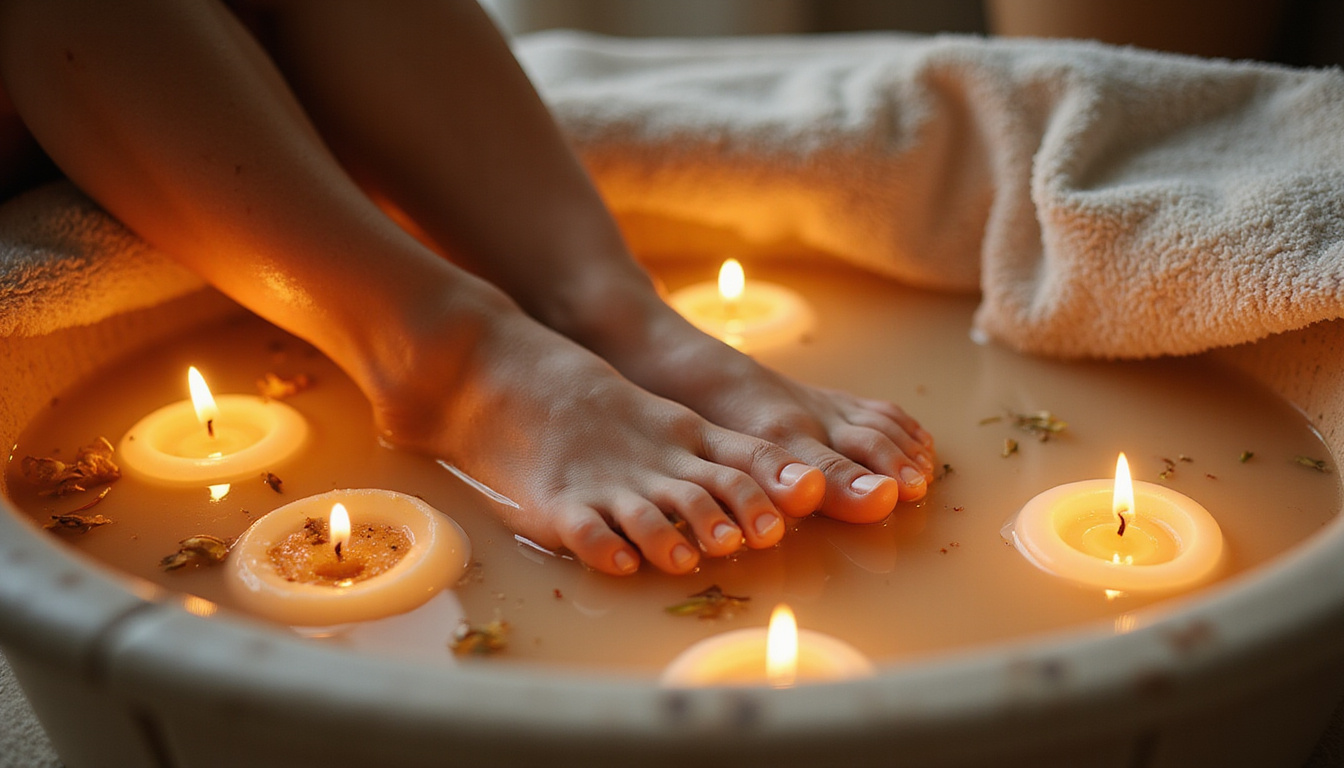
5. Protect Your Feet and Hands (Especially with Diabetic Neuropathy)
For many people, neuropathic pain starts in the feet and hands. Small daily precautions can prevent injuries and reduce symptom flares.
Daily foot and skin checks
- Inspect feet, toes, and between toes for blisters, cuts, redness, or cracks.
- Use a mirror or ask for help if you can’t see the bottom of your feet.
- Moisturize dry skin (but keep between toes dry to avoid fungus).
Choose protective footwear and clothing
- Well-fitted shoes with cushioning and room for toes; avoid high heels and narrow toes.
- Padded socks without tight elastic bands.
- Gloves for cold weather to prevent cold-induced pain.
Temperature safety
If your sensation is reduced:
- Test water temperature with your elbow or a thermometer before baths/showers.
- Avoid heating pads directly on skin—use a towel layer and a timer.
These habits help you avoid burns, sores, and infections that can worsen neuropathic symptoms or lead to serious complications.
6. Use Heat, Cold, and Topicals Wisely
Local treatments don’t cure neuropathic pain, but they can provide short-term relief and reduce reliance on systemic pain medicines.
Heat and cold
- Warmth (warm—not hot—packs or baths) can relax muscles and may soothe some neuropathic discomfort.
- Cool packs can help with burning or throbbing sensations.
Guidelines:
- Always wrap packs in a towel.
- Limit to 15–20 minutes at a time.
- Check skin regularly if sensation is impaired.
Topical treatments
Discuss with your clinician:
- Topical lidocaine (patches or gels) for localized neuropathic pain areas.
- Capsaicin creams/patches: derived from chili peppers; can reduce pain over time by depleting pain-signaling chemicals in nerves. (Expect an initial burning sensation.)
- Over-the-counter creams with menthol or camphor can provide a temporary cooling or warming distraction.
7. Structure Your Day Around What Matters Most
Chronic neuropathic pain can easily take over your schedule. Intentionally planning your day helps you keep doing what you value most.
Prioritize and pace important activities
Try this simple framework:
- List 3 top priorities for the day (work, errands, connection, self-care).
- Break each into small steps (e.g., “prepare one part of dinner” instead of “cook dinner”).
- Alternate active and restful tasks to avoid overloading your nervous system.
- Schedule brief movement and relaxation breaks every 60–90 minutes.
Stay connected
Isolation worsens pain perception and mood. Even when you don’t feel up to going out:
- Call, text, or video chat with a friend or family member.
- Join an online support group for people with neuropathic pain or chronic pain.
- Share your limitations honestly, but also share your wins and strategies.
Feeling understood and supported makes coping with neuropathic pain much more manageable.
8. Work with Your Healthcare Team (and Track What Helps)
Daily habits are most effective when combined with appropriate medical care.
Regular follow-ups
- Discuss ongoing neuropathic pain honestly with your provider—don’t “tough it out” silently.
- Review medications: Some antidepressants, anti-seizure medicines, and topical treatments are commonly used for neuropathic pain. Ask about benefits, side effects, and alternatives.
- Address underlying causes: blood sugar, vitamin levels, autoimmune issues, or medication side effects.
Keep a simple pain and habit journal
For 1–2 weeks, note:
- Pain levels (0–10) a few times per day
- Type of pain (burning, tingling, stabbing) and location
- Sleep quality, activity, food choices, stress levels
- Which habits you practiced (walk, stretching, breathing, etc.)
Patterns will emerge—both triggers and helpful routines—and can guide you and your clinician in fine-tuning your plan.
Quick Daily Habit Checklist for Neuropathic Pain
Use this as a starting point and adapt to your situation:
- 5–15 minutes of gentle walking or low-impact movement
- 5–10 minutes of stretching or nerve glides (as instructed by a therapist)
- At least one relaxation session (breathing, meditation, or muscle relaxation)
- Regular, balanced meals with vegetables, protein, and healthy fats
- Foot and skin check (especially if you have diabetes)
- Planned pacing of chores and activities, with brief breaks
- A consistent wind-down routine before bed
Small actions, repeated daily, accumulate into meaningful change.
FAQ About Neuropathic Pain and Daily Habits
1. Can neuropathic pain go away on its own?
Sometimes. If the underlying cause is treated early—like correcting a vitamin deficiency or improving blood sugar—neuropathic pain may improve or even resolve over months to years. In other cases, nerve damage is long-lasting. Even then, many people experience less intense neuropathic pain over time with a combination of medical care and consistent lifestyle strategies.
2. What natural remedies help neuropathic nerve pain?
“Natural” supports include gentle exercise, anti-inflammatory nutrition (omega‑3 fats, colorful vegetables, limited alcohol), relaxation techniques, adequate sleep, and some supplements (like B‑complex vitamins or alpha-lipoic acid) when appropriate. Because supplements can interact with medications or be harmful in high doses, always discuss them with your clinician before starting.
3. How can I manage chronic neuropathic pain without relying only on pills?
For long-term neuropathic pain management, combine several approaches: daily movement, pacing, sleep optimization, stress-reduction techniques, protective foot and hand care, local therapies (topicals, heat/cold), and psychological tools like CBT. Medications may still play an important role, but you’re less likely to need high doses or multiple drugs when you build strong self-management habits.
Take the First Small Step Toward Neuropathic Pain Relief Today
Neuropathic pain can make every movement and decision feel harder—but you don’t have to overhaul your life overnight to see progress. Choose one or two simple habits from this guide—perhaps a 5‑minute walk after breakfast and a 5‑minute breathing practice before bed—and commit to them for a week. Notice how your body responds, then build from there.
If your neuropathic pain is worsening, interfering with sleep or daily activities, or causing you worry, connect with a healthcare professional who understands nerve pain. Bring your questions, your symptom history, and your goals. With medical guidance plus consistent daily habits, you can move from feeling controlled by neuropathic pain to actively shaping how it affects your life.