Postpartum Sciatica Relief: Proven Exercises and Home Remedies
Postpartum sciatica can turn what should be a joyful bonding period with your baby into a daily struggle with pain, stiffness, and sleep disruption. If you’re feeling sharp, burning, or achy pain that starts in your lower back or hip and radiates down one leg, you’re not alone. Hormonal shifts, pregnancy posture, and the physical demands of childbirth can all irritate the sciatic nerve—sometimes even more after delivery than before. The good news: with the right exercises and home remedies, many women find significant relief in just a few weeks.
This guide walks you through why postpartum sciatica happens, how to tell it apart from other postpartum pains, and practical, safe ways to relieve it at home.
What Is Postpartum Sciatica?
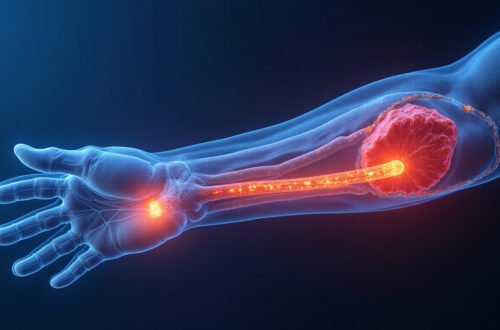
Postpartum sciatica is sciatic nerve pain that persists or begins after childbirth. The sciatic nerve runs from your lower spine through your hips and buttocks and down each leg. When this nerve gets compressed or irritated, you may feel:
- Sharp, shooting pain down the back of one leg
- Burning, tingling, or “pins and needles” in the leg or foot
- Numbness or weakness in the leg or buttock
- Pain that worsens when sitting, lifting, or bending forward
During pregnancy, weight gain, loosening of ligaments, and shifting posture can strain the lower back and pelvis. After delivery, new stresses—like feeding in awkward positions, carrying your baby on one hip, and core weakness—can keep irritating that same area, leading to postpartum sciatica.
Why Postpartum Sciatica Happens
Understanding the root causes helps you choose the most effective remedies. Common contributors include:
1. Hormonal Changes and Joint Instability
During pregnancy, the hormone relaxin softens ligaments and joints to prepare your body for birth. Those ligaments don’t snap back immediately after delivery. For weeks or months, your pelvis and lower back may remain looser and less stable, making it easier for a disc or joint to irritate the sciatic nerve.
2. Core and Pelvic Floor Weakness
Pregnancy stretches the abdominal muscles and pelvic floor. After birth—especially after a C‑section—these muscles are weakened and slower to activate. Without strong support, your lower back and hips work harder, and you may unconsciously compensate with poor posture that stresses the sciatic nerve.
3. Labor, Delivery, and Positioning
Prolonged pushing, certain delivery positions, or use of instruments (like forceps) can affect the lower spine and pelvis. Some women also report increased sciatica after epidural anesthesia, usually due to prolonged immobility in one position, not the needle itself.
4. New Postpartum Habits
Daily life with a newborn often includes:
- Hunching over while feeding
- Rocking or bouncing baby on one hip
- Leaning over cribs, bassinets, and changing tables
- Lifting car seats and strollers awkwardly
Repeated day after day, these movements can inflame or sustain postpartum sciatica.
When Postpartum Sciatica Needs Medical Attention
Most cases improve with conservative care, but it’s important to watch for “red flag” symptoms. Contact your healthcare provider promptly if you experience:
- Loss of bladder or bowel control
- Severe or rapidly worsening weakness in the leg or foot
- Numbness around the groin or inner thighs (saddle anesthesia)
- Fever, unexplained weight loss, or trauma (like a fall) with back pain
These can signal more serious conditions like cauda equina syndrome or infection, which require urgent care.
Even without red flags, if your postpartum sciatica lasts longer than 6–8 weeks, or pain is severe enough to limit basic tasks, seek an evaluation. A physical therapist, physiatrist, or spine specialist can help pinpoint the cause and tailor treatment (source: Mayo Clinic).
Safe Postpartum Exercises for Sciatica Relief
If your provider has not given you any specific activity restrictions, gentle movement is usually safe and beneficial—even a few weeks after birth. Always listen to your body; mild stretching discomfort is okay, but sharp or worsening pain is not.
1. Deep Breathing with Core Engagement
This helps reactivate your deep abdominal muscles that support your spine.
How to:
- Lie on your back with knees bent, feet flat (or sit upright if lying is uncomfortable).
- Place one hand on your chest and one on your lower belly.
- Inhale through your nose, letting your belly gently rise.
- As you exhale through pursed lips, gently draw your belly button toward your spine, as if zipping up tight jeans, without tilting your pelvis or holding your breath.
- Hold 3–5 seconds, then relax.
Repeat 8–10 times, 1–2 times per day.
2. Pelvic Tilts
Pelvic tilts improve spinal mobility and strengthen core support.
How to:
- Lie on your back, knees bent, feet hip‑width apart.
- Gently flatten your lower back into the floor by tipping your pelvis toward your nose.
- Hold 3 seconds while breathing normally, then relax.
Do 10–15 reps, once or twice daily.
If lying on your back is uncomfortable early postpartum, start in standing with your back against a wall and perform the same tilting motion.
3. Child’s Pose (Supported)
This stretch gently opens the low back and hips.
How to:
- Kneel on a soft mat.
- Sit back toward your heels and walk your hands forward, lowering your chest toward the floor.
- If needed, place a pillow under your chest or between your hips and heels for support.
- Breathe deeply, holding for 20–30 seconds.
Repeat 2–3 times.
Avoid if you have significant knee pain or some types of pelvic organ prolapse—check with your provider.
4. Figure‑4 Piriformis Stretch
The piriformis muscle, near the sciatic nerve, can tighten and mimic or aggravate sciatica.
How to:
- Lie on your back with both knees bent.
- Cross your right ankle over your left thigh (just above the knee), creating a “4” shape.
- Gently pull the left thigh toward your chest until you feel a stretch in the right buttock.
- Keep your head and shoulders relaxed on the floor. Hold 20–30 seconds, then switch sides.
Repeat 2–3 times per side.
5. Cat–Cow Stretch
This mobilizes your spine and reduces stiffness.
How to:
- Start on hands and knees, wrists under shoulders, knees under hips.
- Cat: Exhale and gently round your back toward the ceiling, tucking your tailbone and letting your head drop.
- Cow: Inhale and slowly arch your back, letting your belly relax toward the floor while lifting your chest and tailbone slightly.
Move slowly between these positions for 8–10 repetitions.
6. Gentle Walking
Regular short walks increase blood flow, reduce stiffness, and support recovery.
- Start with 5–10 minutes on flat ground.
- Gradually add a few minutes every few days as tolerated.
- Maintain an upright posture; avoid pushing heavy strollers uphill initially.
Smart Home Remedies for Postpartum Sciatica
Exercises are more effective when paired with small daily habit changes. These home remedies help reduce pressure on the sciatic nerve and calm inflamed tissues.
1. Heat and Cold Therapy
-
Cold packs (first 24–72 hours of a flare‑up):
Apply a cold pack wrapped in a thin cloth to the painful area for 10–15 minutes. This reduces inflammation and numbs sharp pain. -
Heat (after initial inflammation):
Use a warm (not hot) heating pad or warm compress for 15–20 minutes to relax tight muscles and improve circulation.
Alternate heat and cold if that feels best. Avoid placing either directly on bare skin, and don’t use heat over a C‑section incision until fully healed and cleared by your provider.
2. Ergonomic Feeding and Carrying
You’ll spend hours feeding and holding your baby; small adjustments add up.
- Support your back with pillows or a rolled towel.
- Bring baby up to you with pillows under your arms—don’t hunch down.
- Switch sides regularly when carrying baby; avoid always using the same hip.
- When lifting baby from crib or floor, bend at your hips and knees, keep baby close to your body, and avoid twisting.
3. Sleep Setup for Sciatica Relief
- Side sleepers: Lie on your pain‑free side with a pillow between your knees to keep hips level.
- Back sleepers: Place a pillow under your knees to reduce strain on your lower back.
- Avoid sleeping on your stomach, which can arch the lower back and worsen symptoms.
4. Over‑the‑Counter Pain Relief
If suitable for you, your provider may approve NSAIDs like ibuprofen or acetaminophen for postpartum sciatica. Always:
- Confirm safety if you’re breastfeeding.
- Follow dosage directions exactly.
- Use medications as a short‑term tool while you address underlying causes with exercise and posture changes.
5. Gentle Self‑Massage or Massage Tools
Light massage around (not directly on) the painful area can relax tight muscles.
- Use a tennis ball: place it between your buttock and a wall, gently lean and roll over tender spots for 1–2 minutes.
- Or ask a partner for a light massage around the lower back and hips.
Avoid aggressive deep tissue work early postpartum unless cleared by a professional.
Simple Daily Habits to Prevent Sciatica Flares
Small, consistent changes are often more effective than occasional big efforts. Try implementing these habits:
-
Move every 30–45 minutes.
Even two minutes of standing, walking, or gentle stretching can reduce stiffness. -
Engage your core during everyday tasks.
Before lifting baby or the car seat, exhale and gently draw your belly in for extra support. -
Raise surfaces where possible.
Use a changing table at waist height; avoid long periods bending over low couches or beds. -
Wear supportive footwear.
Choose flat or low‑heeled shoes with good arch support rather than soft, unsupportive slippers. -
Hydrate and nourish.
Adequate fluids and a balanced diet support tissue healing and energy levels.
When to See a Physical Therapist for Postpartum Sciatica
If you’re not seeing steady improvement after 2–4 weeks of consistent home care, or if pain keeps returning, a pelvic health or orthopedic physical therapist can help.
They can:
- Assess your posture, gait, and muscle imbalances
- Check core and pelvic floor activation
- Provide manual therapy, targeted exercises, and body‑mechanic training
- Coordinate with your OB‑GYN or midwife for a comprehensive recovery plan
Early intervention often shortens recovery and reduces the odds of chronic pain.
FAQ About Postpartum Sciatica and Nerve Pain
1. How long does postpartum sciatica nerve pain usually last?
Mild postpartum sciatic nerve pain may improve within a few weeks as inflammation settles and your body heals. With regular stretching, strengthening, and posture adjustments, many women feel significantly better by 6–12 weeks. If symptoms last longer than 3 months, seek an evaluation to rule out underlying disc or joint issues.
2. Can postpartum sciatica go away on its own without treatment?
Sometimes postpartum sciatica fades as hormones stabilize, weight decreases, and daily demands shift. However, without addressing posture, core weakness, and movement patterns, pain can linger or return. Gentle exercises and home remedies usually speed recovery and reduce the risk of chronic sciatica after pregnancy.
3. Is it safe to exercise with postpartum sciatica pain?
Light, targeted exercise is not only safe for most women with postpartum sciatica, it’s often essential for long‑term relief. Start with low‑impact core activation and stretching, avoid movements that cause sharp or radiating pain, and progress gradually. Always follow any specific guidelines from your OB‑GYN, especially in the first 6 weeks or after a C‑section.
Take Action Now for Postpartum Sciatica Relief
Postpartum sciatica can make an already demanding season of life feel overwhelming—but you don’t have to accept ongoing pain as your new normal. With consistent gentle exercises, smart posture and lifting strategies, and simple home remedies, many women reclaim comfort, mobility, and confidence within weeks.
Start today with two or three exercises from this guide and one small habit change—such as improving your feeding posture or adding a short daily walk. If your symptoms are severe, worsening, or not improving as expected, reach out to your healthcare provider or a pelvic health physical therapist for a tailored recovery plan. Your body has done something extraordinary; it deserves the care and support it needs to heal fully so you can focus on what matters most: enjoying time with your baby.