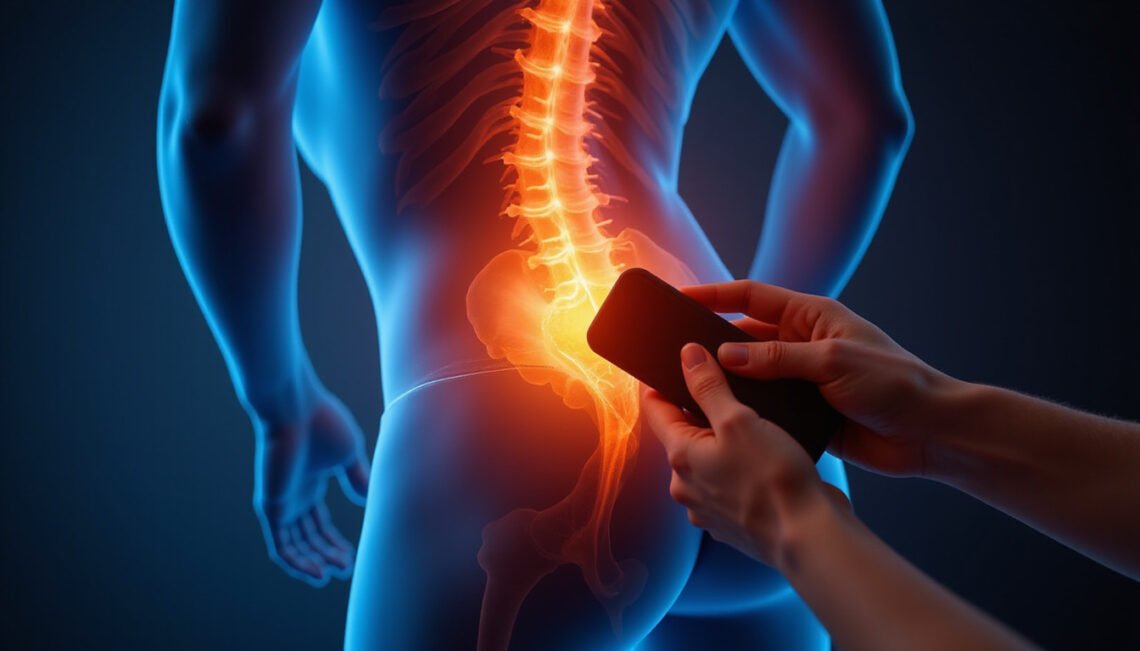
Sciatic nerve stimulation can be a powerful tool for easing the burning, shooting, or aching pain that runs from your lower back down the leg. If you’re struggling to sit, stand, or sleep because of sciatica, the right kinds of targeted stimulation and home treatments can help calm irritated nerves and support faster relief—often without needing strong medications.
This guide walks you through safe, science-backed ways to use sciatic nerve stimulation at home, along with complementary strategies that relax muscles, improve circulation, and reduce inflammation.
Understanding Sciatica and Sciatic Nerve Stimulation
The sciatic nerve is the largest nerve in your body, running from the lower spine through the buttocks and down the back of each leg. Sciatica is not a condition itself, but a symptom caused by irritation or compression of this nerve.
Common triggers include:
- Herniated or bulging disc
- Spinal stenosis (narrowing of the spinal canal)
- Piriformis syndrome (tight deep buttock muscle)
- Muscle spasms or poor posture
- Degenerative disc disease
When the nerve is irritated, it becomes more “sensitive” and can fire pain signals excessively. Sciatic nerve stimulation, done in the right way, helps by:
- Modulating how pain signals travel to the brain
- Relaxing tight muscles surrounding the nerve
- Increasing blood flow and nutrient delivery to irritated tissues
- Encouraging your nervous system to “down-regulate” pain
The key is using gentle, controlled stimulation—rather than aggressive or random methods that might make symptoms worse.
Heat, Cold, and Contrast Therapy: Simple Forms of Nerve Stimulation
Before you invest in any device, start with the basics. Temperature changes are one of the most effective, low-cost ways to influence sciatic nerve activity and surrounding tissues.
Cold Therapy (First 24–72 Hours of Flare-Up)
Cold reduces inflammation and slows nerve conduction, which can dull sharp, burning pain.
How to use:
- Apply a cold pack wrapped in a thin towel to the painful lower back or buttock area (not directly on the skin).
- Use for 10–15 minutes at a time, up to 3–5 times a day.
- Avoid lying directly on a hard ice pack, which can irritate muscles.
Heat Therapy (After the Initial Flare)
Once the worst inflammation eases, heat can help relax muscles and improve blood flow to the nerve.
How to use:
- Apply a warm (not scalding) heating pad or warm compress to your lower back or buttock.
- Use for 15–20 minutes at a time, 2–3 times daily.
- Moist heat (a warm shower or damp heating pad) often penetrates deeper than dry heat.
Contrast Therapy (Alternating Hot and Cold)
Alternating heat and cold can create a pumping effect in your blood vessels, improving circulation and gently stimulating the sciatic nerve.
Simple method:
- Apply cold for 5 minutes.
- Switch to heat for 5 minutes.
- Repeat for 3 cycles, ending on cold if pain is sharp, or on heat if stiffness is the main issue.
Always stop if your pain significantly worsens.
Using TENS Units for Targeted Sciatic Nerve Stimulation
A TENS unit (Transcutaneous Electrical Nerve Stimulation) is a portable device that sends low-voltage electrical impulses through the skin. It’s one of the most popular home tools for sciatic nerve stimulation.
How TENS Helps Sciatic Pain
TENS appears to:
- Interfere with pain signals traveling along nerves
- Encourage release of endorphins (natural painkillers)
- Reduce muscle guarding and spasms around the nerve
Research suggests TENS can be a helpful, low-risk option when used correctly, especially as part of a broader pain-management plan (source: Cleveland Clinic).
Where to Place TENS Pads for Sciatica
Pad placement depends on where your pain is strongest:
-
For lower back–dominant pain:
Place two pads on either side of your lower spine, about an inch away from the center line, at or just below the level of your pain. -
For buttock and leg pain:
- One pad on the painful spot in the buttock (often over the piriformis muscle).
- One or two pads along the back of the thigh or calf where the pain radiates.
Avoid placing pads:
- Directly over the spine bones
- Over broken skin, open wounds, or areas of numbness
- On the front of the neck, chest (over the heart), or head
Safe TENS Settings
General tips (always consult your device manual):
- Intensity: A strong but comfortable tingling or pulsing—never painful.
- Mode: Start with a continuous or “burst” mode; adjust based on comfort.
- Duration: 15–30 minutes per session, up to 2–3 times daily.
Stop immediately if:
- Pain worsens significantly
- You experience muscle twitching or burning under the pads
- You feel dizziness, chest pain, or any unusual symptoms
Do NOT use TENS if:
- You have a pacemaker or implanted defibrillator (without doctor approval)
- You are pregnant (especially on the lower back or abdomen)
- You have epilepsy or a history of seizures (without medical clearance)
Gentle Sciatic Nerve Glides and Stretches
Another powerful form of sciatic nerve stimulation comes from specific movements known as nerve glides or nerve flossing. These exercises gently move the nerve through its pathway, reducing adhesions and sensitivity.
Basic Sciatic Nerve Glide (Seated)
- Sit upright on a chair with both feet flat on the floor.
- Straighten the painful leg slowly until you feel a mild stretch in the back of the thigh.
- As you straighten the leg, point your toes up toward your nose.
- Then bend the knee and relax the ankle back down.
- Move slowly and rhythmically; do 10–15 repetitions, 1–2 times daily.
Important:
You should feel a mild tug or stretch, but not sharp or burning pain. Ease off immediately if symptoms worsen or start shooting down the leg more intensely.
Piriformis Stretch (Lying Down)
The piriformis muscle can compress the sciatic nerve when tight.
- Lie on your back with knees bent.
- Cross the painful-side ankle over the opposite knee (figure-4 position).
- Gently pull the uncrossed leg toward your chest until you feel a stretch in the buttock of the crossed leg.
- Hold for 20–30 seconds; repeat 2–3 times.
This both stretches muscles and provides mild mechanical stimulation to tissues around the sciatic nerve.
Massage, Self-Release, and Vibration Tools
Manual stimulation of muscles around the sciatic nerve can reduce pressure and improve nerve function.
Self-Massage for Sciatica
- Use your fingertips, knuckles, or a massage ball to gently massage:
- The lower back (either side of the spine, not directly on it)
- The buttock, especially the deep area in the middle where you feel tightness
- Apply moderate pressure for 1–2 minutes in each area.
- Combine with deep breathing to help muscles relax.
Avoid aggressive digging or prolonged pressure on a single spot, which can irritate the nerve.
Foam Rolling and Massage Balls
A foam roller or tennis ball can help release tight glute and hip muscles:
- Sit on the roller or ball with it under your buttock on the painful side.
- Cross that ankle over the opposite knee.
- Gently roll around small areas of tightness for 30–60 seconds.
- Move slowly and avoid numbness or sharp electric-like pain.
Vibration Therapy
Small handheld vibration massagers can be used on low settings around (not directly over) the spine and buttocks to:

- Relax muscles
- Increase blood flow
- Provide soothing sensory input to the nervous system
Always start with the lowest intensity and stop if you feel increased nerve pain.
Posture, Core Activation, and Everyday Nerve Protection
Sciatic nerve stimulation isn’t only about devices and exercises; your posture and daily habits constantly influence the nerve.
Align Your Spine and Hips
- Sit with hips slightly higher than knees (use a cushion if needed).
- Keep both feet flat on the ground.
- Avoid crossing legs for long periods.
- Take a 1–2 minute standing or walking break every 30–45 minutes.
Support Core and Glute Strength
Gentle strengthening exercises stabilize the spine and pelvis, reducing ongoing irritation.
Try these 3 simple moves (if pain allows):
- Pelvic tilts (lying on your back) – 10–15 reps
- Glute bridges – lifting hips gently off the floor – 8–12 reps
- Standing hip abductions – lifting leg sideways with support – 10 reps each side
Stop any exercise that increases leg pain, numbness, or tingling.
When Home Sciatic Nerve Stimulation Is NOT Enough
Home treatments and sciatic nerve stimulation can provide meaningful relief, but some red-flag symptoms require urgent medical attention:
- Sudden, severe weakness in the leg or foot (e.g., foot drop)
- Loss of bladder or bowel control
- Numbness around the groin or inner thighs (“saddle anesthesia”)
- Fever, unexplained weight loss, or history of cancer with new back/leg pain
- Pain that continues to worsen despite several weeks of careful self-care
In these cases, contact a healthcare provider or visit urgent care immediately. You may need imaging (like an MRI) or more advanced interventions.
For persistent but non-emergency sciatica, a physical therapist, physiatrist, or spine specialist can:
- Confirm the underlying cause
- Tailor sciatic nerve stimulation strategies (like TENS, manual therapy, and exercises)
- Decide if injections, medications, or surgery should be considered
Practical Daily Plan for Safe Home Nerve Stimulation
To integrate these methods without overdoing it, use a simple structure:
Morning
- Gentle heat for 10–15 minutes
- Seated sciatic nerve glides (10–15 reps)
- Light core or glute activation (5–10 minutes)
Midday
- Short walk (5–15 minutes, as tolerated)
- TENS session (15–20 minutes) if needed for pain flare
- Posture check and stretch break
Evening
- Self-massage or foam rolling (5–10 minutes)
- Piriformis stretch (2–3 rounds)
- Contrast therapy (optional) if pain is active
Adjust frequency and intensity based on how your body responds.
FAQ: Sciatic Nerve Stimulation and Home Relief
1. Is sciatic nerve stimulation safe to do at home?
Yes, many forms of sciatic nerve stimulation—like gentle TENS use, nerve glides, heat/cold, and massage—are generally safe when done correctly and gradually. However, people with pacemakers, pregnancy, epilepsy, or severe medical issues should speak to a doctor before using electrical stimulation or new exercise routines.
2. Can sciatic nerve stimulation devices cure sciatica?
Most devices provide symptom relief rather than a permanent cure. Effective sciatic nerve stimulation reduces pain and muscle tension, but true long-term improvement usually requires addressing root causes like posture, core weakness, or disc issues through exercise, ergonomics, and medical care if needed.
3. How often should I use a TENS unit for sciatica nerve pain?
Many people benefit from TENS-based sciatica nerve stimulation 1–3 times per day for 15–30 minutes per session during a flare-up. Use the lowest intensity that gives noticeable relief, and give your skin breaks between sessions. If symptoms worsen or fail to improve after a couple of weeks, consult a healthcare professional.
Take Control of Your Sciatic Pain Today
Sciatic nerve stimulation doesn’t have to mean expensive procedures or complicated technology. With thoughtful use of heat and cold, carefully placed TENS pads, gentle nerve glides, massage, and daily posture improvements, you can calm your irritated nerve and reclaim your ability to move, work, and sleep with less pain.
Start by choosing one or two strategies from this guide that feel most doable—perhaps a short TENS session and a simple nerve glide—and track how your body responds over a week. If you’re unsure which techniques are right for your specific situation, or if your pain is severe or long-lasting, schedule an appointment with a qualified physical therapist or spine specialist.
Take the first step today: create a simple daily plan for sciatic nerve stimulation and home care, and give your body the consistent support it needs to heal and move toward lasting relief.