Nerve Hydrodissection: Fast, Lasting Relief for Chronic Neuropathic Pain
Chronic shooting, burning, or electric-like pain can be debilitating, especially when it doesn’t respond well to medications or surgery. For many people with neuropathic pain, nerve hydrodissection is emerging as a powerful, minimally invasive way to relieve symptoms by freeing irritated nerves from the tissues trapping them.
This guide explains what nerve hydrodissection is, how it works, which conditions it may help, and what to expect if you’re considering it as part of your treatment plan.
What Is Nerve Hydrodissection?
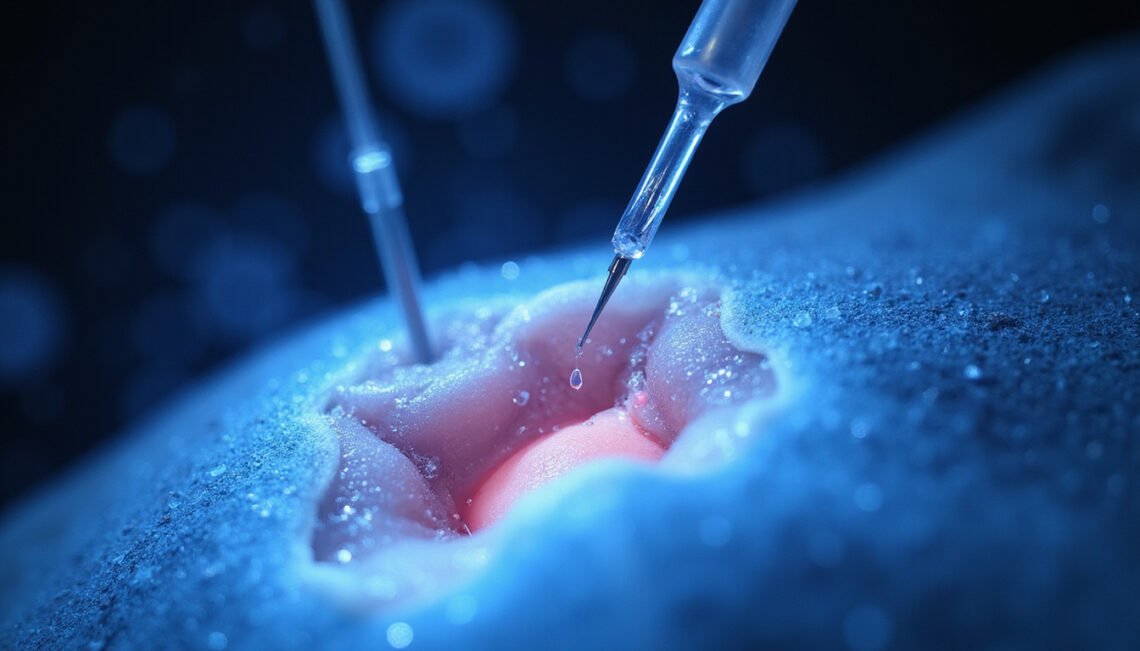
Nerve hydrodissection is an ultrasound-guided, injection-based procedure that mechanically separates a nerve from the surrounding tissues that are compressing, tethering, or irritating it.
Instead of cutting tissue (as in surgery), a practitioner uses a thin needle and a fluid solution to gently “dissect” or peel the nerve away from:
- Tight fascia (connective tissue)
- Scar tissue or adhesions
- Inflamed muscles or tendons
- Ligaments or nearby structures
The fluid creates a protective “cushion” around the nerve, reducing friction and compression. Over time, this can calm local inflammation, restore normal nerve glide, and decrease pain.
How Nerve Hydrodissection Works
The Basic Mechanism
Nerves are meant to glide smoothly through surrounding tissues as you move. When they get stuck or compressed, they can generate pain, numbness, tingling, or weakness. Nerve hydrodissection targets this mechanical problem by:
-
Accurate targeting
Using high-resolution ultrasound, the clinician visualizes the nerve and the compressed region in real time. -
Fluid separation
A small needle is guided near (not into) the nerve. A solution—often saline, dextrose (sugar water), anesthetic, or platelet-poor plasma—is slowly injected. The fluid pressure gently opens a plane between the nerve and the tissue that’s constricting it. -
Creating a protective buffer
The injected solution surrounds the nerve, forming a “halo” that reduces friction and space conflict with nearby structures. -
Support for healing
By restoring space and movement around the nerve, local blood flow may improve and chronic irritation can decrease, often leading to reduced pain and improved function.
What Fluids Are Used in Nerve Hydrodissection?
Protocols vary by practitioner and condition, but common solutions include:
- Normal saline – Simple, safe saltwater solution used to mechanically separate tissues.
- 5% dextrose in water (D5W) – Popular for “perineural injection therapy”; may modulate pain signaling in addition to mechanical benefits.
- Dilute local anesthetic – Often used initially to provide immediate pain relief and help confirm the pain source.
- Regenerative solutions – In some practices, platelet-poor plasma (PPP) or other biologics are used to potentially enhance tissue healing.
Most modern procedures minimize anesthetic concentration to reduce risk of nerve irritation and rely on volume and mechanical separation for effect.
Conditions That May Benefit from Nerve Hydrodissection
Nerve hydrodissection is most commonly used when neuropathic pain stems from nerve entrapment or irritation in soft tissues. Commonly treated conditions include:
1. Carpal Tunnel Syndrome
- Median nerve compression at the wrist can cause numbness, tingling, and weakness in the hand.
- Hydrodissection can separate the median nerve from thickened ligament and synovial tissue, sometimes delaying or avoiding surgery.
2. Ulnar Nerve Entrapment
- At the elbow (“cubital tunnel syndrome”) or wrist (Guyon’s canal).
- Can reduce numbness and pain along the ring and little finger.
3. Tarsal Tunnel and Foot Neuropathies
- Tibial nerve compression near the ankle or plantar nerve entrapments in the foot.
- May help burning or stabbing foot pain and night pain linked to nerve entrapment.
4. Sciatic and Peroneal Nerve Irritation
- Entrapment of the sciatic nerve (e.g., piriformis-related) or peroneal nerve at the fibular head.
- May reduce radiating leg pain, tingling, and weakness where nerve compression is confirmed.
5. Occipital Neuralgia and Headache Syndromes
- Irritation of the greater or lesser occipital nerves in the neck/scalp can cause severe headaches.
- Hydrodissection can decrease tension and contact between the nerve and surrounding fascia or muscle.
6. Meralgia Paresthetica
- Lateral femoral cutaneous nerve compression in the groin area causes burning or tingling on the outer thigh.
- Targeted hydrodissection can often provide fast symptom reduction.
7. Post-surgical or Post-traumatic Nerve Entrapment
- Scar tissue following surgery or injury can tether peripheral nerves.
- Hydrodissection can gently separate the nerve from scarred tissue without the invasiveness of revision surgery.
Not everyone with neuropathic pain is a candidate. When pain is primarily from central sensitization, metabolic neuropathies (e.g., advanced diabetic neuropathy), or spinal cord issues, nerve hydrodissection may have limited benefit and should be part of a broader strategy rather than a single solution.

Benefits of Nerve Hydrodissection
For the right patient, nerve hydrodissection can offer a combination of speed, durability, and safety:
- Minimally invasive – No incisions, just a small injection under ultrasound guidance.
- Real-time visualization – Ultrasound increases accuracy, helping avoid direct nerve puncture and important vessels.
- Quick procedure – In many clinics, the injection itself takes 10–30 minutes.
- Fast symptom relief – Some patients notice immediate improvement from the anesthetic; others feel gradual improvement over days to weeks.
- Potentially long-lasting – By changing the mechanical relationship between the nerve and its surroundings, benefits can last months or longer in many cases.
- Compatible with other treatments – Works alongside physical therapy, medications, bracing, and ergonomic changes.
One study of ultrasound-guided hydrodissection for carpal tunnel syndrome showed clinically meaningful symptom improvement and nerve conduction changes over several months, suggesting both functional and structural benefits (source: National Library of Medicine).
Who Is a Good Candidate?
Ideal candidates for nerve hydrodissection usually have:
- Clear evidence of focal nerve entrapment, based on:
- Symptoms (localized burning, tingling, numbness, “electric shocks”)
- Physical exam (Tinel’s sign, provocative maneuvers)
- Imaging or nerve conduction studies
- Failed or partial response to conservative care, such as:
- Oral medications
- Activity modification
- Splinting or bracing
- Standard steroid injections
- Desire to avoid or delay surgery, or are not good surgical candidates.
- No uncontrolled bleeding disorders or severe infection at the target area.
A physical medicine & rehabilitation (PM&R) physician, sports medicine doctor, anesthesiologist, neurologist, or interventional pain specialist trained in ultrasound-guided injections is typically best equipped to determine if nerve hydrodissection is appropriate.
What to Expect During the Procedure
Before the Appointment
- You’ll review your history, medications, allergies, and prior imaging.
- Blood thinners may need adjustment; follow your doctor’s advice.
- Wear comfortable clothing that allows access to the treatment site.
Step-by-Step Overview
-
Positioning and preparation
You’ll lie or sit so the target area is easily accessible. The skin is cleaned thoroughly, and sometimes a local numbing agent is applied to the skin. -
Ultrasound mapping
The clinician places the ultrasound probe on the skin to locate:- The nerve
- Nearby blood vessels
- Any obvious entrapment or scar tissue
-
Needle insertion
Under continuous ultrasound visualization, a thin needle is advanced toward the region around the nerve, staying very close but not penetrating the nerve itself. -
Injection and dissection
The fluid is slowly injected. On the ultrasound screen, you can often see the nerve being gently separated as the solution spreads, forming a visible halo. -
Post-procedure observation
You may be observed briefly for any immediate reactions and then discharged with aftercare instructions.
Recovery, Side Effects, and Risks
Typical Recovery
- Many people return to light daily activities the same day.
- Soreness or a “bruised” feeling at the injection site for 24–72 hours is common.
- Your provider may recommend:
- Ice or heat (as appropriate)
- Gentle range-of-motion exercises
- Temporary activity modification
Common, Mild Side Effects
- Localized soreness or swelling
- Temporary numbness or weakness if anesthetic contacts the nerve
- Small bruising at the injection site
Less Common but Important Risks
- Infection (rare when sterile technique is used)
- Allergic reaction to components of the solution
- Bleeding or hematoma, especially in patients on blood thinners
- Worsening pain or nerve irritation
- Very rare: direct nerve injury
Discuss your full medical history with your clinician so they can minimize risk and choose the safest approach.
How Many Nerve Hydrodissection Sessions Are Needed?
Treatment frequency depends on:
- Severity and chronicity of symptoms
- Underlying cause (scar tissue vs. simple compression)
- Response to initial treatment
Patterns seen in clinical practice:
-
Mild to moderate entrapments
1–3 sessions spaced 2–6 weeks apart may be sufficient. -
Severe or long-standing cases
A series of 3–6 sessions may be recommended, often alongside physical therapy or ergonomic changes to address root causes.
Some patients feel durable relief after a single well-targeted session; others require a structured series to maintain and build on improvement.
How Does Nerve Hydrodissection Compare to Other Treatments?
Versus Steroid Injections
- Steroid injections primarily reduce inflammation but don’t always address mechanical entrapment.
- Nerve hydrodissection emphasizes restoring space and glide, which can be more effective when compression is the core issue.
- In some protocols, low-dose steroid is combined with hydrodissection when inflammation is prominent.
Versus Surgery
- Surgery (e.g., carpal tunnel release, nerve decompression) physically cuts tissue to free the nerve.
- Hydrodissection is office-based and less invasive, with shorter downtime.
- It may be a bridge or alternative for those who:
- Want to avoid surgery
- Are high risk for anesthesia
- Prefer a stepwise escalation of care
Versus Oral Medications
- Medications like gabapentin, duloxetine, or tricyclic antidepressants can dampen nerve pain but don’t fix local mechanical problems.
- Hydrodissection aims at the anatomical source of compression, sometimes enabling medication dose reduction under medical supervision.
How to Prepare and Maximize Your Results
To get the most from nerve hydrodissection:
-
Clarify your diagnosis
Ask your clinician to explain which nerve is targeted and why it’s suspected as the pain source. -
Track symptoms
Keep a brief log of pain intensity, triggers, and function before and after the procedure to objectively gauge improvement. -
Combine with movement and posture changes
Work with a physical therapist or ergonomics specialist to:- Optimize posture
- Adjust workstations
- Correct repetitive motion patterns
-
Follow aftercare instructions
Respect activity restrictions and perform recommended exercises to maintain the newly restored nerve glide.
FAQ About Nerve Hydrodissection for Neuropathic Pain
1. How long does nerve hydrodissection pain relief last?
Relief duration varies. Some patients experience weeks to months of benefit after one session, while others have long-term improvement after a short series. When the underlying entrapment is effectively resolved and aggravating activities are modified, results can be durable. Chronic or complex cases may need periodic maintenance sessions.
2. Is ultrasound-guided nerve hydrodissection safe for all nerve entrapments?
Ultrasound-guided nerve hydrodissection is considered safe in experienced hands, but it’s not appropriate for every entrapment. Deep spinal nerve root compressions (e.g., from large herniated discs) or conditions driven primarily by systemic disease often require different strategies. A specialist will determine if your specific neuropathy is suitable.
3. Can nerve hydrodissection cure neuropathic foot pain and hand tingling permanently?
If foot or hand symptoms are mainly due to a focal nerve entrapment (like tarsal tunnel or carpal tunnel) and that entrapment is successfully treated, many patients enjoy long-term or even permanent relief. However, if pain stems from systemic issues (e.g., diabetes, chemotherapy-induced neuropathy) or central sensitization, nerve hydrodissection may only offer partial or temporary benefit. It’s most effective when used as part of a comprehensive care plan.
Take the Next Step Toward Lasting Relief
Living with chronic neuropathic pain can feel hopeless, especially when medications, rest, or standard injections barely move the needle. Nerve hydrodissection offers a targeted, minimally invasive way to free compressed nerves, restore healthy movement, and calm overactive pain signals—often with rapid, meaningful improvement in daily function.
If your pain follows a nerve pattern, worsens with specific positions, or hasn’t responded to traditional treatments, consider consulting a physician trained in ultrasound-guided nerve procedures. Ask directly whether nerve hydrodissection is appropriate for your diagnosis, and what a realistic outcome would look like for you.
You don’t have to accept persistent burning, tingling, and numbness as your “new normal.” With the right evaluation and a tailored plan that may include nerve hydrodissection, there is a path to faster, longer-lasting relief—and a return to the activities you care about most.