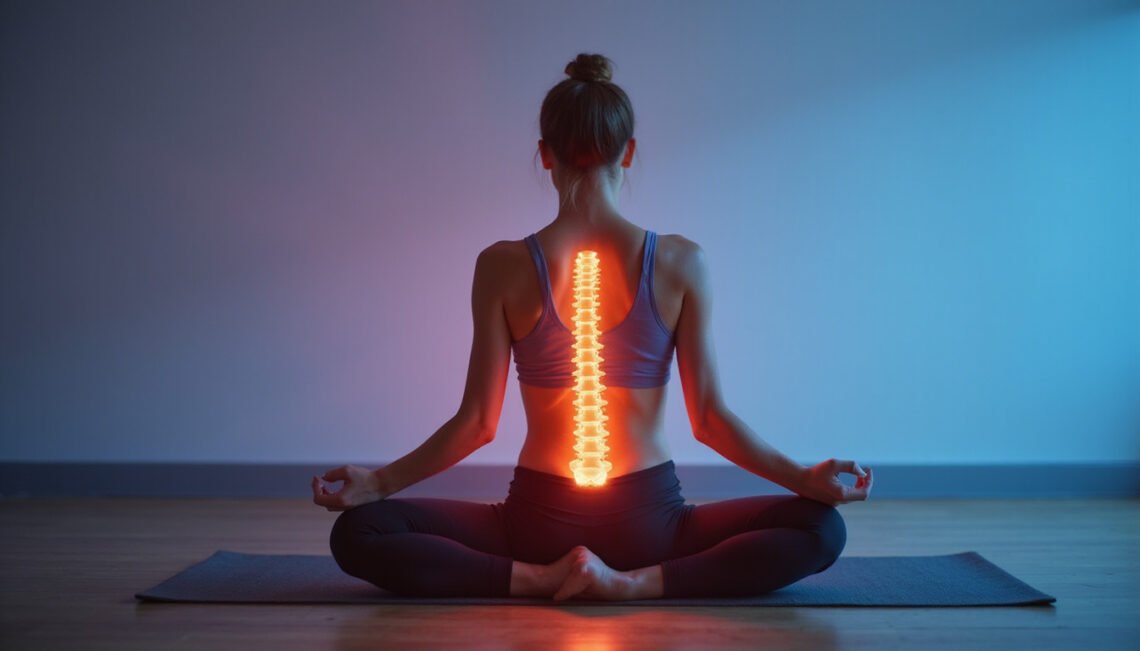
Back pain stretches that instantly relieve stiffness and boost mobility
Back pain stretches can be a powerful, drug-free way to ease stiffness and restore your ability to move comfortably. When done correctly, targeted stretching reduces muscle tension, improves circulation, and helps your spine and hips move the way they’re designed to move. This guide walks you through safe, effective stretches for different parts of your back, why they work, and how to fit them into your daily routine.
Always work within a pain-free range. If you experience sharp, shooting, or worsening pain, stop and consult a healthcare professional.
Why stretching helps back pain and stiffness
Back pain usually doesn’t come out of nowhere. It often develops from a mix of:
- Prolonged sitting and poor posture
- Weak core and glute muscles
- Tight hip flexors and hamstrings
- Stress and muscle guarding
- Old injuries and age-related changes in the spine
When your muscles are tight and imbalanced, your spine loses its ideal alignment. Certain muscles overwork, others underperform, and you feel it as stiffness, dull aches, or “locked up” joints.
Regular back pain stretches help by:
- Improving flexibility in the hips, hamstrings, and spine
- Reducing muscle tension and spasms
- Boosting blood flow, delivering more oxygen and nutrients
- Supporting better posture, so your spine isn’t constantly strained
- Enhancing mobility, so everyday movements feel smoother
Research shows that stretching and strengthening programs can significantly reduce chronic low back pain and disability compared to usual care alone (source: National Institutes of Health).
Safety tips before you start these back pain stretches
To get relief without aggravating your back, keep these guidelines in mind:
- Warm up lightly: Walk in place or march on the spot for 2–3 minutes to get blood flowing.
- Move slowly: Ease into each position over 3–5 seconds; avoid jerky, bouncing motions.
- Mild stretch only: You should feel gentle tension, never sharp pain, burning, or tingling.
- Breathe: Don’t hold your breath; exhale as you move into the stretch.
- Adjust for your body: If a position feels unsafe or too intense, back off or modify it (pillows, smaller range of motion, hands on a chair instead of floor, etc.).
If you have osteoporosis, a history of spinal surgery, severe sciatica, or are pregnant, check with your doctor or physical therapist before starting new back pain stretches.
Gentle lower back pain stretches for quick relief
1. Child’s pose (modified back stretch)
This yoga classic gently lengthens the muscles along your entire spine.
How to do it:
- Kneel on the floor with your knees apart and big toes touching.
- Sit back toward your heels.
- Walk your hands forward, lowering your chest toward the floor.
- Rest your forehead on the mat or a pillow.
- Hold 20–30 seconds, breathing slowly.
Tips:
- If this is hard on your knees or hips, place a cushion between your calves and thighs or keep your hips higher.
- To target one side more, walk your hands slightly to the right, then to the left.
2. Knee-to-chest stretch
This helps release tension in the lower back and glutes.
How to do it:
- Lie on your back with knees bent, feet flat on the floor.
- Bring one knee toward your chest, interlacing your hands behind your thigh or on your shin.
- Gently pull your leg toward you until you feel a comfortable stretch in your lower back.
- Hold 20–30 seconds, then switch legs.
To make it a double knee-to-chest stretch, bring both knees to your chest and hug them gently, but avoid this if it worsens any disc-related pain.
3. Lower trunk rotations
This movement loosens stiff spinal joints and gently stretches the low back and hips.
How to do it:
- Lie on your back with knees bent and feet flat, arms out to the sides like a “T.”
- Slowly lower both knees to one side while keeping your shoulders on the floor.
- Move only as far as is comfortable; you should feel a mild stretch in your back and side.
- Hold 10–20 seconds, return to the center, then switch sides.
- Repeat 5–8 times each side.
If you feel pinching, reduce the range of motion.
Stretches for upper back and mid-back stiffness
Sitting and screen time often punish the upper back, shoulders, and neck. These back pain stretches target that computer-hunch tension.
4. Seated cat–cow stretch
This is a chair-friendly version of a classic spinal mobility exercise.
How to do it:
- Sit tall on a chair, feet flat on the floor, hands on your knees.
- Cow (extension): Gently arch your back, lift your chest, and look slightly up.
- Cat (flexion): Round your back, tuck your chin, and gently pull your belly button toward your spine.
- Alternate slowly between cat and cow for 8–10 cycles.
Move with your breath: inhale as you arch, exhale as you round.
5. Thread-the-needle (thoracic stretch)
This targets the mid-back and the muscles between the shoulder blades.

How to do it:
- Start on hands and knees in a tabletop position.
- Slide your right arm under your left arm, palm up, allowing your right shoulder and side of your head to rest on the floor.
- Relax into the twist until you feel a stretch between your shoulder blades and mid-back.
- Hold 20–30 seconds, then switch sides.
To intensify slightly, press gently into the supporting hand to rotate a bit more.
6. Doorway chest stretch (for posture-related back pain)
Tight chest muscles pull your shoulders forward and strain your upper back.
How to do it:
- Stand in a doorway with your forearms on the doorframe, elbows at about shoulder height.
- Step one foot forward and gently lean your body through the doorway.
- You should feel a stretch across the front of your chest and shoulders.
- Hold 20–30 seconds, then relax.
Keeping your chest open reduces the workload on your upper back muscles and can ease chronic tension.
Hip and hamstring stretches that protect your back
Tight hips and hamstrings tug on your pelvis and change the curve of your lower spine. Including these back pain stretches for the lower body can significantly reduce stress on your back.
7. Hip flexor stretch
Sitting keeps your hip flexors in a shortened position; stretching them can free up your lower back.
How to do it:
- Kneel on your right knee with your left foot in front, knee bent at 90 degrees.
- Tuck your pelvis slightly (think “tailbone down”) and gently shift your weight forward.
- You should feel a stretch in the front of your right hip.
- Hold 20–30 seconds, then switch sides.
Avoid arching your lower back; keep your core lightly engaged.
8. Hamstring stretch with strap (or towel)
This is safer for your back than reaching for your toes while standing.
How to do it:
- Lie on your back with both legs extended.
- Loop a strap, belt, or towel around the ball of your right foot.
- Keeping your knee slightly bent, gently pull your leg up until you feel a stretch in the back of your thigh.
- Hold 20–30 seconds, then switch legs.
If your lower back flattens uncomfortably into the floor, bend your non-stretching leg with foot on the ground.
A simple daily routine: 10-minute back pain stretch sequence
You don’t need an hour-long yoga session to feel better. Try this short routine once or twice a day:
- Child’s pose – 30 seconds
- Cat–cow (seated or on hands and knees) – 8–10 cycles
- Knee-to-chest – 20 seconds each leg
- Lower trunk rotations – 5 reps each side
- Thread-the-needle – 20 seconds each side
- Hip flexor stretch – 20 seconds each side
- Hamstring stretch with strap – 20 seconds each leg
Adjust hold times to what your body tolerates, and prioritize the stretches that give you the most instant relief.
Common mistakes when doing back pain stretches
To ensure your stretching actually helps, avoid these frequent errors:
- Pushing into pain: Discomfort is a warning sign; sharp pain means stop immediately.
- Bouncing: Rapid pulses can irritate muscles and joints; use slow, sustained holds.
- Holding your breath: This increases tension; steady breathing helps your muscles relax.
- Doing too much too fast: Start with fewer repetitions and shorter holds, then build up gradually.
- Ignoring your core and hips: Focusing only on the spine and skipping hips, hamstrings, and glutes limits your results.
Think of stretching as teaching your nervous system that these positions are safe, not as forcing your muscles longer.
When back pain stretches aren’t enough
While many people experience fast relief from consistent stretching, it’s not a cure-all. Get medical advice promptly if you notice:
- Pain that is severe, constant, or rapidly worsening
- Numbness, tingling, or weakness in your legs or feet
- Loss of bladder or bowel control
- Back pain after a fall, accident, or trauma
- Unexplained weight loss, fever, or night sweats with back pain
These could be signs of a more serious condition that needs professional evaluation.
FAQ about back pain stretches
1. How often should I do back stretching exercises for pain?
For most people, gentle back stretching exercises can be done daily, and sometimes twice per day during flare-ups. Short, frequent sessions (5–10 minutes) tend to be more effective and sustainable than long, occasional sessions. Always allow your body to guide the intensity and duration.
2. Are lower back stretches good for sciatica?
Carefully selected lower back stretches can help relieve some sciatica symptoms, especially those that reduce pressure on the nerve, open the hips, and improve posture. However, certain movements—like deep forward bends or aggressive twisting—may worsen sciatic pain for some people. If your pain travels down the leg, consult a physical therapist for a customized stretching plan.
3. What are the best morning stretches for back pain and stiffness?
Ideal morning stretches for back pain include knee-to-chest, lower trunk rotations, cat–cow, and a gentle hamstring stretch. These movements gradually wake up your spine and surrounding muscles, helping to ease overnight stiffness and prepare your body for the day.
Consistent, smart stretching is one of the simplest ways to reclaim control over your back health. Start with a handful of these back pain stretches, listen closely to your body, and build a daily routine that fits your lifestyle. If you’re unsure where to begin or want a tailored plan for chronic or recurring pain, schedule a session with a licensed physical therapist or qualified movement professional. A few guided appointments can help you refine your technique and create a long-term strategy to stay mobile, strong, and pain-free—starting today.