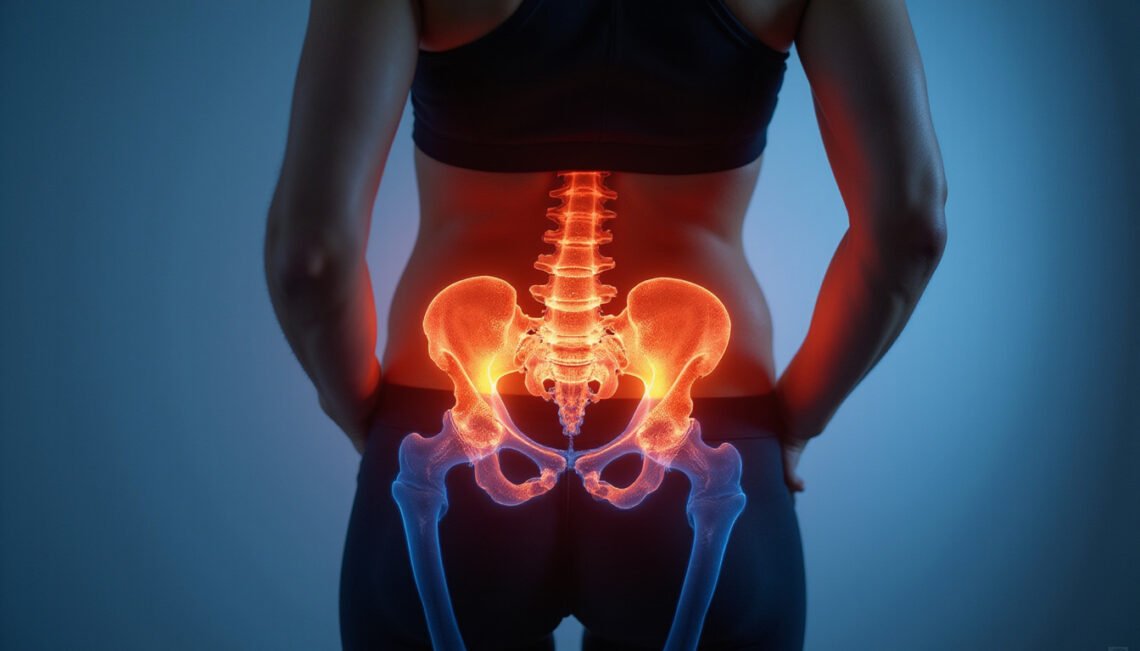
If low back pain is slowing you down, a sacroiliac belt can be a fast, non-invasive way to get relief and support your everyday movements. When used correctly, this small, simple device can stabilize your pelvis, reduce strain on your spine, and help you stay active while your body heals.
Below, you’ll learn what a sacroiliac belt is, how it works, who it’s for, and—most importantly—how to wear and adjust it properly so you get maximum benefit with minimal frustration.
What Is a Sacroiliac Belt?
A sacroiliac belt (often called an SI belt or pelvic belt) is a wide, firm strap that wraps around your pelvis to support the sacroiliac (SI) joints—where your spine meets your pelvis on each side.
These joints sit just below your lower back, near the dimples at the back of your hips. When they become irritated, unstable, or inflamed, they can cause:
- Sharp or aching pain on one or both sides of the low back
- Pain that spreads into the buttocks, groin, or thighs
- Discomfort with standing, walking, or going up and down stairs
By compressing the pelvis, a sacroiliac belt reduces excessive motion in the SI joints and helps realign and stabilize the area. This can significantly relieve pain for many people with SI joint dysfunction (source: Mayo Clinic).
How a Sacroiliac Belt Helps Relieve Pain
The SI joints are designed for small, controlled movements. Pregnancy, injury, repetitive strain, hypermobility, or degenerative changes can all make them too loose or too stressed.
A sacroiliac belt helps in three main ways:
-
Stability and Compression
The belt gently squeezes the pelvic bones together, limiting painful motion in the SI joints. This stabilizing effect often reduces pain quickly, especially during weight-bearing activities like walking, lifting, or standing. -
Improved Alignment
When the pelvis is better aligned, muscles and ligaments around the hips and lower back don’t have to overcompensate. Over time, this can reduce muscle tension and irritation. -
Support During Movement
For people who can’t stop working, exercising, or caring for kids, a sacroiliac belt offers support while staying active—so you’re not constantly re-aggravating the area.
Who Should Consider Using a Sacroiliac Belt?
A sacroiliac belt is commonly recommended for:
- Sacroiliac joint dysfunction (pain localized near the SI joints, often worse with standing/walking)
- Pregnancy-related pelvic girdle pain and postpartum instability
- Hypermobile joints or connective tissue conditions that leave the pelvis feeling “loose”
- Post-injury support, such as after a fall or twisting injury affecting the pelvis
- Athletes (runners, lifters, dancers) with recurrent SI joint irritation
You may benefit from an SI belt if:
- Your pain eases when you press firmly around your hips/pelvis
- Wrapping a towel tightly around your pelvis briefly reduces your back or buttock pain
- Your symptoms worsen with single-leg activities (stairs, lunges, stepping into a car) and improve with rest or support
Always discuss persistent or severe pain with a healthcare professional to rule out other causes before relying on a sacroiliac belt alone.
How to Choose the Right Sacroiliac Belt
Not all belts are equal. To get the most from your sacroiliac belt, consider:
1. Width and Material
- Narrow (2–3 inch) belts: Good for discreet wear, often enough for mild to moderate instability.
- Wider (4+ inch) belts: More surface area, often more supportive but can feel bulkier under clothes.
- Look for breathable, non-irritating materials with some stretch but good firmness.
2. Adjustability and Closure
- Velcro closures allow quick tightening and loosening throughout the day.
- Some belts have secondary straps you can pull tighter for extra compression when you need it (e.g., during a workout).
- If you have limited hand strength, avoid overly stiff or complex closures.
3. Sizing and Fit
- Measure around your hips, not your waist—the belt sits lower than a typical waistband.
- Follow the manufacturer’s sizing chart closely. Too loose = no support; too tight = discomfort and possible circulation issues.
4. Lifestyle and Comfort
Ask yourself:
- Will I be sitting for long periods? Choose a softer or more flexible design.
- Do I want to wear it under clothing at work? Look for a slim, low-profile sacroiliac belt.
- Will I use it for sports? Consider a more robust, sweat-friendly model designed for activity.
How to Wear a Sacroiliac Belt Correctly (Step-by-Step)
Correct placement is crucial. An improperly positioned sacroiliac belt won’t provide much support—and might even make you more uncomfortable.
Step 1: Find the Right Level
- Stand up straight.
- Place your hands on the bony points at the front of your hips (the front of your pelvic bones).
- The belt should sit just below these points and around the top of your pelvis, not on your waist.
- At the back, it should cross over or just below your SI joints, roughly at the level of the dimples in your lower back.
Think “low on the hips,” not on the stomach or lower back alone.
Step 2: Wrap the Belt Around Your Pelvis
- Hold one end of the sacroiliac belt at the front of one hip.
- Wrap it snugly around your pelvis, keeping it at the same level all the way around.
- Avoid angling it too high in the front or too low in the back.
Step 3: Tighten to the Right Level
When you close the belt:
- Aim for firm compression, like a strong hug around your hips.
- You should feel more stable but still able to breathe and move.
- You should not feel numbness, tingling, or sharp pressure in the groin, stomach, or legs. If you do, loosen it.
A good test: You should be able to slide two fingers under the sacroiliac belt, but not a whole hand without effort.
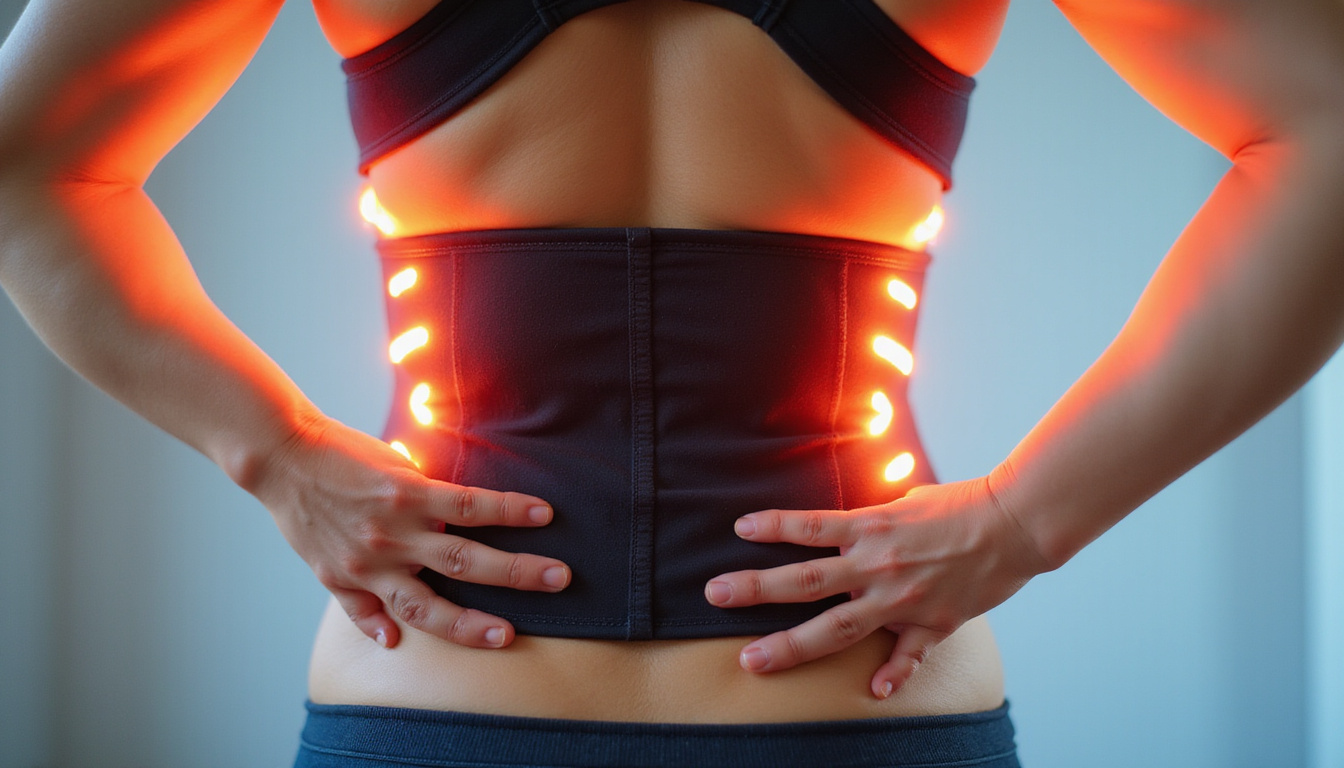
Step 4: Check in Different Positions
- Stand: Take a few steps. Does the belt stay in place? Does walking feel easier or less painful?
- Sit: Sit in a chair. The belt might ride up slightly, but it shouldn’t dig painfully into your abdomen or ribs.
- Bend: Gently bend forward and back. You should still feel supported without pinching.
If it rolls, digs in, or slides, adjust its height or tension until it feels secure and comfortable.
How Long and When Should You Wear It?
Your schedule will depend on your condition and your provider’s advice, but general guidelines include:
-
Acute pain or flare-ups:
Wear the sacroiliac belt during the day, especially for standing, walking, lifting, or housework. You may remove it when resting or lying down. -
Chronic instability or hypermobility:
Use the belt during activities that typically trigger your pain—exercise, longer walks, or work shifts. You don’t necessarily need it 24/7. – Postpartum or post-injury:
Many people use a sacroiliac belt daily for several weeks, then gradually reduce wear as core strength and stability improve.
Avoid long-term, continuous use without strengthening exercises. The goal is to support your SI joints while you build the muscles that will eventually take over the job.
Common Mistakes to Avoid
Many people give up on their sacroiliac belt because it “doesn’t work,” when the issue is usually fit or use. Watch for these pitfalls:
- Wearing it too high (around the waist instead of the pelvis)
- Over-tightening, leading to discomfort, difficulty breathing deeply, or tingling in the legs
- Under-tightening, so the belt slips, rides up, or provides no real relief
- Using it as the only solution, without addressing muscle imbalances, posture, and movement patterns
- Sleeping in it unnecessarily, unless your provider specifically recommends night use
If you’re unsure, ask a physical therapist, chiropractor, or other qualified professional to check your belt placement and fit.
Combining a Sacroiliac Belt with Other Treatments
A sacroiliac belt works best as part of a broader plan, not a standalone cure.
Helpful Complementary Strategies
- Targeted exercises:
Strengthening the glutes, deep core muscles, and hip stabilizers helps reduce long-term reliance on the belt. - Stretching tight muscles:
Address tight hip flexors, hamstrings, and lower back muscles that may contribute to pelvic imbalance. - Postural changes:
Adjust sitting and standing habits; avoid staying in one position too long. - Activity modification:
Reduce or modify high-impact activities and heavy lifting during flare-ups.
The sacroiliac belt gives you a window of reduced pain—take advantage of it to move better and build strength safely.
Safety Tips and When to Seek Help
Most people can use a sacroiliac belt safely, but pay attention to your body.
Stop using the belt and contact a healthcare professional if you notice:
- Worsening pain despite proper use
- Numbness, tingling, or coldness in the legs or groin
- Skin irritation, rashes, or sores under the belt area
- New symptoms like fever, unexplained weight loss, or severe night pain
These could signal that your pain isn’t primarily from the SI joints, or that something else needs attention.
FAQ: Sacroiliac Belts and Back Pain Relief
1. How tight should an SI joint belt be for pain relief?
An SI joint belt should be snug but not restrictive. You want firm compression around the pelvis that reduces pain when you move, but you should still breathe normally and move comfortably. If you feel tingling, numbness, or sharp pressure, it’s too tight and should be loosened.
2. Can I sleep with a sacroiliac support belt on?
Some people do sleep with a sacroiliac support belt during severe flare-ups or postpartum periods, especially if rolling in bed causes pain. However, it’s not necessary for everyone. If you try it, choose a softer belt, keep it comfortably snug (not overly tight), and stop if you notice discomfort or disturbed sleep. Ask your provider what’s best for your situation.
3. How long does it take for a pelvic support belt to relieve SI joint pain?
Many people notice immediate or same-day relief once a pelvic support belt is positioned correctly. That said, long-term improvement depends on underlying issues. Combining belt use with exercise, posture changes, and professional guidance usually delivers better, more lasting results than relying on the belt alone.
Ready to Try a Sacroiliac Belt for Faster Relief?
If low back or pelvic pain is holding you back, a properly fitted sacroiliac belt can be a simple, powerful tool to stabilize your SI joints and ease discomfort—often within minutes. The key is choosing the right belt, wearing it in the correct low-hip position, and adjusting it for firm, comfortable compression.
Don’t wait for the pain to dictate your day. Talk with your healthcare provider or physical therapist about whether an SI belt is right for you, then put it to work alongside targeted exercises and smarter movement. With the right approach, you can move with more confidence, protect your back, and get back to the activities you enjoy.