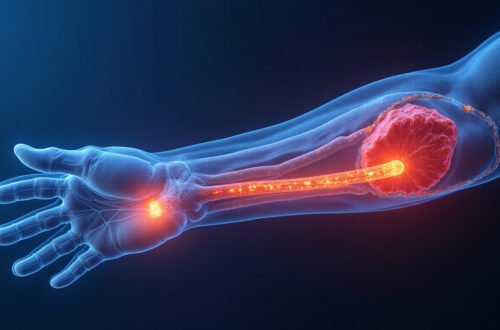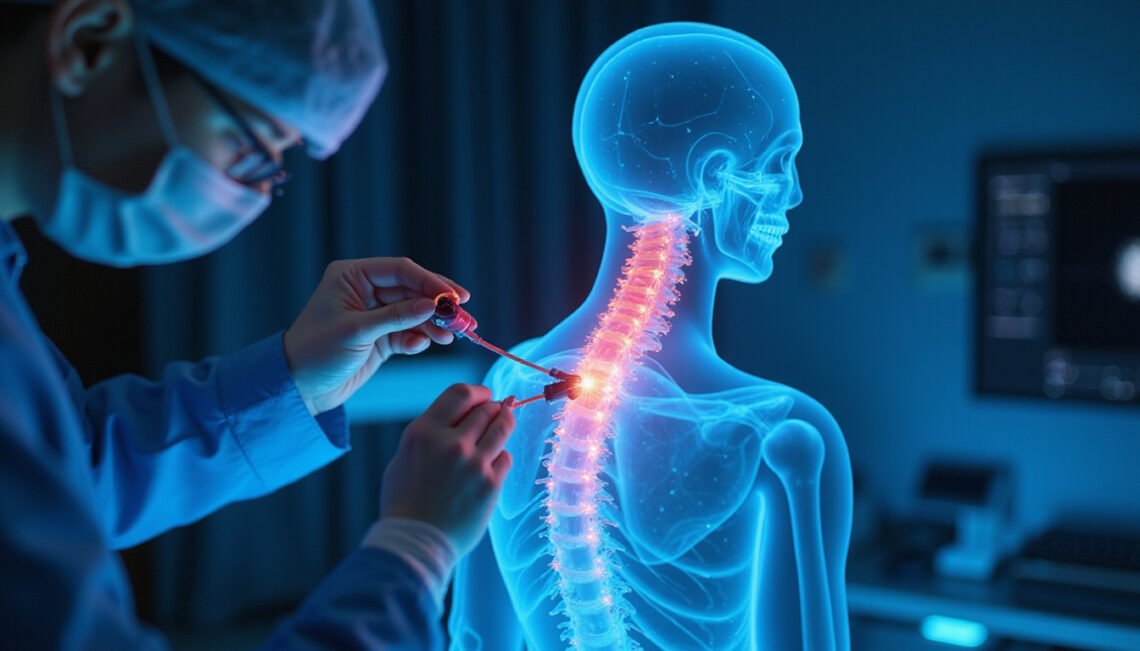
Peripheral nerve stimulation is rapidly becoming one of the most talked‑about treatment options for people living with chronic back and joint pain. For many, medications, physical therapy, and even surgery haven’t delivered lasting relief. This is where peripheral nerve stimulation (PNS) steps in as a minimally invasive, targeted therapy that can help reduce pain and improve function—often with fewer side effects and a faster recovery.
In this guide, you’ll learn what PNS is, how it works, who it can help, what to expect during the procedure, and how it compares with other pain treatments.
What Is Peripheral Nerve Stimulation?
Peripheral nerve stimulation is a pain management therapy that uses very small electrical impulses to modulate the activity of specific peripheral nerves—the nerves outside your brain and spinal cord.
These nerves transmit pain signals from your body (like your back, knees, shoulders, or hips) to your central nervous system. By placing a tiny lead (a thin wire) near a painful nerve and connecting it to a small pulse generator, PNS “interrupts” or changes those pain signals before they reach your brain.
Many patients feel:
- Reduced pain intensity
- A tingling or gentle pulsing sensation instead of sharp or burning pain
- Better ability to move, exercise, and participate in daily activities
Unlike spinal cord stimulation, which targets nerves in the spinal column, PNS focuses on individual peripheral nerves closer to the painful area. This makes it especially useful for chronic back and joint pain that can be traced to specific nerve branches.
How Does Peripheral Nerve Stimulation Work?
Peripheral nerve stimulation is based on well‑established neuromodulation principles. While the exact mechanisms are complex, several key effects are understood:
-
Blocking or altering pain signals
Electrical pulses from the PNS device can disrupt the transmission of pain signals along the nerve pathway. Instead of sharp or throbbing pain, your brain receives a different, less uncomfortable sensation. -
Activating inhibitory pathways
Stimulation may activate nerve fibers that “compete” with pain signals, essentially turning down the volume on pain. -
Reducing central sensitization
Long‑term chronic pain can make your nervous system more sensitive over time. PNS can help “reset” or modulate this heightened sensitivity, which is a major contributor to chronic back and joint pain. -
Supporting real‑world function
By reducing pain, people can move more, sleep better, and engage in physical therapy more effectively. Over time, this combination can further reduce pain and improve quality of life.
Clinical studies show that neuromodulation therapies, including peripheral nerve stimulation, can offer meaningful and durable pain relief for many patients with chronic pain conditions (source: International Neuromodulation Society).
Conditions Peripheral Nerve Stimulation Can Help
Peripheral nerve stimulation is not a one‑size‑fits‑all therapy, but it has shown promise for a broad range of pain conditions, especially when other treatments haven’t worked well.
Common uses in chronic back and joint pain include:
-
Chronic low back pain
Particularly when pain is related to specific nerve branches, scar tissue, or post‑surgical changes, and when spinal cord stimulation or injections haven’t given enough relief. -
Knee pain
- Persistent pain after total knee replacement (post‑TKA pain)
- Osteoarthritis‑related knee pain in select patients
- Nerve‑related knee pain following injury
-
Shoulder pain
- Rotator cuff injury or surgery with ongoing nerve‑mediated pain
- Adhesive capsulitis (“frozen shoulder”) that remains painful despite treatment
-
Hip pain
- Persistent pain after hip replacement
- Nerve entrapment or injury around the hip region
-
Post‑surgical or post‑traumatic pain
When a specific nerve became irritated or damaged after surgery or injury -
Complex regional pain syndrome (CRPS)
In some cases, PNS can be used to target the most symptomatic nerve or region.
The best candidates typically have:
- Pain localized to a specific area or nerve distribution
- Chronic pain lasting more than 3–6 months
- Limited benefit from conservative care (e.g., medications, physical therapy, injections)
- No uncontrolled psychiatric or substance use disorders that might interfere with treatment
- Reasonable expectations and a desire to reduce medications, especially opioids
What to Expect: The Peripheral Nerve Stimulation Process
While details vary by clinic and device type, the process usually includes several stages.
1. Evaluation and Diagnosis
Your pain specialist will:
- Review your medical history, imaging, and prior treatments
- Perform a detailed physical and neurologic exam
- Identify which nerve or nerves might be responsible for your pain
- Discuss potential benefits, risks, and alternatives to peripheral nerve stimulation
Some physicians may use diagnostic nerve blocks (temporary numbing injections) to confirm that a specific nerve is indeed a major contributor to your pain.
2. Trial Period (Temporary PNS)
Most modern PNS treatment plans begin with a short‑term trial:
- A thin lead is placed under the skin near the target nerve under local anesthesia, sometimes with mild sedation.
- The lead is connected to an external stimulator, often worn on a belt or adhesive patch.
- Over several days to a few weeks, you test the therapy in your day‑to‑day life.
During the trial you will:
- Adjust stimulation settings (with guidance) to find what feels helpful
- Track pain levels, function, sleep quality, and medication use
- Decide with your provider whether the relief is meaningful enough to proceed
Many clinicians look for at least 50% pain reduction and/or significant functional improvement to consider the trial successful.
3. Permanent or Longer‑Term Placement
If the trial is successful, you may move on to a longer‑term device:
- Lead placement: A new or the same type of lead is positioned near the target nerve using imaging guidance (often ultrasound or fluoroscopy).
- Power source:
- Some systems use a small implanted pulse generator (batteries either rechargeable or replaceable after several years).
- Others are “battery‑free” and powered externally through wearable patches or controllers.
Most procedures are outpatient and use local anesthesia plus light sedation. Recovery is usually quick, with activity restrictions only for a short period to allow healing and prevent lead movement.

4. Follow‑Up and Optimization
After implantation:
- The device is programmed, and settings are fine‑tuned to your comfort and relief.
- You’ll have follow‑up visits to monitor pain, function, and possible side effects.
- Over time, adjustments can be made to maintain the best balance between pain relief and sensation.
Benefits of Peripheral Nerve Stimulation for Back and Joint Pain
Many people turn to peripheral nerve stimulation after years of trying other therapies. Potential benefits include:
-
Targeted pain relief
PNS focuses on the specific nerve(s) generating pain rather than affecting the entire body, as systemic medications do. -
Minimally invasive
Leads are placed through small needle or tiny incision access points, without the large cuts or tissue disruption of major surgery. -
Reduced medication use
Some patients can significantly lower or stop opioids and other pain medications once PNS provides reliable relief. -
Reversible and adjustable
Unlike joint replacements or spinal fusions, PNS is reversible. Leads and devices can be removed if needed, and settings can be changed as your body or pain evolves. -
Improved quality of life
Better sleep, increased mobility, and the ability to return to hobbies and work are commonly reported when PNS is successful. -
Options for “failed” cases
It can be especially helpful when back or joint pain persists after surgery or when surgery is not advisable or desired.
Risks and Considerations
No medical procedure is completely risk‑free. Before choosing peripheral nerve stimulation, it’s important to understand possible downsides:
- Infection at the lead or generator site
- Lead migration (movement) resulting in reduced benefit or changed sensations
- Discomfort at the implant site
- Numbness, tingling, or unpleasant stimulation if settings are too strong or leads are mispositioned
- Device malfunction or need for revision
- Rare complications like bleeding, nerve damage, or allergic reaction to device components
Your provider will discuss these risks in detail and help determine whether the expected benefits outweigh potential problems in your specific case.
Peripheral Nerve Stimulation vs Other Pain Treatments
Many patients ask how peripheral nerve stimulation compares to other therapies such as injections, surgery, or spinal cord stimulation. While the “best” choice depends on your condition, here is a general comparison:
-
Medications (NSAIDs, neuropathic agents, opioids)
- Pros: Easy to start, widely available
- Cons: Systemic side effects, tolerance, dependence (with opioids), often incomplete relief
-
Injections (nerve blocks, epidurals, joint injections)
- Pros: Short procedures, good diagnostic value, temporary relief
- Cons: Limited duration (days to months), repeated steroid use can have side effects
-
Physical therapy and exercise
- Pros: Foundational for long‑term function and joint health
- Cons: May not be sufficient alone for severe chronic pain; progress can be limited if pain is too intense
-
Surgery (joint replacement, spine operations)
- Pros: Can address structural problems; life‑changing for some
- Cons: Major procedures, longer recovery, risk of persistent pain or complications
-
Spinal cord stimulation (SCS)
- Pros: Effective for many with widespread neuropathic pain, including some back pain cases
- Cons: Targets the spinal cord rather than a specific peripheral nerve; more invasive than some modern PNS systems
-
Peripheral nerve stimulation
- Pros: Focused on the exact nerve involved; minimally invasive; reversible; adjustable
- Cons: Not effective for everyone; requires implantation and ongoing device management
Often, peripheral nerve stimulation is used in combination with other modalities—especially physical therapy, lifestyle changes, and carefully optimized medications—to create a comprehensive pain management plan.
Who Should You See About Peripheral Nerve Stimulation?
If you think peripheral nerve stimulation might be right for you, consider consulting:
- An interventional pain management physician
- An anesthesiologist specializing in pain medicine
- A physiatrist (PM&R doctor) with interventional training
- Some neurologists or neurosurgeons who focus on neuromodulation
Bring records of prior treatments, imaging, and surgeries. This helps your doctor quickly determine whether you’re a good candidate and which nerves might be targeted.
Practical Tips Before Choosing PNS
To make an informed decision, you might:
- Ask how many PNS procedures your doctor performs and their success rates.
- Discuss realistic goals: less pain, better sleep, more activity—not necessarily “zero pain.”
- Clarify device type (temporary vs long‑term, internal battery vs external power).
- Review insurance coverage and potential out‑of‑pocket costs.
- Consider a second opinion if you’re unsure.
Quick Overview: Key Points About Peripheral Nerve Stimulation
- Peripheral nerve stimulation targets specific peripheral nerves to reduce chronic back and joint pain.
- It is minimally invasive, adjustable, and reversible.
- A trial period lets you test the therapy before committing to long‑term implantation.
- PNS can reduce dependence on pain medications and improve daily function.
- Not everyone is a candidate; careful evaluation and realistic expectations are essential.
FAQ: Peripheral Nerve Stimulation for Chronic Back and Joint Pain
1. How long does peripheral nerve stimulation last for chronic back pain?
Relief from peripheral nerve stimulation can last as long as the system is functioning and you continue to respond to therapy. Some patients experience sustained benefits for years. Others may notice changes in effectiveness over time, which can sometimes be improved with reprogramming or lead adjustments. Because systems are reversible, they can also be removed if they stop helping.
2. Is peripheral nerve stimulation for knee pain better than knee replacement?
They serve different purposes. Knee replacement addresses severe joint damage, while peripheral nerve stimulation for knee pain targets nerve‑related pain signals. In some cases of persistent pain after knee replacement—or when surgery isn’t advised—PNS can be a valuable alternative or complement. The best option depends on your joint health, imaging findings, and overall medical condition.
3. What is the recovery time after a peripheral nerve stimulator implant?
Most PNS procedures are outpatient. Many people return to light activities within a few days. You’ll usually be asked to limit heavy lifting, twisting, or extreme joint motions for a couple of weeks to allow healing and prevent lead movement. Full return to usual activities is often possible within several weeks, depending on your baseline health and pain levels.
Chronic back and joint pain doesn’t have to define your life or limit your choices. If you’ve tried medications, injections, physical therapy, or even surgery with limited success, peripheral nerve stimulation may open a new path to relief. Talk with a qualified pain specialist about whether you’re a candidate, explore a trial, and take a step toward more comfortable movement, better sleep, and a fuller, more active life.