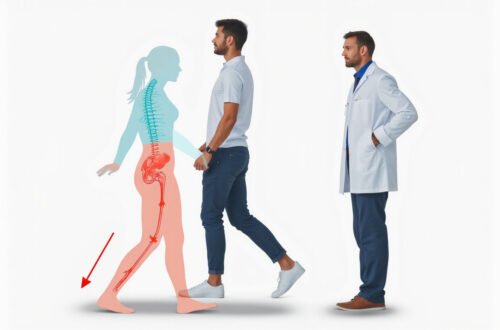
If pain is shooting from your lower back down your leg, making it hard to sit, walk, or even sleep, you might be dealing with sciatica. Finding the right sciatica clinic can be the difference between temporary relief and lasting change. Below, you’ll learn what’s really going on with sciatic nerve pain and discover nine proven treatments that the best clinics use to help patients get long-term relief—not just a quick fix.
What is sciatica, really?
Sciatica isn’t a diagnosis by itself; it’s a description of a symptom: pain that follows the path of the sciatic nerve, usually from the lower back or buttock down the back of the leg, sometimes into the foot.
Common causes include:
- Herniated or bulging lumbar discs
- Spinal stenosis (narrowing of the spinal canal)
- Degenerative disc disease
- Piriformis syndrome (muscle irritation of the sciatic nerve)
- Pregnancy-related posture and weight changes
A quality sciatica clinic won’t just label your pain and hand you pills. They’ll identify why the nerve is irritated and then build a step-by-step treatment plan to calm inflammation, restore movement, and prevent flare-ups.
What to expect at a sciatica clinic
When you walk into a specialized sciatica clinic, the first visit typically includes:
- A detailed history: when pain started, what worsens or relieves it, past injuries or surgeries
- Physical examination: posture, gait, range of motion, strength, and nerve tests
- Special tests: straight-leg raise, reflex checks, and sometimes imaging referrals (X-ray, MRI)
- A structured plan: short-term pain relief, medium-term correction, and long-term prevention
Top clinics use a combination of treatments rather than relying on a single tool. That “multimodal” approach is what often separates lasting relief from short-lived results.
Below are nine proven treatments you’re likely to see at a leading sciatica clinic—and how they actually help.
1. Targeted physical therapy and corrective exercise
Physical therapy is often the backbone of sciatica treatment. The aim is to reduce pressure on the nerve, strengthen supporting muscles, and restore proper movement patterns.
A good clinic physical therapy program will include:
- Core and hip strengthening to support the lumbar spine
- Gentle nerve glides to improve sciatic nerve mobility without irritation
- Hamstring and hip flexor stretching to relieve tension across the pelvis
- Posture and body mechanics training for sitting, lifting, and walking
Evidence consistently supports exercise-based rehab for low back–related leg pain, helping improve function and reduce recurrence risk (source: National Institute of Neurological Disorders and Stroke).
What to look for: A therapist who customizes your exercises, reassesses regularly, and progresses you from relief to resilience—not the same handout given to every patient.
2. Manual therapy: joint and soft tissue techniques
Many sciatica clinics combine exercise with hands-on care to speed relief. Manual therapy can include:
- Spinal or pelvic mobilizations to improve restricted segments
- Joint manipulation/adjustments in selected patients to restore motion
- Soft tissue release for tight muscles like the piriformis, glutes, and hip rotators
- Myofascial techniques to reduce trigger points and referred pain
When done correctly, these techniques can decrease muscle guarding, improve circulation, and create a “window” of reduced pain that makes exercise more effective.
What to look for: Clinicians who explain what they’re doing and why, and who integrate manual work with active movement—rather than treating you passively forever.
3. McKenzie method (MDT) and directional preference exercises
Many patients with disc-related sciatica respond well to the McKenzie Method or similar directional exercises. These movements are designed to centralize pain (move it out of the leg and back toward the spine), which usually means the nerve is under less pressure.
Common components:
- Repeated extension-based exercises (like press-ups) for some disc problems
- Flexion-based movements for others, depending on your response
- Self-treatment strategies so you can control flare-ups at home
Not everyone responds to this style, but when it works, it can rapidly ease leg pain and give you a simple, portable tool for controlling symptoms.
What to look for: A trained MDT or directional-preference therapist who tests your response and only continues with what clearly reduces or centralizes pain.
4. Epidural steroid injections for acute or severe flare-ups
For some, pain is too intense to move, sleep, or participate in therapy. In these cases, a sciatica clinic may refer you for an epidural steroid injection (ESI), often performed by a pain management specialist.
How it helps:
- Delivers anti-inflammatory medication near the irritated nerve root
- Can reduce severe pain and inflammation for weeks to months
- Buys time so you can actively rehab and strengthen without agony
ESIs are not a cure and don’t fix structural problems, but they can be an important short-term tool—especially to avoid or delay surgery when appropriate.
What to look for: A clinic that uses injections judiciously, as part of a bigger plan, not as a standalone, repeat-every-few-months strategy.
5. Medications: pain control with a plan
Most sciatica clinics will coordinate with your primary care or pain specialist to manage medications, which may include:
- Short-term NSAIDs (nonsteroidal anti-inflammatory drugs)
- Muscle relaxants for acute spasms
- Neuropathic pain meds (like gabapentin or pregabalin) in select cases
- Very short-term, cautious use of opioids for severe acute pain (when necessary)
The key is to remember that medications are support, not the main event. They should make it easier for you to move, sleep, and participate in active treatment—not become your only line of defense.
What to look for: Providers who explain risks and benefits and who aim to reduce reliance on medications over time as your function improves.
6. Advanced rehab tools: traction, decompression, and modalities
Some sciatica clinics use specialized equipment to support recovery:
- Mechanical traction or spinal decompression to gently reduce disc or nerve root pressure in select patients
- TENS (transcutaneous electrical nerve stimulation) to modulate pain signals
- Ultrasound or cold laser to assist tissue healing (evidence is mixed but may help some individuals)
- Heat/ice therapy for comfort and inflammation control
These tools are usually adjuncts, not primary therapies. The real progress still comes from movement, strengthening, and addressing root causes.
What to look for: Clinics that use devices as add-ons to active care, not as an excuse to bill time while you lie there passively.
7. Lifestyle and ergonomics coaching
Even the best hands-on care won’t last if your daily habits keep irritating the nerve. A patient-focused sciatica clinic will help you modify:
- Sitting posture and duration (especially if you work at a desk or drive a lot)
- Workstation setup (chair, screen height, keyboard, foot support)
- Lifting mechanics (how you bend, lift, and carry)
- Sleep positions (using pillows to support neutral spine alignment)
- Activity pacing (breaking long, demanding tasks into smaller chunks)
Small ergonomic changes can dramatically reduce daily strain and keep flares from becoming full-blown episodes.
What to look for: Pragmatic advice tailored to your real life, not rigid rules you can’t follow at work or home.

8. Weight management, activity, and overall health
Sciatica is often influenced by broader health factors. Extra body weight, low activity levels, and poor conditioning can all increase stress on the spine and surrounding structures.
A comprehensive sciatica clinic may:
- Encourage gradual weight loss (if appropriate) through nutrition referrals and realistic activity plans
- Progress you from pain-relief exercises to full-body strength and conditioning
- Introduce low-impact cardio (walking, cycling, swimming) to promote blood flow and endorphins
- Discuss smoking cessation, since smoking is linked to disc degeneration and poorer healing
The goal isn’t perfection. It’s steady improvement in your overall resilience so that your back and nervous system can tolerate real-world demands.
What to look for: Clinicians who meet you where you are and help you build sustainable habits, rather than shaming you or setting impossible targets.
9. Surgical options when conservative care isn’t enough
Most people with sciatica improve without surgery. But in certain situations, a sciatica clinic will refer you to a spine surgeon for evaluation:
- Progressive muscle weakness (foot drop, severe leg weakness)
- Loss of bowel or bladder control (medical emergency: possible cauda equina syndrome)
- Persistent, disabling pain despite months of well-performed conservative care
- Imaging that shows a clear, surgically correctable cause (often a large disc herniation or severe stenosis)
Common procedures include:
- Microdiscectomy – removing the portion of a herniated disc compressing the nerve
- Laminectomy – removing part of the vertebral bone to relieve pressure in stenosis
- In more complex cases, spinal fusion (less common solely for sciatica)
When chosen appropriately, surgery can provide significant relief, especially when leg pain is the dominant symptom and imaging clearly matches your clinical picture.
What to look for: A clinic that treats surgery as one tool among many and collaborates closely with your surgeon before and after the procedure.
Choosing the right sciatica clinic: key factors
Not all clinics are the same. When evaluating where to go for care, consider:
- Comprehensive assessment: Do they take time to understand your history and goals?
- Multi-disciplinary approach: Do they collaborate with PTs, physicians, pain specialists, and surgeons as needed?
- Education focus: Do they teach you what’s happening and how to self-manage, instead of creating dependency?
- Evidence-based practice: Are treatments backed by current guidelines, not just trends or gadgets?
- Personalized plans: Is your program tailored, or does everyone get the same routine?
- Clear progress tracking: Do they use measurable goals (pain, function, strength, walking distance)?
A truly patient-centered sciatica clinic aims to make you less dependent on them over time by giving you knowledge and tools you can use for life.
Quick checklist: are you on the right track?
Use this list to gauge whether your current care is setting you up for lasting relief:
- [ ] Pain is gradually improving or at least better controlled
- [ ] You have a clear diagnosis and understand the likely cause
- [ ] You’re doing targeted exercises, not just resting or taking pills
- [ ] Daily activities (sitting, walking, sleep) are being addressed
- [ ] You know what to do when you feel a flare starting
- [ ] Your clinic reassesses and adjusts your plan regularly
- [ ] You’re being encouraged to become more active and independent
If you can’t tick most of these boxes, it may be time to reassess your treatment plan—or consider a different sciatica clinic that takes a more comprehensive approach.
FAQ: sciatica clinic and treatment options
1. What does a sciatica pain clinic actually do differently from a regular clinic?
A dedicated sciatica pain clinic focuses specifically on conditions that irritate the sciatic nerve. You’re more likely to get a thorough biomechanical assessment, targeted rehab, and coordinated care between physical therapists, physicians, and sometimes pain specialists and surgeons. The emphasis is on treating the root cause, not just prescribing medication.
2. How long does it take for sciatica treatment at a clinic to work?
Mild to moderate cases may improve significantly within 4–6 weeks of consistent treatment at a sciatica treatment clinic, especially when you follow your home program. More severe or long-standing cases can take several months. The key signs of progress are reduced leg pain, better function, and fewer flare-ups—even if some back discomfort lingers early on.
3. Can a sciatica specialist clinic prevent my pain from coming back?
No clinic can guarantee you’ll never have another episode, but a high-quality sciatica specialist clinic can greatly reduce your risk. By correcting strength imbalances, teaching better movement patterns, improving ergonomics, and guiding overall health changes, they give you the tools to keep the sciatic nerve calm and to stop small flare-ups from turning into major setbacks.
Take the next step toward lasting relief
Living with sciatica can make every day feel smaller—fewer walks, shorter outings, more time wondering if the pain will ever let up. You don’t have to stay stuck there. The right sciatica clinic can identify exactly what’s irritating your nerve and guide you through proven treatments that move you from crisis management to real control.
If your current approach is just masking symptoms or you’re not seeing steady progress, now is the time to seek out a clinic that offers comprehensive assessment, evidence-based care, and a clear plan tailored to you. Reach out, ask questions, and insist on care that doesn’t just help you cope, but helps you reclaim your mobility, confidence, and everyday life.