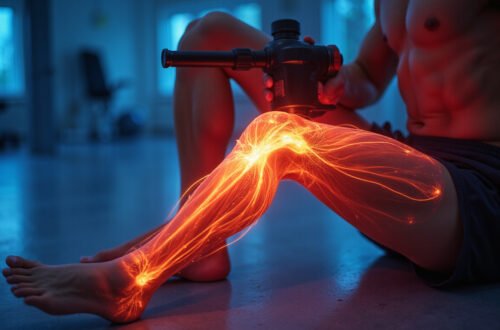
Sciatica can turn everyday activities—like walking, working, or even sleeping—into a constant battle with pain. Many people are now turning to sciatica socks as a simple, non-invasive way to ease symptoms, reduce nerve irritation, and move more comfortably throughout the day. While they’re not a cure-all, the right pair can be a powerful part of a broader pain-management plan.
This guide explains what sciatica socks are, how they work, who they’re best for, and how to choose a pair that genuinely supports better mobility and less pain.
What Are Sciatica Socks?
“Sciatica socks” typically refers to compression or support socks designed to help:
- Improve blood flow in the legs
- Reduce swelling and inflammation
- Support muscles and joints that can aggravate the sciatic nerve
Sciatica itself is pain that radiates along the sciatic nerve, which runs from your lower back through your hips, buttocks, and down each leg. The pain can feel sharp, burning, or like an electric shock, and it can be made worse by prolonged standing, sitting, or walking.
Sciatica socks don’t treat the root cause—like a herniated disc or spinal stenosis—but they can help create a more stable and supportive environment for your legs and lower body, easing pressure and pain signals.
How Do Sciatica Socks Help with Pain Relief?
The main mechanisms behind sciatica socks are compression, support, and circulation.
1. Graduated Compression for Better Circulation
Most sciatica socks use graduated compression—tighter at the ankle and slightly looser toward the calf. This helps:
- Push blood back toward the heart
- Reduce pooling of blood and fluid in the lower legs
- Decrease swelling that can worsen nerve sensitivity
Improved circulation means more oxygen and nutrients to muscles and tissues and more efficient removal of metabolic waste products that contribute to soreness and fatigue. Better circulation can also reduce the heavy, achy feeling many people with sciatica experience after being on their feet.
2. Muscle and Joint Support
Sciatica socks provide gentle but consistent pressure along key areas of the foot, ankle, and lower leg. This can:
- Stabilize the ankle and foot, improving alignment
- Reduce micro-movements that aggravate muscles connected to the lower back and pelvis
- Dampen vibration and impact forces from walking or standing
When muscles and joints are better supported, they’re less likely to fatigue or spasm, which can mean less indirect pulling or irritation around the sciatic nerve path.
3. Reduced Swelling and Inflammation
Inflamed tissues amplify pain signals. Compression from sciatica socks helps:
- Limit excessive fluid buildup (edema)
- Support lymphatic drainage
- Calm irritated soft tissues
Less swelling often equals less pain, especially at the end of a long day spent on your feet.
Types of Sciatica Socks and How They Differ
Not all sciatica socks offer the same benefits. Understanding the main types can help you pick the right option for your lifestyle and symptoms.
Compression Level
Compression is usually measured in mmHg (millimeters of mercury). Common ranges:
- Mild (8–15 mmHg): Light support for everyday comfort; good for mild symptoms.
- Moderate (15–20 mmHg): Popular for people with sciatica who stand or sit for long periods.
- Firm (20–30 mmHg and above): Often used under medical guidance for more severe symptoms, significant swelling, or vascular issues.
If you’ve never worn compression gear before, starting with mild to moderate compression is often more comfortable.
Length and Coverage
Sciatica socks come in different lengths, each with specific benefits:
- Ankle-length: Focused support around the foot and ankle; best for localized pain or use with regular shoes.
- Crew or mid-calf: Better for full lower-leg compression and circulation, ideal for all-day wear.
- Knee-high: Maximum lower-leg coverage; often used for swelling, varicose veins, or long travel.
For many people with sciatica, crew or knee-high sciatica socks provide the most noticeable relief by supporting the entire lower leg.
Fabric and Breathability
Common materials include:
- Nylon/spandex blends: Snug, stretchy, and durable
- Cotton blends: Softer and more breathable for sensitive skin
- Moisture-wicking fibers: Help keep feet dry and reduce odor
Look for flat or seamless toes and soft cuffs to reduce friction and pressure points.
Who Can Benefit Most from Sciatica Socks?
While anyone with sciatic pain may benefit, certain groups often see the greatest improvement from sciatica socks:
- People who stand all day: Retail workers, nurses, factory workers, and hospitality staff
- Desk workers: Prolonged sitting can compress the lower back and irritate the sciatic nerve
- Travelers: Long flights or car rides increase the risk of stiff muscles and poor circulation
- Athletes and active individuals: Runners, walkers, and gym-goers who place extra stress on lower-body muscles
- Older adults: Age-related circulation changes and joint wear can aggravate sciatic symptoms
If you have underlying vascular conditions, diabetes, or neuropathy, talk to a healthcare professional before starting firm compression garments.
How to Choose the Right Sciatica Socks
Picking the right pair matters as much as wearing them consistently. Use this checklist to guide your choice.
1. Get the Correct Size
Improper sizing can make sciatica socks ineffective or even unsafe. To size correctly:
- Measure your ankle circumference at the narrowest part
- Measure your calf circumference at the widest part
- Check the manufacturer’s size chart carefully
Too tight can cause numbness, tingling, or skin indentations. Too loose won’t provide meaningful support.
2. Match Compression to Your Needs
For most people managing sciatica:
- Start with 15–20 mmHg for daily use
- If symptoms are mild, you might do well with 8–15 mmHg
- Higher levels (>20 mmHg) are best used after medical advice
If you feel pins-and-needles, throbbing, or cold toes, the compression may be too strong or the size too small.
3. Consider Your Daily Routine
Think about when and where you’ll wear your sciatica socks:
- For work: Choose neutral colors and breathable fabric for all-day wear
- For sports: Look for moisture-wicking materials and reinforced heels/toes
- For sleep: Some people find lighter compression socks more comfortable overnight; others prefer wearing them only during the day
You may end up with a couple of different pairs for work, exercise, and home.
4. Pay Attention to Features and Quality
Look for:
- Flat seams or seamless toes
- Non-binding, comfortable cuffs
- Durable, stretch-retaining materials
- Clear washing instructions (many last longer when hand-washed or air-dried)
Higher-quality sciatica socks typically provide more consistent pressure over time, which is key for real benefit.
How to Use Sciatica Socks for Best Results
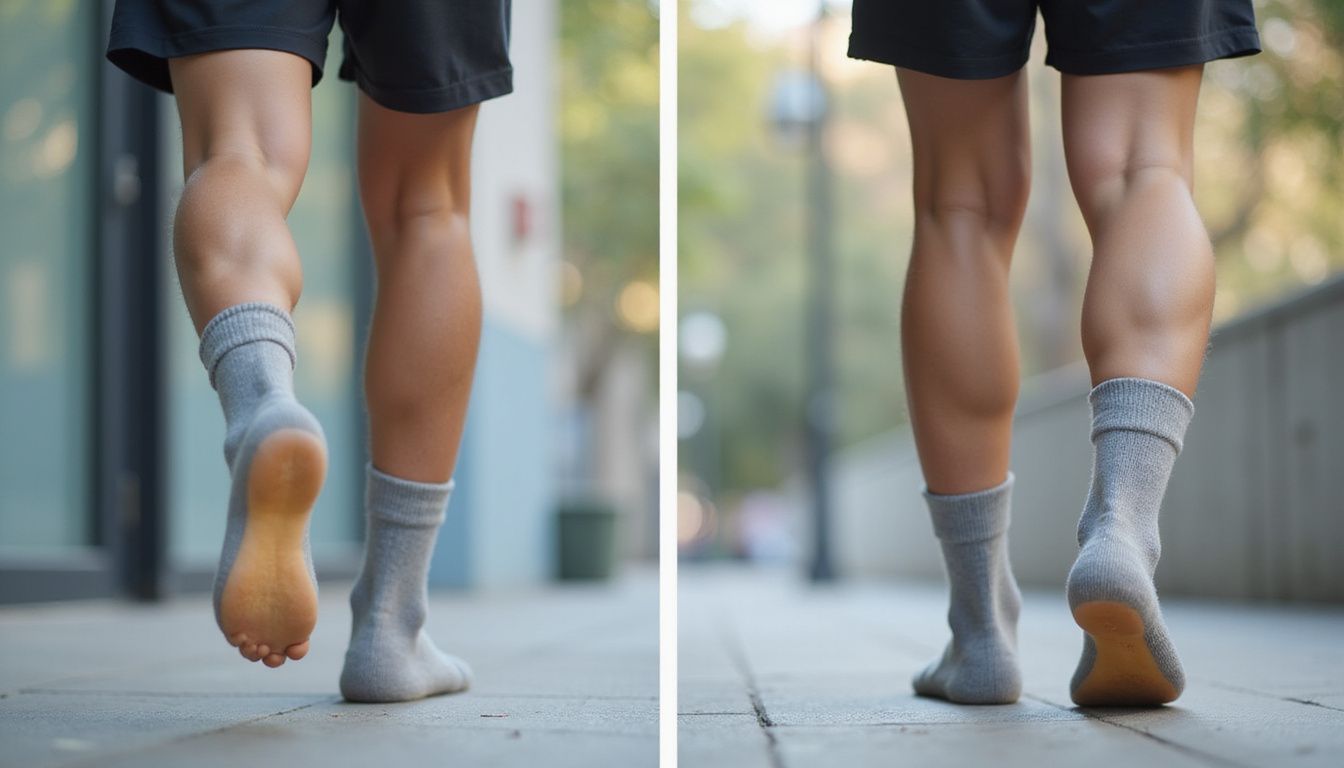
Wearing sciatica socks the right way can significantly improve your results.
-
Put them on in the morning
Legs are usually least swollen after a night’s rest, which makes it easier to put socks on and helps maintain better circulation throughout the day. -
Smooth out wrinkles
Ensure the fabric is evenly distributed without bunching. Wrinkles can create pressure points and reduce comfort. -
Wear them during your longest activity periods
Use them when you sit or stand for extended stretches—at work, commuting, or traveling. -
Combine with other sciatica management strategies
Sciatica socks work best as part of a comprehensive plan, including:- Gentle stretching and mobility exercises
- Core and hip strengthening
- Proper posture and ergonomic setup
- Weight management and regular movement breaks
Evidence shows that targeted exercise and stretching are key components of effective sciatica treatment (source: Mayo Clinic).
- Monitor your skin and comfort
Check your legs and feet regularly for redness, irritation, or indentations. Discontinue use and consult a professional if you notice concerning changes.
Common Myths About Sciatica Socks
“Sciatica socks will cure my sciatica.”
Sciatica socks can reduce symptoms like pain, heaviness, and fatigue, but they do not correct disc herniations, bone spurs, or spinal alignment by themselves. Consider them a supportive tool, not a cure.
“If some compression helps, more must be better.”
Too much compression can impair circulation and increase discomfort. Always choose the lowest effective compression and follow medical advice if you have circulatory or nerve issues.
“Only older people need compression or sciatica socks.”
Sciatica affects people of all ages, especially those with sedentary lifestyles or strenuous jobs. Younger adults and athletes can benefit from well-chosen sciatica socks just as much as older adults.
When to Talk to a Professional
Sciatica socks are generally safe, over-the-counter tools, but you should consult a doctor or physical therapist if:
- Pain is severe, constant, or getting worse
- You experience leg weakness, numbness, or loss of bladder/bowel control
- There’s a history of blood clots, severe varicose veins, or vascular disease
- You have diabetes or peripheral neuropathy
A professional can help you identify the root cause of your sciatica and recommend the right combination of treatment strategies, including whether sciatica socks are appropriate.
FAQ: Sciatica Socks and Related Questions
1. Do compression socks help with sciatic nerve pain?
Yes, compression socks for sciatica can help reduce symptoms by improving circulation, limiting swelling, and supporting the muscles and joints of the lower leg. They don’t directly treat the spinal origin of the nerve pain, but they can make activities like walking and standing more comfortable and reduce end-of-day soreness.
2. What are the best socks for sciatica and leg pain?
The best socks for sciatica and leg pain typically offer:
- Graduated compression in the 15–20 mmHg range
- Proper sizing based on ankle and calf measurements
- Breathable, moisture-wicking materials
- Flat seams and comfortable cuffs
Your ideal pair will depend on your activity level, skin sensitivity, and whether you need ankle, calf, or full lower-leg coverage.
3. Can wearing sciatic nerve compression socks all day be harmful?
For most healthy individuals, wearing sciatic nerve compression socks during waking hours is safe and can be beneficial. Potential problems arise if:
- Compression is too high
- The socks are the wrong size
- You have underlying circulation or nerve conditions
If you notice numbness, tingling, cold toes, or skin discoloration, remove the socks and seek medical advice.
Take the Next Step Toward Easier Movement
Living with sciatica doesn’t have to mean surrendering to constant pain and limited mobility. With the right combination of strategies—targeted exercises, ergonomic adjustments, and supportive tools like well-fitted sciatica socks—you can reduce daily discomfort and move with more confidence.
If your legs feel heavy, achy, or unstable by the end of the day, now is the time to act. Measure your legs, choose a pair of high-quality, graduated compression sciatica socks that match your needs, and commit to wearing them consistently for a couple of weeks. Paired with gentle stretching and movement breaks, this simple step can make a noticeable difference in how you walk, work, and live every day.
Your sciatic pain doesn’t define you—and with thoughtful support, including the right socks, you can start reclaiming the comfort and mobility you deserve.