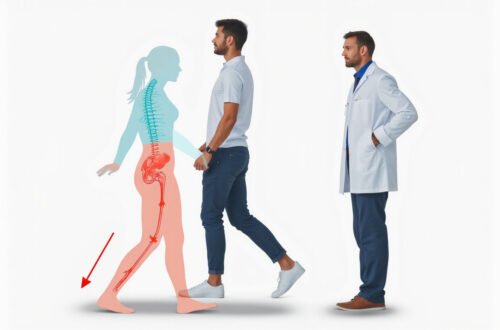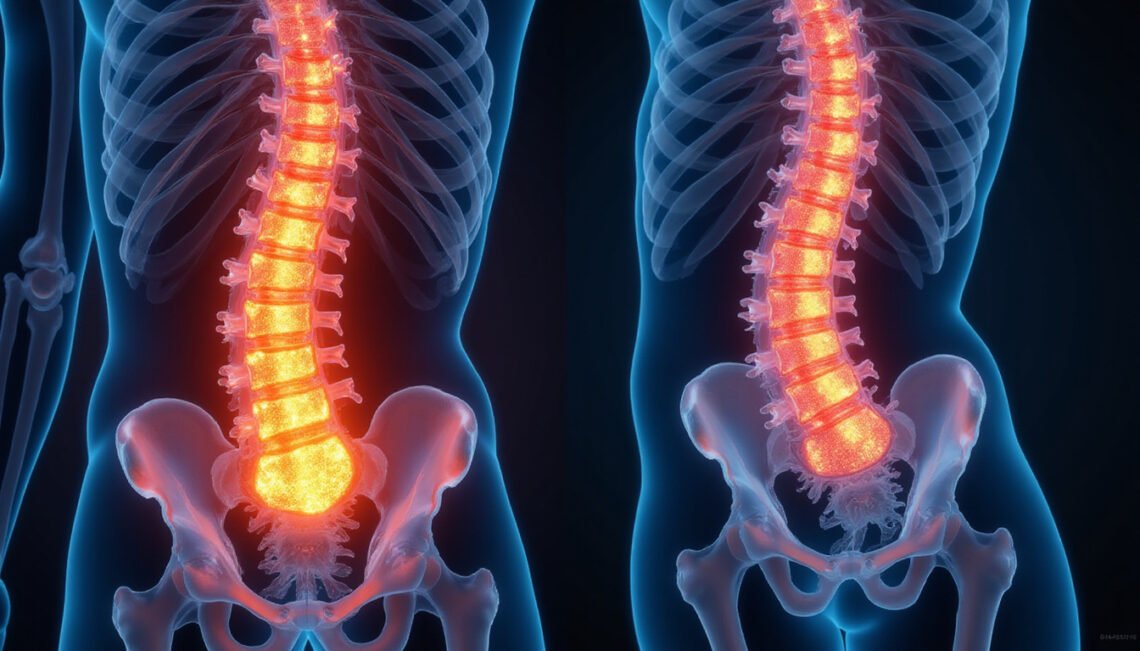
If you’re dealing with stubborn neck or back pain, there’s a good chance the nucleus pulposus is involved—even if you’ve never heard the term before. This small, gel-like core inside each spinal disc plays a huge role in how your spine moves, absorbs shock, and eventually, how it can start to hurt. Understanding what it is, how it changes, and what you can do about it can give you real power over your back pain and treatment options.
What Is the Nucleus Pulposus?
Between each pair of vertebrae in your spine is an intervertebral disc. Each disc has two main parts:
- Nucleus pulposus – the soft, jelly-like center
- Annulus fibrosus – the tough, fibrous outer ring that surrounds and contains the nucleus
The nucleus pulposus is rich in water and specialized proteins (proteoglycans) that attract and hold fluid. In youth, it’s highly hydrated and springy; in adulthood, it gradually dehydrates and loses some of its cushioning ability.
Where Is It Located?
You have a nucleus pulposus in each disc from the base of your skull to the sacrum (lower spine). The discs:
- Sit between vertebrae
- Act as “shock absorbers” for daily activities such as walking, bending, lifting
- Allow your spine to flex and twist smoothly
When this inner core is healthy, you rarely think about it. When it’s damaged or degenerating, it can trigger pain, stiffness, numbness, and weakness.
What Does the Nucleus Pulposus Actually Do?
The nucleus pulposus is central to spinal health and movement. Its main functions include:
1. Shock Absorption
The gel-like center distributes pressure evenly across the disc when you:
- Stand or sit
- Lift or carry objects
- Jump, run, or twist
Without it, more force would go directly into the bones and joints, accelerating wear and tear.
2. Maintaining Disc Height and Spacing
Because it holds water, the nucleus pulposus helps keep each disc thick. That disc height:
- Keeps vertebrae properly spaced
- Maintains space for spinal nerves exiting through openings (foramina)
- Helps reduce friction between vertebrae
Loss of nucleus pulposus height can narrow nerve spaces and contribute to nerve compression.
3. Allowing Smooth Motion
The nucleus acts like a pivot point, letting your spine:
- Bend forward and backward
- Side-bend
- Rotate
If the nucleus pulposus is damaged, movement can become painful, restricted, or accompanied by grinding and stiffness.
How the Nucleus Pulposus Changes Over Time
Back pain often starts when the nucleus pulposus begins to change. These changes are part normal aging, part lifestyle, part genetics.
Natural Degeneration
From your 20s onward, the nucleus pulposus:
- Gradually loses water content
- Develops small cracks or tears in the surrounding annulus fibrosus
- Becomes less elastic and more fibrotic
This is known as degenerative disc disease—not really a disease, but a description of wear and tear that can cause pain or stiffness in some people and almost no symptoms in others.
Dehydration and Height Loss
As the nucleus pulposus dehydrates:
- Discs flatten and lose height
- Nerve openings can narrow
- Adjacent joints may take on more load, possibly leading to arthritis (facet joint degeneration)
This can trigger chronic low back or neck pain, especially with prolonged sitting or standing.
Sudden Injury or Overload
A lifting injury, fall, or even a sudden twist can cause the nucleus pulposus to:
- Push outward against a weakened annulus fibrosus
- Bulge or break through the outer ring
- Irritate or compress nearby nerves
That’s where terms like “bulging disc” and “herniated disc” come in.
Nucleus Pulposus and Disc Herniation
One of the most important secrets for back pain sufferers: many symptoms come down to what the nucleus pulposus is doing.
What Is a Herniated Nucleus Pulposus?
A herniated disc (or herniated nucleus pulposus) occurs when part of the nucleus:
- Breaks through a crack or tear in the annulus fibrosus
- Protrudes outward into the spinal canal or nerve root area
Because the nucleus is chemically active and not supposed to be outside the disc:
- It can chemically irritate nearby nerves
- The bulging material can physically compress nerves or the spinal cord
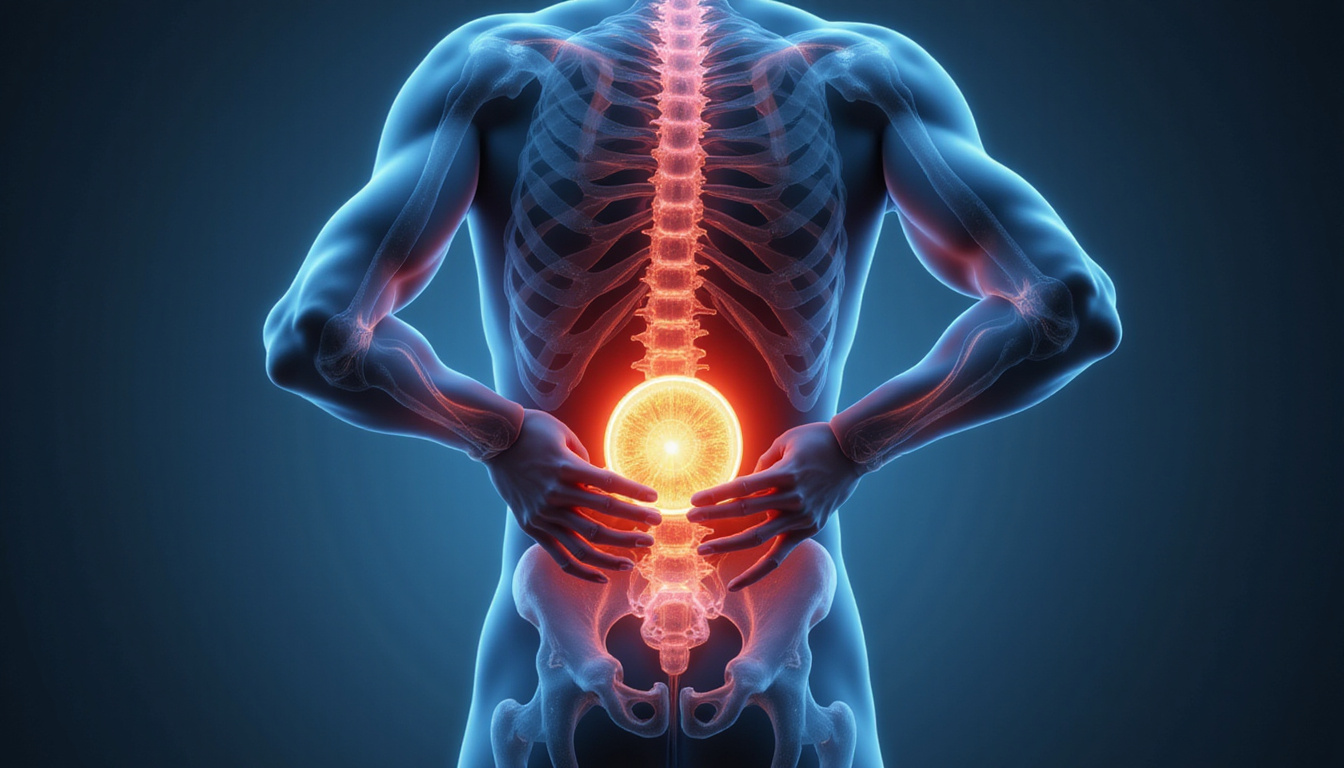
This combination can lead to intense pain, numbness, tingling, or weakness in the arms or legs, depending on the level of the spine involved.
Common Symptoms When the Nucleus Pulposus Herniates
Symptoms vary by location:
Neck (cervical spine):
- Neck pain radiating down the arm
- Numbness or tingling in fingers
- Weakness in the arm or hand
Lower back (lumbar spine):
- Low back pain radiating to buttock or leg (sciatica)
- Burning or electric pain down the leg
- Numbness, tingling, or weakness in the leg or foot
In severe cases, a large herniated nucleus pulposus can cause problems with balance, bladder, or bowel control—this is a medical emergency.
Why Does the Nucleus Pulposus Degenerate or Herniate?
Several factors influence how quickly and severely the nucleus pulposus breaks down.
Key Risk Factors
- Age – hydration and resilience naturally decline
- Genetics – some people inherit weaker or more degeneration-prone discs
- Smoking – reduces blood flow and accelerates disc dehydration
- Heavy lifting & repetitive strain – especially with poor technique
- Obesity – extra load on lumbar discs
- Sedentary lifestyle – poor muscle support and less nutrient flow to discs
- High-impact sports or trauma – repeated or sudden stress on the spine
You can’t change your age or genes, but you can strongly influence many of the other factors.
Diagnosing Nucleus Pulposus Problems
If your healthcare provider suspects a damaged nucleus pulposus or disc issue, they may use:
Clinical Evaluation
- Detailed medical history (onset, pattern, triggers)
- Physical exam for range of motion, strength, reflexes, and nerve signs
- Specific tests like straight-leg raise (for lumbar nerve irritation)
Imaging
- MRI – best for viewing the nucleus pulposus, disc hydration, herniations, and nerve compression
- CT scan – useful when MRI isn’t possible
- X-ray – shows disc space narrowing, alignment, and bone changes, but not the nucleus itself
MRI is the gold standard for disc and nucleus pulposus evaluation (source: American Academy of Orthopaedic Surgeons).
Treatment Options: From Conservative to Advanced
Not every problem with the nucleus pulposus requires surgery. In fact, many herniated discs improve significantly with conservative care.
Conservative (Non-Surgical) Treatments
-
Activity modification
- Avoid heavy lifting and painful movements at first
- Gradual return to normal activity as symptoms improve
-
Physical therapy
- Core strengthening to support the spine
- Flexibility and posture training
- Techniques to reduce nerve irritation (e.g., McKenzie exercises for lumbar disc issues)
-
Medications
- Over-the-counter pain relievers (acetaminophen)
- NSAIDs (ibuprofen, naproxen) to reduce inflammation
- Short-term muscle relaxants if prescribed
-
Epidural steroid injections
- Anti-inflammatory medication around the irritated nerve root
- Can significantly reduce pain for weeks to months and support rehab
-
Lifestyle changes
- Weight management
- Quitting smoking
- Activity routine that blends movement and rest
Many mild to moderate herniations heal or become asymptomatic over weeks to months as the body reabsorbs part of the extruded nucleus pulposus.
When Is Surgery Considered?
Surgery is usually reserved for:
- Severe, persistent pain not improving after several weeks to months of conservative care
- Progressive weakness or significant nerve deficit
- Loss of bladder or bowel control, or severe spinal cord compression (emergency)
Common procedures:
- Microdiscectomy – removes the herniated portion of the nucleus pulposus to relieve nerve pressure
- Laminectomy – removes part of the bone/ligament overlying nerves if there is central compression
- Spinal fusion or disc replacement – in select cases of severe degeneration or instability
Your surgeon’s goal is to decompress nerves while preserving as much normal disc and spinal motion as possible.
Everyday Habits to Protect Your Nucleus Pulposus
You can’t fully stop disc aging, but you can slow it and reduce symptom flare-ups by reducing stress on the nucleus pulposus.
Consider building these habits:
- Maintain a healthy weight – reduces compressive forces on discs
- Move regularly – avoid long stretches of sitting; stand and stretch every 30–60 minutes
- Strengthen your core – targeted exercises for abdominal, back, and hip muscles
- Lift smart – bend at hips and knees, keep objects close, avoid twisting under load
- Support your spine while sitting – use lumbar support; keep feet flat, screen at eye level
- Sleep posture – back or side sleeping with proper pillow and possibly a knee pillow to keep spine aligned
- Hydrate – discs don’t get direct blood supply; overall hydration supports tissue health
- Avoid smoking or vaping nicotine – improves disc nutrition and healing potential
Quick Reference: Signs You Should See a Doctor
While many back pain episodes are mild and short-lived, seek medical evaluation promptly if you notice:
- Leg or arm weakness or loss of coordination
- Numbness in the groin or “saddle” area
- Loss of bladder or bowel control
- Severe pain after trauma (fall, accident)
- Pain that is worsening, unrelenting, or disrupting sleep for weeks
These can signal a serious issue involving the nucleus pulposus, nerve roots, or spinal cord that may require urgent care.
FAQ: Common Questions About the Nucleus Pulposus
1. What is nucleus pulposus degeneration and can it be reversed?
Nucleus pulposus degeneration refers to the gradual drying, cracking, and loss of resilience of the disc’s inner core. Once structural changes occur, they can’t be fully reversed to a “young” state. However, you can significantly reduce pain and slow further degeneration through exercise, posture correction, weight control, and avoiding tobacco. Many people live active lives with degenerative discs by managing these factors.
2. How is a herniated nucleus pulposus treated without surgery?
Non-surgical treatment of a herniated nucleus pulposus usually includes relative rest, physical therapy, anti-inflammatory medication, and sometimes epidural steroid injections. The goal is to reduce inflammation, ease nerve irritation, and strengthen supporting muscles. Over time, the body often reabsorbs part of the herniated material, and symptoms can improve or disappear.
3. Can nucleus pulposus problems cause permanent nerve damage?
If a herniated nucleus pulposus compresses a nerve severely and for a long time, there is a risk of lasting weakness, numbness, or pain. Prompt evaluation and treatment greatly reduce this risk. Sudden loss of bladder or bowel control, or rapidly worsening weakness, is an emergency and requires immediate medical attention to protect nerve function.
Take Control of Your Spine Health
Back and neck pain can feel mysterious and frightening, but once you understand the role of the nucleus pulposus, your symptoms start to make more sense—and become more manageable. Whether you’re facing early disc degeneration, a new herniated disc, or chronic flare-ups, there are evidence-based steps you can take to protect your spine, reduce pain, and regain function.
Don’t wait for the next severe pain episode to act. Schedule a visit with a qualified spine specialist or physical therapist to discuss your symptoms, get appropriate imaging if needed, and create a personalized plan to support your discs and the nucleus pulposus at every level. With the right guidance and daily habits, you can move toward a stronger, more resilient back—and a better quality of life.