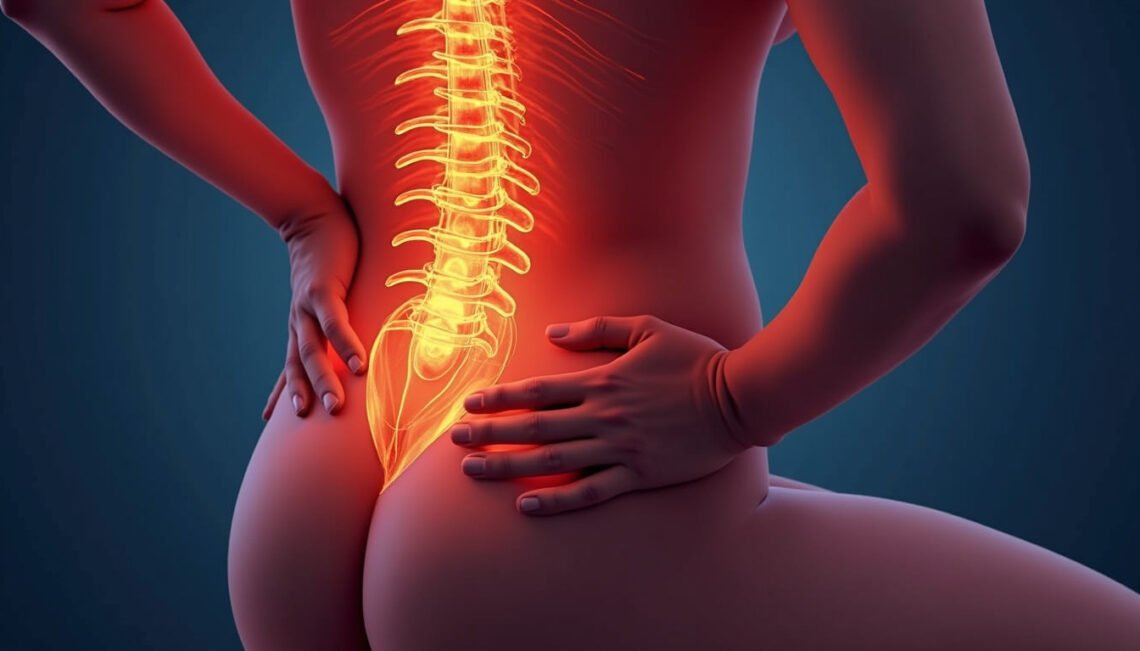
Sciatica is a common condition that can cause sharp, shooting pain along the sciatic nerve, which runs from your lower back down through your hips, buttocks, and legs. If you’re experiencing discomfort, identifying effective sciatica treatment options is crucial to achieving fast relief and improving your quality of life. In this article, we’ll explore a range of treatments—from conservative measures to medical interventions—that can help you manage and overcome sciatica pain.
Understanding Sciatica and Its Causes
Before diving into treatment options, it’s important to understand what sciatica is. Sciatica refers to pain caused by irritation or compression of the sciatic nerve, often due to a herniated disc, spinal stenosis, or degenerative disc disease. Symptoms can vary but usually include:
- Sharp or burning pain radiating down one leg
- Numbness or tingling sensations
- Muscle weakness in affected areas
- Difficulty moving or standing for long periods
Recognizing these symptoms early can help you seek appropriate treatment and prevent worsening pain.
Conservative Sciatica Treatment Options
Many sciatica cases improve significantly with non-invasive treatments, especially in the early stages.
1. Physical Therapy and Exercise
Physical therapy is one of the most recommended sciatica treatment options. A trained therapist will guide you through tailored exercises designed to:
- Strengthen muscles supporting your spine
- Improve flexibility and posture
- Reduce nerve compression
- Promote proper movement patterns
Regular stretching and strengthening exercises can relieve pressure on the sciatic nerve and reduce inflammation.
2. Pain Relief Medications
Over-the-counter (OTC) medications such as non-steroidal anti-inflammatory drugs (NSAIDs) — including ibuprofen and naproxen — can help reduce inflammation and ease pain temporarily. In some cases, doctors may prescribe muscle relaxants or stronger pain medications for short-term relief.
3. Hot and Cold Therapy
Applying heat or cold packs to your lower back can offer soothing relief. Cold therapy reduces inflammation and numbs sore areas, while heat therapy relaxes tight muscles and improves blood flow. Alternating between the two may accelerate healing.
4. Lifestyle Modifications
Making changes such as maintaining a healthy weight, improving posture, avoiding prolonged sitting, and incorporating low-impact aerobic activities like walking or swimming can prevent aggravation of symptoms.
Interventional and Medical Sciatica Treatment Options
If conservative treatments don’t provide sufficient relief, medical professionals may recommend additional options.
1. Epidural Steroid Injections
An epidural steroid injection delivers anti-inflammatory medication directly around the irritated nerve roots to reduce swelling and pain. This option is often effective for individuals experiencing severe or prolonged pain.
2. Chiropractic Care and Spinal Manipulation
Some patients find relief through chiropractic adjustments that address spinal alignment issues. While results vary, spinal manipulation performed by licensed chiropractors can help improve nerve function and reduce discomfort.
3. Minimally Invasive Surgery
When sciatica is caused by structural problems such as a herniated disc that doesn’t respond to other treatments, surgery may be necessary. Minimally invasive procedures like microdiscectomy allow surgeons to remove the problematic portion of a disc, relieving nerve pressure.
4. Alternative Therapies
Acupuncture, massage therapy, and yoga have shown promise in helping some individuals manage their sciatica symptoms by promoting relaxation, improving blood circulation, and enhancing spinal flexibility.
Comparing Sciatica Treatment Options: A Summary
To help you decide which sciatica treatment options might be best suited for your condition, here’s a quick comparison:
| Treatment Option | Invasiveness | Time to Relief | Common Uses | Risks or Side Effects |
|---|---|---|---|---|
| Physical Therapy | Non-invasive | Weeks to months | Mild to moderate sciatica | Minimal |
| Pain Medications | Non-invasive | Hours to days | Temporary pain relief | Gastrointestinal issues, drowsiness |
| Hot and Cold Therapy | Non-invasive | Immediate | Muscle pain, inflammation | Skin irritation |
| Epidural Steroid Injections | Minimally invasive | Days to weeks | Severe nerve inflammation | Infection, bleeding |
| Chiropractic Care | Non-invasive | Days to weeks | Spinal alignment and nerve function | Soreness, rare complications |
| Surgery | Invasive | Immediate to weeks | Severe herniated discs unresponsive to treatment | Surgical risks, infection |
| Alternative Therapies | Non-invasive | Variable | Symptom management and relaxation | Minimal |
FAQs About Sciatica Treatment Options
Q1: How long does it take for sciatica pain to improve with conservative treatments?
A: Most people experience significant improvement within 4 to 6 weeks of consistent physical therapy, exercise, and lifestyle changes. However, individual recovery times vary depending on the cause and severity of the condition.
Q2: Are steroid injections safe for long-term use to treat sciatica?
A: Epidural steroid injections are generally safe when used appropriately but are not recommended for frequent long-term use due to potential side effects such as weakened bones or nerve damage. They are typically used as part of a broader treatment plan.
Q3: Can sciatica be completely cured with surgery?
A: Surgery can effectively relieve symptoms caused by nerve compression, such as herniated discs, leading to significant or complete pain relief for many patients. However, recovery depends on individual factors, and some residual symptoms may persist.
When to See a Doctor About Sciatica
It’s vital to consult a healthcare professional if your sciatica pain:
- Is severe or worsening despite home treatment
- Causes significant weakness or numbness
- Affects bladder or bowel control
- Persists beyond several weeks without improvement
Early evaluation ensures accurate diagnosis and timely access to the most effective sciatica treatment options.
Conclusion: Take Control with the Right Sciatica Treatment Options
Living with sciatica pain can be challenging, but you don’t have to suffer in silence. With a full spectrum of sciatica treatment options available—from physical therapy and medications to advanced medical interventions—you can find effective solutions tailored to your specific needs. Start by consulting your healthcare provider to determine the best course of action for lasting relief. Don’t let sciatica control your life; explore your options today and take the first step toward a pain-free tomorrow.
For further guidance on managing sciatica and spinal health, consider visiting resources like the American Academy of Orthopaedic Surgeons (AAOS) at orthoinfo.aaos.org (source).