If low back, hip, or buttock pain is interfering with your daily life, your doctor may suggest an SI joint injection. This targeted treatment can quickly reduce inflammation and help confirm whether the sacroiliac (SI) joint is the true source of your pain. Understanding how the procedure works, what to expect, and how to recover can help you decide whether it’s right for you.
What Is an SI Joint Injection?
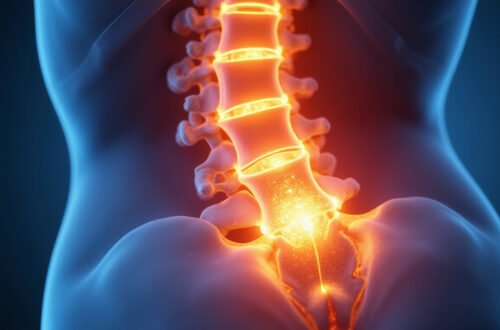
The sacroiliac joints sit where your spine meets your pelvis—one on each side, connecting the sacrum (the base of the spine) to the iliac bones (the large pelvic bones). These joints help transfer weight from your upper body to your legs and provide stability when you stand, walk, or climb stairs.
An SI joint injection is a minimally invasive procedure in which a doctor injects medication directly into the sacroiliac joint. It typically serves two purposes:
- Diagnostic: To see if the SI joint is the main source of your pain.
- Therapeutic: To reduce pain and inflammation with medications such as steroids.
Often, one injection can do both—if your pain improves significantly after the injection, it strongly suggests the SI joint is involved in your symptoms.
Why Doctors Recommend SI Joint Injections
SI joint pain can be tricky to diagnose because it mimics other conditions like herniated discs, sciatica, or hip problems. Your provider may recommend an SI joint injection if:
- You have persistent pain in the lower back, buttocks, hips, or groin.
- Pain worsens when standing, walking, climbing stairs, or twisting.
- Physical exam tests (like specific maneuvers that compress or stress the SI joint) trigger your symptoms.
- Imaging (X-ray, CT, or MRI) suggests SI joint degeneration, arthritis, or inflammation.
- Other treatments—like oral medications, rest, or physical therapy—haven’t provided enough relief.
In many cases, the injection is part of a broader treatment plan, not a standalone long-term solution.
Types of SI Joint Injections
While patients often use the term “SI joint injection” broadly, there are two main types:
1. Diagnostic SI Joint Injection
- Uses a local anesthetic (numbing medicine) only.
- Purpose: To confirm whether the SI joint is causing your pain.
- Expected effect: Rapid pain relief for a few hours if the joint is the pain source.
If your pain improves by at least 50–75% shortly after the injection, this strongly supports an SI joint diagnosis.
2. Therapeutic SI Joint Injection
- Uses a combination of local anesthetic and corticosteroid (a powerful anti-inflammatory).
- Purpose: To reduce inflammation and provide longer-lasting relief.
- Expected effect: Numbing effect within minutes, steroid effect over several days, with relief that may last weeks to months.
Sometimes, a diagnostic SI joint injection is followed by a therapeutic injection if the joint is confirmed as the pain generator.
How an SI Joint Injection Is Performed
An SI joint injection is usually done in an outpatient setting such as a pain clinic, surgery center, or hospital procedure room. Here’s what typically happens:
Before the Procedure
- Medical review: Your provider reviews your health history, medications, and any allergies.
- Blood thinners: You may need to pause certain blood-thinning medications (only under medical guidance).
- Fasting: Some centers ask you not to eat or drink for a few hours beforehand, especially if sedation is used.
- Consent: You’ll sign a consent form after discussing benefits and risks.
During the Procedure
You lie on your stomach (or occasionally on your side). The skin over your lower back and buttock area is cleaned with an antiseptic solution.
Then:
- Local numbing: The doctor injects a small amount of anesthetic into the skin to reduce discomfort.
- Imaging guidance: Using fluoroscopy (live X-ray) or sometimes CT or ultrasound, the doctor guides a thin needle toward the SI joint.
- Contrast dye: A small amount of contrast dye is injected to confirm the needle is accurately placed inside the joint space.
- Medication injection: The local anesthetic and, if therapeutic, steroid medication are injected.
The procedure usually takes 15–30 minutes, although setup and recovery time means you might be at the clinic for 1–2 hours total.
After the Procedure
You’ll spend a brief time in a recovery area:
- Staff monitor your vital signs.
- You may be asked to walk or move in ways that typically cause pain to gauge early response.
- You’ll need someone to drive you home, especially if sedation was used.
How Fast Does an SI Joint Injection Work?
Patients often want to know how quickly they’ll feel better after an SI joint injection, and for how long.
Immediate Effects
- The local anesthetic (like lidocaine or bupivacaine) can start working within minutes.
- If the SI joint is the main pain source, you may notice a sharp reduction in pain for several hours.
- This short-term response is crucial for diagnosing SI joint–related pain.
Short-Term to Long-Term Relief
- The anesthetic wears off after a few hours; pain may temporarily return or fluctuate.
- The steroid typically starts working within 24–72 hours.
- Pain relief can last:
- Several weeks in some people
- Several months in others
- Occasionally longer, depending on your condition, activity level, and overall health
Not everyone responds the same way. Some people experience minimal benefit, which may prompt your doctor to look for other pain sources.
Risks and Side Effects of SI Joint Injections
While an SI joint injection is generally considered safe, no procedure is completely risk-free. Discuss your individual risk profile with your provider, especially if you have multiple health conditions.
Common, Mild Side Effects
These typically resolve within a few days:
- Soreness or bruising at the injection site
- Temporary increase in pain after the anesthetic wears off
- A feeling of heaviness or numbness in the leg or buttock (short-lived)
Steroid-Related Side Effects
From the corticosteroid portion of the SI joint injection, you may experience:
- Flushed face or feeling warm
- Temporary rise in blood sugar (especially in people with diabetes)
- Sleep disturbance or mood changes
- Menstrual irregularities (in some women)
These are usually transient but important to discuss if you have diabetes, osteoporosis, or other hormone-sensitive conditions.
Rare but Serious Risks
Though uncommon, more serious complications are possible:
- Infection at the injection site or deeper within the joint
- Bleeding or hematoma formation
- Nerve injury or damage to surrounding structures
- Allergic reaction to the medications or contrast dye
If you develop fever, severe pain, weakness, numbness, or difficulty controlling your bladder or bowels after an injection, seek medical attention immediately.
For a detailed overview of safety and effectiveness, you can review clinical information from the American Society of Regional Anesthesia and Pain Medicine and related professional groups (source).
How Often Can You Get SI Joint Injections?
Guidelines typically recommend limiting the number of steroid-based SI joint injections in a year to reduce potential side effects from repeated steroid exposure.
Common practice:
- No more than 3–4 therapeutic steroid injections per year in a single joint region.
- Injections are usually spaced at least several weeks apart, based on your response and overall treatment plan.
If the first two injections provide minimal or short-lived relief, your provider may reconsider the diagnosis or discuss alternative treatments rather than continuing injections.
Recovery Tips After an SI Joint Injection
Most people resume light activity the same day or the next, but how you handle the first few days can affect comfort and, potentially, your results.
The First 24–48 Hours
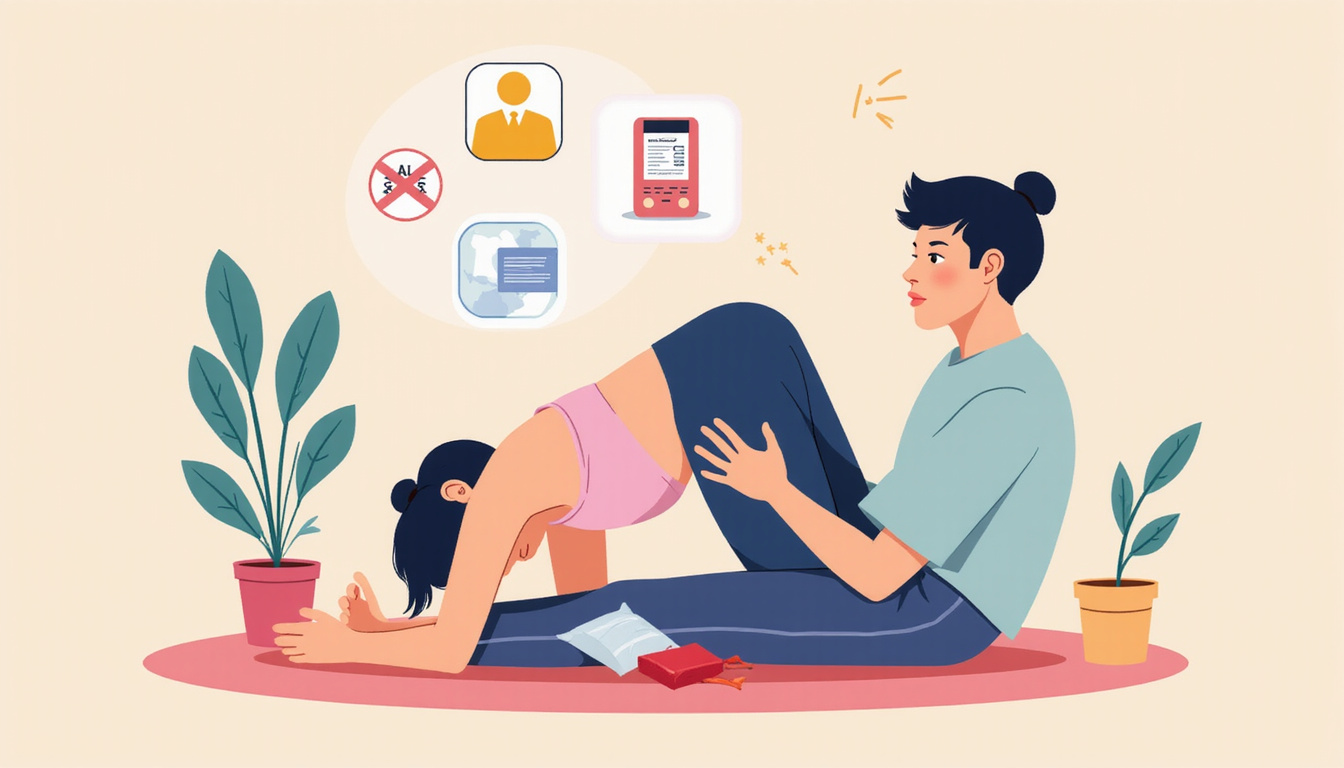
- Take it easy: Avoid heavy lifting, strenuous exercise, or high-impact activities.
- Use ice packs: Apply to the injection site for 15–20 minutes at a time to reduce soreness.
- Monitor symptoms: Keep track of how your pain changes; this information is valuable for your doctor.
- Stay hydrated: Proper hydration supports tissue healing and overall well-being.
Returning to Activity
- Gradually resume normal tasks over 2–3 days.
- Start with low-impact activities like gentle walking.
- Listen to your body—sharp or escalating pain is a signal to scale back.
Long-Term Recovery Strategy
The best results typically come when an SI joint injection is combined with a broader rehab plan:
- Physical therapy: To strengthen core, gluteal, and pelvic stabilizing muscles.
- Posture and ergonomics: Adjusting sitting, standing, and lifting habits.
- Weight management: If applicable, reducing pressure on the lower spine and joints.
- Flexibility work: Gentle stretching targeting hips, hamstrings, and lower back.
Working closely with a physical therapist or rehabilitation specialist can help you maintain the pain relief you gain from the injection.
Who Is a Good Candidate for an SI Joint Injection?
You may be a good candidate if:
- You have chronic low back, buttock, or hip pain suspected to be from the SI joint.
- Pain worsens with sitting-to-standing transitions, climbing stairs, or standing on one leg.
- Imaging or exam findings suggest:
- SI joint arthritis or degeneration
- Prior trauma to the pelvis
- Pregnancy-related SI joint strain
- Inflammatory conditions (like spondyloarthritis)
- You haven’t found lasting relief from:
- Over-the-counter or prescription pain medications
- Activity modification
- Physical therapy alone
People with active infections, uncontrolled bleeding disorders, or certain severe medical conditions may not be candidates. A thorough evaluation is essential.
Alternatives and Next Steps If Injections Don’t Work
If an SI joint injection doesn’t provide significant or lasting relief, your doctor may consider:
- Re-evaluation of diagnosis: To rule out lumbar disc, facet joint, or hip pathology.
- Radiofrequency ablation (RFA): Targeted heating of small nerves that carry pain signals from the SI joint, offering longer-term relief for some individuals.
- Bracing: Sacroiliac belts to support and stabilize the joint.
- Advanced rehab programs: Focused on core and pelvic stability, sometimes under a pain specialist’s guidance.
- SI joint fusion surgery: A more invasive option reserved for severe, confirmed SI joint disease that hasn’t responded to conservative care.
The right path depends on your specific condition, goals, and response to initial treatments.
Simple Checklist: Preparing for an SI Joint Injection
Use this list to get ready and feel more in control of the process:
- [ ] Confirm medication instructions, especially regarding blood thinners.
- [ ] Arrange a driver to take you home.
- [ ] Wear loose, comfortable clothing.
- [ ] Bring a list of all medications and allergies.
- [ ] Prepare questions about risks, benefits, and alternatives.
- [ ] Plan light activities only for the rest of the day.
FAQ About SI Joint Injections
How long does SI joint injection pain relief usually last?
Relief from an SI joint steroid injection can last anywhere from a few weeks to several months. Some patients experience short-term benefit, while others have more sustained improvement, especially when paired with physical therapy and lifestyle changes.
Are sacroiliac joint injections safe?
Sacroiliac joint injections are generally considered safe when performed by trained specialists using imaging guidance. Most side effects are mild and temporary, although rare risks like infection or nerve injury exist. Discuss your medical history thoroughly with your provider to minimize risk.
What should I avoid after a sacroiliac joint steroid injection?
After a sacroiliac joint steroid injection, avoid strenuous exercise, heavy lifting, and high-impact activities for at least 24–48 hours. Follow your provider’s specific instructions regarding activity, medications, and wound care to support optimal healing and pain relief.
Take the Next Step Toward SI Joint Pain Relief
Living with persistent lower back or buttock pain can drain your energy, limit your mobility, and affect every part of your day. An SI joint injection won’t solve every problem, but it can provide powerful diagnostic insight and meaningful pain relief—often fast. If your symptoms match those described here, or if prior treatments haven’t brought lasting improvement, talk with a spine or pain specialist about whether an SI joint injection fits your situation. With the right combination of targeted treatment, rehabilitation, and lifestyle strategies, you can move closer to the active, comfortable life you’ve been missing.