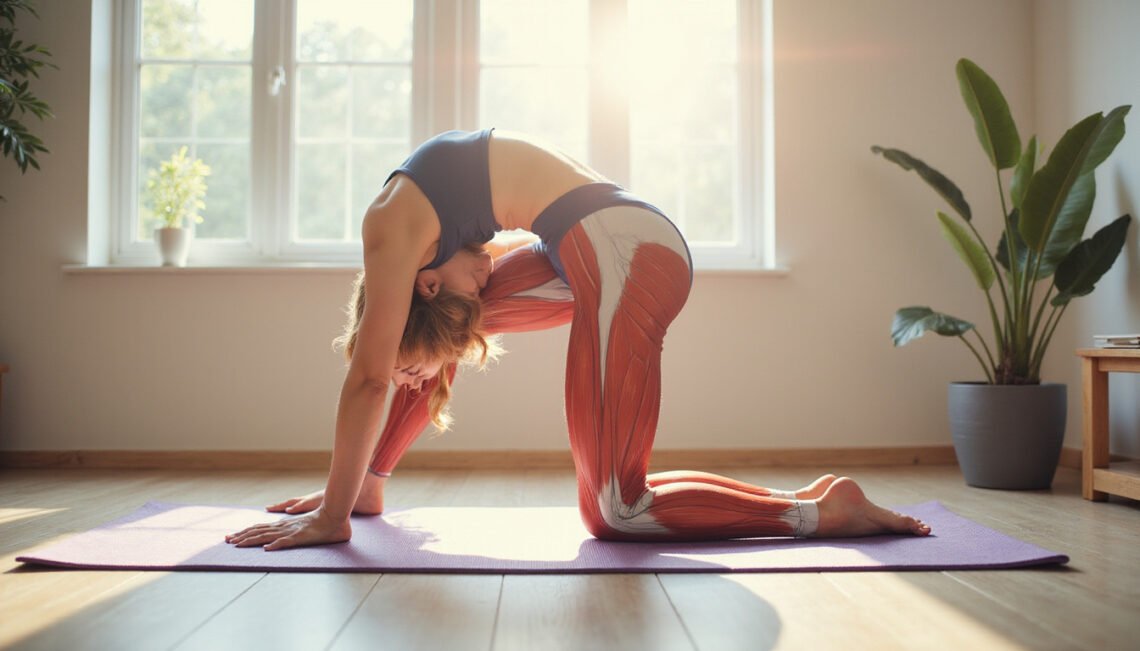
Hip pain can turn everyday movements—walking, sitting, climbing stairs—into a struggle. Whether it shows up as a sharp twinge when you stand, a dull ache after sitting, or stiffness in the morning, hip pain is your body’s way of saying something needs attention. The good news: many causes of hip pain can improve with the right combination of exercises, stretches, and simple lifestyle changes.
This guide walks you through proven, practical strategies you can start using today to help reduce pain, improve mobility, and protect your hips long-term.
Common Causes of Hip Pain
Understanding why your hip hurts is the first step toward fixing it. Some of the most common causes include:
1. Muscle Strain and Overuse
If you’ve recently increased your activity—running, cycling, walking longer distances—you may have irritated the muscles and tendons around the hip. Common culprits:
- Hip flexor strain (front of the hip)
- Gluteal strain (buttock area)
- Groin strain (inner thigh)
These usually cause pain during or after activity and may feel better with rest, but tend to return if the underlying weakness or tightness is not addressed.
2. Hip Bursitis
Bursae are small, fluid-filled sacs that cushion your joints. When the bursa over the outer hip (trochanteric bursa) becomes inflamed, you can get sharp or aching pain on the side of the hip, especially when lying on that side or climbing stairs.
3. Hip Osteoarthritis
With age or previous injury, the cartilage in the hip joint can wear down, leading to osteoarthritis. Symptoms include:
- Deep, aching pain in the groin, front of the hip, or buttock
- Stiffness, especially in the morning or after sitting
- Reduced range of motion (harder to tie shoes or cross legs)
According to the CDC, hip and other joint osteoarthritis is one of the leading causes of disability in adults (source: CDC – Osteoarthritis).
4. Labral Tears and Impingement
The labrum is a ring of cartilage that lines the hip socket. Tears or hip impingement (abnormal bone contact) can cause:
- Sharp or catching pain in the front of the hip or groin
- Clicking, locking, or a feeling of instability
- Pain with deep squats or prolonged sitting
5. Referred Pain
Sometimes hip pain isn’t coming from the hip itself. Lower back issues, sacroiliac (SI) joint problems, or even nerve irritation can send pain into the hip or buttock region.
If your pain is severe, sudden, associated with fever, inability to bear weight, or followed a major fall/trauma, seek urgent medical attention.
When to See a Professional About Hip Pain
Self-care has limits. Get evaluated by a doctor or physical therapist if:
- Hip pain lasts more than 2–3 weeks despite rest and basic care
- Pain wakes you up at night or worsens consistently
- You notice significant stiffness or loss of motion
- There’s visible swelling, redness, or deformity
- You have a history of cancer, unexplained weight loss, or fever with joint pain
A professional diagnosis ensures you’re doing the right exercises and not worsening an underlying condition.
Best Hip Stretches for Pain Relief and Mobility
Gentle stretching can reduce stiffness, improve range of motion, and take pressure off irritated tissues. Move slowly and avoid bouncing. Mild discomfort is okay; sharp pain is not.
1. Hip Flexor Stretch (Front of Hip)
Great for people who sit a lot.
- Kneel on your right knee, left foot in front, knee bent 90°.
- Keep your torso upright, gently shift your hips forward.
- You should feel a stretch in the front of the right hip.
- Hold 20–30 seconds, relax, repeat 2–3 times per side.
2. Glute Stretch (Figure-4)
Targets the muscles around the back of the hip.
- Lie on your back with knees bent.
- Cross your right ankle over your left knee (figure-4 position).
- Reach through and gently pull your left thigh toward your chest.
- Hold 20–30 seconds, repeat 2–3 times each side.
3. Piriformis Stretch (Deep Buttock)
Helpful if your pain radiates into the buttock.
- Sit on a firm surface.
- Place your right ankle over your left knee.
- Sit tall, then lean your torso forward from the hips.
- Hold 20–30 seconds, repeat 2–3 times each side.
4. Inner Thigh (Adductor) Stretch
- Sit with the soles of your feet touching, knees bent outward.
- Hold your ankles and gently let your knees drop toward the floor.
- Keep your back straight, lean slightly forward if comfortable.
- Hold 20–30 seconds, repeat 2–3 times.
Performing these stretches 1–2 times per day can significantly reduce hip stiffness over time.
Strengthening Exercises to Support the Hip Joint
Weak muscles force your hip joint to take more load, which can worsen hip pain. Strength training builds support for the joint, improves alignment, and enhances stability.
Aim for 2–3 non-consecutive days per week of these exercises.
1. Glute Bridge
Strengthens glutes and hamstrings, unloads the hip joint.
- Lie on your back with knees bent, feet hip-width apart.
- Tighten your core and squeeze your glutes.
- Lift hips until shoulders-hips-knees form a straight line.
- Hold 2–3 seconds, lower slowly.
- Do 2–3 sets of 10–15 reps.
2. Clamshells
Targets gluteus medius, crucial for hip stability.
- Lie on your side, hips and knees bent, feet stacked.
- Keep heels together, open your top knee like a clamshell.
- Don’t roll your pelvis backward; move from the hip only.
- Slowly lower.
- Do 2–3 sets of 10–15 reps per side.
3. Standing Hip Abduction
Improves lateral hip strength for walking and balance.
- Stand tall, holding a chair or wall for support.
- Keeping toes facing forward, lift your leg out to the side.
- Avoid leaning your trunk; movement should come from the hip.
- Slowly lower.
- Do 2–3 sets of 10–15 reps per side.
4. Mini Squats (If Tolerated)
Builds strength in glutes, quads, and hips.
- Stand with feet hip- to shoulder-width apart.
- Sit your hips back slightly as you bend your knees a little (only as far as comfortable).
- Keep knees aligned with toes, chest lifted.
- Push through your heels to stand up.
- Do 2–3 sets of 8–12 reps.
5. Side-Stepping with Band (Optional)
If you have a resistance band:
- Place a mini-band around your thighs or ankles.
- Slightly bend your knees and hinge at the hips.
- Step sideways, maintaining band tension, then bring the other foot in.
- Take 8–10 steps each direction, repeat 2–3 times.
Always prioritize good form over heavier resistance or more repetitions.

Daily Habits That May Be Making Hip Pain Worse
Even the best exercises can’t fully counteract daily habits that constantly irritate your hips. Some to watch for:
- Prolonged sitting: Tightens hip flexors and weakens glutes. Try to stand or walk briefly every 30–60 minutes.
- Crossing your legs: Can stress the outer hip structures, especially with bursitis. Sit with feet flat when possible.
- Poor posture: Slouching can alter pelvic alignment and hip mechanics. Aim for a neutral spine.
- Unsupportive shoes: Worn-out shoes or high heels can change your gait and load the hips unevenly. Choose supportive footwear.
- “Weekend warrior” workouts: Being inactive all week and then doing intense activity increases strain and injury risk.
Small adjustments to how you sit, stand, walk, and work can significantly reduce recurring pain.
Lifestyle Fixes to Protect and Support Your Hips
A holistic approach—movement, environment, and overall health—offers the best protection against chronic hip pain.
1. Optimize Your Workstation
If you work at a desk:
- Adjust chair height so hips are level with or slightly above knees.
- Keep feet flat on the floor or on a footrest.
- Use a lumbar support or small cushion for your lower back.
- Consider a sit-stand desk to alternate positions.
2. Maintain a Healthy Weight
Every additional pound adds extra load to your hips. Even modest weight loss—5–10% of your body weight—can significantly reduce joint pain and improve function in people with osteoarthritis.
Focus on:
- Whole foods (vegetables, fruits, lean proteins, whole grains)
- Reducing sugary beverages and ultra-processed foods
- Consistent, moderate activity
3. Choose Joint-Friendly Activities
High-impact sports can aggravate hip pain. Favor lower-impact options, especially during flare-ups:
- Walking on flat surfaces
- Swimming or water aerobics
- Cycling or stationary biking
- Elliptical machines
Gradually progress intensity and duration; avoid sudden jumps in activity levels.
4. Improve Sleep Position
Nighttime hip pain can be reduced with simple changes:
- Side sleepers: Place a pillow between your knees to align hips and spine.
- Back sleepers: Put a small pillow under your knees to ease hip and back strain.
- Avoid sleeping directly on the painful hip, or use a thicker mattress topper for more cushioning.
5. Use Ice or Heat Strategically
- Ice (10–15 minutes): Best for recent injuries or after activity if the hip feels inflamed or sore.
- Heat (10–20 minutes): Helpful for chronic stiffness or tight muscles before stretching.
Protect your skin with a cloth and avoid using ice/heat on areas with poor sensation.
Sample Daily Plan for Managing Hip Pain
Here’s a simple structure you can adapt:
-
Morning (5–10 minutes)
- Gentle hip flexor and glute stretches
- 1–2 sets of glute bridges
-
Midday (work break, 5 minutes)
- Short walk
- 1–2 sets of standing hip abduction or clamshells
-
Evening (10–15 minutes)
- Piriformis and inner thigh stretches
- Light heat before, or ice after, activity if needed
Consistency is more important than intensity. Small, daily efforts compound into significant improvements.
FAQ About Hip Pain and Movement
1. What exercises should I avoid with hip joint pain?
Avoid exercises that significantly increase your hip pain during or after the activity. Common offenders:
- Deep squats or lunges beyond your comfortable range
- High-impact jumping or running on hard surfaces
- Heavy leg presses or weighted squats if they cause joint pain (not just muscle effort)
If an exercise causes sharp, catching, or deep joint pain, stop and ask a professional for modifications or alternatives.
2. Can stretching alone fix chronic hip pain?
Stretching can reduce stiffness and provide short-term relief, but chronic hip pain often stems from both tightness and weakness. Strengthening the glutes, core, and surrounding muscles is usually necessary to correct imbalances, support the joint, and prevent symptoms from returning.
3. How long does it take for hip pain to go away with exercises?
For mild to moderate hip pain, many people notice improvement within 2–4 weeks of consistent stretching and strengthening. For osteoarthritis or long-standing issues, meaningful changes in strength, mobility, and pain may take 8–12 weeks or more. Progress is usually gradual—less frequent flare-ups, more pain-free movement, better function over time.
Take Control of Your Hip Health Today
Hip pain doesn’t have to dictate how you move, work, or enjoy your life. By combining targeted stretches, smart strengthening exercises, and simple lifestyle changes, you can reduce pain, restore mobility, and protect your hips for the long term.
Start small: pick 2–3 stretches and 2–3 strengthening exercises from this guide and do them consistently for the next two weeks. Pay attention to which movements feel best and slowly build from there. If your pain is persistent, worsening, or limiting your daily activities, don’t wait—consult a healthcare provider or physical therapist to get a personalized plan.
Your hips carry you through every step of your day. Invest a few minutes each day in them now, and you’ll gain more comfortable movement, better strength, and greater freedom in the months and years ahead.