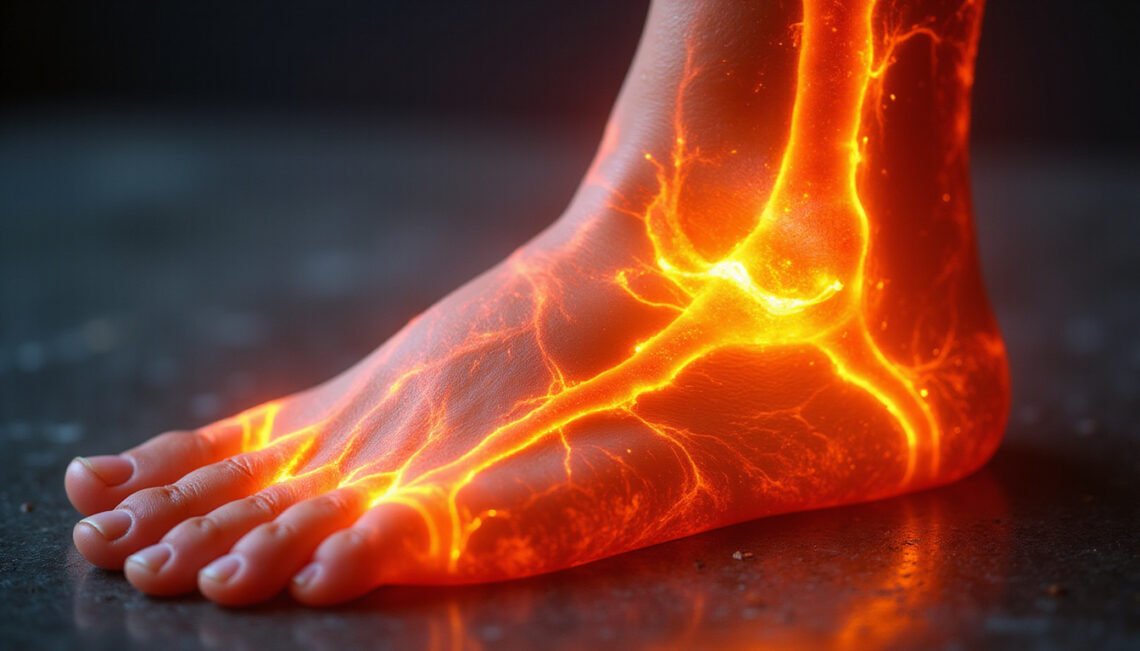
Burning Leg Pain: Surprising Causes, Fast Relief, and Prevention Tips
Burning leg pain can be alarming, especially when it appears suddenly or keeps coming back without a clear reason. Whether it feels like your leg is on fire, tingling, or painfully hot from the inside, understanding what’s behind burning leg pain is the first step toward relief. In this guide, you’ll learn the most common (and surprising) causes, what you can do right now to ease symptoms, and how to prevent future flare-ups.
What Does Burning Leg Pain Feel Like?
People describe burning leg pain in different ways, but common sensations include:
- A hot, searing, or “on fire” feeling
- Tingling, pins and needles, or “electric” pain
- Stabbing or shooting pain that travels down the leg
- Hypersensitivity to touch or temperature
- Weakness or heaviness in the leg along with burning
Burning pain is often a sign of nerve irritation or damage, though muscles, joints, and blood vessels can also be involved.
Immediate red flags: get urgent medical care or call emergency services if you have burning leg pain with:
- Sudden inability to move your leg or foot
- Loss of bladder or bowel control
- Severe leg pain with chest pain, shortness of breath, or coughing blood
- A very swollen, red, warm leg—especially just one side
These can signal serious conditions like spinal cord compression, blood clots, or heart/lung emergencies and should not be ignored.
Surprising Causes of Burning Leg Pain
Many people assume burning leg pain always comes from a pulled muscle or “bad circulation,” but the reality is more complex. Here are some common and less obvious causes.
1. Sciatica and Nerve Root Irritation
Sciatica refers to pain from irritation of the sciatic nerve, the large nerve running from your lower back down your legs. It often causes burning or electric pain down the buttock, back of the thigh, and into the calf or foot.
Common triggers:
- Herniated disc in the lower spine
- Degenerative disc disease
- Spinal stenosis (narrowing of the spinal canal)
- Piriformis syndrome (tight buttock muscle compressing the nerve)
You might notice:
- Burning pain worse when sitting, coughing, or bending
- Numbness or tingling in the leg or foot
- Weakness when trying to lift the foot
2. Peripheral Neuropathy (Nerve Damage in the Legs)
Peripheral neuropathy occurs when nerves in your legs are damaged or irritated. It often causes burning, tingling, and numbness beginning in the feet and moving upward.
Common causes:
- Diabetes (the most common cause in adults)
- Vitamin B12 deficiency
- Excessive alcohol use
- Certain medications (including some chemotherapy drugs)
- Autoimmune diseases or infections
People with diabetic neuropathy, for example, frequently describe intense burning leg pain, particularly at night. Over time, untreated neuropathy can lead to balance issues and serious foot problems (source: National Institute of Neurological Disorders and Stroke).
3. Restless Legs Syndrome (RLS)
Restless Legs Syndrome is known for causing uncomfortable leg sensations and an irresistible urge to move, especially at night. While many describe “crawling” or “pulling,” others feel burning in the legs.
Typical signs:
- Burning, creeping, or pulling sensations in the legs
- Symptoms worsen during rest, especially in the evening
- Relief with movement, walking, or stretching
- Trouble falling or staying asleep
RLS can be linked to iron deficiency, kidney disease, pregnancy, or certain medications, but sometimes the cause is unknown.
4. Circulation Problems and Blood Clots
Issues with blood flow can also trigger burning sensations in the legs:
- Peripheral artery disease (PAD): Narrowed arteries reduce blood flow, causing cramping, burning, or aching pain when walking that improves with rest.
- Chronic venous insufficiency: Poor vein function may cause heaviness, burning, or throbbing with swelling and visible varicose veins.
- Deep vein thrombosis (DVT): A blood clot in a deep leg vein can cause sudden swelling, warmth, redness, and pain (sometimes burning). This is a medical emergency because clots can travel to the lungs.
5. Muscle Overuse, Strain, and “Weekend Warrior” Injuries
Not all burning leg pain is nerve-related. Overworked or injured muscles can develop lactic acid buildup, minor tears, or inflammation.
Common scenarios:
- Jumping into intense exercise after being inactive
- Long runs, hikes, or bike rides without proper training
- High-intensity workouts that overload the calves or thighs
Symptoms:
- Burning during or after activity
- Soreness, stiffness, or tightness
- Localized tenderness in a specific muscle group
These cases often improve with rest, stretching, and gradual return to activity.
6. Spinal Issues Beyond Sciatica
Problems higher up in the spine can also produce burning leg pain:
- Lumbar spinal stenosis: Narrowing of spinal spaces can compress multiple nerves, causing burning, weakness, or heaviness in both legs, worse when standing or walking and better when sitting or leaning forward.
- Spondylolisthesis: One vertebra slips over another, irritating nerves and causing burning pain down the legs.
These conditions are more common with aging and wear-and-tear but can affect younger adults, especially athletes.
7. Skin and Soft Tissue Conditions
Sometimes the source is very close to the surface:
- Shingles: A burning, tingling sensation followed by a painful blistering rash on one side of a leg along a nerve path.
- Cellulitis: A skin infection that causes heat, redness, swelling, and pain (sometimes burning).
- Contact dermatitis or allergic reactions: Can cause burning, itching, and redness where the skin contacts an irritant.
When to See a Doctor About Burning Leg Pain
You don’t need to self-diagnose every twinge, but you should contact a healthcare provider promptly if you notice:
- Burning leg pain that is severe, persistent, or worsening over days or weeks
- Pain that affects sleep, walking, or daily activities
- Numbness, weakness, or changes in foot or toe movement
- A history of diabetes or nerve disease with new or worsening symptoms
- Signs of infection: fever, redness, heat, and swelling
- Sudden swelling, warmth, and pain in one leg (possible blood clot)
Your doctor may order blood tests, nerve studies (EMG), ultrasound of the veins, or imaging (X-ray, MRI) to identify the cause.
Fast Relief Strategies for Burning Leg Pain
While it’s important to address the underlying cause, there are steps you can take now to reduce discomfort. Always adjust these to your specific condition and doctor’s advice.
1. Reset Your Position and Support
- Avoid long periods of sitting or standing in one posture.
- Use a footrest or small box if standing at a counter for long stretches.
- Sit with hips and knees at 90 degrees; avoid crossing your legs.
- Consider a lumbar support pillow to keep your spine more neutral.
Changing your alignment can decrease pressure on nerves and blood vessels.
2. Use Hot and Cold Therapy
- Cold packs (10–20 minutes): Helpful if pain is new, inflammatory, or after exercise. Wrap ice in a cloth—never apply directly to skin.
- Warm packs or warm baths: Useful for chronic tension or stiffness, such as in sciatica or muscle tightness.
Avoid extreme temperatures if you have neuropathy and reduced sensation, as you may not feel burns or frostbite.
3. Gentle Stretching and Movement
If your pain allows, gentle movement often soothes burning leg pain by improving blood flow and relieving nerve tension.
Try:
- Calf stretches against a wall
- Hamstring stretches (seated or lying with a strap/towel)
- Hip flexor stretches
- Short, frequent walks instead of long, exhausting sessions
Stop if pain sharply increases or you feel sudden weakness.

4. Elevation and Compression (When Appropriate)
For swelling or vein-related discomfort:
- Elevate your legs above heart level for 15–20 minutes several times a day.
- Use medically approved compression stockings if recommended by your doctor.
Do not use compression if you suspect a blood clot or have severe arterial disease unless guided by a physician.
5. Over-the-Counter Pain Relief
Non-prescription options may include:
- Acetaminophen for general pain relief
- NSAIDs (ibuprofen, naproxen) for pain linked to inflammation
Always follow package directions and check with your doctor if you have kidney issues, stomach ulcers, bleeding disorders, or take blood thinners.
6. Topical Creams and Gels
Some people find temporary relief using:
- Capsaicin creams
- Lidocaine patches or gels
- Menthol-based “cooling” creams
These may dull nerve signals or alter pain perception at the skin level.
Long-Term Prevention Tips for Burning Leg Pain
Once your current episode improves, focus on long-term strategies to reduce recurrence and protect your nerves and circulation.
1. Protect Your Nerves (Especially If You Have Diabetes)
- Maintain stable blood sugar levels through diet, medication, and monitoring.
- Get regular foot and leg checks from a healthcare provider.
- Avoid smoking, which damages blood vessels and nerves.
- Ensure adequate B vitamins (particularly B12) through diet or supplements if recommended.
2. Build a Balanced Exercise Routine
A mix of aerobic, strength, and flexibility work can reduce many causes of burning leg pain:
- Aerobic: Walking, cycling, or swimming 3–5 days a week improves circulation.
- Strength: Focus on glutes, core, and leg muscles to support your spine and joints.
- Flexibility: Gentle daily stretching for hips, hamstrings, and calves.
Progress gradually to avoid overuse injuries. If you’re unsure where to start, a physical therapist can design a tailored program.
3. Optimize Your Work and Home Setups
- Use an ergonomic chair with good lumbar support.
- Adjust your desk to keep screens at eye level and avoid slouching.
- Take micro-breaks every 30–60 minutes to stand, stretch, and walk briefly.
- Use supportive shoes, especially on hard floors.
These small changes reduce strain on the spine and lower extremities.
4. Maintain a Healthy Weight and Heart Health
Excess weight increases load on joints and spine and can worsen conditions like sciatica, arthritis, and venous disorders.
Helpful steps:
- Prioritize whole foods: vegetables, fruits, lean proteins, whole grains, and healthy fats.
- Limit added sugars and ultra-processed foods.
- Monitor blood pressure, cholesterol, and blood sugar regularly.
5. Sleep Hygiene and Restless Legs Management
If burning leg pain worsens at night:
- Keep a consistent sleep and wake time.
- Avoid caffeine and nicotine later in the day.
- Try a relaxing pre-bed routine: gentle stretching, warm bath, or breathing exercises.
- Ask your doctor about iron studies or other tests if you suspect Restless Legs Syndrome.
Simple Checklist for Managing Burning Leg Pain
Use this quick list to guide your next steps:
- Assess severity: Any red-flag symptoms? If yes, seek urgent care.
- Note patterns: When does burning leg pain start, what makes it better or worse?
- Try gentle relief: Position changes, stretching, hot/cold, elevation as appropriate.
- Review underlying risks: Diabetes, recent heavy exercise, new medications, long travel, or standing.
- Plan follow-up: Schedule a visit with a healthcare provider if symptoms persist, worsen, or affect daily life.
FAQ About Burning Leg Pain
Why do I get burning pain in legs at night?
Nighttime burning pain in the legs is common with conditions like peripheral neuropathy and Restless Legs Syndrome. Reduced distractions, lower activity, and changes in blood flow can make nerve-related symptoms more noticeable at night. If burning leg pain regularly disrupts your sleep, have your doctor check for diabetes, vitamin deficiencies, iron deficiency, and medication side effects.
What causes burning sensation in thigh and leg without injury?
A burning sensation in the thigh and leg without a clear injury is often linked to nerve issues, such as sciatica, meralgia paresthetica (nerve compression in the thigh), or early peripheral neuropathy. Circulation problems or spinal changes can also be involved. Because the causes vary widely, persistent symptoms warrant a medical evaluation.
How can I relieve burning pain in my lower legs safely at home?
To ease burning pain in the lower legs, you can try brief walks, gentle calf and hamstring stretches, leg elevation, and hot or cold packs (if safe for your skin). Over-the-counter pain relievers and topical creams may help short term. However, if burning leg pain is new, severe, linked with swelling or redness, or you have a condition like diabetes or vascular disease, speak with a healthcare provider before relying solely on home care.
Take the Next Step Toward Relief
Burning leg pain is more than just an annoyance—it’s a signal from your body that something needs attention. Whether it’s nerve irritation, circulation issues, or muscle strain, ignoring it can allow problems to worsen over time. Start by tracking your symptoms, trying simple relief measures, and most importantly, scheduling a conversation with a qualified healthcare professional. With the right diagnosis and a targeted plan, you can calm the burning, protect your long-term leg and nerve health, and get back to moving with confidence.