Posterior Thigh Pain: Causes, Exercises, and Fast Relief Strategies
Posterior thigh pain can range from a nagging ache to a sharp, disabling sensation that stops you mid‑stride. Whether you’re a runner, recreational athlete, or you sit at a desk all day, understanding what’s behind posterior thigh pain – and how to treat it – is critical to staying active and preventing long‑term problems.
This guide walks through the most common causes, what your symptoms might mean, evidence‑based exercises, and fast relief strategies you can start using today.
What Is Posterior Thigh Pain?
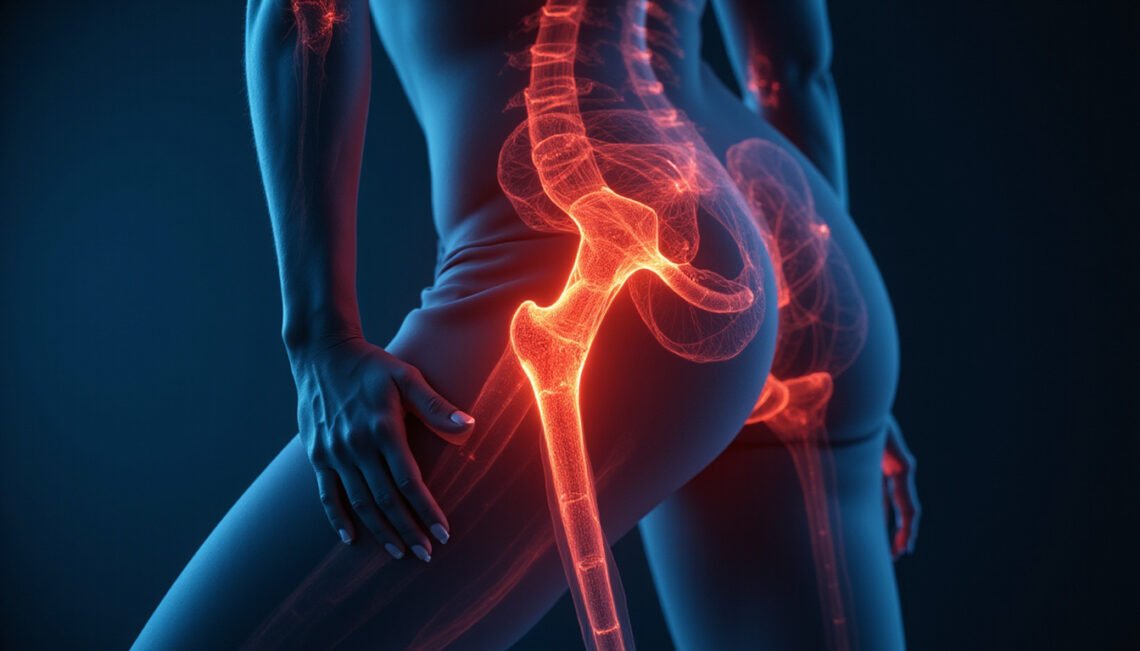
Posterior thigh pain is discomfort felt anywhere along the back of your upper leg, from the crease of your buttock down toward the back of the knee. It’s most often related to the hamstring muscles and their tendons, but can also come from the sciatic nerve, hip, or lower back.
Key features can include:
- Dull ache or tightness at the back of the thigh
- Sharp pain with sprinting, kicking, or bending forward
- Pain when sitting or rising from a chair
- Stiffness after prolonged sitting or first thing in the morning
Knowing the pattern of your pain is the first step in identifying its cause.
Common Causes of Posterior Thigh Pain
Several structures can generate pain in the back of the thigh. Here are the most frequent culprits.
1. Hamstring Muscle Strain
A hamstring strain is one of the most common sports injuries, especially in runners, soccer players, and sprinters. It typically happens during rapid acceleration, deceleration, or a sudden stretch.
Typical signs:
- Sudden sharp pain at the back of the thigh during activity
- Possible “pop” sensation
- Bruising or swelling in the following days
- Pain when walking fast, running, or bending over
Severity ranges from a mild muscle pull (grade I) to a partial or complete tear (grade II or III).
2. Proximal Hamstring Tendinopathy
Instead of a sudden injury, proximal hamstring tendinopathy develops gradually where the hamstring tendons attach to the “sit bone” (ischial tuberosity).
Typical signs:
- Deep ache in the lower buttock and upper posterior thigh
- Pain worse with sitting, especially on firm chairs
- Pain when running, especially uphill or at faster speeds
- Tenderness near the sit bone
This condition is common in endurance runners and athletes with high training volumes.
3. Referred Pain from the Lower Back or Sciatic Nerve
The sciatic nerve runs from your lower back through the buttock and down the back of the leg. Irritation of this nerve (sciatica) or issues in the lumbar spine can refer pain into the posterior thigh.
Typical signs:
- Burning, shooting, or electric pain down the back of the leg
- Numbness, tingling, or weakness in the leg or foot
- Pain aggravated by coughing, sneezing, or prolonged sitting
- Lower back pain may or may not be present
Conditions like lumbar disc herniation or spinal stenosis can cause this pattern (source: American Academy of Orthopaedic Surgeons).
4. Ischial Bursitis
A small fluid‑filled sac (bursa) sits between the hamstring tendon and the sit bone. If it becomes inflamed, it can mimic hamstring pain.
Typical signs:
- Pain directly over the sit bone, sometimes radiating into the posterior thigh
- Worse after prolonged sitting on hard surfaces
- Local tenderness to touch
5. Other Less Common Causes
Less frequently, posterior thigh pain can result from:
- Adductor magnus strain (inner‑back thigh muscle)
- Stress fracture of the femur
- Entrapment of smaller nerves in the gluteal region
- Systemic conditions like inflammatory arthritis
Persistent or worsening pain always warrants medical evaluation to rule out serious issues.
When to See a Doctor or Physical Therapist
Seek prompt professional evaluation if you experience:
- Sudden, severe pain with inability to bear weight
- Visible deformity or large swelling/bruising
- Significant weakness in the leg
- Numbness, tingling, or loss of bowel/bladder control
- Pain that does not improve at all after 1–2 weeks of self‑care
For ongoing or recurrent posterior thigh pain, a physical therapist or sports medicine physician can:
- Perform a detailed movement and strength assessment
- Identify the exact source of pain
- Develop a tailored rehab and exercise plan
- Advise on safe return to sport or training
Fast Relief Strategies for Posterior Thigh Pain
While you address the underlying cause, these strategies can offer quicker relief from posterior thigh pain.
1. Relative Rest – Not Total Inactivity
Completely stopping all activity can lead to stiffness and weakness, making recovery slower. Instead:
- Avoid high‑load, painful activities (sprinting, deep stretching, heavy lifting).
- Maintain low‑impact movement as tolerated: walking, gentle cycling, pool walking.
- Use pain as your guide – mild discomfort (2–3/10) is usually acceptable, sharp pain is not.
2. Cold and Heat
In the first 48–72 hours after an acute strain:
- Apply an ice pack to the painful area for 10–15 minutes, up to 3–4 times daily.
- Always use a thin cloth between ice and skin.
For chronic or tight posterior thigh pain:
- Use a warm pack or warm shower for 10–15 minutes before exercise.
- Heat can reduce stiffness and improve blood flow.
3. Gentle Positioning for Pain Relief
To unload painful tissues:
- Lie on your back with knees bent and feet on a chair
- Sit with a small cushion under your thighs instead of directly on the sit bones
- If sciatica is involved, a slight reclined sitting posture may be more comfortable than upright
Experiment to find positions that ease your posterior thigh pain.
4. Over‑the‑Counter Medication (If Appropriate)
Non‑prescription pain relievers like acetaminophen or non‑steroidal anti‑inflammatory drugs (NSAIDs) may help short term. Use only as directed and check with your healthcare provider, especially if you have other medical conditions or take regular medications.
Best Exercises for Posterior Thigh Pain
Targeted exercise is the most important long‑term strategy for treating and preventing posterior thigh pain. The right program will:
- Restore flexibility
- Improve strength through the full range of motion
- Build load tolerance in the hamstrings, glutes, and core
- Reduce risk of re‑injury
Below are general guidelines. If any exercise significantly increases your pain during or the next day, reduce the intensity or stop and consult a professional.
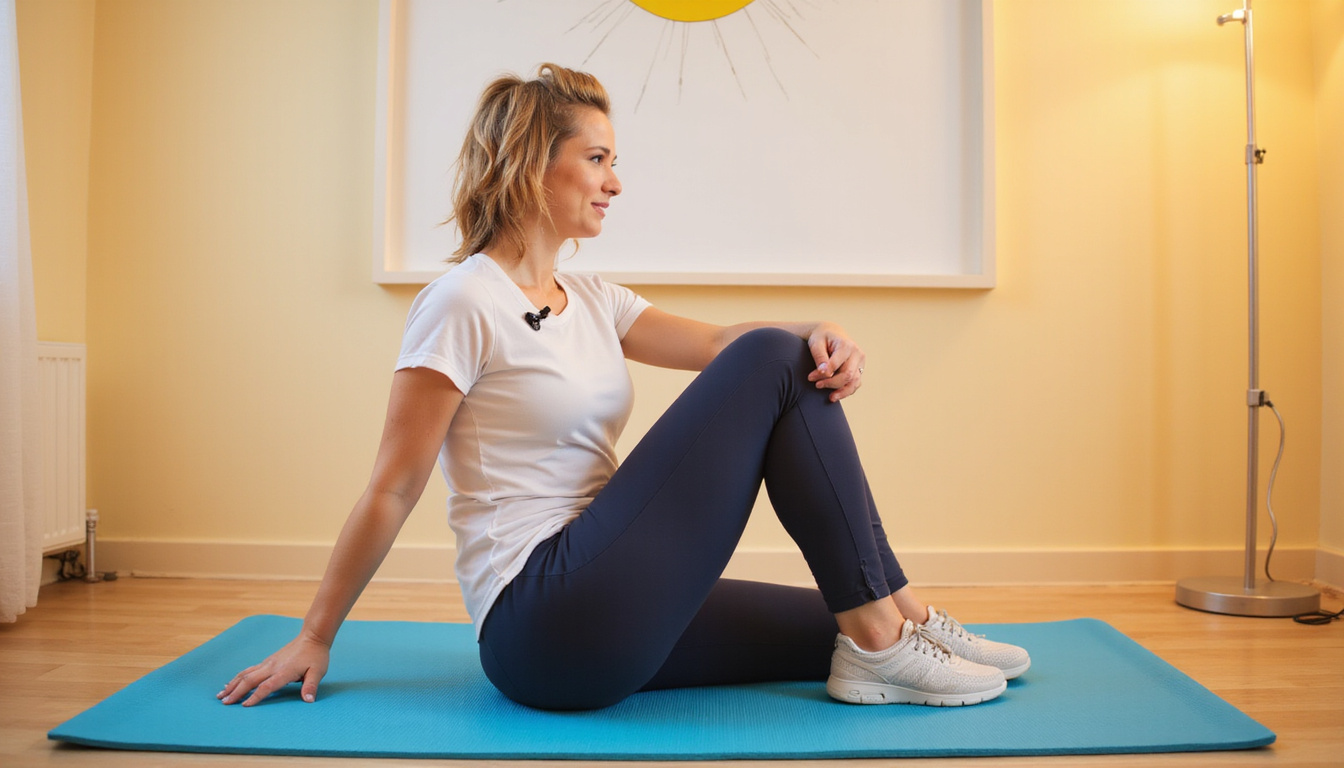
1. Gentle Mobility and Stretching (Early Phase)
Use these when pain is more acute or movement feels stiff.
a) Supine Hamstring Nerve Glide (for sciatica‑type pain)
- Lie on your back with one leg straight and the other bent.
- Hold behind the bent thigh and gently straighten the knee until you feel a mild stretch (not sharp pain or tingling).
- Hold 1–2 seconds, then bend again.
- Repeat 10–15 reps each side.
b) Supported Hamstring Stretch
- Place your heel on a low step or chair.
- Keep your back straight and hinge forward from the hips just until you feel a gentle stretch at the back of the thigh.
- Hold 20–30 seconds, 2–3 times each side.
- Avoid bouncing or forcing into pain.
2. Isometric Strengthening (Pain‑Friendly Loading)
Isometrics (contracting the muscle without movement) can reduce pain and maintain strength.
a) Hamstring Bridge Hold
- Lie on your back, knees bent, feet hip‑width.
- Gently lift your hips so your body forms a straight line from shoulders to knees.
- Squeeze glutes and hamstrings; avoid arching the lower back.
- Hold 10–20 seconds, rest, repeat 5 times.
b) Heel Dig Isometric
- Lie on your back with knees bent about 90°.
- Dig your heels into the floor as if dragging them toward your buttocks, but don’t actually move.
- Hold the contraction 5–10 seconds, relax.
- Repeat 8–10 reps.
3. Progressive Strengthening (Intermediate Phase)
As pain improves, gradually challenge the hamstrings through a range of motion.
a) Romanian Deadlift (RDL) – Bodyweight or Light Weight
- Stand tall with feet hip‑width, knees slightly bent.
- Hinge at the hips, sending them back while keeping your back flat and shins relatively vertical.
- Lower until you feel a stretch in the hamstrings, then return to standing by driving hips forward.
- Start with 2–3 sets of 8–10 reps.
b) Single‑Leg Bridge
- Lie on your back, one knee bent, other leg straight.
- Push through the bent leg to lift hips off the ground.
- Keep pelvis level; the straight leg stays in line with your torso.
- 2–3 sets of 6–8 reps each side.
4. Advanced and Sport‑Specific Exercises
For athletes or those returning to running, plyometric and eccentric strengthening is key for preventing recurrent posterior thigh pain.
a) Nordic Hamstring Curl (Advanced)
- Kneel on a soft surface with ankles held down (by a partner or under a sturdy object).
- Keeping your body straight from knees to head, slowly lean forward, resisting the fall with your hamstrings.
- Catch yourself with your hands, then push back up to start.
- Begin with very small ranges and low volume (1–2 sets of 4–5 reps).
b) Running Drills
Once basic strength is restored and pain is minimal, gradually reintroduce:
- Short, easy jogs on flat surfaces
- High‑knees and butt‑kicks at low intensity
- Stride‑outs with gradual build‑up of speed
Increase distance and intensity week by week, not day by day.
Daily Habits to Prevent Posterior Thigh Pain
In addition to targeted exercise, everyday habits can lower your risk of recurring posterior thigh pain.
- Warm up properly: 5–10 minutes of light cardio plus dynamic stretches before sport.
- Increase training gradually: Follow the 10% rule – don’t increase weekly mileage or training volume by more than about 10%.
- Strength train regularly: Include hamstring, glute, and core exercises 2–3 times per week.
- Optimize sitting posture: Avoid long periods of uninterrupted sitting; stand and walk briefly every 30–60 minutes.
- Use appropriate footwear: Especially important for runners to reduce excessive strain up the kinetic chain.
- Listen to early warning signs: Tightness, mild twinges, or stiffness that keep recurring are signals to back off and address the cause.
FAQ About Posterior Thigh Pain
1. Why do I get posterior thigh pain when running?
Posterior thigh pain when running is commonly due to hamstring overload, either from a mild strain or from proximal hamstring tendinopathy. Sudden increases in mileage, speed work, hills, or inadequate recovery all raise the load on the hamstrings. Weak glutes, tight hip flexors, and poor running form can also shift extra stress to the back of the thigh.
2. How do I know if my back of thigh pain is from a pulled hamstring or sciatica?
A pulled hamstring typically causes localized pain in the muscle, often with a clear moment of injury during activity. It hurts when you stretch or contract the hamstrings. Sciatic nerve‑related back of thigh pain is more likely to feel burning or electric, may radiate below the knee, and can be accompanied by numbness or tingling. Movements of the spine (bending, coughing, sitting) often aggravate sciatica more than a straightforward muscle strain.
3. What is the best exercise for chronic back of thigh pain?
For chronic back of thigh pain linked to hamstring tendinopathy, the most effective exercises usually involve progressive hamstring strengthening, especially eccentric work like Romanian deadlifts and, in later stages, Nordic curls. Combined with glute and core strengthening and gradual return to running or sport, this approach has strong support in sports medicine research for reducing pain and preventing recurrence.
Posterior thigh pain doesn’t have to derail your training or limit your daily life. By understanding the underlying cause, using intelligent short‑term pain relief strategies, and committing to a structured exercise program, you can not only calm the current flare‑up but also build resilience for the future.
If your posterior thigh pain is persistent, severe, or keeps returning, don’t wait for it to “just go away.” Reach out to a qualified physical therapist or sports medicine professional for a personalized assessment and rehab plan. The sooner you address it with the right strategy, the sooner you can get back to moving confidently and doing the activities you love.