
If you’re living with ongoing back pain, choosing the right back pain clinic can be the difference between temporary relief and long-term change. Chronic discomfort affects how you work, sleep, and enjoy time with the people you love. This guide will walk you through what to look for in a back pain clinic, the treatments that actually work, and how to actively participate in your own recovery.
Understanding chronic back pain (and when to see a clinic)
Not all back pain is the same. Some aches resolve on their own with rest and gentle movement. Chronic back pain usually means:
- Pain lasting more than 3 months
- Repeated flare-ups that never fully go away
- Discomfort that interferes with work, sleep, exercise, or daily tasks
Common causes include:
- Disc problems (bulging, herniated, degenerated discs)
- Arthritis of the spine
- Spinal stenosis (narrowing of the spinal canal)
- Muscle or ligament strain
- Poor posture and weak core muscles
- Previous injuries or surgeries
You should strongly consider visiting a back pain clinic if:
- Your pain has lasted longer than 6–8 weeks
- It’s getting worse instead of better
- You feel numbness, tingling, or weakness in legs or feet
- Pain wakes you at night or limits walking/sitting/standing
- Over-the-counter painkillers and rest don’t help
A specialized clinic is designed to go beyond short-term fixes. It aims to find the root cause and offer a structured plan to restore function and reduce pain.
What a high-quality back pain clinic should offer
Not all clinics are created equal. The best ones share several key features:
1. A multidisciplinary team
Back pain is rarely “just” one thing, so a team approach works best. Look for clinics that have access to several professionals, such as:
- Physicians specializing in spine, pain management, or physical medicine
- Physical therapists
- Chiropractors or osteopaths (depending on your preference and condition)
- Pain psychologists or counselors
- Nutritionists (where relevant)
This team can look at your pain from multiple angles—physical, emotional, and lifestyle-related.
2. Thorough assessment and diagnosis
A reputable back pain clinic won’t rush you from symptom to treatment. Instead, they should:
- Take a detailed history (when pain started, what makes it better/worse, previous injuries)
- Perform a hands-on physical exam (mobility, strength, posture, nerve tests)
- Review or order imaging only when appropriate (X-ray, MRI, CT)
Evidence shows that routine imaging for back pain isn’t always necessary and can even lead to over-treatment when not used judiciously (source: American College of Physicians). A good clinic will explain why tests are or aren’t recommended.
3. Individualized treatment plans
Beware of one-size-fits-all packages. Your plan should be tailored to your:
- Diagnosis
- Age and general health
- Activity level and work demands
- Goals (returning to a sport, lifting kids, sitting at a desk without pain, etc.)
A personalized plan usually combines several therapies, adjusted over time as you improve.
Common treatments you’ll find at a back pain clinic
Most clinics combine active and passive treatments. The goal is to move you from passive (things done to you) to active (things you learn to do for yourself).
Physical therapy and targeted exercise
This is often the foundation of successful back pain treatment. A physical therapist will:
- Teach you exercises to strengthen your core and back muscles
- Help you improve flexibility and range of motion
- Address posture and body mechanics (how you sit, stand, lift, and move)
Evidence consistently supports exercise therapy as one of the most effective long-term strategies for chronic back pain.
Manual therapy
Manual therapy includes:
- Joint mobilization or manipulation
- Soft tissue massage
- Myofascial release
- Stretching techniques
These can help reduce muscle tension, improve movement, and relieve pain—especially when combined with exercise.
Pain management techniques and medications
Some back pain clinics include pain specialists who can offer:
- Short-term medications (anti-inflammatories, muscle relaxants, nerve pain meds)
- Injections (epidural steroid injections, facet joint injections, nerve blocks)
- Radiofrequency ablation for certain chronic pain conditions
These interventions aim to create a “window” of reduced pain so you can fully participate in rehab, not to mask symptoms indefinitely.
Lifestyle and ergonomic coaching
Back pain often returns if you go straight back to old habits. Quality clinics provide guidance on:
- Desk and workstation setup
- Proper lifting techniques
- Safe ways to return to exercise or sports
- Weight management and general fitness
Small changes to how you sit, sleep, or move can significantly reduce daily stress on your spine.
Mind–body and psychological support
Chronic pain changes the brain and nervous system. It’s not “all in your head,” but your mental and emotional state does influence how you experience pain. That’s why many back pain clinics also offer:
- Cognitive behavioral therapy (CBT) for pain
- Relaxation and breathing techniques
- Mindfulness and stress reduction strategies
Research shows that combining physical and psychological approaches often leads to better, more durable outcomes.
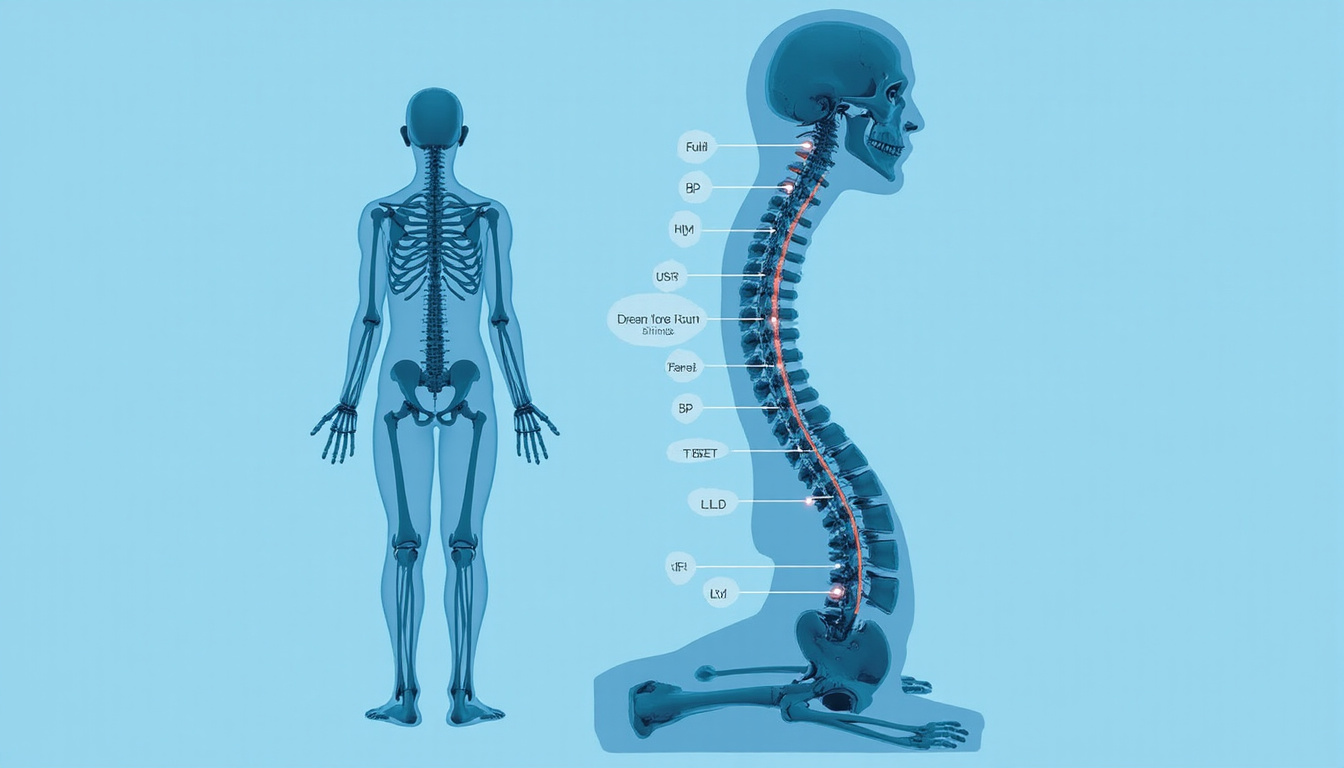
How to choose the right back pain clinic for you
With so many options, narrowing down the right back pain clinic can feel overwhelming. Use this checklist to guide your decision.
1. Credentials and expertise
Check:
- Are the physicians board-certified in a relevant specialty (e.g., physiatry, pain medicine, orthopedics, neurology)?
- Are physical therapists licensed and experienced specifically with spine conditions?
- Does the clinic stay up-to-date with evidence-based treatments?
2. Treatment philosophy
Ask:
- Do they emphasize conservative care first before recommending surgery?
- Do they focus on building your self-management skills (not endless passive treatments)?
- Are they open to questions and shared decision-making?
If the first suggestion is long-term opioids or immediate surgery without exploring other options, consider a second opinion.
3. Range of services
A strong back pain clinic should be able to:
- Diagnose accurately
- Offer multiple treatment options
- Coordinate care if you need referrals to other specialists
Multidisciplinary or integrated clinics often provide the smoothest, most coordinated care.
4. Communication and patient experience
Pay attention to:
- How carefully they listen during your first visit
- Whether they explain your diagnosis and options in plain language
- How easy it is to reach them between visits
You want a clinic that treats you as a partner, not a case file.
5. Practical considerations
These can affect how consistently you follow your treatment plan:
- Location and parking
- Appointment availability and wait times
- Insurance coverage and clear pricing
- Availability of virtual follow-ups when appropriate
What to expect at your first back pain clinic appointment
Walking in prepared can help you get more from your visit.
You can typically expect:
- Paperwork and history – You’ll fill out forms about your pain, medical history, medications, and lifestyle.
- Detailed conversation – The clinician will ask when your pain started, what it feels like, what worsens or improves it, and how it affects your life.
- Physical exam – This may include checking posture, spine alignment, flexibility, strength, balance, and nerve function (reflexes, sensation).
- Review of previous tests – Bring any past imaging, lab results, or surgery reports.
- Preliminary diagnosis and plan – The provider should outline what they think is going on, additional tests (if needed), and first-step treatments.
- Home recommendations – You may leave with initial exercises, activity modifications, or pain relief strategies.
Use this time to ask questions and make sure you understand the next steps and goals of treatment.
Your role in making treatment successful
Even the best back pain clinic can’t do everything for you. Successful long-term relief depends heavily on your daily choices. Key ways you can help your recovery:
- Do your exercises consistently. Treat your home program like a prescription, not a suggestion.
- Stay active (within reason). Gentle movement is nearly always better than prolonged bed rest.
- Adjust your environment. Fix your chair height, computer screen placement, or mattress if they’re contributing to pain.
- Track your progress. Note what helps or worsens pain, and share this with your clinician.
- Speak up. If something isn’t working, say so; your plan can be adjusted.
Over time, the goal is for you to rely less on the clinic and more on skills you’ve learned to manage and prevent flare-ups.
Simple daily habits to support your clinic treatment
Alongside professional care, these evidence-based habits can ease strain on your back:
- Maintain a healthy weight to reduce stress on the spine.
- Take short standing or walking breaks every 30–60 minutes if you sit for work.
- Strengthen your core 2–3 times per week with exercises recommended by your therapist.
- Prioritize 7–9 hours of sleep; pain perception worsens when you’re sleep-deprived.
- Manage stress, since tension often shows up as muscle tightness in the neck and back.
None of these is a magic bullet alone, but together they’re powerful.
FAQ: back pain clinics and treatment options
1. What treatments does a typical back pain clinic offer for lower back pain?
Most clinics provide a combination of physical therapy, manual therapy, targeted exercise, and pain management strategies such as medications, injections, or nerve blocks when needed. Many also include ergonomic guidance and education to prevent future episodes.
2. How do I know if a spine and back pain clinic is right for my condition?
A good spine and back pain clinic will take time to fully assess you, explain your diagnosis, and start with conservative, non-surgical treatments whenever possible. If your pain is chronic or affecting daily life, and the clinic offers multidisciplinary care and clear communication, it’s likely a strong fit.
3. Can a chronic back pain clinic really help if I’ve had pain for years?
Yes. While long-standing pain may not resolve overnight, a chronic back pain clinic can often reduce pain levels, improve mobility, and teach you strategies to manage flare-ups. Even when complete pain elimination isn’t possible, meaningful improvements in function and quality of life are common with a structured, tailored program.
Take the next step toward lasting relief
You don’t have to accept chronic back pain as your “new normal.” The right back pain clinic can help you uncover the root causes of your discomfort, guide you through proven, evidence-based treatments, and give you the tools to protect your spine for the long term.
If back pain is limiting your work, relationships, or favorite activities, don’t wait for it to “just go away.” Start researching clinics near you, ask the questions outlined in this guide, and schedule a comprehensive evaluation. The sooner you take action, the sooner you can move toward a life defined by what you can do—rather than by your pain.