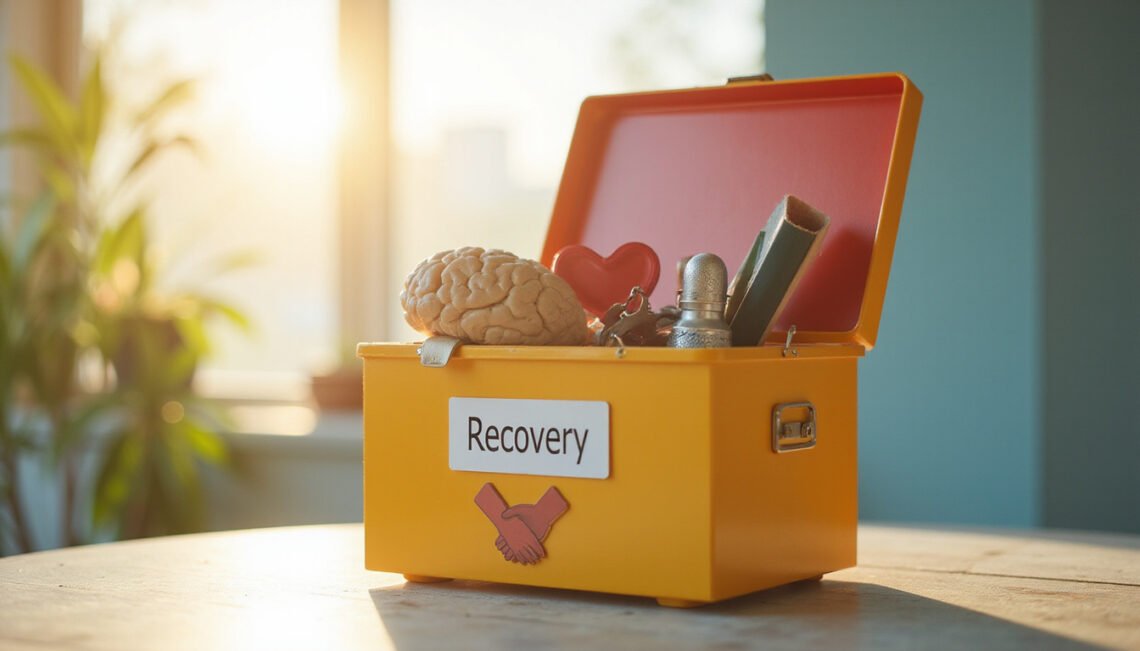
Biopsychosocial Approach to Mental Health: Practical Tools for Recovery
The biopsychosocial approach to mental health offers a more complete and compassionate way to understand what you’re going through—and how to heal. Instead of reducing anxiety, depression, trauma, or addiction to “just chemicals” or “just mindset,” it looks at how your biology, psychology, and social world all interact. This broader lens doesn’t just explain symptoms; it guides practical, everyday tools for recovery that you can actually use.
What Is the Biopsychosocial Model?
The biopsychosocial model was first introduced in the late 1970s as an alternative to the purely biomedical model of illness. It says that mental health is shaped by three intertwined factors:
- Bio – Your genetics, brain chemistry, sleep, hormones, physical health, and nervous system.
- Psycho – Your thoughts, beliefs, emotions, coping skills, and personality traits.
- Social – Your relationships, culture, finances, environment, and life stressors.
Instead of asking “What’s wrong with me?” the biopsychosocial framework shifts the question to:
“What’s happening in my body, mind, and environment that together are creating this distress—and what can we change?”
This is powerful, because it opens up many more paths to recovery. You’re not limited to one treatment; you can work on multiple levers at once.
Why a Biopsychosocial Perspective Matters
Seeing mental health through a biopsychosocial lens leads to several important changes:
-
Less blame and shame
You’re not “weak” for feeling depressed if you’re facing chronic stress, poor sleep, and trauma history. These are real forces acting on your brain and body. -
More treatment options
Medications, therapy, lifestyle changes, and social support can all be part of one integrated plan, instead of “either/or” choices. -
Better long-term outcomes
Addressing only one dimension (say, medication without therapy or vice versa) often leads to partial relief. Tackling biological, psychological, and social contributors together improves the odds of meaningful, lasting change (source: National Institute of Mental Health). -
A more personalized path
No two people with anxiety or depression are the same. The biopsychosocial approach helps you and your providers map your unique drivers and design a recovery plan tailored to your life.
The Biological Side: Tools for Supporting Your Brain and Body
Biological factors don’t just mean “chemical imbalance.” They include your whole body: genetics, hormones, immune system, nutrition, and sleep. Here are practical tools that fit the “bio” side of the biopsychosocial model.
1. Medication (When Appropriate)
Psychiatric medications can:
- Stabilize mood
- Reduce overwhelming anxiety or intrusive thoughts
- Make it easier to fully engage in therapy and life
If you’re considering medication:
- Work with a licensed prescriber (psychiatrist, primary care provider, psychiatric NP).
- Track your symptoms and side effects.
- Combine meds with therapy for best results—medication often creates the “space” needed for psychological and social work.
2. Sleep as a Foundation
Sleep deprivation and irregular sleep patterns significantly worsen depression, anxiety, and irritability.
Helpful steps:
- Keep a consistent sleep/wake time, even on weekends.
- Limit screens 60 minutes before bed; use warm lighting in the evening.
- Reserve your bed for sleep and intimacy, not work or scrolling.
- Consider a medical evaluation if you snore heavily, stop breathing, or wake unrefreshed.
3. Movement and Exercise
Regular movement changes brain chemistry in ways similar to certain antidepressants:
- Aim for 20–30 minutes of moderate movement (brisk walking, cycling, dancing) most days.
- If that’s too much, start with 5–10 minutes and build up.
- Choose forms of movement that feel realistic and kind to your body.
4. Nutrition and Substances
You don’t need a “perfect” diet, but some tweaks can support mental health:
- Prioritize regular meals to avoid blood sugar crashes.
- Include protein and fiber at each meal for steadier energy.
- Limit high doses of caffeine and alcohol, which can worsen anxiety and mood swings.
If you use substances (alcohol, cannabis, etc.) to cope, be honest about their short- and long-term effects on your mood and functioning. Reducing, structuring, or getting support around use can be a crucial biological step in recovery.
The Psychological Side: Tools to Change Thoughts, Feelings, and Behavior
The “psycho” component of the biopsychosocial approach looks at how you think, feel, and cope. This doesn’t mean your suffering is “all in your head”; it means your mind is also a place where healing can happen.
1. Evidence-Based Therapies
Different therapies target different psychological patterns:
- Cognitive Behavioral Therapy (CBT) – Identifies and changes distorted thinking and unhelpful behaviors.
- Dialectical Behavior Therapy (DBT) – Focuses on emotion regulation, distress tolerance, and interpersonal skills.
- Trauma-focused therapies (e.g., EMDR, TF-CBT) – Help process and integrate traumatic memories safely.
- Acceptance and Commitment Therapy (ACT) – Helps you accept difficult emotions while moving toward your values.
If one type of therapy hasn’t helped, it doesn’t mean you are untreatable. It may mean you need a different therapeutic fit or modality.
2. Building Emotional Awareness
Many people grew up learning to suppress or avoid feelings. Recovery often starts with simply noticing what you feel.
Try:
- Name it to tame it: When you feel something strong, pause and label it—“anxiety,” “sadness,” “shame,” “anger.”
- Body scanning: Close your eyes and notice where you feel tension or heaviness (throat, chest, stomach, shoulders).
- Emotion check-ins: Ask yourself 2–3 times a day, “What am I feeling right now? What do I need?”
3. Skills for Managing Difficult Emotions
You can’t control every feeling, but you can widen your toolbox for coping:
- Grounding exercises (focus on 5 things you can see, 4 you can feel, 3 you can hear, 2 you can smell, 1 you can taste).
- Slow, diaphragmatic breathing (e.g., inhale 4 seconds, exhale 6 seconds).
- Short “urge surfing” for cravings or urges—notice them like waves that rise and fall.
These aren’t magic fixes, but they reduce emotional intensity enough for you to make better choices.
4. Changing Unhelpful Thought Patterns
Common patterns include:
- All-or-nothing thinking (“I failed once, so I’m a failure.”)
- Mind reading (“They think I’m annoying.”)
- Catastrophizing (“If I make a mistake, everything will fall apart.”)
A simple CBT exercise:
- Notice the thought.
- Ask: “What is the evidence for and against this thought?”
- Replace it with a more balanced statement, not blindly positive but realistic.
The Social Side: Environment, Relationships, and Culture
The “social” in the biopsychosocial framework covers almost everything outside your skin, including:
- Family dynamics and attachment history
- Friendships and sense of belonging
- Work or school environment
- Financial stability or strain
- Experiences of discrimination, marginalization, or trauma
- Cultural and spiritual background
1. Relationships and Boundaries
Supportive relationships are among the strongest protective factors for mental health.
Consider:
- Who do you feel safest with? Can you share a bit more honestly with them?
- Where do you feel drained or unsafe? Do you need firmer boundaries or distance?
- Can you practice saying simple boundary phrases: “I’m not able to talk about that right now,” or “I need to think about that and get back to you.”
2. Social Support and Community
Loneliness and isolation amplify distress. Small steps toward connection can help:
- Join a peer support group (in-person or online) for your specific concern (e.g., anxiety, bipolar, grief).
- Attend a local interest group or class (hobbies, fitness, volunteer work).
- If in-person feels overwhelming, start with online communities or text-based spaces, and be mindful of how they affect your mood.
3. Practical and Structural Supports
Sometimes what looks like “symptoms” is a realistic response to chronic stressors like poverty, unsafe housing, or discrimination.
Helpful moves might include:
- Meeting with a social worker or case manager.
- Seeking legal aid if you’re facing harassment or unsafe conditions.
- Accessing disability services, accommodations at work or school, or financial counseling.
Addressing these social realities isn’t a bonus—it’s central to a genuine biopsychosocial recovery plan.
Putting It Together: A Simple Biopsychosocial Recovery Map
To make the biopsychosocial approach concrete, it helps to map out your situation across the three domains. Here’s one way to start.

Step 1: Identify Current Stressors and Strengths
Use this list as a guide and jot notes in each section:
-
Biological
- Sleep, energy, physical health, hormones
- Medications, substances, appetite
- Strengths: good fitness, medical care, resilient body, etc.
-
Psychological
- Thoughts, beliefs, self-talk
- Emotions you struggle with most
- Coping habits (helpful and unhelpful)
- Strengths: insight, creativity, sense of humor, persistence
-
Social
- Key relationships (supportive vs. stressful)
- Work/school demands
- Finances, housing, safety
- Cultural/community supports or barriers
Step 2: Choose One Small Goal in Each Area
Instead of trying to fix everything at once, pick one realistic change in each domain:
- Bio – Example: “Walk for 10 minutes after lunch 3 times a week.”
- Psycho – Example: “Write down one unhelpful thought per day and challenge it.”
- Social – Example: “Text one person I trust twice this week to check in.”
Keep the goals small enough that you’re almost sure you can do them. Consistency beats intensity.
Common Misunderstandings About the Biopsychosocial Model
“If it’s biopsychosocial, does that mean it’s not serious?”
No. Recognizing psychological and social factors does not mean your condition is less real. It means we respect how complex and serious mental health truly is, and we’re not pretending there’s a single cause or cure.
“If I try hard enough, I should fix this myself.”
The biopsychosocial approach assumes that many factors are outside your personal control (genetics, early experiences, economic conditions). Seeking professional help, community support, or medication is not a failure of willpower; it’s using all available tools.
“If my life is ‘fine’ on paper, I shouldn’t feel this bad.”
People can struggle deeply even when they have stable jobs or relationships. Internal factors—like trauma history, neurobiology, or perfectionistic beliefs—can create intense suffering, even when things look okay from the outside. You still deserve support and treatment.
FAQ: Biopsychosocial Approach to Mental Health
1. What is a biopsychosocial assessment in mental health?
A biopsychosocial assessment is a structured interview or questionnaire that asks about your biological history (health, medications, sleep), psychological patterns (thoughts, emotions, coping), and social context (relationships, work, culture, stressors). Clinicians use it to build a fuller picture of what is affecting your mental health and to guide a more targeted treatment plan.
2. How is the biopsychosocial model used in therapy?
Therapists using a biopsychosocial model don’t just focus on your thoughts or behaviors. They also ask about physical health, medications, family dynamics, trauma, identity, and community. They then integrate tools—for example, CBT for unhelpful thoughts, relaxation and sleep skills for biology, and communication training for social conflict—to address the whole picture.
3. Is the biopsychosocial model better than the medical model?
They’re complementary. The medical model excels at identifying and treating biological contributors (like bipolar disorder, psychosis, or severe depression). The biopsychosocial model expands this view by adding psychological and social layers, which are crucial for long-term recovery. In practice, the most effective care typically combines medical expertise with biopsychosocial thinking.
Moving Forward: Turn Insight into Action
Seeing your mental health through a biopsychosocial lens can be both validating and empowering. Your struggles aren’t reduced to a label, and you’re not blamed for what’s outside your control—but you do gain a wider range of tools for change.
If you’re ready to take the next step:
- Share this biopsychosocial framework with a therapist, doctor, or trusted person and discuss where you most need support.
- Choose one small biological, one psychological, and one social action you can start this week.
- Consider seeking professional help that explicitly uses a biopsychosocial approach, so your treatment plan reflects the full complexity of your life.
You deserve care that sees all of you—your body, your mind, and your world—and helps you build a recovery path that truly fits your reality.