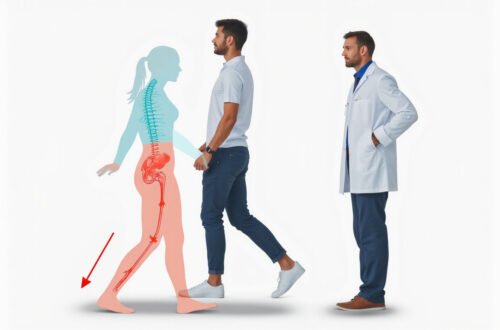
Tight hips can make everything from sitting at your desk to climbing stairs feel stiff and uncomfortable. The right hip stretches can loosen those muscles, relieve pain, and noticeably improve your mobility—often in just a few minutes a day. Whether you’re dealing with desk-job tightness, post-workout soreness, or general stiffness, targeted stretching can reset your hips and help you move more freely.
Below, you’ll find practical, science-informed hip stretches, how to do them safely, and how to build a simple daily routine that supports long-term hip health.
Why hip stretches matter so much
The hip joint is a ball-and-socket joint that connects your legs to your pelvis and spine. When it gets tight or weak, you may notice:
- Lower back pain
- Groin or front-of-hip discomfort
- Knee pain or ankle issues
- Reduced stride length when walking or running
- Trouble sitting cross-legged or squatting
Common causes of hip tightness include:
- Prolonged sitting (desk work, driving, gaming)
- Overuse from running, cycling, or lifting
- Weak glutes and core muscles
- Previous injuries or surgery
- Poor posture and movement patterns
Research shows that regular stretching can increase range of motion, reduce pain, and improve functional movement, especially when combined with strengthening exercises (source: American Council on Exercise).
Key muscles targeted by hip stretches
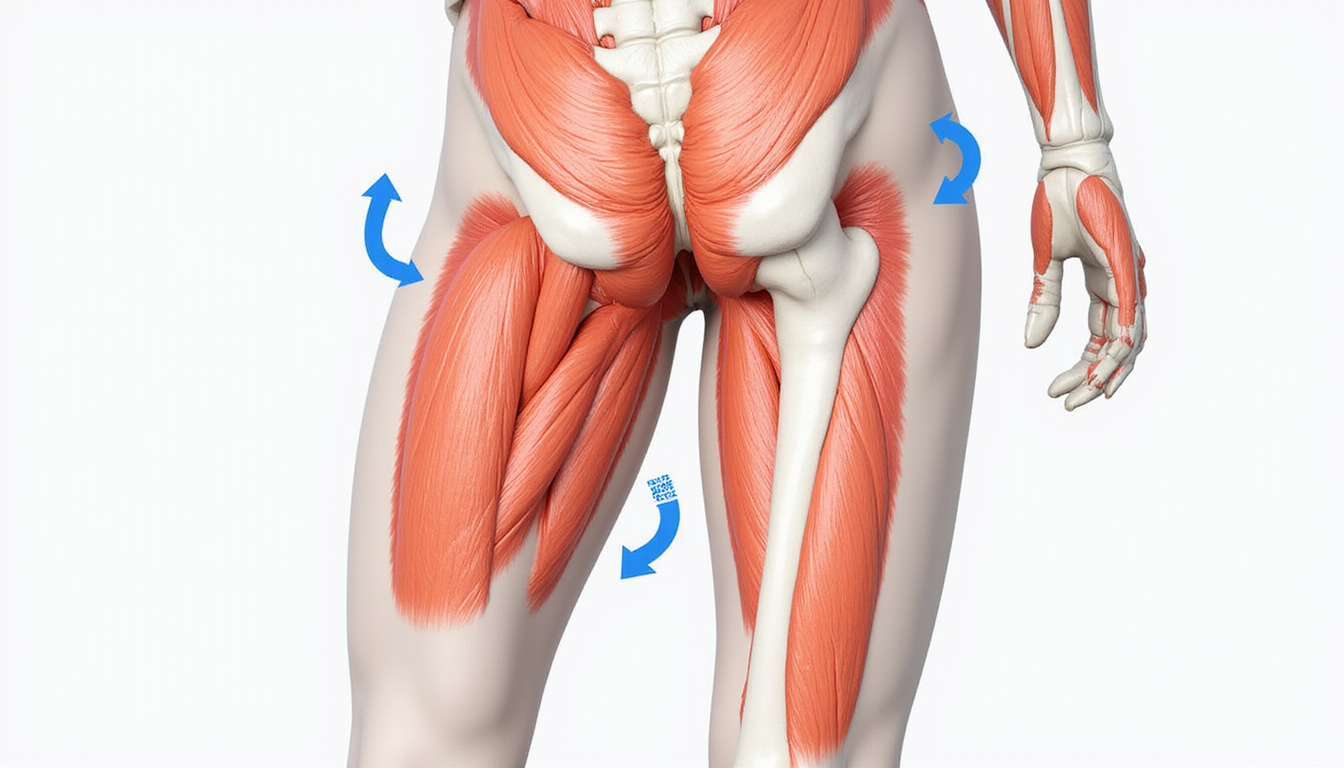
Effective hip stretches don’t just “stretch the hips”—they target specific muscles around the joint:
- Hip flexors (iliopsoas, rectus femoris): Front of the hip and thigh; often tight from sitting.
- Glutes (maximus, medius, minimus): Buttock muscles; crucial for stability and power.
- Piriformis and deep external rotators: Small muscles under the glutes that can irritate the sciatic nerve when tight.
- Adductors: Inner thigh muscles that pull the legs together.
- Hamstrings: Back of the thigh; affect hip and knee mobility.
- TFL/IT band: Outer hip and thigh; can feel tight and sore with overuse.
A balanced routine covers the front, back, and sides of the hip to restore full, comfortable motion.
How to stretch your hips safely and effectively
Before you dive into specific hip stretches, keep these guidelines in mind:
-
Warm up first:
3–5 minutes of light movement (walking, marching in place, gentle squats) increases blood flow and makes tissue more responsive. -
Move to mild discomfort, not sharp pain:
You should feel a stretch sensation, not stabbing, burning, or joint pain. Back off if pain appears. -
Breathe slowly and deeply:
Exhale as you move into the stretch; avoid holding your breath, which can increase tension. -
Hold stretches 20–30 seconds:
For mobility gains, aim for 2–3 repetitions per side. -
Stay aligned:
Keep your spine neutral (not excessively arched or rounded) and your pelvis as level as possible. -
Skip ballistic bouncing:
Use slow, controlled movements—no aggressive bouncing into end-range.
If you have a hip replacement, significant arthritis, or recent injury, clear new stretches with a healthcare professional first.
The best hip stretches for fast relief
1. Half-kneeling hip flexor stretch
Best for: Front-of-hip tightness from sitting or cycling.
How to do it:
- Start in a half-kneeling position:
- Right knee on the floor, left foot in front, knee bent 90 degrees.
- Place a cushion under your knee if needed.
- Stack your hips over your back knee and keep your torso upright.
- Gently tuck your pelvis under (as if zipping up tight jeans) and lightly squeeze the right glute.
- Lean your hips slightly forward until you feel a stretch in the front of your right hip and thigh.
- Hold 20–30 seconds, breathing steadily.
- Switch sides and repeat 2–3 times.
Common mistake: Over-arching the lower back instead of tucking the pelvis. The stretch should be in the hip flexor, not the low back.
2. Figure-4 piriformis stretch (lying)
Best for: Deep glute/Piriformis tightness, sciatic-type discomfort.
How to do it:
- Lie on your back with knees bent, feet flat on the floor.
- Cross your right ankle over your left thigh, just above the knee (like a figure 4).
- Reach your hands behind your left thigh and gently pull the leg toward your chest.
- Keep your head and shoulders relaxed on the floor; avoid rounding your neck.
- You should feel a stretch in the outer right hip and glute.
- Hold 20–30 seconds; repeat 2–3 times per side.
Modification: If reaching behind your thigh is hard, use a strap, towel, or clasp your hands over the shin instead (if your knees tolerate it).
3. Seated or standing pigeon variation
Best for: Tight glutes and outer hip when getting on the floor is difficult.
Seated version:
- Sit on a sturdy chair with feet flat on the floor, hip-width apart.
- Cross your right ankle over your left thigh, creating a figure 4.
- Sit tall, then slowly hinge forward from the hips (not the low back) until you feel a stretch in your right hip.
- Keep your back straight and chest gently lifted.
- Hold 20–30 seconds; repeat 2–3 times per side.
Standing version (for balance-challenged, hold onto something):
- Stand facing a counter or sturdy table.
- Place your right ankle on the surface so your knee is bent, forming a figure 4.
- Gently hinge forward until a stretch is felt in the right hip and glute.
- Hold and repeat as above.
4. 90/90 hip rotation stretch
Best for: Improving internal and external rotation, overall hip mobility.
How to do it:
- Sit on the floor with both knees bent at 90 degrees:
- Front leg: shin parallel to your torso, knee at 90 degrees.
- Back leg: knee bent 90 degrees, with your shin behind you.
- Square your chest over the front shin.
- Gently lean forward from the hips until you feel a stretch in the front-leg hip and glute.
- Hold 20–30 seconds.
- Then gently rotate your torso toward the back leg and lean slightly to feel a stretch in the front of the back hip.
- Switch sides and repeat 2–3 rounds.
Tip: If your hips are very tight, sit on a cushion or yoga block to reduce the angle and strain.
5. Butterfly stretch (inner thighs and groin)
Best for: Opening the inner thighs and reducing groin tightness.
How to do it:
- Sit on the floor with your spine tall.
- Bring the soles of your feet together, letting your knees fall out to the sides.
- Hold your ankles or shins; don’t push directly on your knees.
- Gently draw your heels closer to your body for a deeper stretch.
- Optionally, lean forward slightly from the hips while keeping the spine long.
- Hold 20–30 seconds; repeat 2–3 times.
Modification: If knees are very high, place cushions or yoga blocks under them for support.
6. Lizard lunge (hip flexors and groin)
Best for: Deep hip opening for active people, runners, and lifters.
How to do it:
- Start in a high plank or at the top of a push-up.
- Step your right foot to the outside of your right hand.
- Lower your back knee to the floor if you prefer.
- Keep your front knee stacked over your ankle and your chest lifted.
- Let your hips sink forward and down slightly until you feel a stretch in the front of your left hip and inner right thigh.
- For a deeper stretch, come down to your forearms (only if comfortable).
- Hold 20–30 seconds; switch sides.
Note: This is an intense stretch. If it causes pain, scale back to the half-kneeling hip flexor stretch instead.
7. Supine hamstring stretch with strap
Best for: Tightness in the back of the thigh that tugs on the hips and low back.
How to do it:
- Lie on your back with legs extended.
- Loop a strap or towel around the arch of your right foot.
- Keeping your left leg straight on the floor (or bent with foot flat if your low back is sensitive), raise your right leg toward the ceiling.
- Keep your knee just slightly bent or straight but not locked.
- Gently pull the strap to bring your leg closer until you feel a stretch in the back of the thigh.
- Hold 20–30 seconds; repeat 2–3 times per side.
A simple daily hip stretch routine (10–15 minutes)
To get the most benefit from these hip stretches, consistency matters more than intensity. Here’s a straightforward routine you can do once or twice daily:
- Half-kneeling hip flexor stretch – 2 x 20–30 seconds per side
- Figure-4 piriformis stretch (lying or seated) – 2 x 20–30 seconds per side
- Butterfly stretch – 2 x 20–30 seconds
- 90/90 hip rotation stretch – 2 rounds per side, holding each position 20–30 seconds
- Supine hamstring stretch with strap – 2 x 20–30 seconds per side
Optional add-ons for extra mobility:
- Lizard lunge – 1–2 x 20 seconds per side
- Seated pigeon variation – 1–2 x 20 seconds per side
Aim for this routine at least 3–4 days per week for noticeable improvements in pain and flexibility.
Tips to make hip stretching work long term
To turn hip stretches into sustainable relief rather than a one-time fix:
-
Pair stretching with strengthening:
Strong glutes and core support mobile hips. Add exercises like glute bridges, clamshells, and side-steps with a band. -
Break up sitting time:
Stand, walk, or do a quick hip stretch every 30–60 minutes if you have a desk job. -
Watch your posture:
Avoid slouching or crossing one leg for long periods, which can unevenly tighten hip muscles. -
Progress gradually:
As flexibility improves, go a little deeper into each stretch—not by forcing it, but by allowing more range over time. -
Listen to your body:
Persistent or worsening pain, especially sharp or joint-based pain, warrants evaluation by a physical therapist or medical professional.
FAQ about hip stretches and hip mobility
1. How often should I do hip stretches for tight hips?
For noticeably tight hips, stretching daily or at least 4–5 times per week is ideal. Short, consistent sessions (10–15 minutes) are more effective than a long session once a week. Over time, your body adapts and those hip stretches maintain the new, improved range of motion.
2. Can hip pain be relieved just with hip mobility exercises?
Many people experience significant relief from combining hip mobility exercises and stretches with strengthening. However, hip pain can also come from arthritis, labral tears, bursitis, or referred pain from the spine. If pain is severe, persistent, or linked with Clicking, locking, or giving way, see a professional for diagnosis and a tailored plan.
3. What are the best hip stretches for people who sit all day?
If you sit for long periods, prioritize:
- Half-kneeling hip flexor stretch
- Figure-4 or seated pigeon stretch
- Butterfly stretch
These directly counteract the positions your hips stay in while sitting and can be done quickly during breaks to prevent stiffness from building up.
Consistent hip stretches can transform how your body feels—reducing pain, improving posture, and making everyday movement easier and more enjoyable. Start with just a few of the stretches above, weave them into morning or evening routines, or sprinkle them into work breaks. Your hips don’t have to stay tight and achy.
Begin today with a 10-minute hip stretch session, then commit to repeating it for one week. Notice the difference in how you walk, sit, and sleep—and let that progress motivate you to keep going toward stronger, more mobile hips.